


Queens Leaders Review Rail Crossing Safety Following European Accident
NEW YORK — Following a tragic incident in Buggenhout, Belgium, where a train collided with a school minibus, killing four people including two children, Queens officials and transportation advocates are proactively reviewing local rail crossing safety measures. The global tragedy has prompted renewed discussions across New York City about preventing similar incidents, particularly in communities with active rail lines and school transport routes.
While no direct local connection to the European crash exists, the loss of young lives underscores the critical importance of robust safety protocols. Queens, with its extensive network of LIRR and freight rail lines, particularly around areas like Cross Bay Boulevard and Jamaica, has several active rail crossings that serve densely populated residential areas. These include intersections near Aqueduct Racetrack and other significant landmarks.
Proactive Discussions on Local Rail Safety
Officials from the Metropolitan Transportation Authority (MTA) and the Department of Transportation (DOT) are holding internal meetings to assess the current state of rail crossing infrastructure in Queens. This includes evaluating the functionality of warning signals, gates, and signage at dozens of crossings. Approximately 30 active rail crossings exist within the borough, according to MTA data for 2025.
"Any incident involving children and rail transit demands our immediate attention and a thorough review of our own systems," stated Sarah Chen, Director of Rail Safety for the MTA, in a press conference held on May 14, 2026. "We continuously strive to implement the latest safety technologies and ensure public awareness around rail crossings." She emphasized the agency's commitment to public safety.
Local advocacy groups, such as "Queens for Safer Streets," have also called for public forums to discuss concerns and potential improvements. They highlight crossings near schools and community centers as areas requiring particular scrutiny. Ensuring safe passage for students is a paramount concern for many parents in the area, including those from communities along Cross Bay Boulevard.
Enhancing School Transport Security Protocols
The Belgian accident, involving a school minibus, has specifically raised questions about the safety protocols for school transportation near rail lines in Queens. The New York City Department of Education (DOE) is reviewing its bus routes and driver training programs to ensure compliance with all rail crossing safety regulations. All 1,500 NYC school bus drivers receive annual training on railroad crossing procedures.
School bus drivers are required to stop at all railroad crossings, open their doors to listen for trains, and proceed only when it is safe to do so. This protocol is reinforced through regular training sessions and inspections. However, advocates believe constant vigilance and updated technology are still needed.
"We need to ensure every possible safeguard is in place to protect our children," remarked Assemblywoman Stacey Abrams, who represents parts of Southeast Queens. She has urged the DOE and MTA to collaborate on a comprehensive safety audit specifically targeting school transport routes. Her office has received over 50 calls from concerned parents since the news of the European accident broke. This conversation on safety extends to addressing illegal street takeovers on Cross Bay Boulevard, which pose other traffic risks.
Community Awareness and Technological Upgrades
Public awareness campaigns are being considered to educate both drivers and pedestrians about the dangers of disregarding rail crossing signals. The MTA typically launches annual "Rail Safety Week" initiatives, but officials may enhance these efforts in 2026. These campaigns often involve digital messaging and outreach to local schools and community organizations.
Technological upgrades, such as improved sensor systems and positive train control (PTC), are also part of the broader discussion. While PTC is primarily designed for inter-train collision avoidance, its underlying technology can enhance crossing safety by providing more precise train location data. The LIRR has invested over $500 million in PTC implementation across its network.
A study conducted by the National Transportation Safety Board (NTSB) in 2024 recommended increased federal funding for grade crossing improvements nationwide. Such funding could accelerate the installation of advanced warning systems and physical barriers in Queens. These infrastructure enhancements are crucial for preventing future tragedies. These discussions also impact the overall local news coverage in Queens.
Global Lessons and Local Applications
The tragic event in Belgium serves as a stark reminder that rail safety is a global concern requiring continuous attention. Lessons learned from international investigations often inform best practices adopted locally. NYC transit agencies regularly participate in international safety conferences and share findings.
This incident highlights the importance of comprehensive safety standards that encompass infrastructure, technology, driver training, and public education. The MTA continues to work with federal agencies like the Federal Railroad Administration (FRA) to align local practices with national and international benchmarks. The goal is to minimize risk across all forms of public transportation.
Maintaining public trust in transportation systems, especially those carrying schoolchildren, is paramount. Queens leaders are committed to ensuring that every possible step is taken to prevent a similar catastrophe from occurring on local rail lines. And it's a conversation that resonates with all forms of safety discussions, including Cross Bay Boulevard's problematic repaving job.
Frequently Asked Questions About Queens Rail Safety
Residents often ask how many rail crossings are in Queens; Queens has approximately 30 active public rail crossings primarily operated by the Long Island Rail Road (LIRR) and freight lines, located in various neighborhoods including those near Cross Bay Boulevard. Another common question is what safety measures are currently in place at these crossings; existing safety measures include automatic warning signals, flashing lights, audible bells, and physical gates that descend when a train is approaching, along with clear signage. People also inquire about what to do if they see a malfunction at a rail crossing; if a signal or gate appears to be malfunctioning, residents should immediately report it to the MTA's customer service or local authorities by calling 911, and avoid crossing until the issue is confirmed safe. Finally, many parents ask about school bus safety near tracks; New York City school bus drivers undergo mandatory annual training on proper procedures for stopping, looking, and listening at all railroad crossings before proceeding, ensuring an extra layer of caution for student transport.
Written by
Newstrix
Cross Bay Current
Related Articles
More in Transportation & Traffic →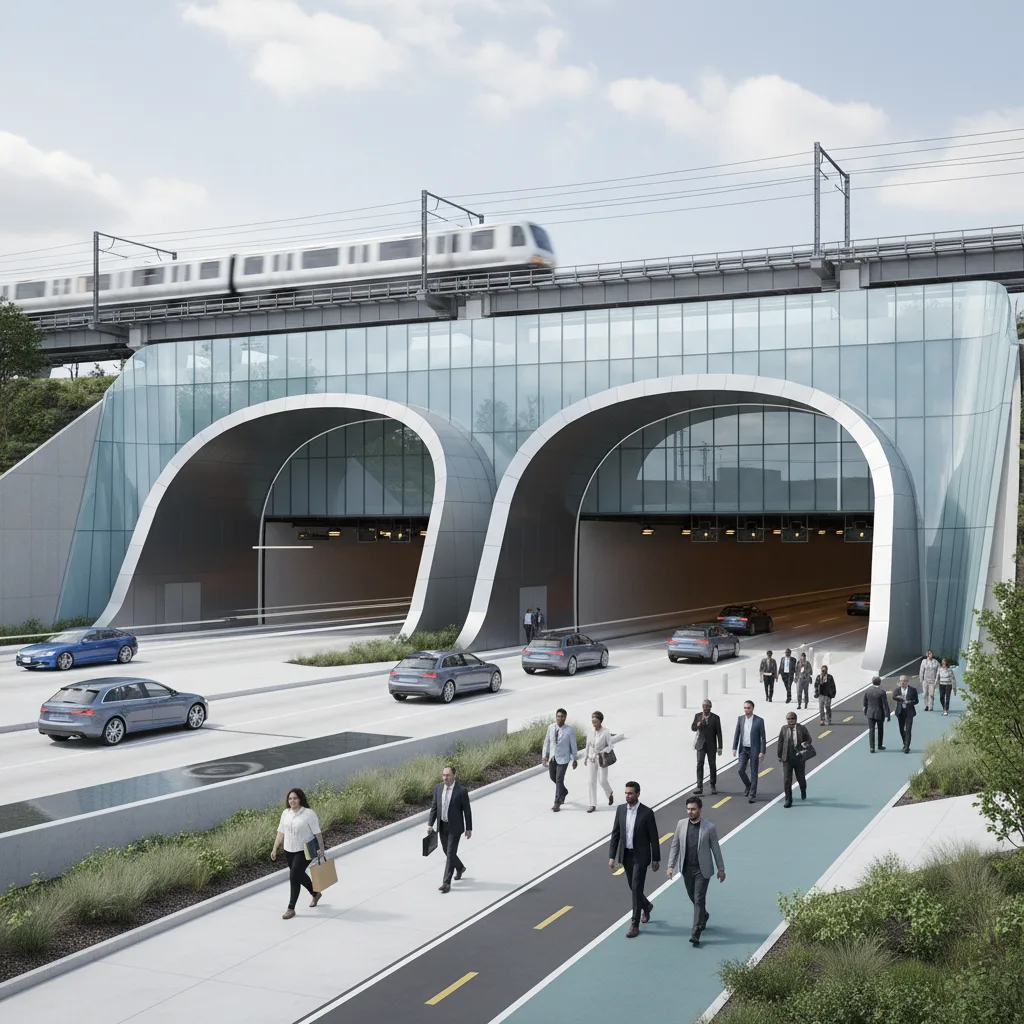
Your Guide to Understanding the Queens Midtown Tunnel in 2026
Navigate the Queens Midtown Tunnel in 2026 with this comprehensive guide covering tolls, traffic tips, public transport alternatives, and safety.
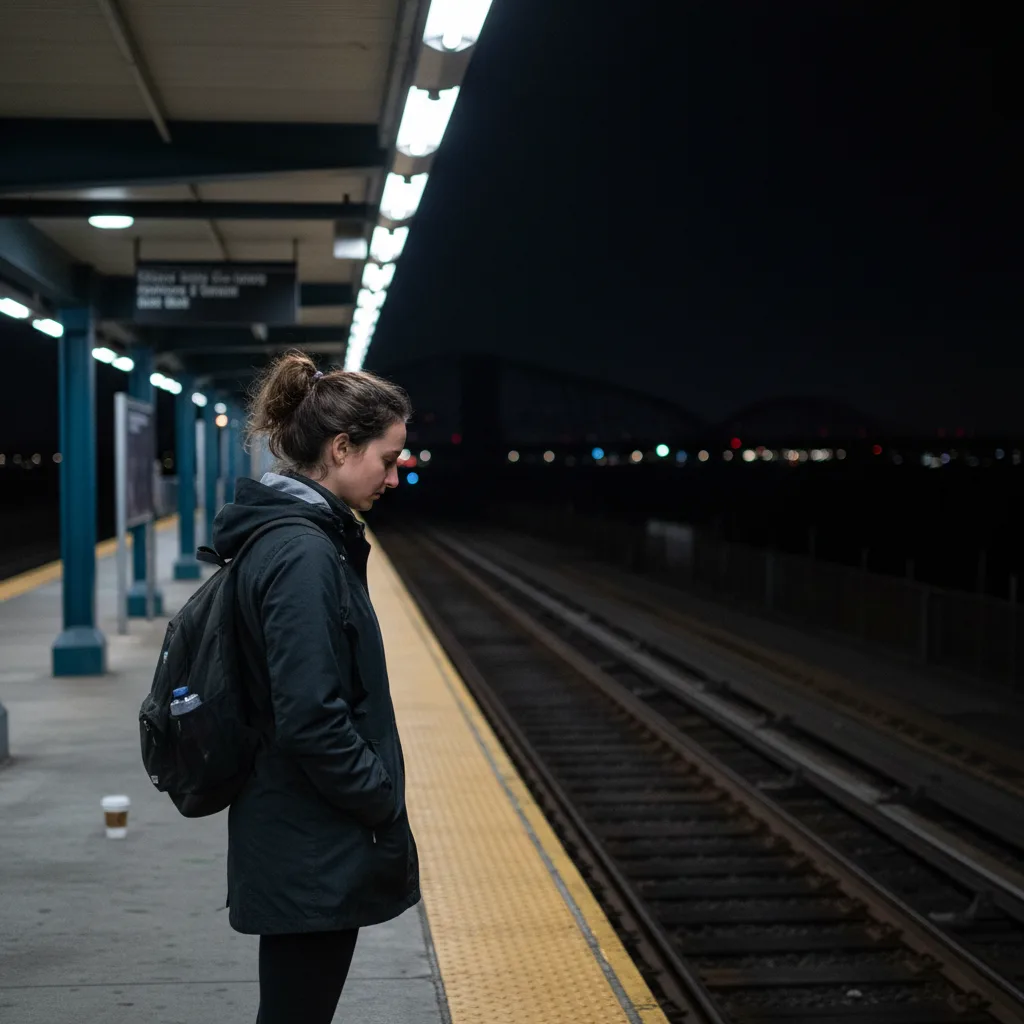
A Train Rerouted, No Service Between Broad Channel and Far Rockaway
A Train service between Broad Channel and Far Rockaway is suspended overnight October 5-9, 2026. Commuters face reroutes, impacting travel.
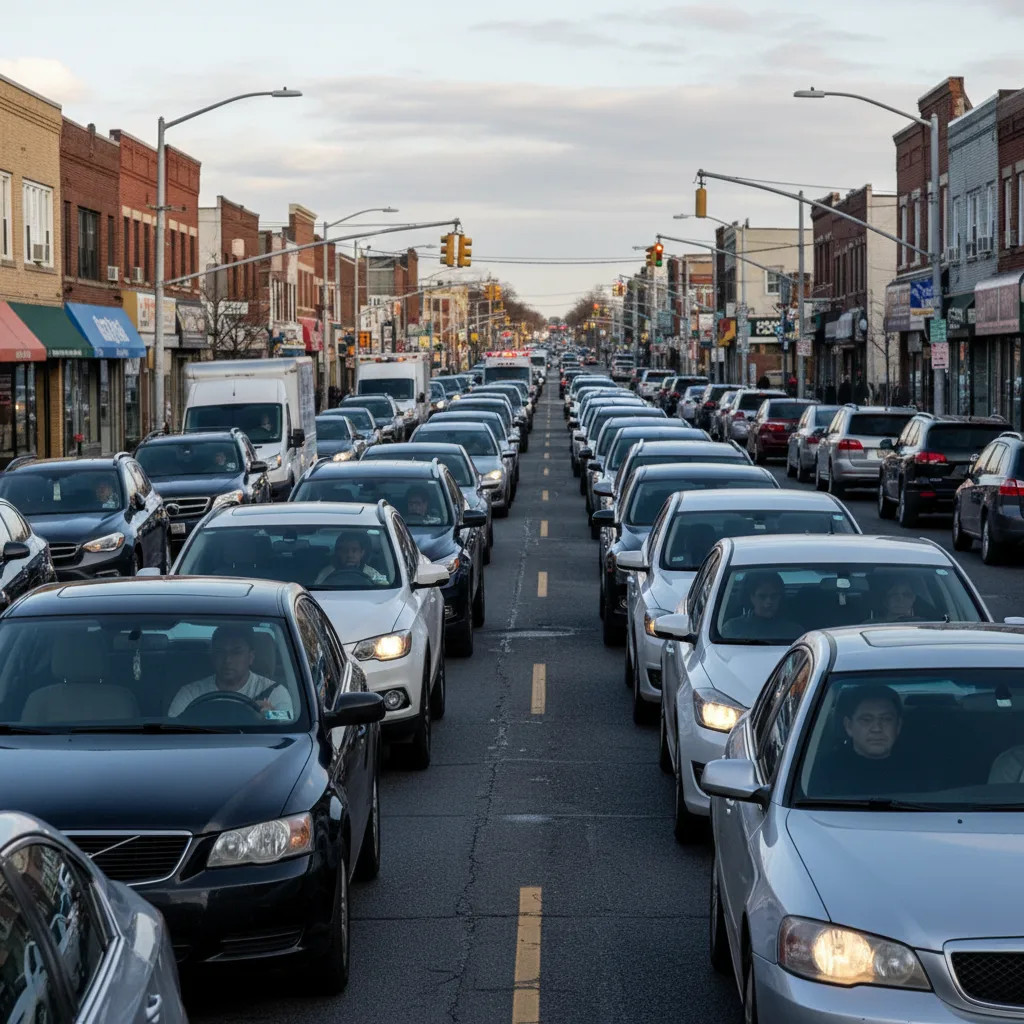
Cross Bay Boulevard Traffic Delays Near 165th Avenue 2026
Police activity caused significant traffic delays and road closures on Cross Bay Boulevard near 165th Avenue in Queens. Drivers advised to use alternate routes.
Your Essential Guide to the Rockaway Ocean Club in 2026
Discover what to expect at the Rockaway Ocean Club in 2026, a vibrant beachfront hub in Queens with dining, events, and community activities.
Is Howard Beach in Queens or Brooklyn? A Comprehensive Guide to This Unique NYC Neighborhood
Is Howard Beach in Queens or Brooklyn? Discover the definitive answer: Howard Beach is a vibrant Queens neighborhood with unique coastal charm.
Your Essential Guide to Roy Wilkins Park Events in 2026
Discover the essential guide to Roy Wilkins Park events in 2026, featuring concerts, festivals, sports, and nature programs for South Queens residents.