


Queens Officials Address Local Engagement with Global News Updates

NEW YORK — Local officials and community leaders in Queens are increasingly addressing how residents along Cross Bay Boulevard consume and interpret rapidly evolving global news. With world events unfolding at an unprecedented pace, concerns are growing about media literacy and the impact of international headlines on local discourse and everyday anxieties.
Residents often treat live world-news feeds like a morning paper they keep refreshing all day, especially at neighborhood counters where TVs stay on in the background. People are comparing headlines, arguing over what matters most, and using these updates as a way to make sense of how overseas events might ripple into New York life.
The Pervasiveness of Global News
In a typical week, a significant portion of Queens residents, particularly those with international ties, spend an average of 2-3 hours daily engaging with global news, according to an informal survey conducted by the Queens Public Library System in early October 2026. This data underscores the omnipresence of international events in local consciousness.
Council Member Joann Ariola (R-32nd District), whose constituency includes diverse communities along Cross Bay Boulevard, noted the trend. “Our residents are globally connected, and they are acutely aware of how events in Europe or the Middle East can affect them directly here in Howard Beach,” Ariola confirmed. “From gas prices to family concerns, global news is local news.” Her observations reflect the interconnectedness.
Walk into any deli or coffee shop along Cross Bay Boulevard, such as the bustling L&B Spumoni Gardens outpost, and you’ll find patrons discussing conflicts in the Middle East or political shifts in Europe. They often monitor CBS News World Section and international news apps throughout the day.
Challenges of Information Overload
The constant influx of information from various sources also presents challenges, including the risk of misinformation and information overload. Officials are concerned about the spread of unverified reports and the potential for increased anxiety among vulnerable populations.
“It’s not just about access to information; it’s about critical evaluation,” stated Dr. Maya Singh, a professor of media studies at Queens College. “In an era of 24/7 news cycles, distinguishing between reliable sources and propaganda is harder than ever. This is a critical skill for our communities.” Dr. Singh advocates for enhanced media literacy programs.
Community Board 10 has started informal discussions about hosting workshops on media literacy and identifying credible news sources, especially for older residents and new immigrants. These initiatives aim to empower residents to navigate the complex information landscape more effectively. For other general Queens news updates, local outlets remain key.
Impact on Local Dialogue and Anxiety
The way global events are consumed directly influences local dialogue and, at times, heightens community anxiety. Residents frequently project international conflicts onto local concerns, wondering about the potential for increased domestic tensions or economic repercussions.
For instance, discussions about international trade disputes can quickly shift to concerns about the price of groceries at the local supermarket on Cross Bay Boulevard. Similarly, reports of political unrest abroad may lead to worries about the safety of family members or the stability of their own neighborhoods. These conversations often unfold in the barbershops and community centers dotting the boulevard.
“I’ve seen firsthand how an international crisis can trigger anxiety in our community,” said Father Michael Smith of St. Helen’s Church in Howard Beach. “It’s important for us to create spaces where people can discuss these concerns, find support, and foster understanding, rather than fear.” He emphasizes the pastoral role in addressing community concerns.
Official Efforts to Support Informed Engagement
Local government and educational institutions are exploring ways to support more informed and less anxious engagement with global news. This includes promoting public forums, providing resources for mental health support during times of crisis, and encouraging participation in civic education programs.
Director of Community Affairs for the Queens Borough President's Office, Maria Diaz, announced plans for a series of “Global to Local” seminars in early 2027. These seminars will feature experts discussing how international policy decisions impact Queens residents directly, from trade agreements to cultural exchanges. The goal is to demystify complex global issues.
By fostering a more media-literate and critically engaged populace, Queens officials hope to empower residents along Cross Bay Boulevard to process global events thoughtfully, reducing undue anxiety and promoting constructive local dialogue. The initiative highlights a commitment to robust public discourse.
Frequently Asked Questions About Global News Engagement
How do Queens residents typically engage with world news? Queens residents along Cross Bay Boulevard often follow live world-news feeds, treat them like continually refreshed newspapers, and discuss headlines in local gathering spots like delis and cafés. They compare stories and try to understand how international events might affect their lives in New York, especially concerning family overseas and economic impacts.
What are the primary concerns regarding global news consumption in the community? Primary concerns include the potential for misinformation and information overload, which can heighten anxiety. Officials and educators are working to improve media literacy, helping residents distinguish credible sources and critically evaluate the vast amount of news available.
What steps are local officials taking to support informed engagement? Local officials are promoting initiatives such as media literacy workshops, public forums like "Global to Local" seminars, and providing resources for mental health support. These efforts aim to empower residents to process complex global information thoughtfully, fostering constructive local dialogue and reducing anxiety linked to international events.
Written by
Newstrix
Cross Bay Current
Related Articles
More in Arts & Culture →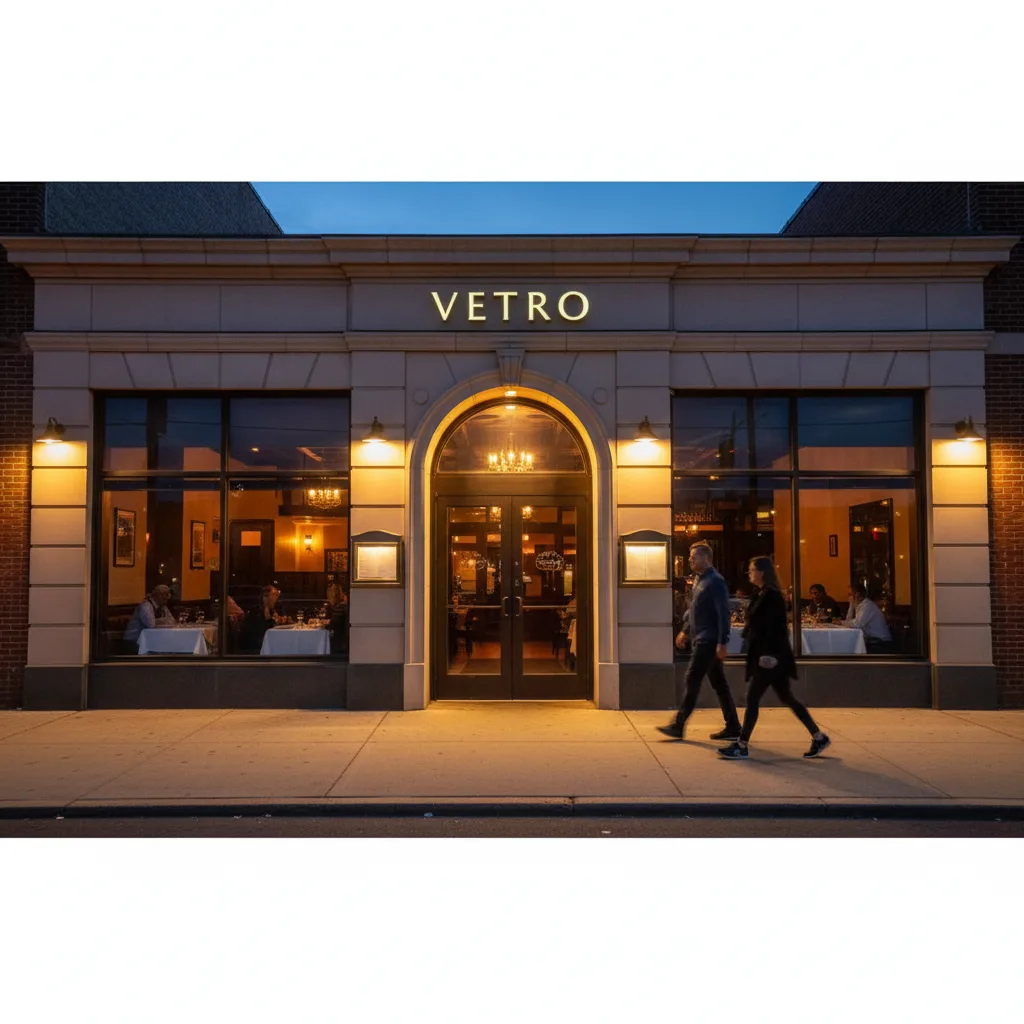
Queens' Vetro Restaurant to Host Evening Performance September 18
Vetro Restaurant & Lounge on Cross Bay Boulevard will host an evening performance on September 18, 2026, boosting local arts and economy.
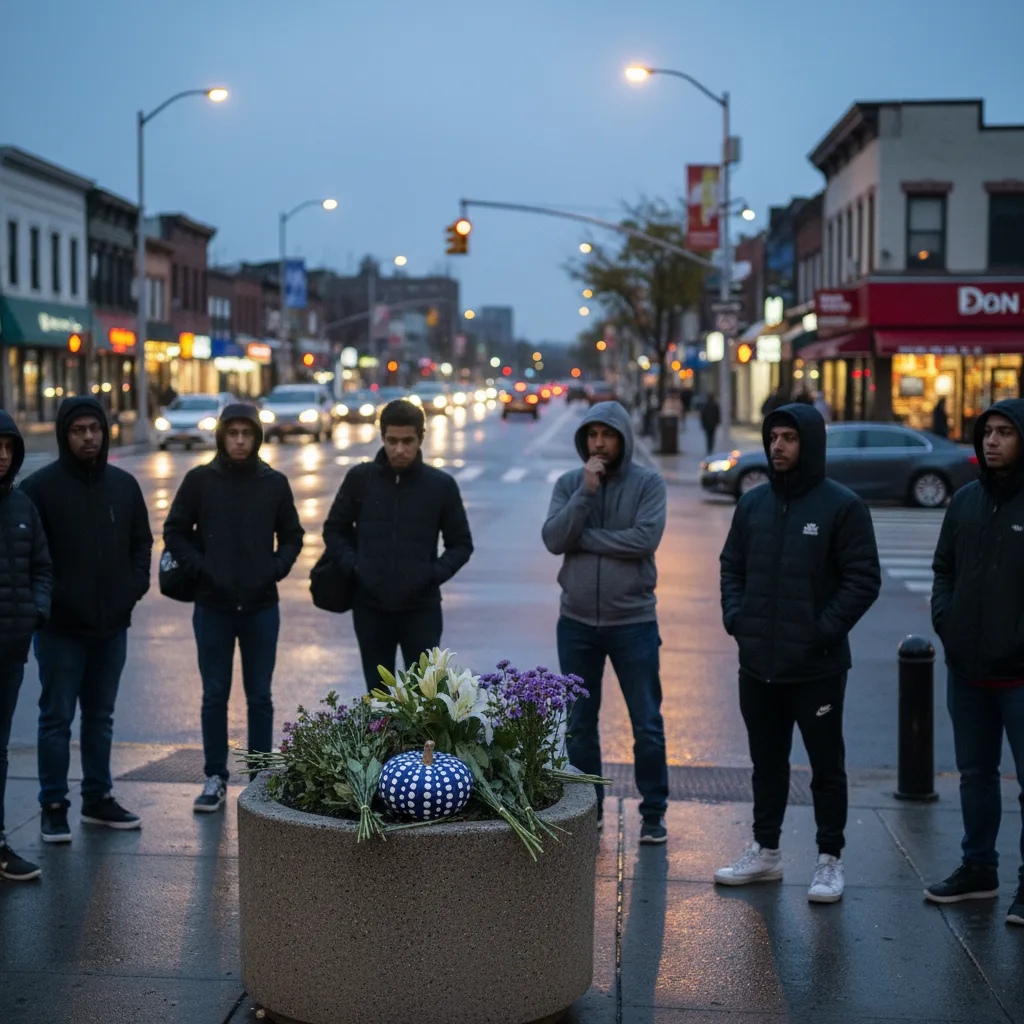
Cross Bay Boulevard Remembers Influential Pop Artist Yayoi Kusama After Death at 97
Cross Bay Boulevard residents mourn the passing of pop artist Yayoi Kusama at 97, reflecting on her accessible work and its impact on Queens' cultural scene.
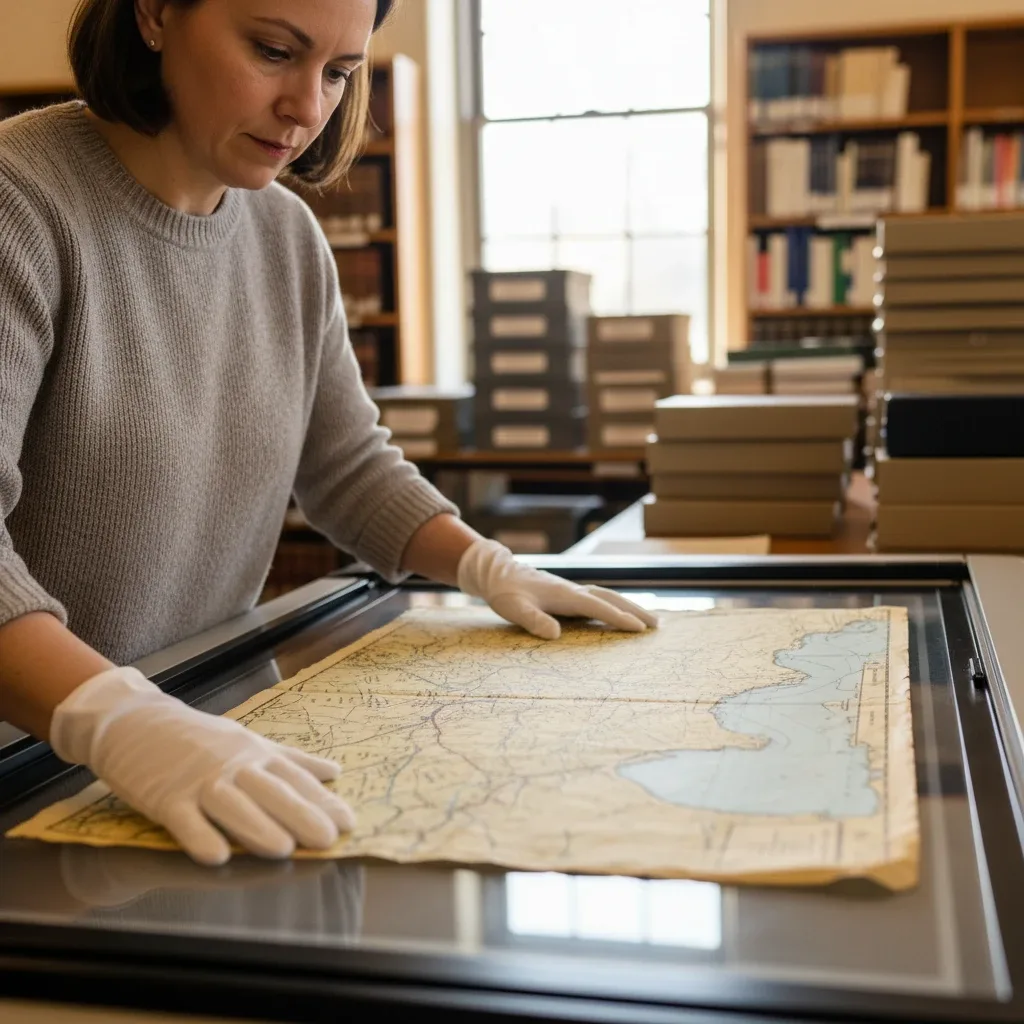
Local News Sites Queens Launch Regional Digital Preservation Archive
A coalition of local news sites in Queens debuts a digital database of historical community archives to preserve the heritage of the Rockaways.
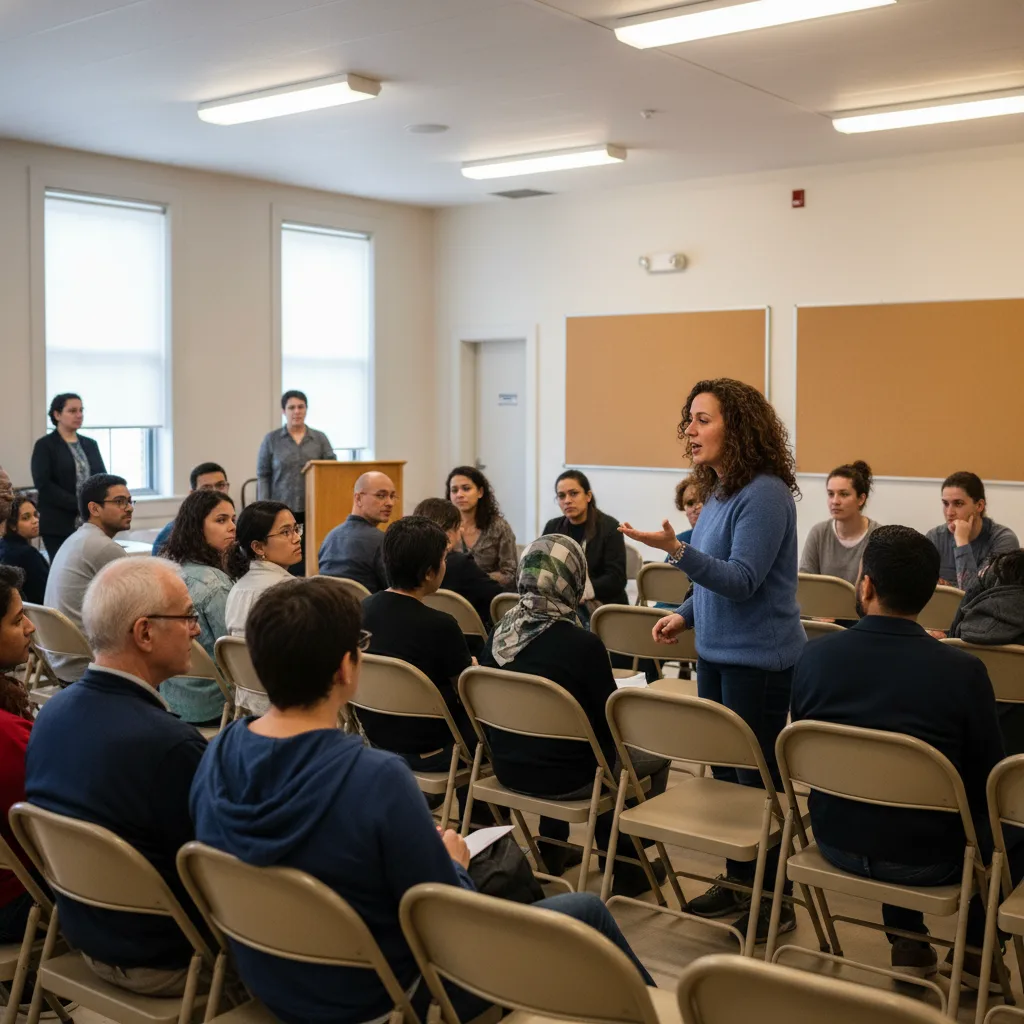
Cross Bay Boulevard Debates Trump's F-35 Sales to Saudi Arabia
Cross Bay Boulevard residents debate President Trump's F-35 jet sales to Saudi Arabia, weighing war, gas prices, and regional stability.
Cross Bay Boulevard Residents Incensed by New Epstein Lawsuit
Cross Bay Boulevard residents express anger and exhaustion following a new lawsuit against Jeffrey Epstein's estate over child pornography.
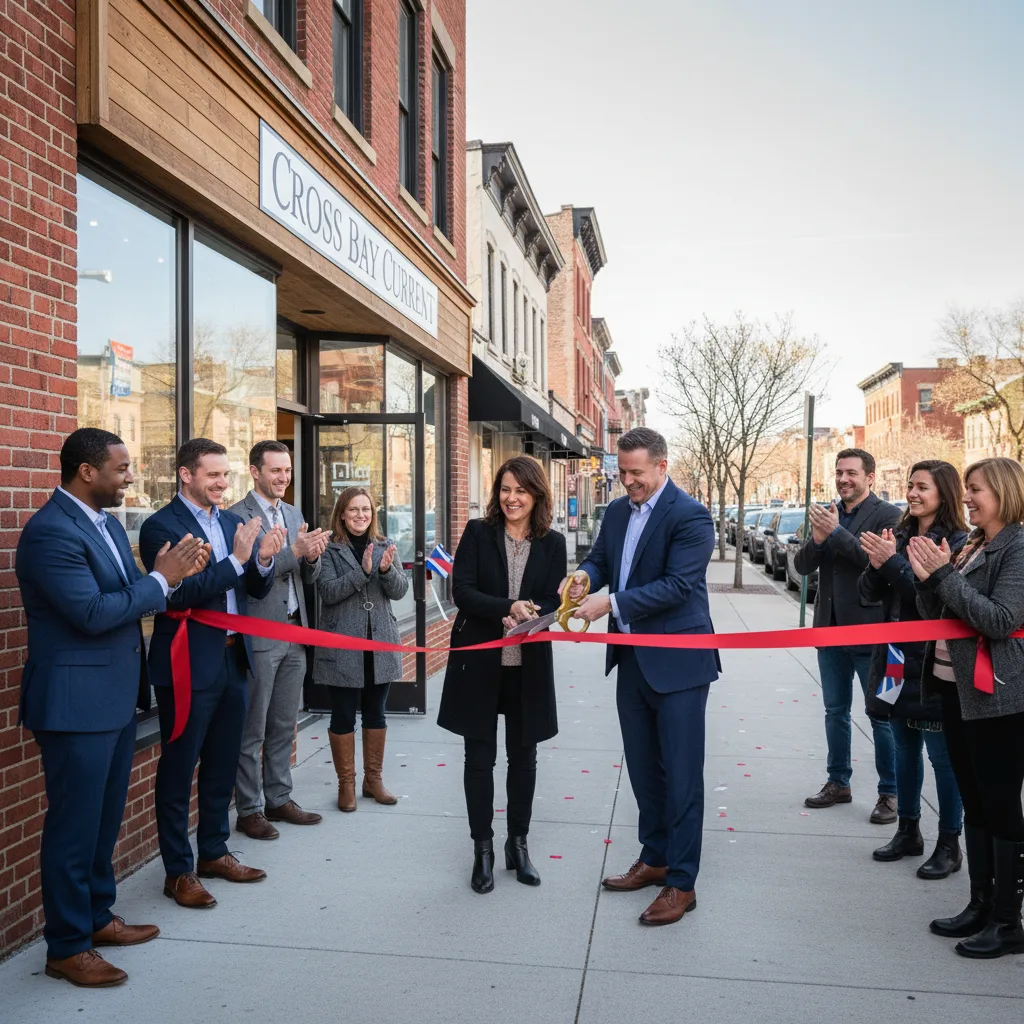
Cross Bay Boulevard Welcomes New Business with Grand Opening
A new business officially opened at 156-36 Cross Bay Boulevard with a ribbon-cutting ceremony on Friday, September 18, 2026, signaling local growth.