


New York Times Reports Rockaway Rebuilt Post-Sandy, Faces Nor'easter Damage

NEW YORK — In September of 2026, a nor’easter stripped so much sand from sections on the western end of the Rockaway beach that it left nearly a 10-foot cliff from the top of the dune to the beach in some areas. This significant erosion occurred despite extensive rebuilding efforts since Hurricane Sandy.
According to The Rockaway Times, the powerful storm highlighted the ongoing vulnerability of the Rockaway coastline to extreme weather events. The community has invested heavily in resilience measures, yet challenges persist.
Rockaway's Post-Sandy Rebuilding Efforts
Following the devastation of Hurricane Sandy in 2012, Rockaway embarked on a massive rebuilding and revitalization program. This included significant investments in coastal protection, infrastructure, and housing.
The aim was not only to restore the damaged areas but also to enhance the community's ability to withstand future storms. Many projects focused on strengthening dunes and beaches, crucial for buffering against ocean surges.
Nor'easter Causes Significant Beach Erosion
The September 2026 nor’easter brought severe conditions, leading to substantial erosion on the western end of Rockaway Beach. The formation of a 10-foot cliff from the dune to the beach indicates the intensity of the sand loss.
This erosion compromises the protective barrier that dunes provide against coastal flooding. Such events underscore the dynamic nature of coastal environments and the constant battle against natural forces.
Coastal Resilience Challenges for Rockaway Beach
The incident raises critical questions about the long-term effectiveness of current coastal resilience strategies. While significant progress has been made, the recent damage suggests that more robust solutions may be necessary.
Engineers and environmental scientists continually assess and adapt coastal protection methods. The challenge lies in designing systems that can withstand increasingly frequent and severe weather patterns. These efforts align with broader discussions about Jamaica Bay flood plan buyouts in vulnerable coastal areas.
Community Concerns Over Recurring Damage
Rockaway residents, who have witnessed multiple storm events, expressed renewed concerns about the recurring damage to their coastline. The emotional and financial toll of storm recovery can be substantial for beachfront communities.
There is a strong desire for permanent solutions that offer greater peace of mind and protection for homes and businesses. Many fear that without sustained investment, the cycles of damage and repair will continue indefinitely.
Future Strategies for Coastal Protection in Queens
City and federal agencies will likely review the impacts of the September 2026 nor'easter to inform future coastal protection strategies. This may involve re-evaluating current projects and exploring innovative engineering solutions.
Continued investment in beach nourishment, dune restoration, and potentially hard structures like seawalls remains a priority. Ensuring the long-term viability of Rockaway Beach against climate change is a complex, ongoing endeavor.
Frequently Asked Questions
What is a nor'easter and how does it impact coastal areas like Rockaway?
A nor'easter is a powerful storm characterized by strong northeasterly winds that bring heavy rain or snow, high waves, and coastal flooding. In coastal areas like Rockaway, these storms can cause severe beach erosion, damage to dunes, and significant property damage due to storm surge and strong winds.
What are some common methods used for coastal protection in areas like Rockaway Beach?
Common methods for coastal protection in areas like Rockaway Beach include beach nourishment, which involves adding sand to widen beaches, and dune restoration, which uses vegetation to stabilize natural barriers. Other measures can include constructing jetties, groins, and seawalls, though these hard structures can sometimes have environmental impacts.
Written by
Cross Bay Current Staff
Cross Bay Current
Related Articles
More in Environment →Howard Beach Residents Face Renewed Flood Threats This Week
Howard Beach residents faced renewed flood threats this week, experiencing inundated streets and property concerns on November 9, 2026. The recurring issue highlights urgent needs for infrastructure upgrades and increased preparedness in the low-lying Queens community.
NYC DOT Commissioner Flynn Unveils 40 Miles of New Greenway Plans
NYC Department of Transportation Commissioner Mike Flynn announced plans for 40 miles of new greenways across Queens on Monday, November 4, 2026.
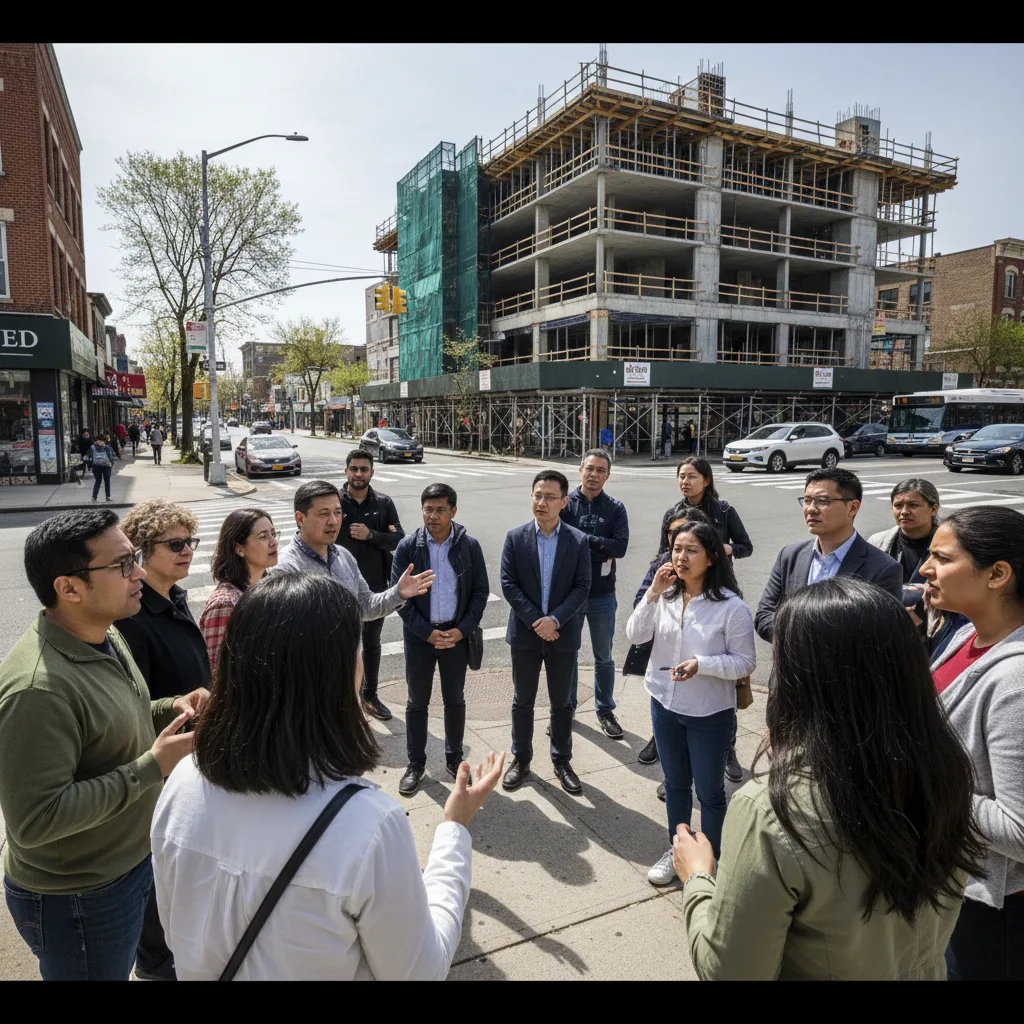
Rego Park Residents Express Concern Over Cross Bay Boulevard Development
Residents in Rego Park and surrounding areas have expressed concern regarding potential large-scale development plans along Cross Bay Boulevard in Queens.
New Overnight Detour and Lane Closures Impact Queens Drivers
Queens drivers will experience an overnight eastbound detour off the Roosevelt Avenue Bridge over the Van Wyck starting Wednesday, and Cross Island Parkway lane closures at the Hillside Avenue Bridge beginning Monday.
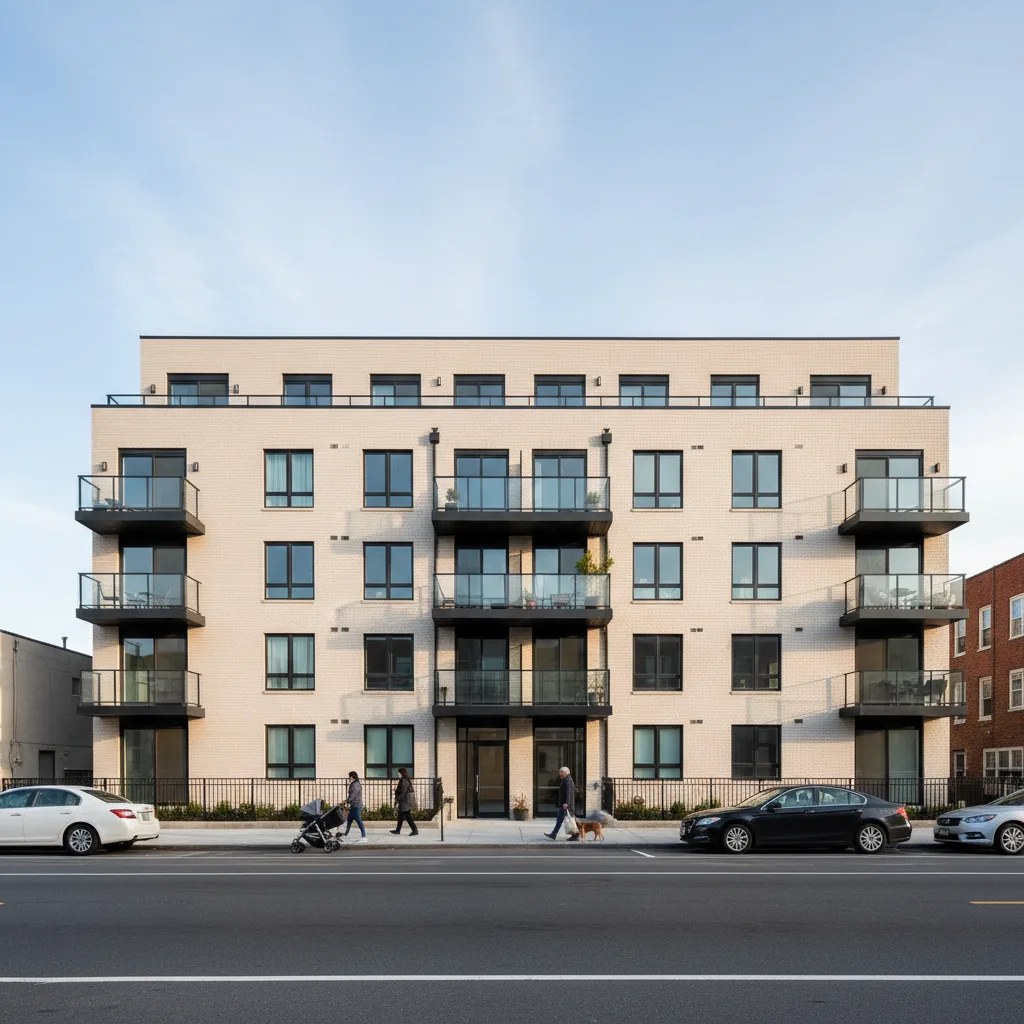
Far Rockaway Housing Lottery Opens for 15 Units at $2,713 Rent
New York City launched an affordable housing lottery for 15 units at 139 Beach 29th Street in Far Rockaway on November 12, 2026, with a monthly rent of $2,713.
68-Year-Old Driver Injures Two After Crashing Into Howard Beach Pizzeria
A 68-year-old driver crashed her BMW into New Park Pizza at Cross Bay Boulevard and 157th Street in Howard Beach on November 12, injuring two people.