


Saharan Dust Storm Turns Greek Skies Red, Cross Bay Boulevard Reacts

NEW YORK — A massive Saharan dust storm has painted the Greek sky blood red, triggering fierce winds and flash flooding that killed at least one person, captivating global attention. The rare weather event, dominating social feeds on March 20, 2026, has prompted significant discussion and concern among Cross Bay Boulevard locals, particularly those with Greek heritage from nearby Astoria.
The apocalyptic visuals of crimson skies and turbulent weather have gone viral, underscoring climate extremes and broadening patterns. In Queens, the news resonated deeply, leading to community action and shared observations about environmental changes. The stark images served as a vivid reminder of global interconnectedness and climate vulnerabilities.
Greek Diaspora Reacts with Concern and Solidarity
Cross Bay Boulevard locals, many of whom maintain strong ties to their ancestral homeland, have flooded Facebook groups with red-sky photos sent by family members back home in Greece. The imagery, reminiscent of scenes from dystopian films, sparked immediate worry for loved ones and the overall welfare of the region. This swift exchange of information highlights the strong bonds within the diaspora.
“My cousin sent me a picture, and it looked like Mars,” shared Eleni Pappas, a Howard Beach resident with family in Athens. “It’s terrifying to think of. We are all calling our families to make sure they are safe.” This immediate, personal connection to a global event demonstrates the unique fabric of Queens communities, reflecting its diverse populations.
Organizing Prayer Services and Community Support
In response to the distressing news, local Greek Orthodox churches, including St. Demetrios Church in Astoria, are organizing special prayer services for those affected by the dust storm and floods. These gatherings provide a space for community members to find solace and express solidarity. Such community actions are a hallmark of Queens' tight-knit ethnic groups, who frequently rally around international crises.
The churches serve as crucial hubs for disseminating information and coordinating support efforts, reflecting their important role beyond religious services. The outpouring of concern highlights the deep cultural and familial links that span oceans, connecting the local Queens neighborhoods directly to events unfolding thousands of miles away. This demonstrates the vitality of Queens community safety initiatives as they often extend to global community welfare.
Local Observations and Climate Change Discussions
The dramatic event has also sparked local discussions about climate change. Fishermen at Jamaica Bay parks, a short drive from Cross Bay Boulevard, are swapping stories of similar dust plumes they’ve witnessed in other parts of the world, blaming climate change over beers. These anecdotal accounts underscore a growing awareness of environmental shifts among long-time residents and outdoor enthusiasts.
Kids at playgrounds are drawing "red skies" pictures, inspired by the viral images, showing how quickly such compelling visuals can capture the imagination of even the youngest members of the community. Educators in local schools are reportedly using the event as a teachable moment about global weather patterns and environmental science. For more on Jamaica Bay wildlife conservation efforts, our environmental section provides details.
Expert Perspectives on Rare Weather Events
Experts link this rare weather event to broader patterns of climate change and extreme weather. Saharan dust storms, while not uncommon, are becoming more intense and widespread, affecting air quality and weather systems far beyond their origin. The combination of dust, fierce winds, and flash flooding points to a complex atmospheric phenomenon driven by warming global temperatures.
Climatologists warn that such events may become more frequent, impacting health, infrastructure, and agriculture. The event serves as a scientific case study, drawing attention to the urgency of addressing global warming. The discussions in Queens reflect a growing public understanding of these complex environmental issues and their potential future impacts, even on a local level.
Long-Term Implications and Preparedness
The long-term implications of such extreme weather events include desertification, changes in agricultural patterns, and increased respiratory health issues. Communities like those in Queens, with global ties, are increasingly aware of the need for both local and international preparedness strategies. This includes urban planning that accounts for changing weather conditions and increased support for international aid.
Frequently Asked Questions About Saharan Dust Storms
What causes a Saharan dust storm to reach Greece? Saharan dust storms occur when strong winds over the Sahara Desert lift vast quantities of sand and dust into the atmosphere. Prevailing winds, particularly during certain seasons, can then transport this dust across the Mediterranean Sea, reaching countries like Greece and beyond.
What are the health impacts of airborne dust? Airborne dust, especially from large storms, can pose significant health risks. Fine particulate matter can penetrate deep into the lungs, exacerbating respiratory conditions like asthma and bronchitis, and causing irritation to eyes and skin. Authorities often advise vulnerable populations to stay indoors during such events.
Is this type of event becoming more common due to climate change? While Saharan dust storms are natural phenomena, some climate models suggest that climate change could influence their frequency, intensity, and geographical reach. Factors like altered wind patterns, increased desertification, and changes in atmospheric stability could contribute to more dramatic dust transport events.
Written by
Newstrix
Cross Bay Current
Related Articles
More in Environment →
Queens Residents Discuss Nepal-China Flood Devastation
Queens residents on Cross Bay Boulevard discuss Nepal-China floods, drawing parallels to local concerns over flood-prone areas and storm preparedness.
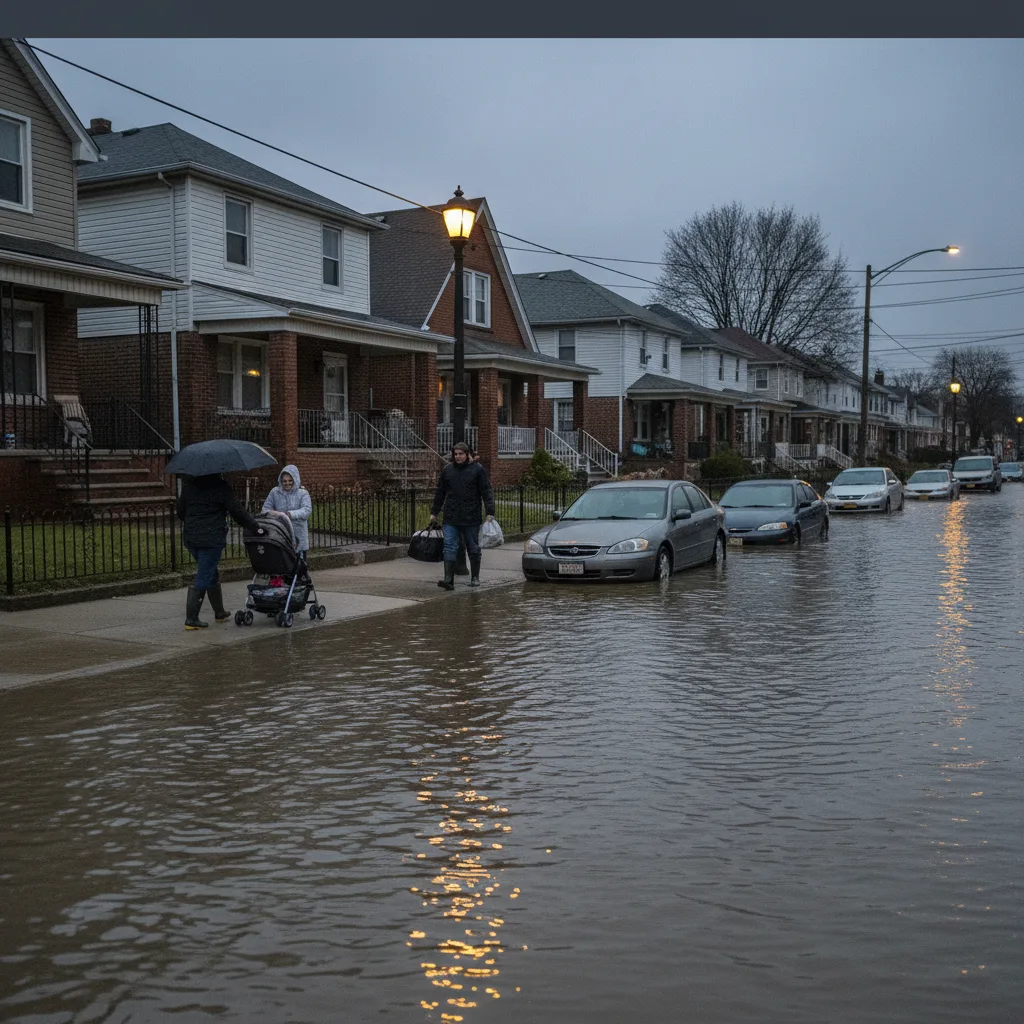
Howard Beach Tackles Rising Tides, Coastal Flooding Concerns 2026
Howard Beach is battling rising tides and coastal flooding this week, as full and new moons combine with rain to inundate neighborhoods like Old Howard Beach, Queens. The community mobilizes against the ongoing water challenges.
Cross Bay Boulevard Residents Discuss Global Flood Preparedness
Cross Bay Boulevard residents are discussing the Nepal-China floods, prompting local concerns about flood preparedness and NYC's infrastructure in coastal areas.
Cross Bay Boulevard Families Concerned Over Nepal Flood Casualties
Queens residents along Cross Bay Boulevard are deeply concerned about the Nepal-China flood disaster, prompting local discussions on emergency preparedness and infrastructure.
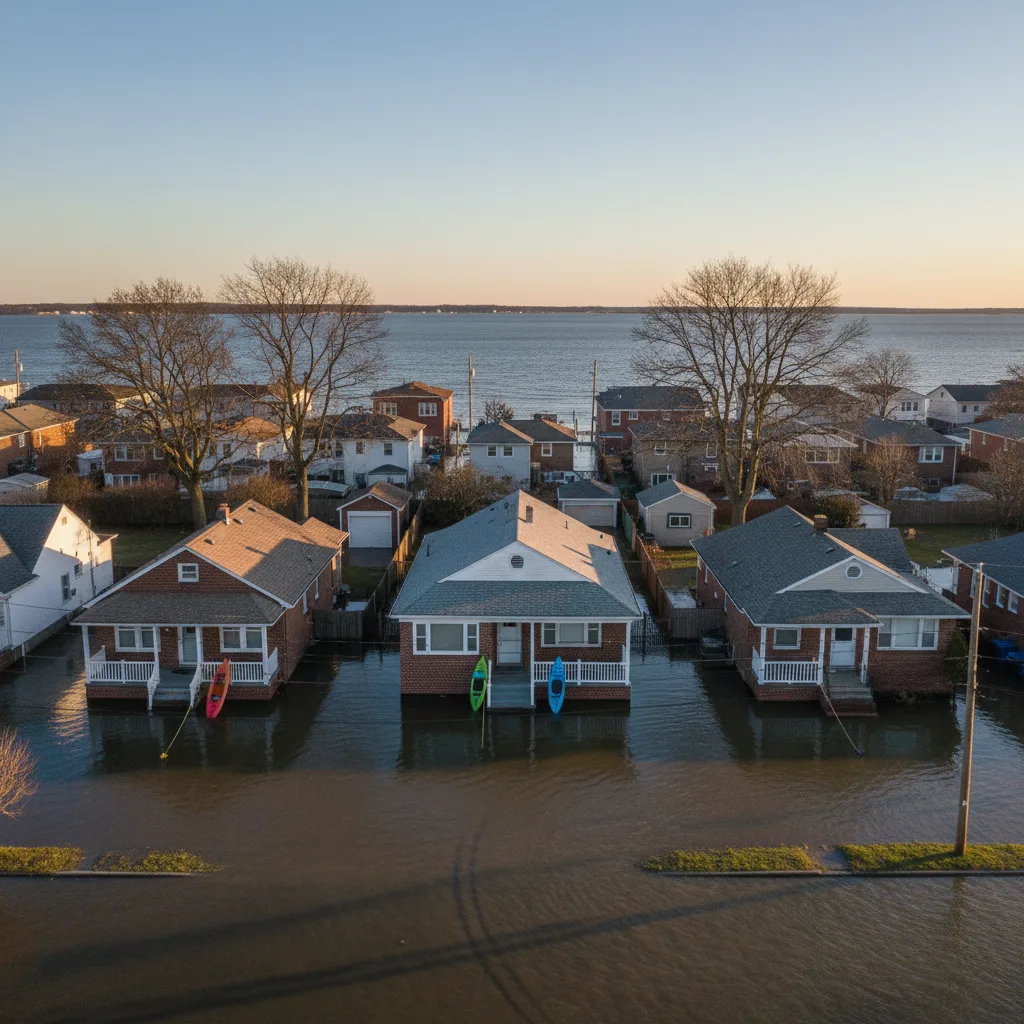
Queens Neighborhoods Targeted for Voluntary Flood Buyout Programs
Vulnerable Queens neighborhoods, including those along Cross Bay Boulevard, may be targeted for voluntary flood buyout programs by the city. This addresses rising extreme weather concerns.
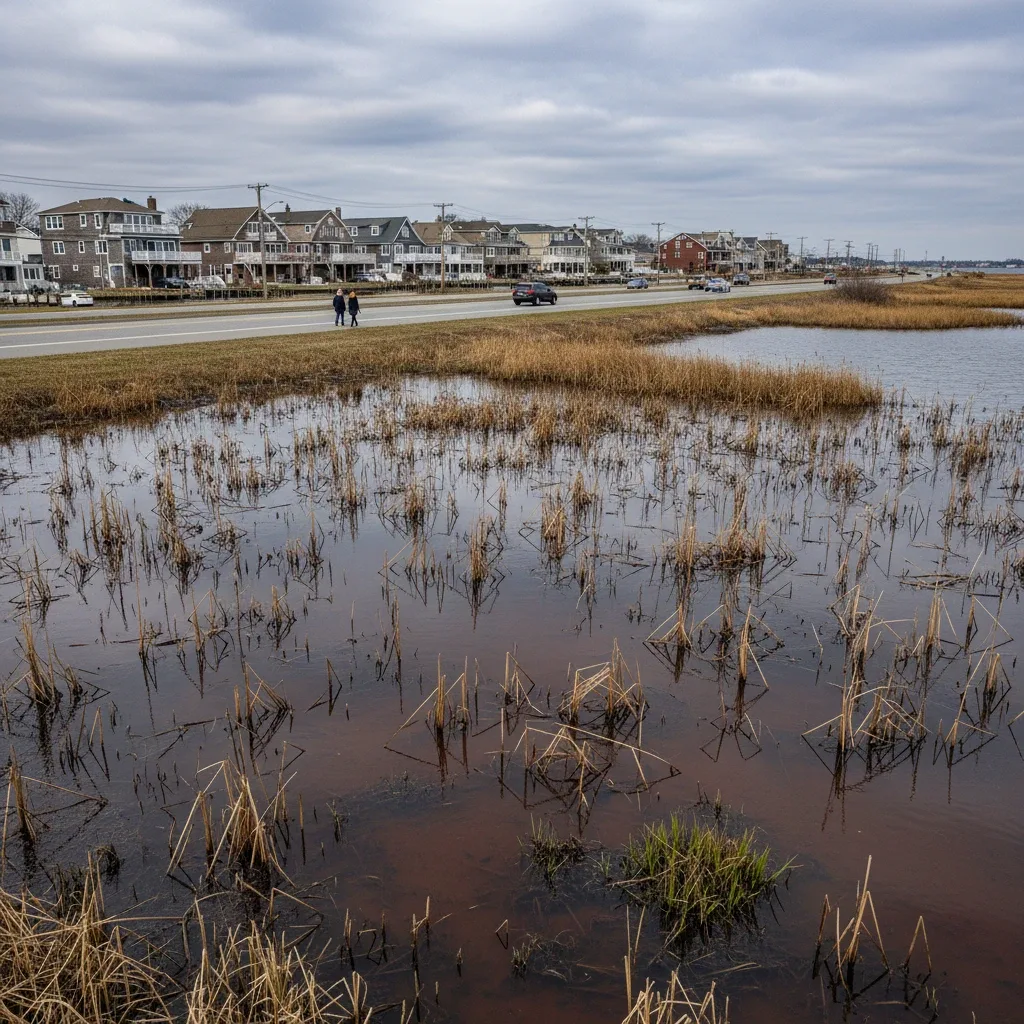
Environmental Concerns Emerge Near Cross Bay Boulevard, Queens 2026
A report by New York Focus and Queens Daily Eagle uncovered pressing environmental concerns near Cross Bay Boulevard, affecting residents and ecosystems in Queens.