


SCOTUS Birthright Citizenship Case Deepens Cross Bay Boulevard Debate

NEW YORK — The United States Supreme Court's decision to hear a pivotal case on birthright citizenship has ignited intense discussions and profound anxiety within the diverse communities of Cross Bay Boulevard in Queens. This hot-button issue, which challenges a fundamental interpretation of the 14th Amendment, is drawing massive national attention and is featured prominently in front-page news. Its potential implications for families born in the U.S. to non-citizen parents are particularly keenly felt in immigrant-rich neighborhoods.
This constitutional debate, following recent filings, could significantly alter long-standing immigration policies, prompting widespread concern among residents. In vibrant areas like Lindenwood, immigrant families at Rockaway Boulevard parks are anxiously discussing the ruling over coffee, fearing the potential impact on their children and grandchildren. Community centers across Queens are hosting impromptu talks to address these concerns, while local politicians are canvassing streets to gauge public opinion.
Cross Bay Boulevard Communities Brace for Impact
The issue of birthright citizenship resonates deeply within the varied cultural tapestry of Cross Bay Boulevard and its surrounding neighborhoods. Many families have built their lives in Queens under the assumption that children born on U.S. soil are automatically citizens, a principle enshrined in the 14th Amendment. The Supreme Court’s review of this principle introduces a layer of uncertainty that profoundly affects their sense of security.
Local residents, particularly those with immigrant backgrounds, are closely following the proceedings. There is a palpable sense of apprehension about how a potential shift in constitutional interpretation could redefine citizenship and impact generations. The discussions reflect a community deeply invested in the outcome of this national debate.
Voices from Diverse Neighborhoods Echo Concern
In Lindenwood, a neighborhood known for its rich cultural diversity, the Supreme Court's decision to hear the birthright citizenship case is a primary topic of conversation. Rosa, a long-time Queens resident whose family immigrated decades ago, expressed her profound concern: “This hits home for my grandkids born here! Their future depends on this ruling.” Her words encapsulate the fear felt by many.
Similar sentiments are heard from families gathering in Rockaway Boulevard parks and local eateries. Community centers are becoming vital hubs for information and support, organizing informal discussions to help residents understand the complex legal arguments. These gatherings provide a platform for collective anxiety and mutual support among those who could be most affected.
Political and Advocacy Responses in Queens
Local politicians across Queens have quickly responded to the heightened community concern, recognizing the significant impact this issue has on their constituents. Many have begun canvassing streets, holding town hall meetings, and engaging with residents to understand their perspectives. The political landscape around Cross Bay Boulevard is charged with opinions split between "protect our rights" chants and concerns over border security.
Advocacy groups are mobilizing, organizing informational sessions, and preparing for various legal and community responses depending on the Supreme Court’s final ruling. They emphasize the importance of civic engagement and ensuring that the voices of affected communities are heard at all levels of government. The case has become a central point for local political discourse.
Historical Context of Immigration in the Borough
Queens has always been a melting pot, with a long and storied history of immigration that has shaped its identity and demographics. The borough is home to countless families who have arrived from every corner of the globe, seeking new opportunities and building lives. The concept of birthright citizenship has been a cornerstone for many of these families, offering a clear path to integration and stability.
Historically, the 14th Amendment's citizenship clause has been interpreted to grant citizenship to virtually everyone born in the United States, regardless of their parents' legal status. This interpretation has allowed generations of immigrant families to establish deep roots and contribute to the vibrant cultural and economic fabric of Queens. Any alteration to this understanding would represent a significant departure from established precedent, impacting the very foundation of immigration in the borough.
Navigating Legal Uncertainties and Future Implications
As the Supreme Court proceeds with hearings, legal experts are closely analyzing the arguments, which range from textual interpretations of the 14th Amendment to historical intent. The outcome could lead to a monumental shift in how citizenship is defined in the United States, with wide-ranging implications for immigration policy, public services, and political representation. The legal uncertainties are creating considerable stress for many.
For residents along Cross Bay Boulevard, understanding the potential legal ramifications is crucial for future planning. Community leaders and legal aid organizations are preparing to offer guidance and support, regardless of the ruling, to help families navigate any new legal landscapes. The entire community awaits the Supreme Court’s decision with bated breath, knowing it could fundamentally alter the lives of many within Queens. Explore discussions on birthright citizenship.
Common Concerns About Birthright Citizenship Changes
Many residents, particularly in areas like Cross Bay Boulevard, frequently ask what a change to birthright citizenship might mean for their families. A modification could potentially alter the citizenship status of future children born in the U.S. to non-citizen parents, impacting their access to education, healthcare, and other public services. It could also create legal complexities for families with mixed citizenship statuses, leading to increased anxiety and uncertainty about their residency and legal standing. Community members are advised to stay informed through reliable legal resources and local advocacy groups, which often provide updates and support. Understanding the historical context and legal arguments surrounding the 14th Amendment is crucial for grasping the potential long-term societal and economic implications of such a significant policy shift.
Written by
Newstrix
Cross Bay Current
Related Articles
More in Community →
9/11 Victims' Families Criticize Saudi Arabia, U.S. Leaders at 25th Anniversary
9/11 victims' families criticized Saudi Arabia and U.S. leaders on the 25th anniversary, reigniting accountability questions. Cross Bay Boulevard residents mark the day with personal reflection.
Queens Residents Share Sympathy for Philippines Ferry Fire Victims
Queens residents on Cross Bay Boulevard share sympathy for victims of the Philippines ferry fire, with 5 dead and 86 missing, sparking local concern.
Eiffel Tower Workers Strike Over Hindu Group's Gender Exclusion Claim
Eiffel Tower workers are striking over claims women were excluded from a Hindu group's event, sparking debate on Cross Bay Boulevard about fairness and discrimination.
Your Guide to Queens Center Mall in 2026
Explore everything you need to know about visiting Queens Center Mall in 2026, including tips on shopping, dining, events, and getting there.

Far Rockaway NYCHA Residents Decry Negligent Conditions
Far Rockaway NYCHA residents on Beach 40th Street decry negligent living conditions, citing persistent mold and pest issues. Local officials urge prompt action.
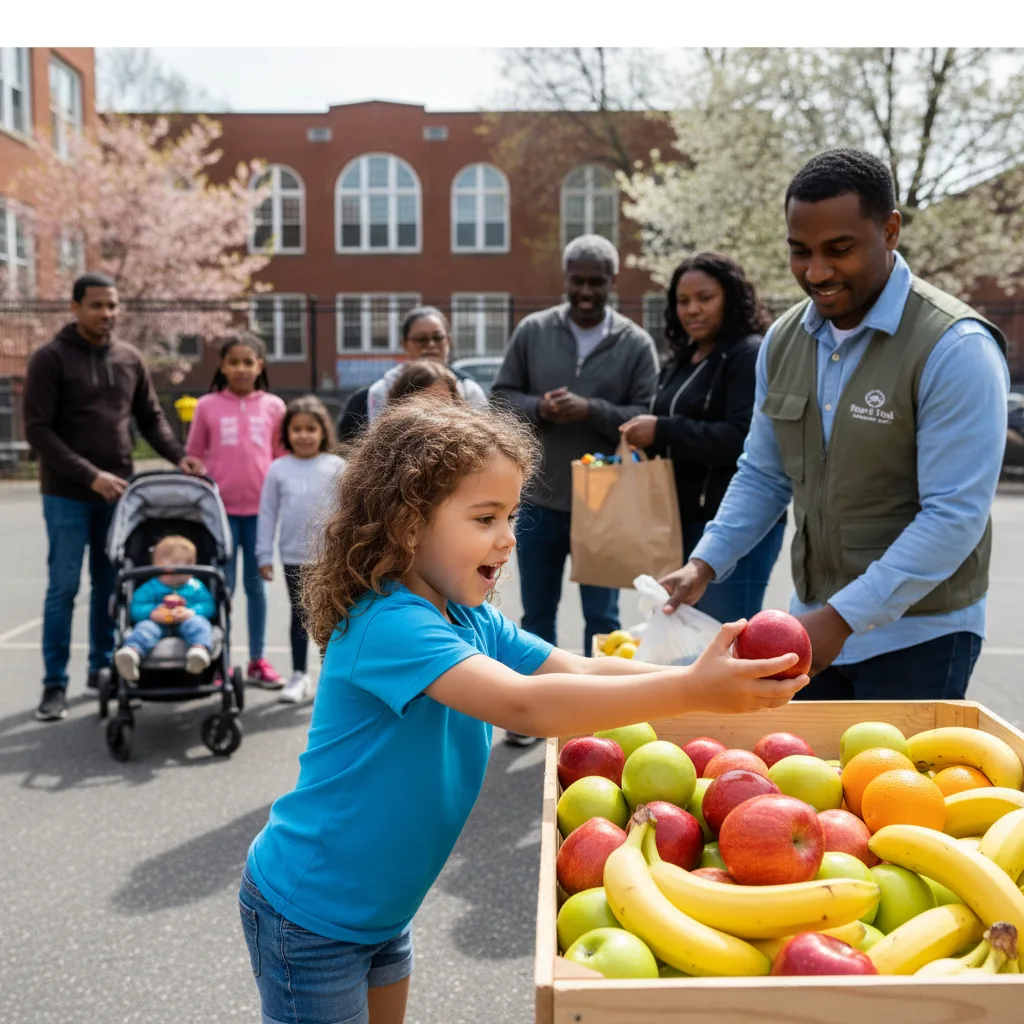
South Queens News Updates: River Fund Fights Child Poverty
The River Fund continues its vital fight against child poverty in South Queens, providing essential resources and support to vulnerable families. Their ongoing efforts address significant socioeconomic challenges and highlight the importance of community involvement.