


South Asian Communities in Queens Discuss India Education Protests
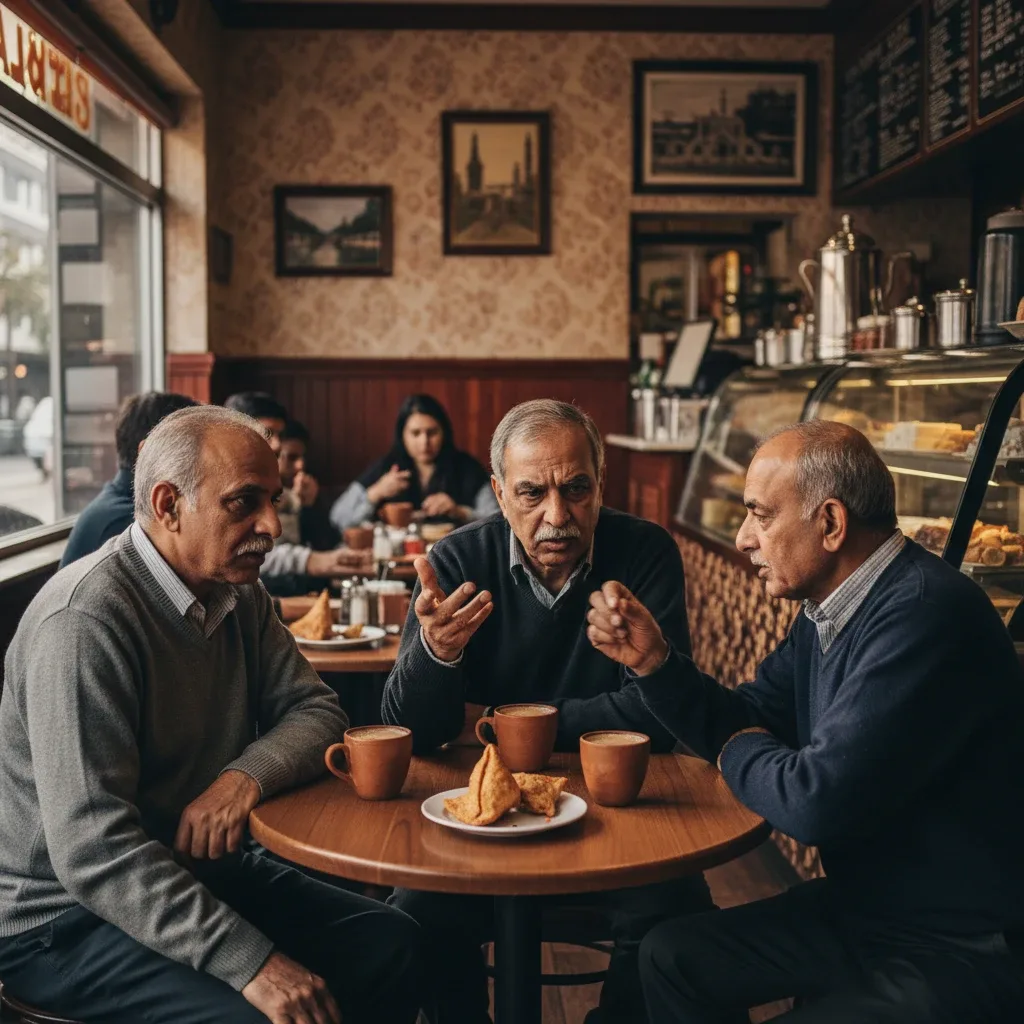
NEW YORK — South Asian communities across Queens are closely following news of thousands of mostly young people marching on India’s parliament this week, demanding significant changes to the nation's education system. The protests, widely reported by BBC, highlight deep-seated frustrations over job prospects and academic opportunities.
Local Discussions on Education Pressure in Queens
In neighborhoods like those surrounding Cross Bay Boulevard, residents with strong ties to India are actively discussing the implications of these protests. Conversations in local cafes, temples, and shops often touch upon the pressures faced by students, both abroad and within Queens' educational landscape.
This dialogue reflects broader concerns about the future for young people, including access to quality schooling and pathways to stable employment. Many families in Queens send money back to India to support relatives' education, making these reforms a personal issue.
Youth-Led Movement and Global Significance
The protests in India are particularly notable for their scale and their youth-led character, which has made them a major global story. They underscore a wider international trend where young populations are increasingly vocal about governmental accountability concerning jobs, education, and social mobility.
"It's not just about India; it's about young people everywhere feeling the squeeze," said Professor Anil Sharma, a sociology lecturer at Queens College. Sharma noted that students in Queens often face similar anxieties about tuition costs and post-graduation job markets, making the Indian protests resonate deeply.
Comparing Educational Challenges Across Borders
While the specific contexts differ, many in the Cross Bay Boulevard area draw parallels between India's educational challenges and those within the New York City school system. Topics like rising tuition fees, competitive job markets, and the need for relevant skills training are common points of discussion.
This comparative perspective often surfaces during community gatherings and family discussions. For many immigrant families, ensuring their children receive a strong education is a primary driver for their presence in Queens, creating a direct link to the issues unfolding overseas.
Potential Impact on Immigration and Student Futures
The outcomes of these education reforms in India could also have long-term implications for immigration patterns to the United States, including Queens. A more stable and opportunity-rich educational environment in India might influence decisions about studying or working abroad.
Conversely, continued dissatisfaction could further drive students to seek opportunities elsewhere, potentially increasing the influx of international students and skilled workers to areas like Queens. This dynamic adds another layer of local relevance to the unfolding events in India.
Community Response and Solidarity in Cross Bay Boulevard
Local South Asian community leaders along Cross Bay Boulevard have expressed solidarity with the student protestors. They emphasize the importance of access to equitable education and economic opportunities for all young people, irrespective of their geographic location.
This sentiment is often expressed in cultural centers and religious institutions, where community members gather to share news and offer support. These local conversations highlight the interconnectedness of global events with the daily lives of Queens residents. For local residents, seeing other communities organize around shared struggles is a recurring theme, similar to discussions that took place regarding Cross Bay Boulevard residents rally for Ukraine amidst Kyiv missile attack.
Frequently Asked Questions
How do education pressures in India compare to those faced by students in Queens?
Students in both India and Queens face significant pressures related to educational costs, access to quality institutions, and the competitiveness of the job market upon graduation. While India’s protests focus on systemic reforms and job opportunities for a vast youth population, Queens students often grapple with high university tuition, student loan debt, and the need for specific skills to thrive in New York City’s diverse economy. Both scenarios underscore a global challenge in aligning education with economic realities.
Where can Queens residents find reliable updates on the India education protests?
Queens residents seeking reliable updates on the India education protests can refer to international news organizations such as BBC, Reuters, and The Times of India. These outlets provide comprehensive coverage and often feature perspectives from students and officials involved. Local community groups and cultural organizations in the Cross Bay Boulevard area also frequently share information and discuss the latest developments, serving as important hubs for community-specific insights.
What role do family and community discussions play in understanding these protests locally?
Family and community discussions are crucial for understanding the impact of these protests on a local level, particularly in Queens' South Asian neighborhoods. These conversations in homes, cafes, and community centers allow residents to share news, interpret events through a personal lens, and discuss how global issues affect their relatives and future generations. Such dialogues help contextualize the broader pressures on education and opportunity, fostering solidarity and informed perspectives among the diaspora.
Written by
Newstrix
Cross Bay Current
Related Articles
More in Community →
9/11 Victims' Families Criticize Saudi Arabia, U.S. Leaders at 25th Anniversary
9/11 victims' families criticized Saudi Arabia and U.S. leaders on the 25th anniversary, reigniting accountability questions. Cross Bay Boulevard residents mark the day with personal reflection.
Queens Residents Share Sympathy for Philippines Ferry Fire Victims
Queens residents on Cross Bay Boulevard share sympathy for victims of the Philippines ferry fire, with 5 dead and 86 missing, sparking local concern.
Eiffel Tower Workers Strike Over Hindu Group's Gender Exclusion Claim
Eiffel Tower workers are striking over claims women were excluded from a Hindu group's event, sparking debate on Cross Bay Boulevard about fairness and discrimination.

Your Guide to Queens Center Mall in 2026
Explore everything you need to know about visiting Queens Center Mall in 2026, including tips on shopping, dining, events, and getting there.

Far Rockaway NYCHA Residents Decry Negligent Conditions
Far Rockaway NYCHA residents on Beach 40th Street decry negligent living conditions, citing persistent mold and pest issues. Local officials urge prompt action.
South Queens News Updates: River Fund Fights Child Poverty
The River Fund continues its vital fight against child poverty in South Queens, providing essential resources and support to vulnerable families. Their ongoing efforts address significant socioeconomic challenges and highlight the importance of community involvement.