


Strait of Hormuz Crisis Spurs Cross Bay Boulevard Carpool Efforts

NEW YORK — The escalating crisis in the Strait of Hormuz, which has left 400 ships waiting and triggered global oil chaos, has directly prompted Cross Bay Boulevard residents to organize carpool sign-ups at the local library to combat potential fuel shortages and rising costs. This grassroots initiative reflects the community's proactive approach to mitigating the far-reaching impacts of international instability.
The global geopolitical situation, marked by Iran's control over the vital shipping lane and military threats, has created a ripple effect reaching directly into the daily lives of Queens families, influencing everything from school runs to local business operations.
Global Shipping Bottleneck Reaches Queens Doorsteps
Reports from CBS News confirm that approximately 400 cargo ships are currently stalled, unable to pass through the Strait of Hormuz due to Iran's asserted control and ongoing military threats. This severe bottleneck has sent global oil prices spiraling upwards, with economists warning of potential recession risks. The international chaos is no longer a distant headline for Cross Bay Boulevard families.
Parents in particular are voicing significant anxiety over the escalating costs of school runs on neighborhood WhatsApp groups. "It used to be a quick drop-off, now I'm calculating every mile," said Maria Elena Rodriguez, a mother of three from Howard Beach, while signing up for a carpool at the Queens Public Library branch on Cross Bay Boulevard. Her statement highlights the tangible financial strain on local households.
Community Organizes Carpool Solutions
In response to these anxieties, the Howard Beach branch of the Queens Public Library has become a central hub for carpool sign-ups. Community volunteers are coordinating efforts to match residents with similar commutes, aiming to reduce individual fuel consumption. Over 50 residents registered for the carpool program within the first two days of its announcement, demonstrating a strong community spirit.
This initiative helps alleviate the burden of increased gas prices, which have already surged above $4 per gallon in the area, while also fostering stronger neighborhood connections. The library staff reported an unprecedented level of interest in the program, quickly depleting their initial supply of sign-up sheets. They are now working to digitalize the process to accommodate more participants.
Bodega Owners Report Shifts in Consumer Behavior
Local bodega owners along Cross Bay Boulevard are observing noticeable shifts in consumer behavior. With residents cutting down on driving, many are making fewer trips to larger supermarkets and instead relying more on local corner stores for essentials and snacks. "People are walking more, buying smaller amounts more frequently," noted Mr. Kim, owner of a bodega near 160th Avenue. He pointed out lines for snacks and bottled water are visibly longer.
Discussions among patrons in bodegas and on park benches frequently revolve around the global situation. While some blame President Trump's foreign policy, others praise his firm stance, indicating a diverse range of opinions within the community. Regardless of political leanings, the shared experience of economic pressure unites residents in finding practical solutions. These local observations underscore the immediate impact of global events on daily commerce.
Local Businesses Adapt to New Economic Realities
Beyond consumer habits, small business support initiatives are becoming more critical as local businesses like auto shops see a boom in fuel-efficiency tune-ups. Residents are investing in vehicle maintenance to maximize their gas mileage, reflecting a practical adaptation to the ongoing squeeze. Mechanics reported a 20% increase in requests for engine diagnostics and tire pressure checks over the past week.
Similarly, local eateries and delivery services are exploring more efficient routing for their drivers and encouraging customers to utilize pickup options rather than delivery. These adaptations showcase the resilience and ingenuity of the Cross Bay Boulevard business community in navigating challenging economic conditions. Even environmental concerns in Jamaica Bay are briefly linked to less vehicle usage.
International Implications and Local Resilience
The crisis in the Strait of Hormuz has prompted a 35-nation meeting, notably excluding the U.S., to discuss global oil stability. This diplomatic landscape underscores the complexity of the situation and its widespread international ramifications. Despite the global scale of the problem, the Cross Bay Boulevard community is focusing on local, actionable solutions.
Residents demonstrate a strong sense of community and self-reliance, turning to each other for support in navigating these uncertain times. The carpool program is just one example of how a Queens neighborhood mobilizes to face global challenges collectively. This collective action highlights the enduring spirit of local communities in the face of broader economic pressures.
Frequently Asked Questions About the Hormuz Crisis and Local Impact
Residents on Cross Bay Boulevard often ask about the number of ships currently affected by the Strait of Hormuz crisis. Reports from CBS News indicate that approximately 400 cargo ships are currently stalled and waiting to pass through the Strait. This significant backlog is a primary factor contributing to global oil price hikes and supply chain disruptions, directly impacting local fuel costs and goods availability.
Regarding how the carpool program at the library operates, residents can sign up at the Howard Beach branch of the Queens Public Library. Volunteers collect contact information and commuting details to match individuals heading in similar directions. The goal is to facilitate shared rides for school, work, or errands, thereby reducing individual fuel consumption and alleviating financial strain. The program relies on community trust and cooperation.
For local businesses adapting to the fuel crisis, many are implementing new strategies. Auto shops are seeing increased demand for fuel-efficiency tune-ups, while delivery services are optimizing routes and encouraging customer pickups. Local bodegas note shifts in consumer purchasing patterns, with more frequent, smaller local purchases replacing larger trips to distant supermarkets. These adaptations aim to maintain economic viability amidst the challenges.
Written by
Newstrix
Cross Bay Current
Related Articles
More in Community →
9/11 Victims' Families Criticize Saudi Arabia, U.S. Leaders at 25th Anniversary
9/11 victims' families criticized Saudi Arabia and U.S. leaders on the 25th anniversary, reigniting accountability questions. Cross Bay Boulevard residents mark the day with personal reflection.
Queens Residents Share Sympathy for Philippines Ferry Fire Victims
Queens residents on Cross Bay Boulevard share sympathy for victims of the Philippines ferry fire, with 5 dead and 86 missing, sparking local concern.
Eiffel Tower Workers Strike Over Hindu Group's Gender Exclusion Claim
Eiffel Tower workers are striking over claims women were excluded from a Hindu group's event, sparking debate on Cross Bay Boulevard about fairness and discrimination.
Your Guide to Queens Center Mall in 2026
Explore everything you need to know about visiting Queens Center Mall in 2026, including tips on shopping, dining, events, and getting there.

Far Rockaway NYCHA Residents Decry Negligent Conditions
Far Rockaway NYCHA residents on Beach 40th Street decry negligent living conditions, citing persistent mold and pest issues. Local officials urge prompt action.
South Queens News Updates: River Fund Fights Child Poverty
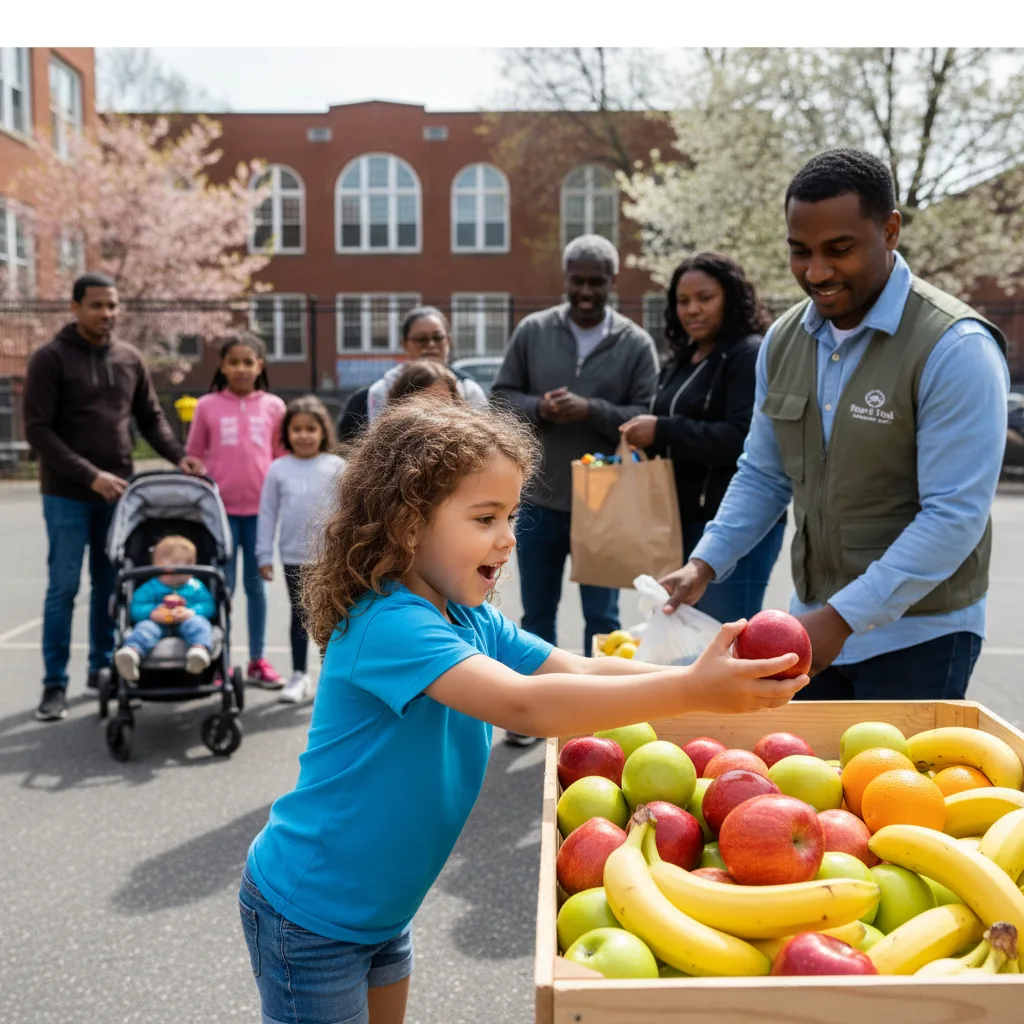
The River Fund continues its vital fight against child poverty in South Queens, providing essential resources and support to vulnerable families. Their ongoing efforts address significant socioeconomic challenges and highlight the importance of community involvement.