


Supreme Court Ruling on Race-Based Maps Impacts Queens Redistricting Future

NEW YORK — The recent US Supreme Court decision restricting the use of race-based voting maps is sending ripples through Queens neighborhoods, sparking immediate discussions among civil rights advocates and community organizers. This landmark ruling, issued on April 30, 2026, has significant implications for how electoral districts, including those around Cross Bay Boulevard, could be redrawn.
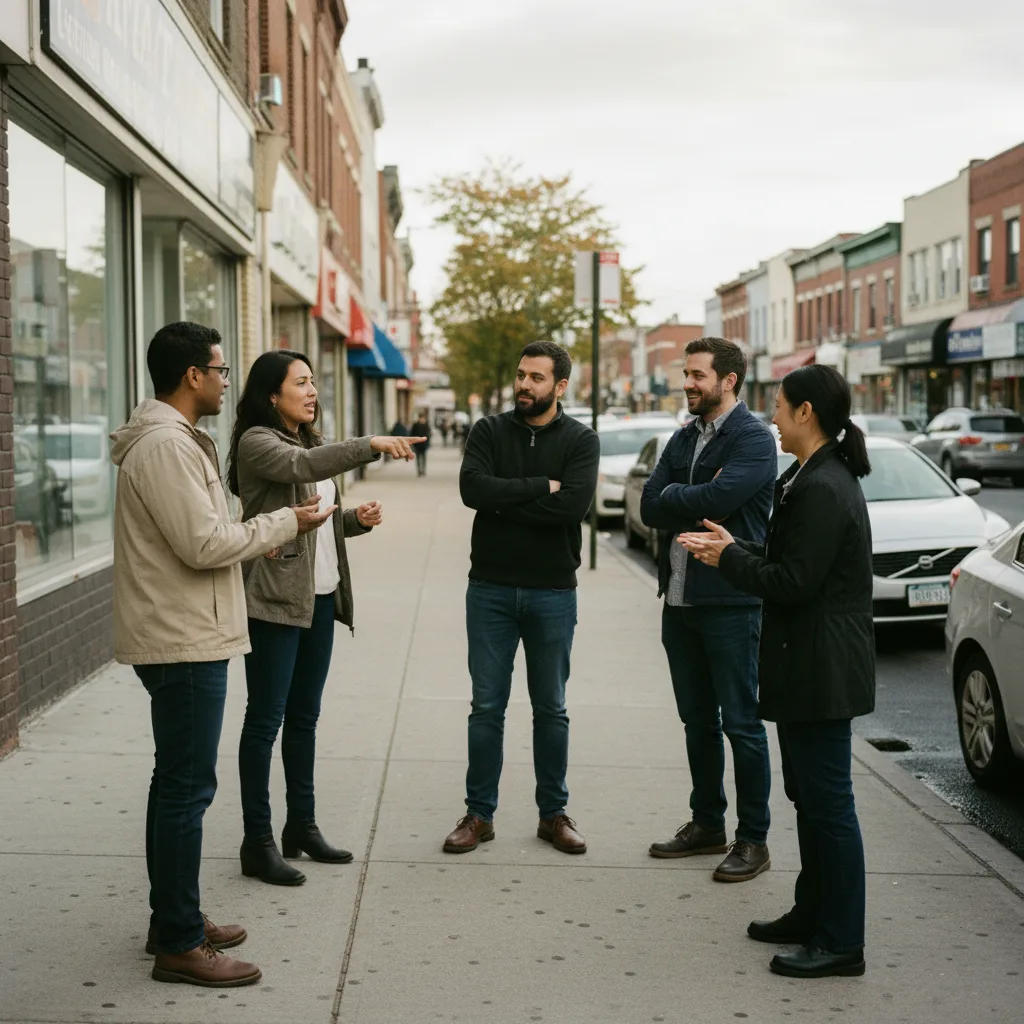
Local leaders are quickly convening meetings to assess the decision's potential impact on minority representation in future elections. The ruling introduces new complexities into the already contentious process of redistricting, particularly in a diverse borough like Queens.
Local Advocates Convene Emergency Meetings
In the immediate aftermath of the Supreme Court's ruling, civil rights advocates and community organizers across Queens began gathering to strategize. Groups like the Queens Civic Congress and the Asian American Legal Defense and Education Fund (AALDEF) are holding emergency discussions to decipher the ruling’s legal nuances. They want to understand precisely how the decision will constrain future redistricting efforts.
“This ruling could fundamentally alter how we ensure fair representation for our diverse communities,” stated John C. Liu, a former New York City Comptroller and prominent community leader. He highlighted the need for careful legal interpretation and robust advocacy to protect voting rights. The concerns are particularly acute in the many communities along Cross Bay Boulevard, which are home to significant minority populations. Residents are actively discussing this on social media, especially its potential effects on district's future redistricting.
Redistricting Process: A Shifting Legal Landscape
New York State’s redistricting process, which typically occurs every ten years after the census, is now operating within a dramatically altered legal landscape. The Supreme Court's decision places stricter limits on how race can be considered when drawing district lines, aiming to prevent what the court deems racial gerrymandering.
However, civil rights groups argue that explicitly ignoring race can lead to diluting minority voting power, making it harder for communities of color to elect their preferred candidates. This tension between preventing racial gerrymandering and ensuring equitable representation will define the next round of local electoral map drawing. The implications could affect local council seats and state assembly districts.
Community Concerns Along Cross Bay Boulevard
Residents in the Cross Bay Boulevard area and surrounding communities are expressing heightened concerns about what the Supreme Court ruling means for their political voice. Many fear that without the ability to consider race as a factor, districts could be drawn in ways that splinter established minority communities, weakening their collective influence.
Ms. Maria Sanchez, a community organizer in Ozone Park, noted, “Our neighborhoods are built on diversity. If our votes are diluted, our needs won’t be heard at City Hall or Albany.” She emphasized the urgency for local community boards, such as Community Board 10, to host public forums. These forums would educate residents and gather feedback on potential redistricting scenarios.
Impact on Minority Representation
The central fear among advocates is a potential decrease in minority representation in local elections. In Queens, where over 50% of the population identifies as a minority, ensuring fair and effective representation is a long-standing battle. Past redistricting cycles have often been contentious, with legal challenges frequently arising.
Legal experts are advising that future redistricting commissions must navigate a very narrow path. They must avoid explicit racial considerations that violate the new Supreme Court standard, while simultaneously ensuring that the resulting maps do not inadvertently dilute minority voting strength. This is a fine line to walk, requiring meticulous planning and data analysis.
Calls for Public Engagement and Advocacy
In light of the ruling, community leaders are intensifying calls for greater public engagement in the redistricting process. They urge residents to attend community board meetings, civic association gatherings, and any public hearings related to electoral maps. Informed public input is seen as crucial to counter potential negative impacts of the Supreme Court decision.
Organizations are also planning workshops to help residents understand the legal framework and how to effectively advocate for their communities' interests. The goal is to empower residents of places like Howard Beach and Broad Channel to have a direct say in how their votes count. This proactive approach aims to safeguard the democratic process. Discussions on global issues like the US war in Iran are also happening locally, showcasing the interconnectedness of global and local concerns.
FAQ: Supreme Court Ruling and Queens Redistricting
What is the Supreme Court ruling about?
The US Supreme Court issued a landmark decision on April 30, 2026, that curtails the extent to which race can be considered when drawing electoral district maps. The ruling aims to prevent racial gerrymandering but has sparked concerns about its impact on minority representation.
How does this ruling affect Queens neighborhoods?
For Queens, a highly diverse borough, the ruling could complicate future redistricting efforts by limiting how racial demographics can be factored into drawing district lines. Civil rights advocates fear this could inadvertently dilute the voting power of minority communities along Cross Bay Boulevard and elsewhere.
What steps are local community leaders taking?
Local civil rights advocates and community organizers are holding emergency meetings to understand the ruling's implications. They are also calling for increased public engagement in the redistricting process, urging residents to attend forums and advocate for fair electoral maps to ensure continued representation.
Written by
Newstrix
Cross Bay Current
Related Articles
More in Government & Politics →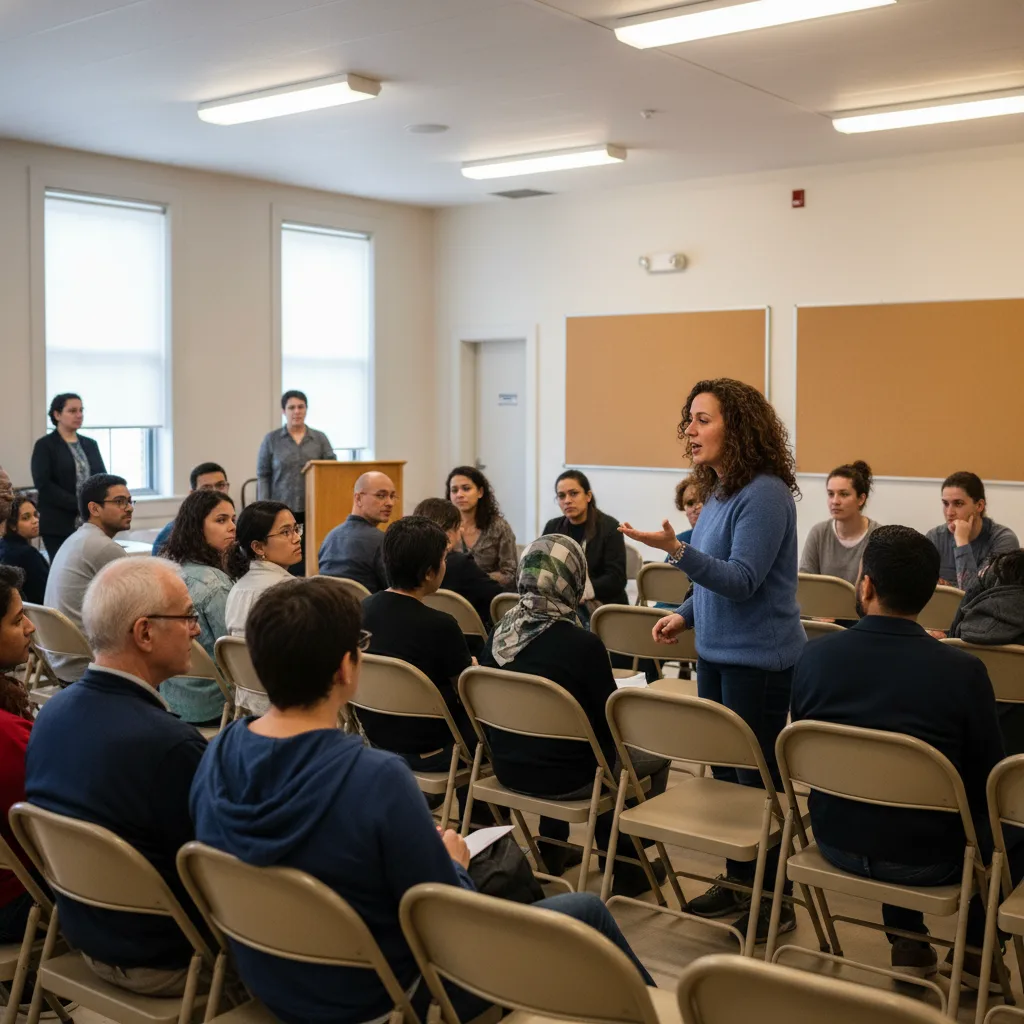
Cross Bay Boulevard Debates Trump's F-35 Sales to Saudi Arabia
Cross Bay Boulevard residents debate President Trump's F-35 jet sales to Saudi Arabia, weighing war, gas prices, and regional stability.
Cross Bay Boulevard Residents Concerned by Iran's Journalist Crackdown
Queens residents on Cross Bay Boulevard express anger and worry over Iran's crackdown on 240 dissidents and journalists, freezing assets and seizing property.
Turkish Police Raids Target LGBTQ+ Groups Ahead of Elections, Sparking Rights Concerns 2026
Turkish police launched raids targeting LGBTQ+ groups ahead of elections, intensifying a crackdown. This raises human rights concerns for Queens residents.
NYC Mayor Mamdani Condemns Houthi Attack on Saudi Base, Cites Global Shipping Risks
NYC Mayor Mamdani condemns Houthi attack on Saudi base, raising concerns about escalating global shipping disruptions and local economic impacts in Queens.

North Korea Fires Ballistic Missiles, Raises Queens Community Concerns
North Korea fired ballistic missiles, raising security concerns. Queens residents, especially along Cross Bay Boulevard, discuss family safety and tensions.
White House Halts Over $1 Billion Ukraine Aid, Sparks Queens Debate
White House halted over $1 billion in Ukraine aid, sparking debate over U.S. policy and war trajectory. Cross Bay Boulevard residents voice concerns about global impact.