


US Lifts Russian Oil Sanctions, Queens Residents Express Fury 2026

NEW YORK — The United States announced on March 14, 2026, a decision to ease sanctions on Russian oil for a 30-day period, citing efforts to curb skyrocketing global oil prices amid the ongoing Iran war. This move, intended to stabilize energy markets, has drawn immediate fury from European Union leaders and stark warnings from Ukrainian President Volodymyr Zelenskyy. Critics argue the decision effectively provides Russia with billions for its war chest, undermining efforts to support Ukraine.
Despite global oil reserves being released, markets have failed to stabilize, prompting the controversial U.S. policy shift. The lifting of sanctions coincides with Al-Quds Day protests in Tehran and waning American public support for the protracted Iran conflict. Economically, Canada’s economy shed 84,000 jobs, partly attributed to the fallout from these international events, according to recent reports. More details on this decision are available on YouTube.
Cross Bay Boulevard Residents Voice Betrayal
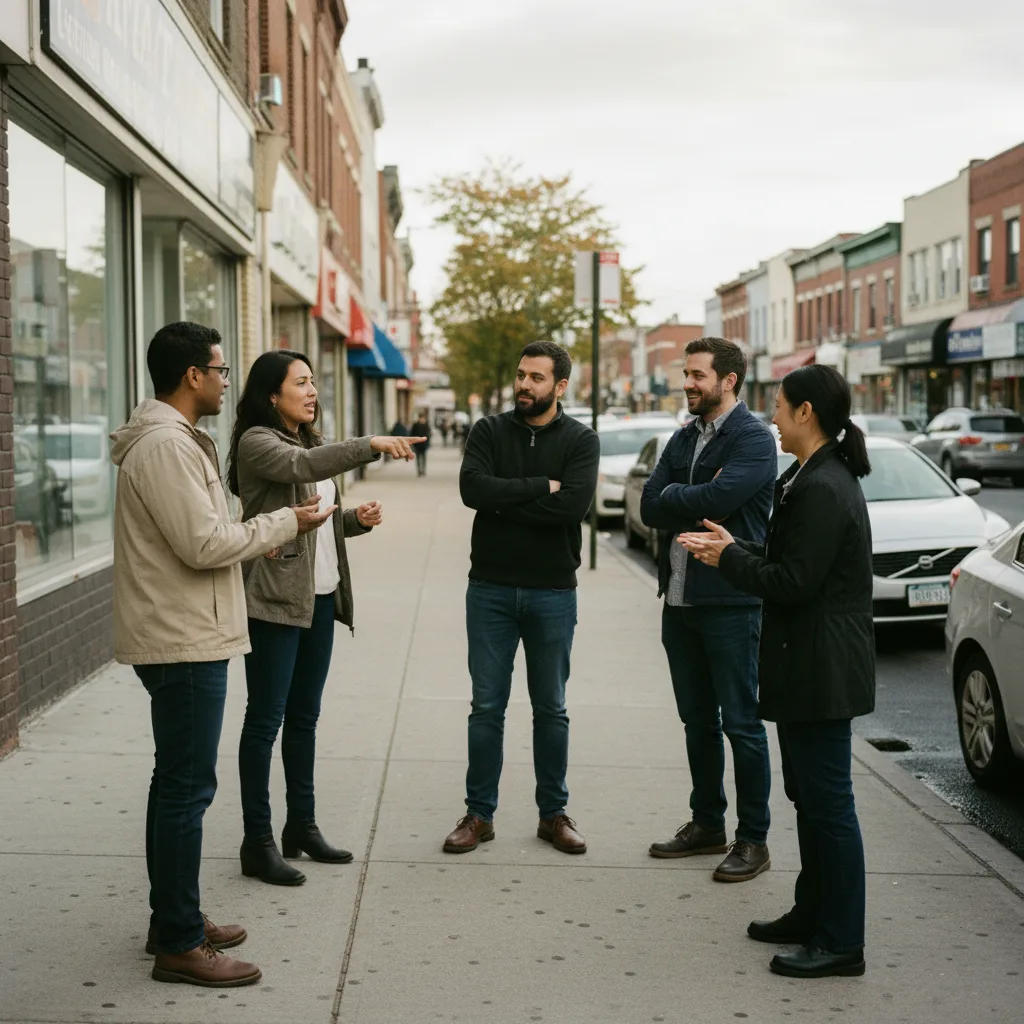
Queens residents along Cross Bay Boulevard, many with Ukrainian roots and ties to nearby Brighton Beach, are vehemently venting frustration at the decision. Discussions at establishments like the Rockaway Beach Bazaar quickly turned to condemnation of the sanctions lift. They perceive the move as a direct betrayal of Ukraine, especially as they contend with rising gas prices.
"This is a betrayal to Zelenskyy while we're pumping overpriced gas at Cross Bay Shell," one resident exclaimed, encapsulating the widespread anger. The sentiment reflects a deep connection to the Ukrainian cause and a feeling of being let down by U.S. policy. These local voices demonstrate how global politics resonate personally in diverse New York City neighborhoods.
Local Shop Owners Call for Boycott
In Howard Beach, several Polish shop owners have taken a public stance by posting signs that read, "Support Ukraine, Boycott Russian Fuel." These visible declarations have sparked lively street debates among commuters and residents. The calls for boycott highlight strong local advocacy against Russian aggression.
These signs have fueled spirited discussions, particularly concerning the ethical implications of purchasing fuel that might indirectly support the Russian war effort. The local business community is clearly divided on the issue, reflecting the broader political spectrum within Queens. These small business owners are using their platforms to influence public opinion.
Economic Hardship and Commuter Grievances
The impact of the sanctions lift on gas prices is a tangible concern for many Cross Bay Boulevard commuters. Many gripe about $5-a-gallon prices hitting their wallets hardest, significantly affecting daily budgets. For residents reliant on their vehicles for work and daily life, every increase at the pump is a direct financial burden.
"How can they justify helping Russia while we're struggling to fill our tanks?" questioned a delivery driver at a local gas station. This widespread financial strain contributes to the collective anger and frustration directed at the policy decision. The economic realities underscore the direct connection between international policy and local household expenses.
Community WhatsApp Groups Ignite with Outrage
Digital platforms have also become battlegrounds for expressing discontent. Community WhatsApp groups dedicated to Queens neighborhoods are lighting up with shares of Zelenskyy's quotes and urgent calls for petitions to local representatives. These online discussions mobilize residents and facilitate rapid information sharing and collective action.
Such digital activism demonstrates the powerful role social media plays in shaping local political engagement and amplifying community voices. Residents are leveraging these platforms to organize and channel their frustration into concrete political pressure. The digital realm provides an immediate outlet for local dissent and advocacy.
Geopolitical Implications and Future Outlook
The U.S. decision is a calculated risk, aiming to mitigate domestic economic pressures while navigating complex international alliances. However, it risks alienating key European partners and empowering Russia at a critical juncture in the Ukraine war. The short-term economic relief may come at a significant long-term geopolitical cost.
International analysts predict heightened tensions between the U.S. and its European allies, potentially complicating future coordinated responses to global crises. The impact on Ukraine’s war effort and global energy policy will be closely monitored in the coming weeks. The ripple effects of this policy change will be felt globally, affecting both energy markets and diplomatic relations. Review the detailed global impact via the YouTube link.
Frequently Asked Questions About Russian Oil Sanctions and Local Reaction
Why did the U.S. lift sanctions on Russian oil in March 2026? The U.S. eased sanctions for 30 days primarily to address skyrocketing global oil prices, which were exacerbated by the ongoing Iran war. The goal was to stabilize energy markets and reduce domestic economic pressures.
How are Queens residents with Ukrainian ties reacting to this decision? Residents, particularly those with Ukrainian roots along Cross Bay Boulevard, are expressing significant anger and a sense of betrayal. They believe the policy undermines support for Ukraine and directly benefits Russia, especially given the high gas prices they are paying.
What are local businesses doing in response to the sanctions lift? In Howard Beach, some Polish shop owners have posted signs urging residents to "Support Ukraine, Boycott Russian Fuel." These actions have led to community debates and highlight local activism against the policy.
What is the economic impact on Cross Bay Boulevard commuters? Commuters are heavily impacted by the high gas prices, frequently above $5 a gallon, which they attribute to the sanctions lift. This financial strain contributes to widespread frustration and calls for policy reversal.
How are community groups organizing their opposition? Community WhatsApp groups are active with discussions, sharing quotes from President Zelenskyy, and organizing petitions to local representatives. These digital platforms serve as key channels for mobilizing local dissent and advocacy against the U.S. policy.
Written by
Newstrix
Cross Bay Current
Related Articles
More in Government & Politics →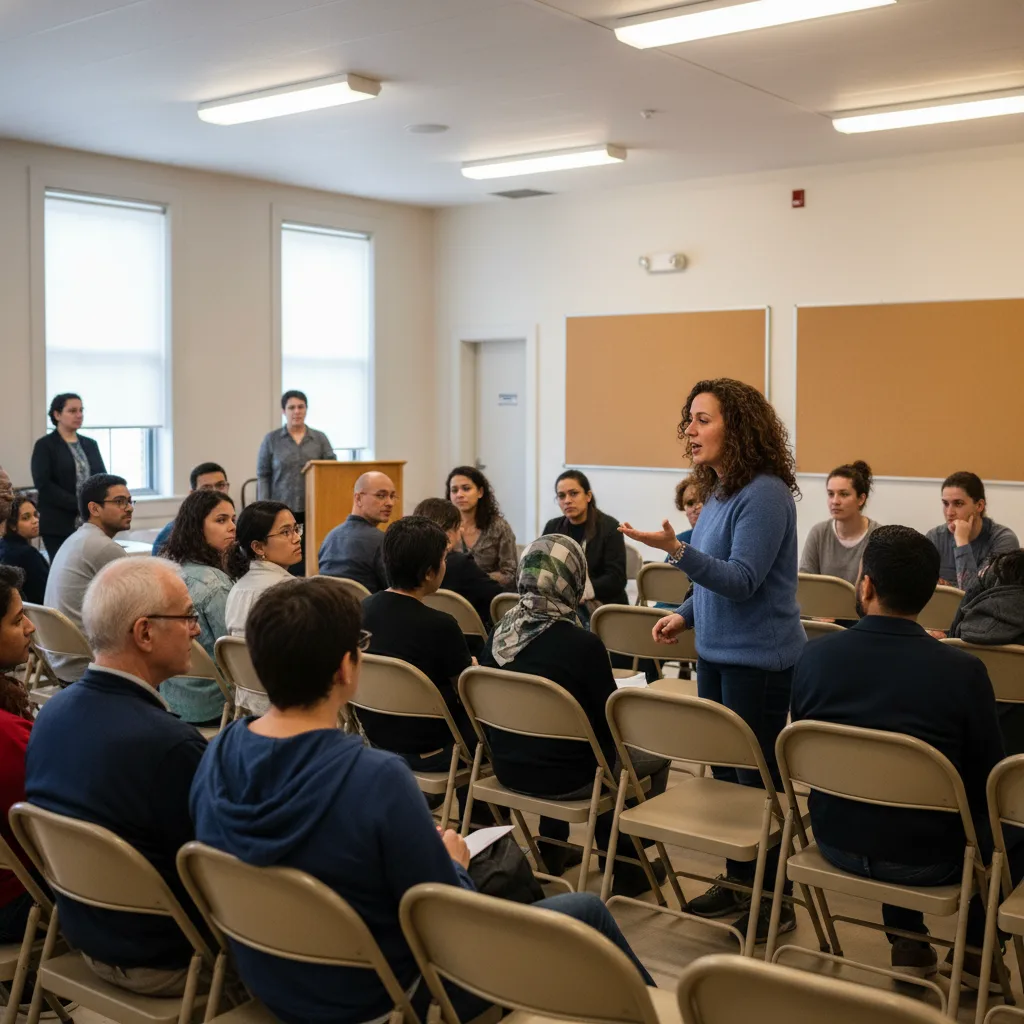
Cross Bay Boulevard Debates Trump's F-35 Sales to Saudi Arabia
Cross Bay Boulevard residents debate President Trump's F-35 jet sales to Saudi Arabia, weighing war, gas prices, and regional stability.
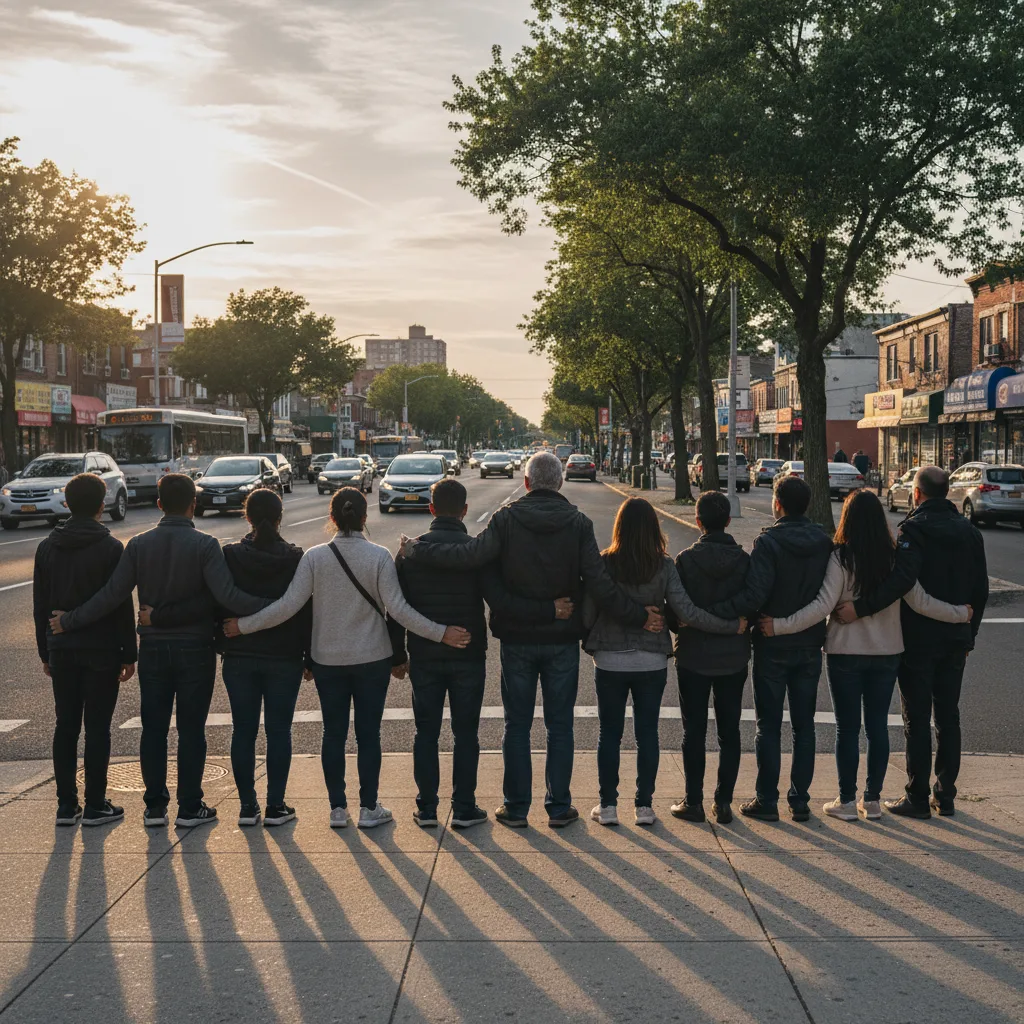
Cross Bay Boulevard Residents Concerned by Iran's Journalist Crackdown
Queens residents on Cross Bay Boulevard express anger and worry over Iran's crackdown on 240 dissidents and journalists, freezing assets and seizing property.
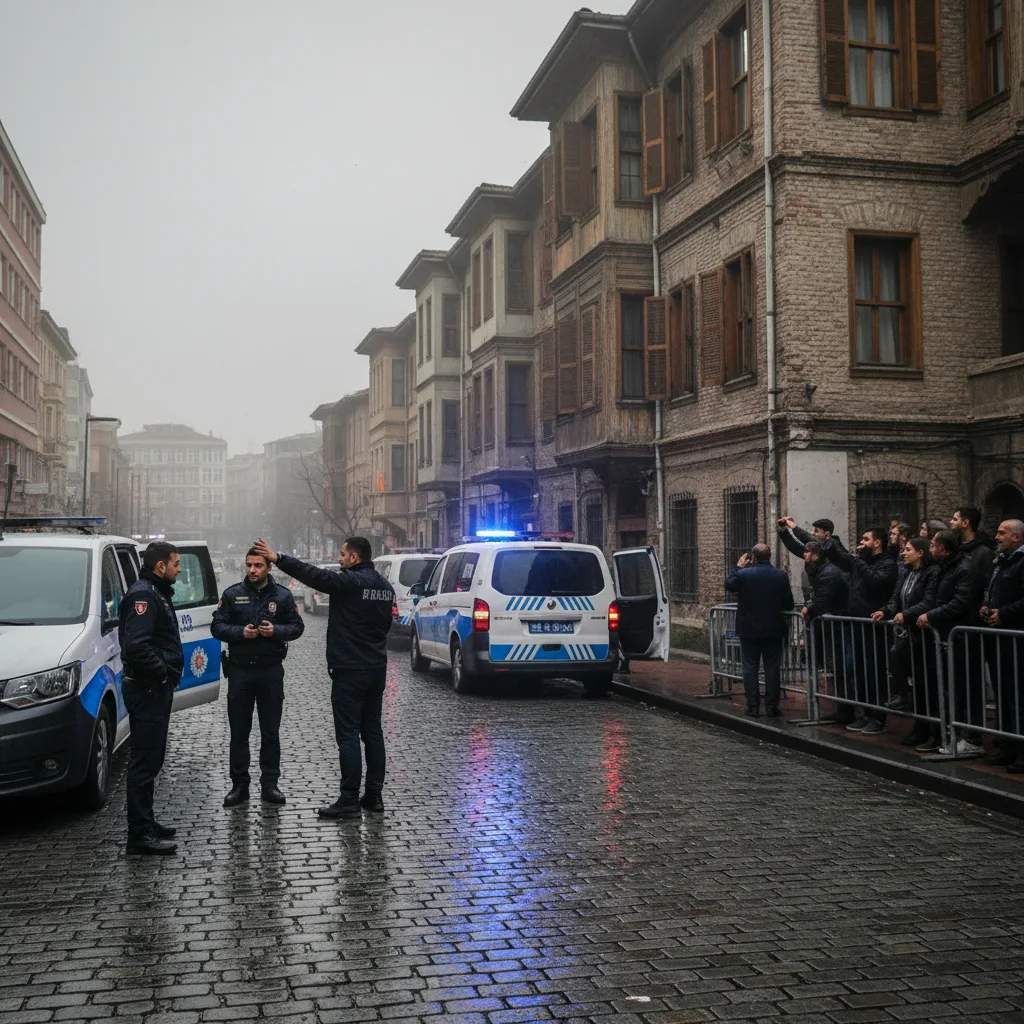
Turkish Police Raids Target LGBTQ+ Groups Ahead of Elections, Sparking Rights Concerns 2026
Turkish police launched raids targeting LGBTQ+ groups ahead of elections, intensifying a crackdown. This raises human rights concerns for Queens residents.
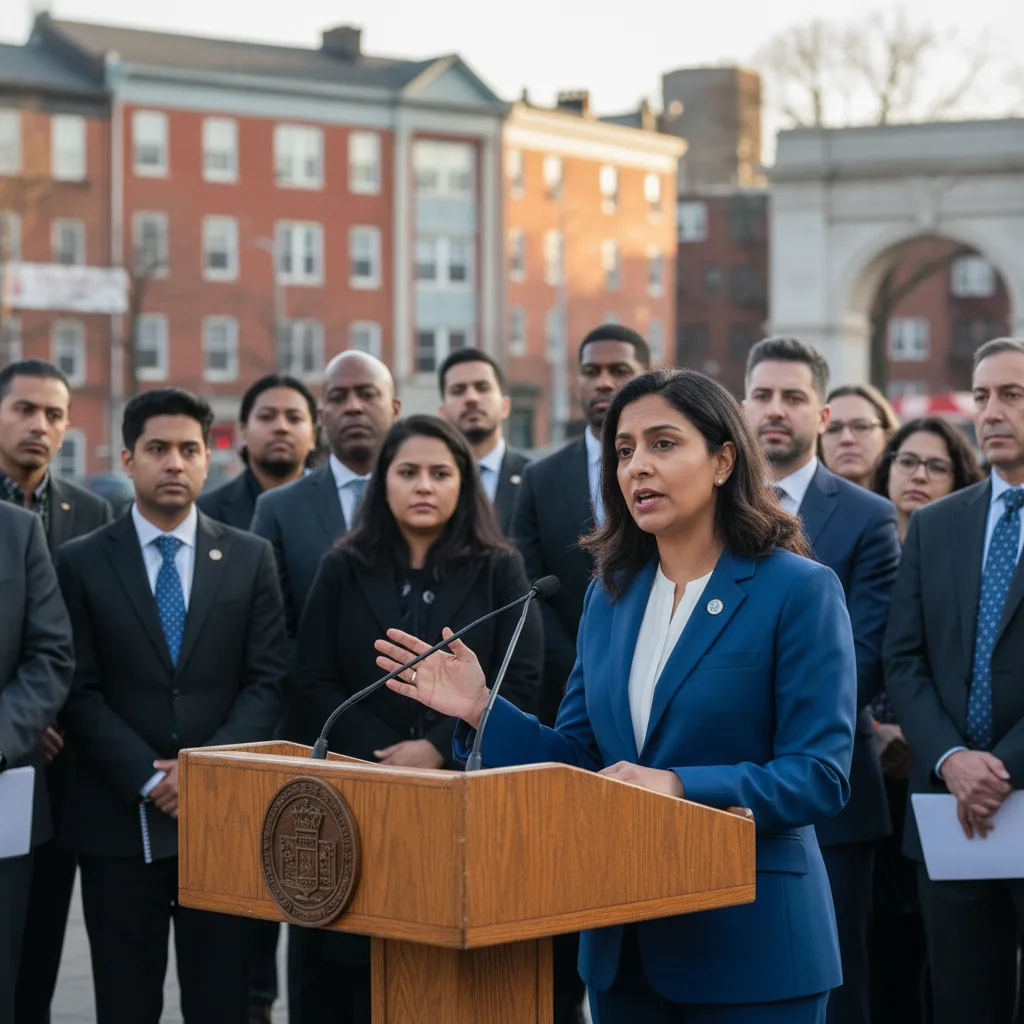
NYC Mayor Mamdani Condemns Houthi Attack on Saudi Base, Cites Global Shipping Risks
NYC Mayor Mamdani condemns Houthi attack on Saudi base, raising concerns about escalating global shipping disruptions and local economic impacts in Queens.

North Korea Fires Ballistic Missiles, Raises Queens Community Concerns
North Korea fired ballistic missiles, raising security concerns. Queens residents, especially along Cross Bay Boulevard, discuss family safety and tensions.
White House Halts Over $1 Billion Ukraine Aid, Sparks Queens Debate
White House halted over $1 billion in Ukraine aid, sparking debate over U.S. policy and war trajectory. Cross Bay Boulevard residents voice concerns about global impact.