


Venice Biennale Faces Legal Threats Over Controversial Visitors' Ballot

NEW YORK — Artists are threatening legal action against the Venice Biennale over its controversial “visitors’ ballot,” turning a high-profile cultural dispute into a major international story. The dispute, which centers on public voting rules for exhibition prizes, is drawing significant attention globally and raising questions for curators and art enthusiasts even in Queens.
While the direct impact on Cross Bay Boulevard is not immediately apparent, the controversy resonates with discussions within New York City’s vibrant art community, including local galleries in Long Island City and artists living in neighborhoods like Howard Beach. These communities often follow global art trends and debates keenly.
Ballot Controversy Rocks International Art Scene
The Venice Biennale, one of the world’s most prestigious art exhibitions, announced in early 2026 a new initiative allowing public attendees to cast votes for an audience-choice award. This decision, intended to democratize the selection process, has instead sparked a fierce backlash from a coalition of participating artists.
Led by the International Artists’ Rights Alliance (IARA), a group of over 50 artists and collectives issued a joint statement. They argue that a public ballot compromises artistic integrity and opens the door to popularity contests rather than critical assessment.
“Art should challenge, not just entertain. Reducing it to a public vote undermines decades of curatorial practice,” asserted Dr. Elena Petrova, a prominent art critic and professor at New York University, in an interview with ABC News International. Her remarks highlight the deep philosophical divide at play.
Implications for Artistic Freedom and Curation
Critics of the ballot system argue it could incentivize artists to create more accessible, less challenging work to appeal to a broad, potentially uncritical, public. This, they contend, would stifle experimentation and groundbreaking art.
Curators at major institutions, such as the Museum of Modern Art (MoMA) in Manhattan, have also voiced concerns. They emphasize the role of expert judgment in evaluating complex artistic expressions, a process that is often not suited for simple majority rule.
Legal threats from the IARA cite potential breaches of artist contracts and intellectual property rights, arguing that the ballot could devalue works selected through a more rigorous, expert-driven process. The Biennale organizers have yet to publicly respond to the legal challenge.
Global Art Debates and Local Echoes in Queens
The debate in Venice, though thousands of miles away, finds echoes within New York City’s diverse art landscape. Queens, with its burgeoning arts scene in areas like Long Island City and Astoria, is home to numerous artists, gallerists, and art educators.
Conversations in local studios and art spaces along the borough often touch upon the challenges of artistic recognition and the commercial pressures faced by creators. While there’s no immediate street-level reaction from Cross Bay Boulevard residents, local artists are certainly tuned in.
Maria Sanchez, a sculptor living near Cross Bay Boulevard in Howard Beach, remarked, “When something like this happens at the Biennale, it makes you think about how art is valued everywhere, even in our own community galleries. Do we prioritize popularity or profound impact?”
The Future of Art Exhibitions and Audience Participation
The Venice Biennale controversy forces a re-evaluation of how large-scale art exhibitions balance public engagement with curatorial independence. Proponents of audience participation argue that it makes art more accessible and inclusive.
They contend that involving the public can foster a stronger connection between art and society, breaking down traditional barriers. However, the current backlash suggests that simply adding a popular vote might not be the most effective or appropriate method for achieving this.
Institutions worldwide will likely watch this legal battle closely, as its outcome could influence future practices in cultural programming and exhibition design. The discussion serves as a broader dialogue on art's purpose in contemporary society.
Frequently Asked Questions About the Venice Biennale Controversy
Many in the art community are asking what exactly the artists are protesting. Artists are threatening legal action against the Venice Biennale’s new visitor ballot system, arguing it compromises artistic integrity by reducing complex art evaluation to a popularity contest. Another common question is how this impacts artists in Queens. While there’s no direct, immediate impact on specific galleries near Cross Bay Boulevard, the debate resonates with local artists and curators who discuss artistic valuation, commercial pressures, and the role of audience participation in their own creative practices. What are the legal grounds for the artists’ threat? The International Artists’ Rights Alliance (IARA) is citing potential breaches of artist contracts and intellectual property rights, arguing that the public ballot could devalue works chosen by expert panels. Will this change how other major art events operate? Institutions globally are closely observing the situation. The outcome of this dispute, particularly any legal rulings, could influence future policies regarding audience engagement and prize selection at major art exhibitions worldwide. For more details on this international story, refer to ABC News International coverage.
Written by
Newstrix
Cross Bay Current
Related Articles
More in Arts & Culture →
Your Guide to Enjoying All Things Go Festival in 2026
Plan your 2026 All Things Go Festival experience from Queens with our comprehensive guide, covering tickets, travel, and what to expect.
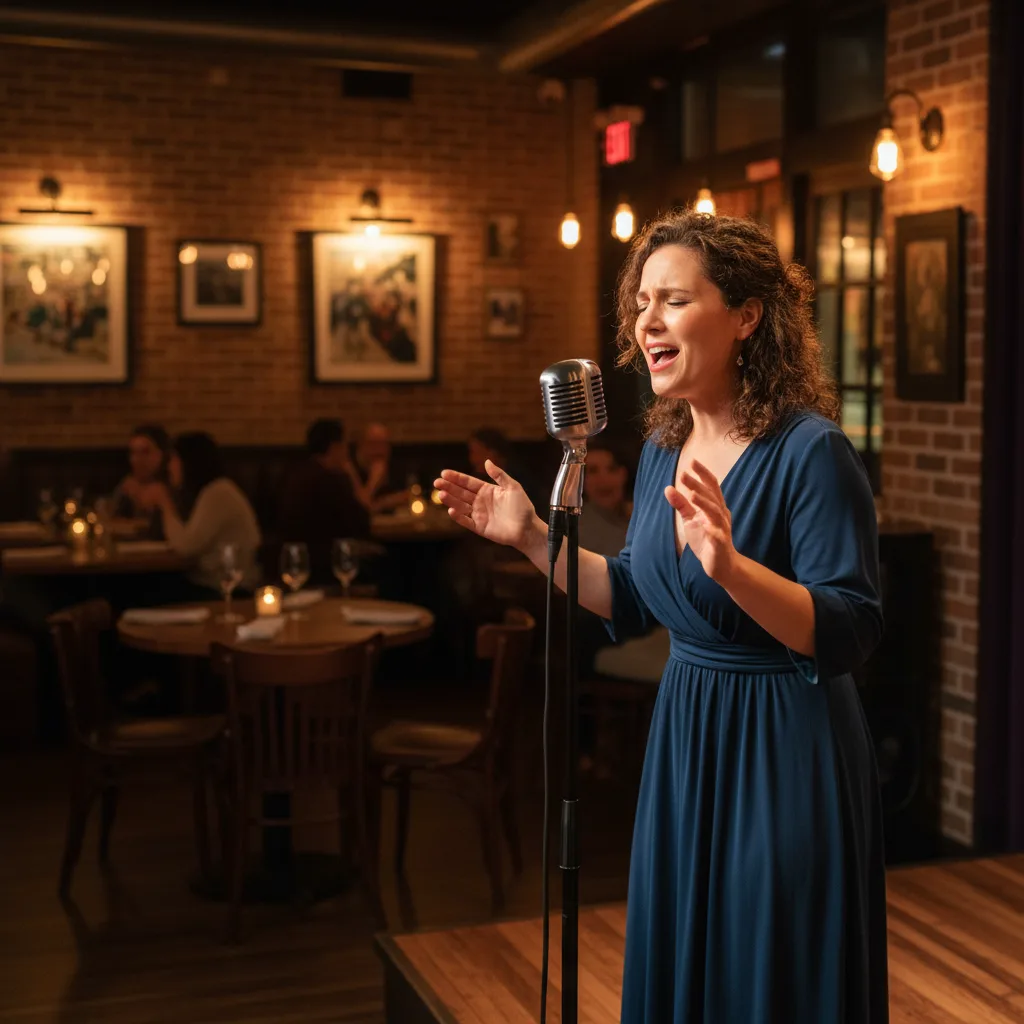
Anna Maria Villa Sings at Vetro Restaurant October 9, 2026
Anna Maria Villa will perform live at Vetro Restaurant & Lounge on Cross Bay Boulevard, Queens, on October 9, 2026, at 6:30 p.m.
Your Essential Guide to the Rockaway Ocean Club in 2026
Discover what to expect at the Rockaway Ocean Club in 2026, a vibrant beachfront hub in Queens with dining, events, and community activities.
Is Howard Beach in Queens or Brooklyn? A Comprehensive Guide to This Unique NYC Neighborhood
Is Howard Beach in Queens or Brooklyn? Discover the definitive answer: Howard Beach is a vibrant Queens neighborhood with unique coastal charm.
Your Essential Guide to Roy Wilkins Park Events in 2026
Discover the essential guide to Roy Wilkins Park events in 2026, featuring concerts, festivals, sports, and nature programs for South Queens residents.
Is Howard Beach in Queens? An Essential Guide to This Vibrant NYC Neighborhood
Discover if Howard Beach is in Queens, NYC, and explore this vibrant neighborhood's unique geography, community, lifestyle, and local attractions.