


Your Guide to Understanding Yellow Flags at Rockaway Beach and Beyond
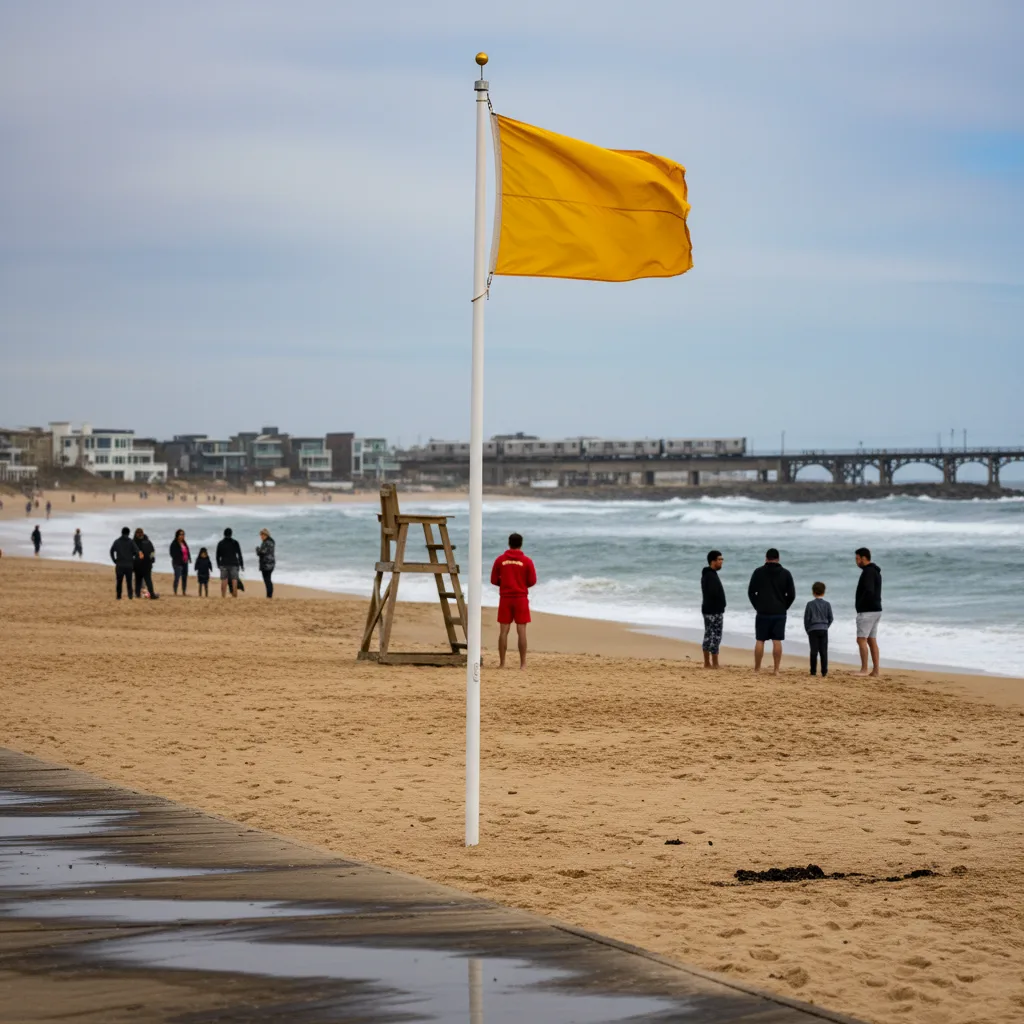
When visiting Rockaway Beach or any other coastal area, a yellow flag indicates moderate hazards in the water. This means swimmers should exercise caution due to conditions like moderate surf, currents, or other potential dangers that are not severe enough to warrant a red flag closure but still require attention. Always be aware of your surroundings and any posted warnings from lifeguards.
What Does a Yellow Flag Mean at the Beach? An Essential Overview
A yellow flag on the beach is a universal signal for moderate hazard. It serves as an advisory to beachgoers that conditions are not ideal and require extra vigilance. Unlike a green flag, which signifies calm conditions, or a red flag, which indicates high hazards and often prohibits swimming, the yellow flag demands a middle-ground approach. It’s crucial for anyone enjoying the waters of Rockaway, Ozone Park, Broad Channel, and Howard Beach to understand this signal to ensure safety for themselves and their families.
Understanding the meaning behind beach flags is paramount for a safe day by the ocean. A yellow flag doesn't mean you can't swim, but it certainly means you should swim with greater awareness. This could involve staying closer to shore, keeping an eye on children more closely, or avoiding areas known for stronger currents. Lifeguards will often be more active in their surveillance when a yellow flag is flying, prepared to intervene if needed.
Common Conditions That Lead to a Yellow Flag Warning
Several factors can lead lifeguards to raise a yellow flag. These conditions are typically dynamic and can change throughout the day. Being aware of what might cause a yellow flag can help you anticipate potential risks before you even hit the sand.
- Moderate Surf: Waves that are larger than usual but not dangerously high can still create challenging conditions, especially for less experienced swimmers or young children. These waves can easily knock someone off their feet and pull them into deeper water.
- Light to Moderate Rip Currents: Rip currents are powerful channels of water flowing quickly away from the shore. While not as strong as those that would warrant a red flag, moderate rip currents can still be dangerous, especially if you're caught off guard. Knowing how to identify and escape a rip current is a vital skill for beachgoers.
- Presence of Marine Life: Sometimes, a yellow flag might be raised due to the increased presence of marine life that could pose a minor threat, such as jellyfish or certain types of fish known to sting. This isn't usually a sign of aggressive animals, but rather a warning to be mindful of potential encounters.
- Strong Undercurrents: Even if the surface water appears calm, there can be strong undercurrents beneath that can make swimming difficult and tiring. These are often harder to detect from the shore but are known to lifeguards.
- Other Environmental Factors: This could include water quality concerns that are not severe enough for a full closure but suggest caution, or weather conditions like approaching thunderstorms that might not yet be directly overhead but could impact water safety.
How to Stay Safe Under a Yellow Flag Warning at Rockaway Beach
When you see a yellow flag flying at Rockaway Beach, it's a call to action for increased personal responsibility. Your safety, and the safety of those with you, largely depends on how you respond to these conditions.
- Swim Near a Lifeguard: Always choose to swim in areas patrolled by lifeguards. Their presence is your best defense against unforeseen dangers. They are trained to identify risks and respond quickly to emergencies.
- Stay Within Your Abilities: Don't overestimate your swimming skills. If you're not a strong swimmer, stay in shallow water where you can touch the bottom, even if others are venturing further out. Children and those with limited swimming experience should always be closely supervised.
- Use Caution with Flotation Devices: While fun, inflatable toys and rafts can be quickly carried away by currents or waves, potentially taking you with them. Use them with extreme caution and never rely on them as life-saving devices.
- Enter the Water Feet First: Avoid diving headfirst into unknown waters, especially when conditions are moderate. Submerged objects or unexpected depths can lead to serious injury.
- Be Aware of Changing Conditions: The ocean is dynamic. Pay attention to how waves and currents are behaving. If conditions worsen, or if you feel uncomfortable, exit the water. Remember that conditions can change rapidly, and a yellow flag may be upgraded to a red flag if hazards increase.
- Heed Lifeguard Instructions: Lifeguards are the experts in beach safety. If they give instructions or warnings, follow them immediately and without question. Their advice is critical for safe enjoyment of the water.
The Difference Between Yellow, Green, and Red Beach Flags
Beach flag systems are designed to be easily understood visual cues for water conditions. Understanding the entire spectrum helps you make informed decisions about entering the water.
- Green Flag: Generally indicates low hazard. Conditions are calm, and it's safe for most swimmers. However, even with a green flag, vigilance is always recommended, especially for children and inexperienced swimmers.
- Yellow Flag: As discussed, this signals moderate hazard. Exercise caution due to moderate surf, currents, or other potential dangers. Swimming is usually permitted, but with increased awareness and vigilance.
- Red Flag: Signifies high hazard. This often means dangerous conditions like strong currents, powerful waves, or the presence of hazardous marine life. Swimming is typically discouraged or prohibited entirely. Ignoring a red flag can put your life and the lives of rescuers at extreme risk.
- Double Red Flags: In some locations, two red flags indicate that the water is closed to the public and it is illegal to enter the water. This is reserved for extremely dangerous conditions.
- Purple Flag (or often a specific symbol): Indicates dangerous marine life, such as jellyfish, stingrays, or sharks. This can be flown in conjunction with other flags (e.g., yellow and purple).
Always check the flag status upon arrival at any beach, including those along the South Queens and Rockaway peninsula, to ensure you are aware of the current safety recommendations. This system is in place to protect you.
What to Do if You Get Caught in a Rip Current Under a Yellow Flag
Even under a yellow flag, rip currents can still pose a significant danger. Knowing how to react if you find yourself caught in one is critical for survival. Panicking is your biggest enemy.
- Don't Fight the Current: Resist the urge to swim directly against the current. This will only exhaust you quickly. Rip currents are narrow and will eventually dissipate.
- Swim Parallel to the Shore: The most effective strategy is to swim sideways, parallel to the shoreline. Rip currents are typically narrow, so swimming a short distance this way will often get you out of its pull.
- Float or Tread Water: If you can't swim out of the current, conserve your energy by floating on your back or treading water. Relax and let the current carry you until it weakens.
- Signal for Help: Once you're out of the strongest part of the rip current, or if you're too tired to swim, wave your arms and yell for help to attract the attention of lifeguards or other beachgoers. The lifeguards at Rockaway Beach are trained for these situations.
Being familiar with rip current safety is as important as understanding what does a yellow flag mean at the beach. For more detailed information on local safety measures and how our community addresses environmental concerns, you might be interested in discussions about Cross Bay Boulevard residents discussing global flood preparedness.
Frequently Asked Questions
Is it safe to swim if there is a yellow flag at Rockaway Beach?
Swimming is generally permitted under a yellow flag, but it signifies moderate hazards. Swimmers should exercise caution due to conditions like moderate surf, currents, or other potential dangers. It's crucial to be vigilant, stay aware of your surroundings, and follow any specific instructions from lifeguards. It's not as safe as a green flag, but not as dangerous as a red flag.
How long does a yellow flag typically stay up at the beach?
The duration a yellow flag remains flying depends entirely on the prevailing water and weather conditions. Conditions can change rapidly, so a yellow flag might be up for just a few hours if conditions improve, or it could remain for days if moderate hazards persist. Lifeguards continuously monitor the situation and will adjust the flag status as needed. Always check the current flag when you arrive each day.
What should parents do with children when a yellow flag is flying?
When a yellow flag is up, parents with children should be extra vigilant. Keep children within arm's reach at all times, even in shallow water. Consider having them wear life vests, especially if they are not strong swimmers. Avoid allowing them to use flotation devices that can easily drift away. Emphasize staying close to lifeguard stations and following all safety advice given by beach personnel.
Can I still surf or bodyboard under a yellow flag?
Generally, surfing and bodyboarding may be allowed under a yellow flag, but with increased caution. The moderate surf conditions indicated by a yellow flag can still be challenging and potentially dangerous, especially for less experienced participants. It's advisable to check with lifeguards whether specific water activities are recommended given the current conditions and your skill level.
What does a yellow flag mean compared to a red flag for beach safety in 2026?
In 2026, as in previous years, a yellow flag indicates moderate hazards, meaning caution is required but swimming is often permitted. A red flag, in contrast, signifies high hazards, typically indicating dangerous conditions such as very strong currents or rough surf, and usually means swimming is prohibited. It's a significant difference in recommended action, with red flags demanding no water entry for safety reasons, while yellow flags call for heightened awareness and vigilance.
Written by
Newstrix
Cross Bay Current
Related Articles
More in Public Safety & Crime →
Widow Sues Howard Beach Marina After Jet Ski Crash Kills Husband
A widow is suing a Howard Beach marina in Queens after her husband died in a jet ski crash, alleging negligence.

Queens Senior Charged in Dismemberment Murder Case 2026
A Queens senior has been charged with allegedly murdering and dismembering his much younger wife in Ozone Park, sparking community horror.

Man Fatally Stabbed on Jamaica Avenue, No Arrests Made October 2026
A 29-year-old man was fatally stabbed multiple times on Jamaica Avenue, Queens, on October 6, 2026; no arrests have been made.

Far Rockaway Shooting Investigated Near Beach Channel Drive 2026
A shooting occurred Monday afternoon in Far Rockaway on Beach Channel Drive, prompting an NYPD investigation. This incident raises local public safety concerns in Queens neighborhoods.

CNN Reports Flydubai Pilot Heroism After Cockpit Stabbing Incident
A Flydubai pilot was hailed a hero after being stabbed by a co-pilot, averting a crash with passenger help. The Dubai-Tel Aviv flight made an emergency landing in Saudi Arabia.

Far Rockaway Shooting Prompts Police Response Near Cross Bay Corridor 2026
Police responded to a shooting on Beach Channel Drive in Far Rockaway, prompting concerns across the Cross Bay Boulevard corridor in Queens. Investigation underway.