


Your Guide to Understanding the Queens Midtown Tunnel in 2026
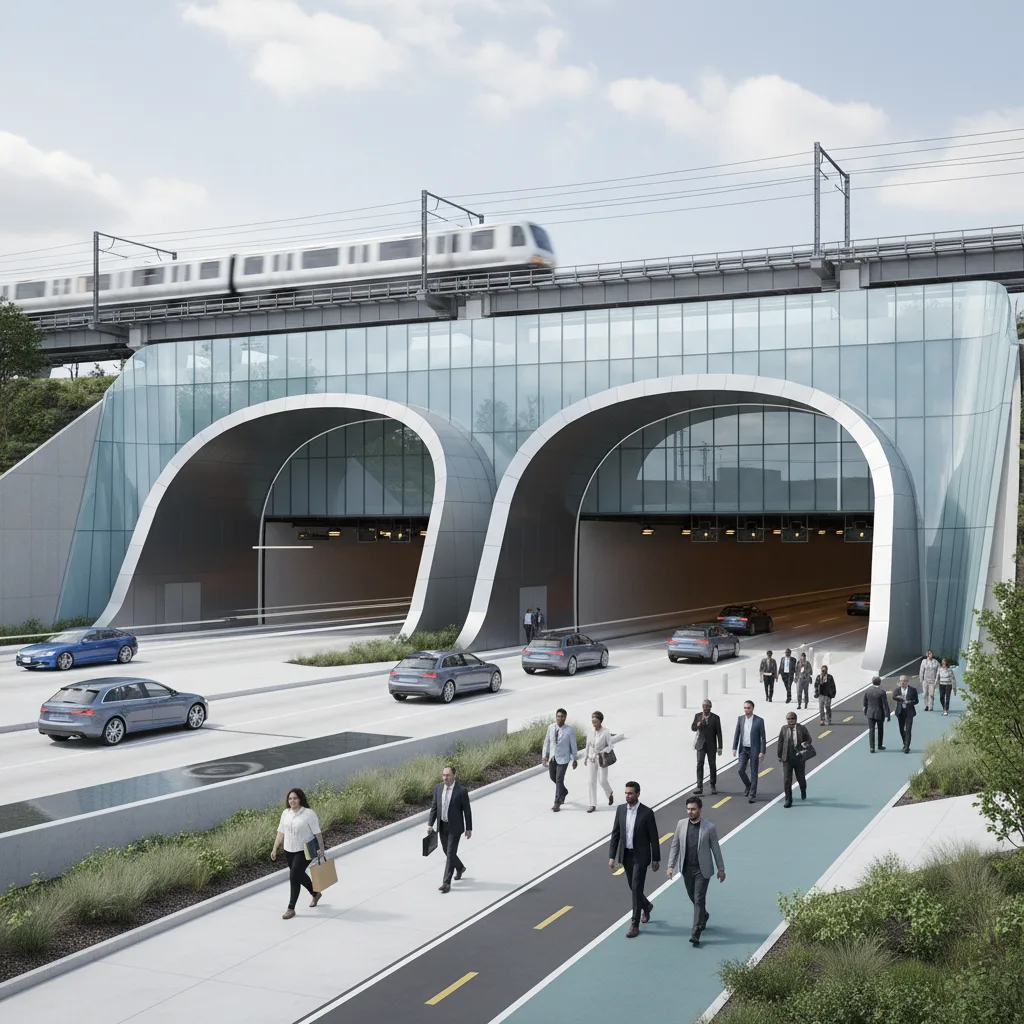
The Queens Midtown Tunnel is a vital artery connecting Manhattan's East Side with Long Island City, Queens, serving millions of commuters and travelers annually. This guide provides essential information for navigating the tunnel, understanding its history, and staying informed about operations and future developments in 2026.
Queens Midtown Tunnel Overview and History
The Queens Midtown Tunnel, officially known as the Hugh L. Carey Tunnel, is a critical transportation link under the East River. It was designed by Ole Singstad and opened in 1940, playing a pivotal role in connecting the burgeoning neighborhoods of Queens, including areas like Howard Beach and Ozone Park, with the economic hub of Manhattan. The tunnel comprises two tubes, each carrying two lanes of traffic, facilitating millions of crossings each year. Understanding its structure and operational history helps in appreciating its significance to the daily lives of many in Rockaway and broader Queens.
Navigating the Queens Midtown Tunnel: Tolls and Payment in 2026
As of 2026, the Queens Midtown Tunnel operates with cashless tolling, meaning there are no toll booths. Drivers can pay tolls using E-ZPass or by mail via Tolls by Mail. E-ZPass remains the most convenient and cost-effective method, automatically deducting the toll from a linked account. For those without E-ZPass, cameras capture license plate information, and a bill is mailed to the registered owner of the vehicle. It's crucial to ensure your vehicle information is up-to-date to avoid penalties. Rates typically vary based on peak and off-peak hours, and vehicle type. Always check the official MTA Bridges and Tunnels website for the most current toll schedules for the Queens Midtown Tunnel.
Traffic Patterns and Commuter Tips for the Queens Midtown Tunnel
Traffic through the Queens Midtown Tunnel can be notoriously heavy, especially during peak commuter hours. Morning rush hour typically runs from 6 AM to 10 AM, and evening rush hour from 3 PM to 7 PM on weekdays. Weekends can also see significant congestion, particularly during events in Manhattan or when beachgoers from Rockaway are heading out. To minimize delays, consider using real-time traffic apps or MTA's official service alerts. For residents in areas like Broad Channel, planning travel during off-peak times can save considerable time. Be aware of lane closures or special advisories, which are often communicated through digital signage before tunnel entry.
Public Transportation Alternatives and Future Developments 2026
While this guide focuses on vehicular traffic, it's worth noting the robust public transportation alternatives available for those looking to avoid the Queens Midtown Tunnel. The subway system, particularly the 7 and E lines, offers direct access from Long Island City to Manhattan. Additionally, bus routes often connect various parts of Queens to Manhattan, sometimes even offering direct tunnel access for specific lines. Looking ahead to 2026 and beyond, there are ongoing discussions and potential plans for infrastructure improvements across Queens. For instance, recent developments in housing and transportation infrastructure aim to better connect communities like Howard Beach and Broad Channel, potentially impacting future tunnel usage and local traffic patterns. You can stay informed about broader transportation changes, such as the A Train rerouted between Broad Channel and Far Rockaway, through Cross Bay Current's ongoing coverage.
Safety and Emergency Procedures in the Queens Midtown Tunnel
Safety is paramount when traveling through the Queens Midtown Tunnel. The tunnel is equipped with various safety features, including ventilation systems, fire suppression, and emergency exits. In the event of a breakdown or accident, remain in your vehicle unless otherwise instructed by emergency personnel. Turn on your hazard lights and await assistance. Follow all posted signs and electronic messages for instructions. The MTA regularly conducts safety drills and inspections to ensure the tunnel remains safe for all users. Awareness of these procedures can greatly contribute to a smoother and safer transit experience.
Frequently Asked Questions
What is the current toll for the Queens Midtown Tunnel in 2026?
As of 2026, the Queens Midtown Tunnel uses cashless tolling. The exact toll amount depends on whether you use E-ZPass and the time of day (peak vs. off-peak). For the most up-to-date rates, it's best to check the official MTA Bridges and Tunnels website.
How can I avoid traffic congestion at the Queens Midtown Tunnel?
To minimize traffic delays at the Queens Midtown Tunnel, try to plan your travel during off-peak hours, typically outside of 6 AM-10 AM and 3 PM-7 PM on weekdays. Utilizing real-time traffic apps and checking MTA service alerts before your journey can also help you navigate around congestion.
Is the Queens Midtown Tunnel part of the overall Queens transportation network?
Yes, the Queens Midtown Tunnel is a critical component of the larger Queens transportation network, connecting Long Island City directly to Manhattan. It serves residents from various Queens neighborhoods, including Ozone Park and Rockaway, who commute to Manhattan for work or leisure, complementing other transport options like the subway and buses.
Are there any upcoming closures or major construction projects for the Queens Midtown Tunnel?
Major construction or planned closures for the Queens Midtown Tunnel are typically announced well in advance by the MTA. It's advisable to check the official MTA website or local news sources like Cross Bay Current for any alerts regarding maintenance, repairs, or upgrades that might affect your travel through the tunnel.
Written by
Newstrix
Cross Bay Current
Related Articles
More in Transportation & Traffic →
A Train Rerouted, No Service Between Broad Channel and Far Rockaway
A Train service between Broad Channel and Far Rockaway is suspended overnight October 5-9, 2026. Commuters face reroutes, impacting travel.
Cross Bay Boulevard Traffic Delays Near 165th Avenue 2026
Police activity caused significant traffic delays and road closures on Cross Bay Boulevard near 165th Avenue in Queens. Drivers advised to use alternate routes.
Your Essential Guide to the Rockaway Ocean Club in 2026
Discover what to expect at the Rockaway Ocean Club in 2026, a vibrant beachfront hub in Queens with dining, events, and community activities.
Is Howard Beach in Queens or Brooklyn? A Comprehensive Guide to This Unique NYC Neighborhood
Is Howard Beach in Queens or Brooklyn? Discover the definitive answer: Howard Beach is a vibrant Queens neighborhood with unique coastal charm.
Your Essential Guide to Roy Wilkins Park Events in 2026
Discover the essential guide to Roy Wilkins Park events in 2026, featuring concerts, festivals, sports, and nature programs for South Queens residents.
Is Howard Beach in Queens? An Essential Guide to This Vibrant NYC Neighborhood
Discover if Howard Beach is in Queens, NYC, and explore this vibrant neighborhood's unique geography, community, lifestyle, and local attractions.