


Your Guide to Understanding the Rockaway Beach Sharks and Their Ecosystem
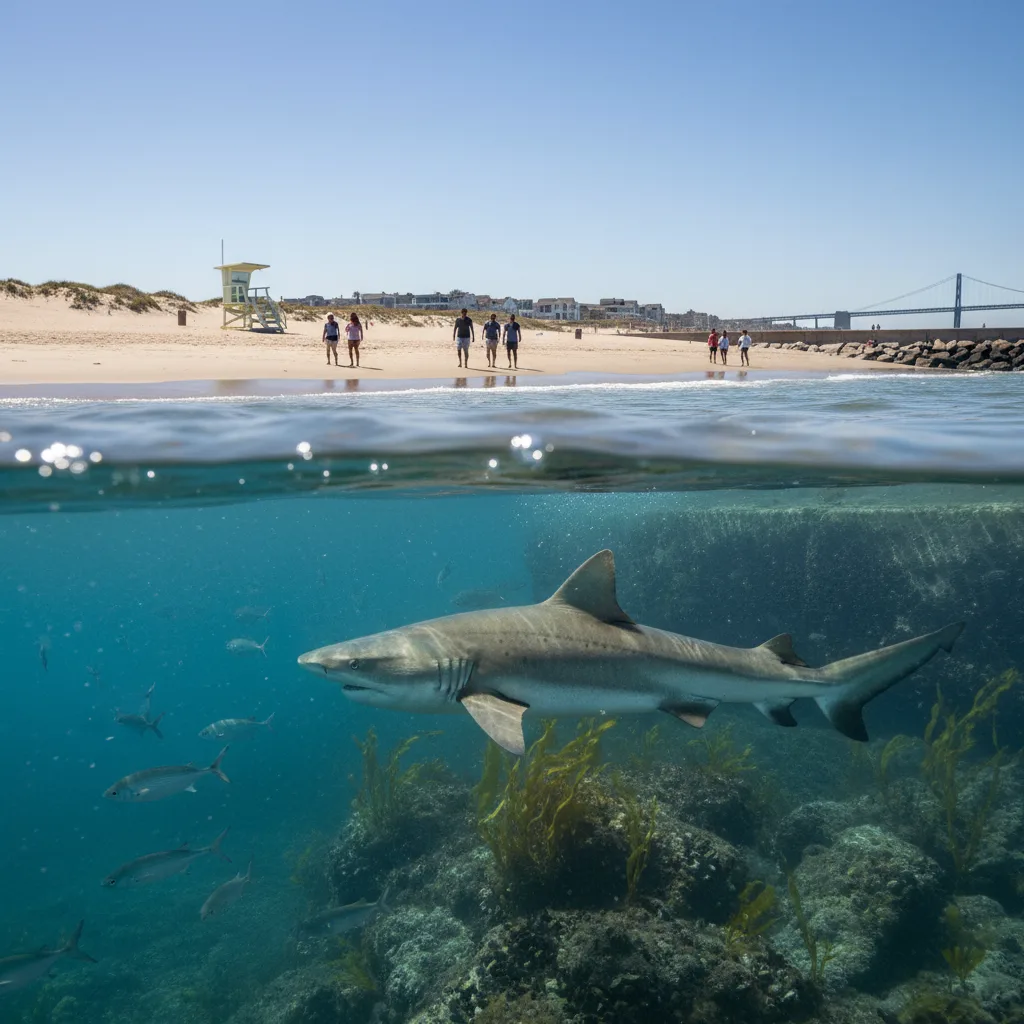
Rockaway Beach, a beloved stretch of coastline for Queens residents and visitors, is part of a dynamic marine ecosystem that occasionally brings sharks into its waters. Understanding the types of sharks found near Rockaway Beach, their behaviors, and how to safely enjoy the ocean is crucial for everyone. This guide provides essential information on the Rockaway Beach sharks and the steps being taken to ensure both human safety and marine conservation.
Common Rockaway Beach Sharks and Their Habits
The waters off Rockaway Beach are home to a variety of shark species, though encounters with larger, more aggressive sharks are rare. The most frequently observed species include sand tiger sharks, often seen closer to shore, and sometimes sandbar sharks. While less common, smaller species like dogfish are also present. These sharks play a vital role in maintaining the health of the marine ecosystem by preying on smaller fish and other marine life, helping to keep populations balanced. Their presence indicates a healthy ocean environment with abundant food sources.
Understanding the natural habits of these sharks is key to coexisting peacefully. Most sharks are highly migratory, following bait fish and warmer waters. They typically prefer deeper waters but can come closer to shore, especially when their prey moves closer. Early mornings and late evenings are often periods of increased activity for many marine creatures, including sharks, as they hunt. Swimmers should be aware of these patterns and exercise caution, particularly during these times.
Shark Sightings and Safety Measures in Rockaway Beach
Recent years have seen an increase in shark sightings along the New York coast, including Rockaway Beach. This trend is often attributed to improving water quality, increased bait fish populations, and more robust conservation efforts, leading to a resurgence in marine life. While this is a positive sign for the ecosystem, it also necessitates enhanced safety protocols for beachgoers. Authorities, including the NYC Parks Department and local lifeguards, are vigilant in monitoring the waters.
To ensure safety, several measures are in place. Lifeguards are trained to identify shark activity and are equipped with tools like jet skis and drones for surveillance. Beaches are often closed for swimming if a shark is sighted nearby until the area is deemed safe. Swimmers are advised to avoid swimming alone, especially at dawn or dusk, and to stay close to shore. Avoiding areas where seals or schools of fish are present, which can attract sharks, is also a prudent measure. Always adhere to instructions from lifeguards and beach staff.
What to Do During a Shark Sighting
If you witness a shark sighting at Rockaway Beach, the first and most important step is to alert a lifeguard or beach staff immediately. Do not attempt to approach the shark or intervene in any way. Clear the water calmly and quickly. If you are already in the water and a shark is spotted, try to remain calm and swim smoothly towards the shore without erratic movements, which can mimic struggling prey.
For those on surfboards, paddleboards, or kayaks, slowly make your way back to the beach. It's crucial to avoid splashing or making sudden noises that could attract attention. Remember, most sharks are not interested in humans, and attacks are extremely rare. The primary goal is to remove yourself from the water safely and allow trained personnel to assess the situation. Following official guidance is paramount for the safety of everyone enjoying the Rockaway Beach sharks' environment.
Conservation Efforts and Ecosystem Health
The presence of various marine species, including the Rockaway Beach sharks, underscores the importance of ongoing conservation efforts in and around the Rockaway peninsula. Improved water quality in the New York Bight, thanks to decades of environmental regulations and community clean-up initiatives, has created a more hospitable environment for marine life. This resurgence is a testament to the dedication of local environmental groups and government agencies.
Organizations like the Rockaway Beach Civic Association and various marine conservation groups work tirelessly to protect coastal habitats, monitor marine populations, and educate the public about the importance of ocean stewardship. Their efforts contribute significantly to the health of the entire ecosystem, ensuring that the waters remain vibrant for both wildlife and human recreation. For instance, understanding flood prevention in Howard Beach also ties into maintaining coastal health, which indirectly benefits marine ecosystems. You can learn more about local efforts to protect and enhance our coastal communities, including ongoing initiatives that ensure the vitality of areas like Howard Beach in Queens.
Enjoying Rockaway Beach Responsibly in 2026
Rockaway Beach remains a fantastic destination for swimming, surfing, and relaxing. By understanding the marine environment and following safety guidelines, beachgoers can continue to enjoy its beauty responsibly. Always check for any advisory signs posted at beach entrances regarding water conditions or marine life. Staying informed through official sources and respecting the ocean’s inhabitants are key to a safe and enjoyable experience.
Consider visiting beaches during peak lifeguard hours, usually between 10 AM and 6 PM during the summer season, as this is when surveillance is at its highest. Familiarize yourself with the layout of the beach and the nearest lifeguard stations. Being prepared and aware allows you to fully appreciate the unique natural environment of Rockaway Beach and its diverse inhabitants, including the occasional Rockaway Beach sharks. For other community services, you might be interested in Your Comprehensive Guide to Rockaway Beach Vet Services in 2026.
Frequently Asked Questions
Are Rockaway Beach sharks dangerous to swimmers?
While sharks are present in the waters off Rockaway Beach, encounters leading to bites are extremely rare. Most sharks found here are not considered aggressive towards humans. Authorities implement strict safety protocols, including beach closures during sightings, to minimize any potential risks to swimmers.
What types of sharks are typically found near Rockaway Beach?
The most common shark species observed near Rockaway Beach include sand tiger sharks and sandbar sharks. Smaller species like dogfish are also present. These sharks are part of the natural ecosystem and play an important role in maintaining marine health.
How can I stay safe from sharks while swimming at Rockaway Beach in 2026?
To ensure safety, swim only when lifeguards are on duty, avoid swimming alone, and stay close to shore. Refrain from swimming at dawn or dusk, and avoid areas where bait fish or seals are visible, as these can attract sharks. Always follow the instructions of lifeguards.
Has the number of shark sightings increased in Rockaway Beach recently?
Yes, there has been an observed increase in shark sightings along the New York coast, including Rockaway Beach, in recent years. This is often attributed to improving water quality and a rebound in bait fish populations, indicating a healthier marine ecosystem.
What should I do if I see a shark while at Rockaway Beach?
If you spot a shark, immediately alert a lifeguard or beach staff. Remain calm, exit the water smoothly without making sudden movements, and follow any instructions given by beach authorities. Do not attempt to approach or interact with the shark.
Written by
Newstrix
Cross Bay Current
Related Articles
More in Environment →
Cross Bay Boulevard Residents Connect Bangkok Flooding to Local Concerns
Queens residents on Cross Bay Boulevard link Bangkok's flood disaster to their own local concerns about storm drains and neighborhood flood preparedness.

Your Comprehensive Guide to Rockaway Beach Vet Services in 2026
Discover a comprehensive guide to Rockaway Beach vet services in 2026, helping pet owners find quality care for their animal companions in Queens.

Your Essential Guide to Adrienne's Broad Channel in 2026
Discover your essential guide to Adrienne's Broad Channel in 2026, a beloved local institution in Queens known for its fresh seafood and community charm.

Your Essential Guide to the Rockaway Ocean Club in 2026
Discover what to expect at the Rockaway Ocean Club in 2026, a vibrant beachfront hub in Queens with dining, events, and community activities.

Is Howard Beach in Queens or Brooklyn? A Comprehensive Guide to This Unique NYC Neighborhood
Is Howard Beach in Queens or Brooklyn? Discover the definitive answer: Howard Beach is a vibrant Queens neighborhood with unique coastal charm.

Your Essential Guide to Roy Wilkins Park Events in 2026
Discover the essential guide to Roy Wilkins Park events in 2026, featuring concerts, festivals, sports, and nature programs for South Queens residents.