


Colombian Election Unrest Impacts Cross Bay Queens Families

NEW YORK — The ongoing political volatility and upcoming polarized election in Colombia have created palpable anxiety among the large Colombian diaspora residing in Queens, particularly along Cross Bay Boulevard. Conversations in local bodegas and community centers frequently turn to the implications of potential instability, with residents expressing concerns for family members abroad and the ripple effects on local economic and social life.
This international event, often far removed from daily American politics, takes on a deeply personal dimension in neighborhoods like Jackson Heights, Elmhurst, and those connected by Cross Bay, where many families maintain strong ties to their homeland. The election is viewed not just as a political contest but as a determinant of their relatives' safety and future prospects.
Local Concerns Over Global Instability
Queens residents, many of whom are first or second-generation Colombian immigrants, are closely monitoring developments in their home country. The renewed concern about violence and political division in Colombia sparks worry about remittances, travel, and the overall well-being of loved ones. The uncertainty adds another layer of stress to lives already balancing two cultures.
Maria Elena Vargas, proprietor of a Colombian bakery on Roosevelt Avenue, noted a distinct shift in her customers' discussions. "Before, it was about soccer or family gossip. Now, everyone talks about the election back home, what it means for the economy, and if there will be more unrest," Vargas told local reporters last week. She explained that many worry about the rise in commodity prices if the political climate deteriorates.
Impact on Family and Economic Outlook
Many families in Cross Bay and surrounding Queens areas rely on economic stability in Colombia for various reasons, including investments, retirement plans, or simply the ability for relatives to live safely. A downturn or increased violence could jeopardize these arrangements, forcing difficult decisions about family reunification or financial support. The flow of remittances, a lifeline for many Colombian families, could also be affected.
Juan Carlos Ramirez, a community organizer working with immigrant families in Ozone Park, explained that the personal stakes are high. "When there's violence or political division in Colombia, it's not just a headline here; it's a direct threat to our family, our culture, and sometimes even our ability to visit," Ramirez stated during a community forum last month near 108th Street. He highlighted that fear of travel and increased living costs in Colombia are immediate concerns.
Political Polarization and Community Division
The upcoming election is characterized by extreme political polarization, which is mirrored, to some extent, within the Colombian diaspora in Queens. While most hope for peace and prosperity, there are strong disagreements about which candidate or political ideology offers the best path forward. These discussions, while passionate, rarely become disruptive in public spaces.
Experts on Latin American affairs, like Dr. Sofia Aguilar, a professor at City University of New York, noted that such elections often highlight generational divides. "Older immigrants might prioritize stability, while younger generations are more attuned to social justice issues, leading to lively, but sometimes tense, debates within families," Aguilar explained in a recent online seminar. These debates echo through local family dinners and community gatherings.
Information Dissemination and Support Systems
Community organizations and local news outlets are playing a crucial role in disseminating accurate information about the election and providing support to anxious residents. Spanish-language media, both local and international, are avidly followed for the latest updates. Additionally, consulates and advocacy groups are holding informational sessions on voting procedures and crisis support.
The Colombian Consulate General in New York, located on East 46th Street, has seen an increase in inquiries regarding voter registration and emergency services. A spokesperson for the consulate confirmed that they are providing robust resources and guidance to citizens ahead of the election. This global event prompts many in Cross Bay to consider other major international developments, such as the implications of China launches Shenzhou 23; Cross Bay debates space race.
Frequently Asked Questions About Colombian Elections and Local Impact
Why are Colombian elections important to Queens residents? Queens is home to a significant Colombian diaspora. The political and economic stability of Colombia directly impacts these residents through concerns for family safety, potential disruptions to remittances, investment opportunities, and their ability to travel to and from their home country. It shapes their personal and financial outlook.
What are the main concerns among the Colombian community in Queens? The primary concerns include the potential for increased violence, political instability, and its effects on the Colombian economy, which can impact family members still living there. There are also worries about how political changes might affect visa policies or the ease of travel between the two nations, which are crucial for maintaining family ties.
How can residents stay informed and find support? Residents can stay informed by following reputable news sources, both local and international, and by attending informational sessions hosted by community organizations or the Colombian Consulate General in New York. Support groups and cultural centers also provide a space for discussion and mutual aid. For general community news and updates, visit Cross Bay News community stories drive local news engagement.
Does this global event affect other immigrant communities in Queens? Yes, the concerns raised by the Colombian elections are often echoed in other immigrant communities across Queens when their home countries face political instability or conflict. Many communities maintain strong transnational ties, making them sensitive to global events. The shared experience of balancing local life with international concerns is a defining characteristic of Queens' diverse population, highlighting the broader context of how global events touch down on the local streets of New York, sparking discussions in shops and bodegas along Cross Bay Boulevard. This widespread impact means topics like a Google employee arrest ignites debate on insider trading also resonate, though in different ways, in these communities.
Written by
Newstrix
Cross Bay Current
Related Articles
More in National & World →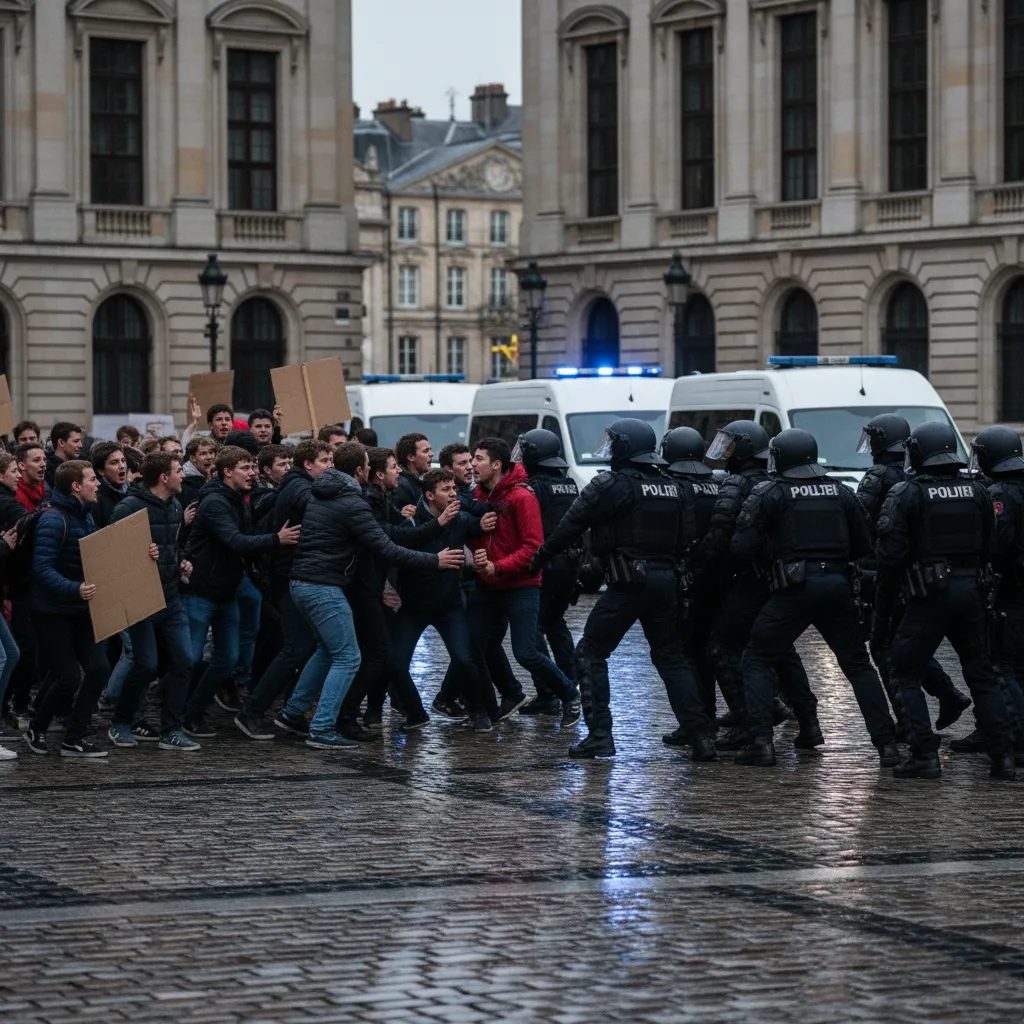
French Student Protests Spread, Prompting Global Concern
French student protests are spreading nationwide, with clashes and disruptions, drawing international attention as they broaden into a larger public order issue.

Middle East War Escalates, Raises Concerns for Energy Markets
Middle East war escalates with intensified fighting across Yemen and reported oil tanker attacks in Hormuz. This raises global concerns for energy markets and shipping routes.
Putin Warns West on Ukraine War Escalation 2026
Russian President Vladimir Putin warned the West against escalating the Ukraine war in 2026, fueling global alarm and raising anxiety among Cross Bay Boulevard residents.
Middle East Tensions Rise After Houthi Attack on Medina Power Substation
Middle East tensions escalate as Houthi rebels attack a power substation supplying Medina, raising global stability concerns for Cross Bay Boulevard residents. This could impact the economy.
Russian Missile and Drone Attacks Kill Two in Kyiv, Queens Reacts
Russian missile and drone attacks killed two in Kyiv. Cross Bay Boulevard residents react with sympathy, war-fatigue, and concerns about rising energy costs.
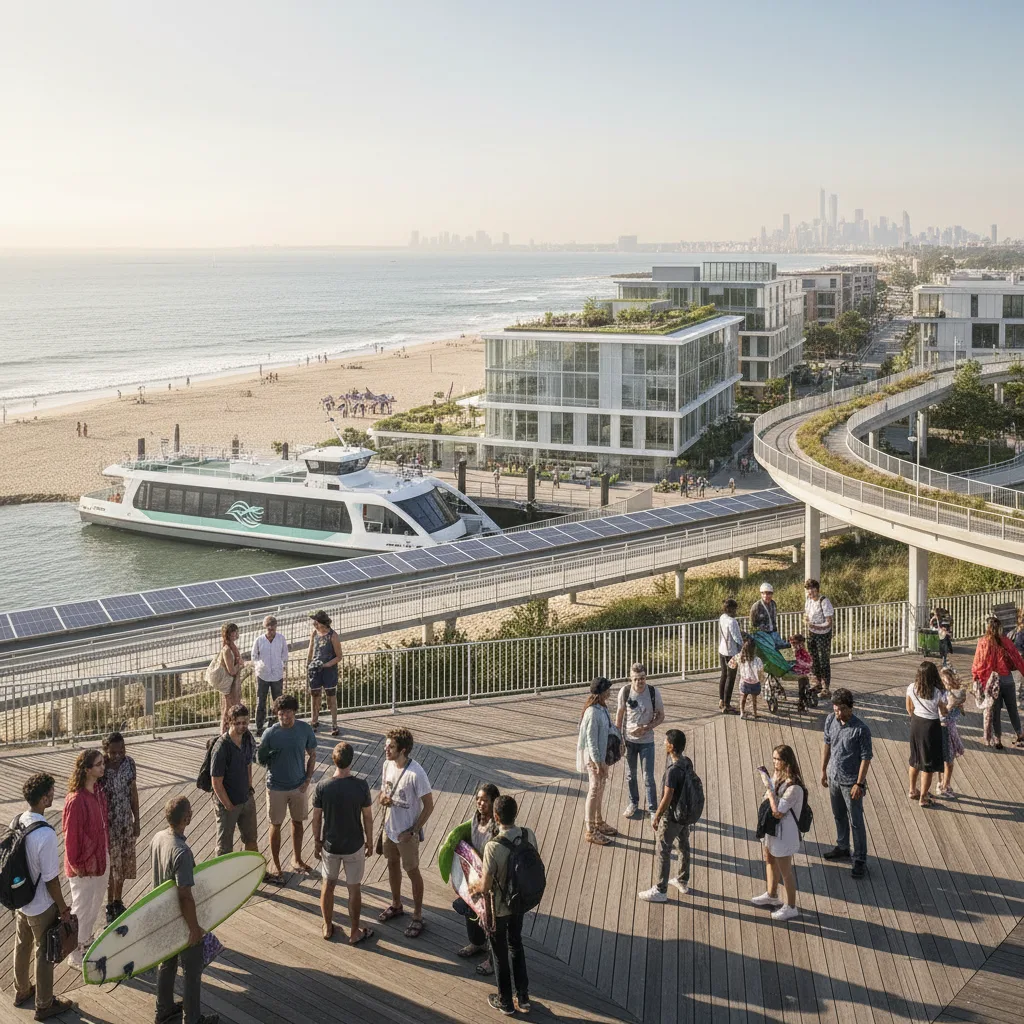
Your Essential Guide to the Rockaway Ocean Club in 2026
Discover what to expect at the Rockaway Ocean Club in 2026, a vibrant beachfront hub in Queens with dining, events, and community activities.