


Cross Bay Boulevard Businesses Face Economic Storm Impact

NEW YORK — A severe rainstorm in March 2026 unleashed extensive traffic delays and visibility issues along Cross Bay Boulevard, creating a significant economic storm for local businesses. This intense weather event severely impacted customer access and daily operations for numerous establishments.
The widespread disruption, which included flooded streets and near-impossible commutes, translated directly into substantial revenue losses. Businesses along the vital Queens artery are now assessing the full financial damage. CrossBay.news reported on the immediate chaos caused by the storm.
Customer Traffic Grinds to a Halt
The primary impact on Cross Bay Boulevard businesses stemmed from the dramatic reduction in customer traffic. With roads gridlocked and public transit severely disrupted, residents found it exceedingly difficult to reach local shops, restaurants, and service providers.
Many loyal patrons, unable to navigate the hazardous conditions, opted to stay home, resulting in empty storefronts during peak business hours. This immediate drop in patronage represented a significant financial blow to establishments reliant on consistent daily footfall.
Operational Challenges and Early Closures
Beyond just a lack of customers, businesses faced a myriad of operational challenges during the storm. Employees struggled to get to work, leading to staffing shortages and delays in opening.
Some business owners made the difficult decision to close their doors early, prioritizing the safety of their staff and customers. This further compounded the day's losses, turning a potentially busy day into a significant setback for the local economy.
Supply Chain Disruptions Affect Inventory
The extensive traffic delays also had a ripple effect on supply chains for many Cross Bay Boulevard businesses. Deliveries of fresh produce, baked goods, and other essential supplies were either severely delayed or canceled outright.
This disruption led to inventory shortages and an inability to offer full menus or product selections, further frustrating the few customers who managed to make it to the stores. Such logistical hurdles underscore the interconnectedness of urban commerce and infrastructure.
Calls for Business Support and Resilience Planning
In the wake of the storm, local chambers of commerce and business improvement districts are highlighting the need for increased support for Cross Bay Boulevard businesses. They are advocating for city assistance programs and resources to help mitigate future weather-related losses.
Discussions are also focusing on developing comprehensive resilience plans, including guidance on flood insurance, emergency preparedness, and alternative delivery routes. The goal is to equip businesses with the tools needed to weather such storms more effectively.
Long-Term Economic Outlook and Recovery
The March 2026 storm serves as a crucial reminder of the ongoing vulnerability of urban economies to extreme weather events. The recovery period for many small businesses on Cross Bay Boulevard could extend for weeks, as they work to recoup lost revenue and address any damages.
The incident prompts a broader conversation about urban planning that integrates climate resilience with economic stability. Ensuring the continued vitality of local commerce requires proactive investment in protective infrastructure and supportive business policies.
Frequently Asked Questions About Business Impact
How did the March 2026 storm specifically impact businesses on Cross Bay Boulevard? The severe rainstorm led to extensive traffic delays and flooding, which dramatically reduced customer traffic, caused operational challenges, and resulted in significant revenue losses for local businesses. What were the main reasons for the decline in customer traffic? Customers found it extremely difficult to reach businesses due to gridlocked roads, disrupted public transit, and hazardous driving and walking conditions caused by the storm. Did businesses face operational challenges during the storm? Yes, businesses experienced issues such as employee absenteeism, difficulties receiving supplies due to logistical disruptions, and many opted for early closures for safety reasons. What kind of support are businesses advocating for? Local business groups are calling for city assistance programs, resources for resilience planning, and guidance on flood insurance to help them recover and prepare for future weather events. What is the long-term outlook for Cross Bay Boulevard businesses after the storm? The storm highlights the ongoing need for robust infrastructure and supportive policies to ensure economic stability and resilience for local businesses in the face of increasingly frequent extreme weather events.
Written by
Newstrix
Cross Bay Current
Related Articles
More in Local Economy & Business →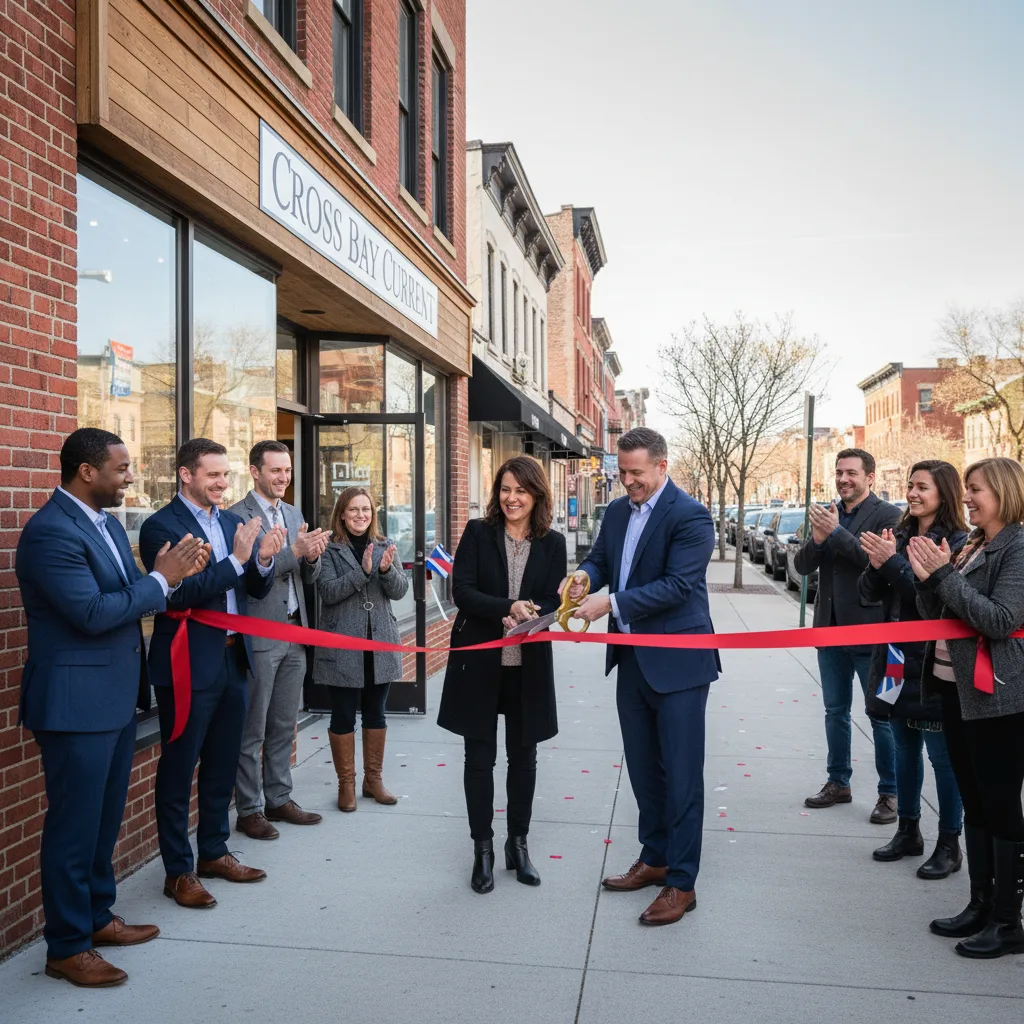
Cross Bay Boulevard Welcomes New Business with Grand Opening
A new business officially opened at 156-36 Cross Bay Boulevard with a ribbon-cutting ceremony on Friday, September 18, 2026, signaling local growth.
Iran's Foreign Minister Travels to China Amid West Asia Tensions
Iran's foreign minister travels to China amid West Asia tensions. Cross Bay Boulevard residents worry about oil prices, shipping, and local family budgets.
Queens Residents Brace for Trade Shocks as WTO Warns of Risks
The WTO warns of major global trade risks. Queens residents on Cross Bay Boulevard worry about rising prices for groceries and imports, preparing for supply delays.

Saudi Arabia Forms Maritime Coalition, Cross Bay Boulevard Reacts
Saudi Arabia launched a maritime coalition to protect shipping lanes. Cross Bay Boulevard residents fear higher prices and trade disruption if global tensions escalate.
Irish Whiskey Tariff Removal: Queens Businesses Eye Trade Impact 2026
Donald Trump announced plans to scrap the 10% tariff on Irish whiskey, a move that could impact Queens businesses along Cross Bay Boulevard and influence consumer prices.

Queens Residents Discuss Trump's Stance on Chinese Car Manufacturing
Cross Bay Boulevard residents discuss Trump’s stance on Chinese car manufacturing in the US, debating impacts on local jobs and vehicle prices.