


Queens Residents Discuss Trump's Stance on Chinese Car Manufacturing

NEW YORK — Queens residents in the Cross Bay Boulevard area are discussing President Donald Trump’s recent statement that he would not oppose Chinese automakers building cars in the U.S. The comment immediately fueled debate over trade, jobs, and industrial policy, according to reports from AsiaOne. This unexpected stance cuts against anticipated bipartisan resistance, sparking conversations about its potential effects on U.S.-China economic relations and the local automotive industry.
Cross Bay Boulevard Weighs Job and Price Impacts
People living along Cross Bay Boulevard are actively debating what this development could mean for local jobs and vehicle prices. The possibility of more Chinese-made vehicles entering the market raises questions about whether it would lower consumer costs or negatively impact American workers in the automotive sector. This local discussion reflects a broader concern among Queens residents regarding the shifting landscape of auto politics and its direct influence on their daily lives.
Local Automotive Businesses Under Scrutiny
Car dealerships, repair shops, and delivery workers around Cross Bay Boulevard are feeling pressure from these potential changes in auto policy. Many are closely watching the discussion surrounding Chinese car manufacturing in the U.S., anticipating how it might reshape their businesses in 2026. The local automotive ecosystem, from sales to maintenance, could face significant adjustments depending on the outcome of these trade and industrial policy debates.
Unconventional Stance on US-China Trade
President Trump's willingness to allow Chinese automakers to establish production facilities in the U.S. represents an unconventional approach to trade relations with China. This position contrasts with previous policies and rhetoric that focused on tariffs and protecting domestic manufacturing. His statement has opened a complex discussion about balancing economic competition with job creation, and how foreign investment might play a role in the American auto industry. The implications are far-reaching for U.S.-China economic relations.
Broader Economic Repercussions for Queens
The debate over Chinese car manufacturing in the U.S. has broader economic repercussions that resonate with Queens residents. Beyond the auto industry, there is speculation about how such a move could influence other sectors and the overall economic health of the borough. Residents are considering how potential shifts in trade policy could affect consumer spending, local business stability, and the job market across various industries. This conversation underscores the interconnectedness of global and local economies, a theme often discussed in Cross Bay Boulevard community forums.
Potential for Lower Vehicle Costs and Worker Concerns
One side of the debate argues that Chinese automakers building cars in the U.S. could lead to increased competition, potentially driving down vehicle prices for consumers. This could be a welcome development for Queens families looking for more affordable transportation options. However, the other side raises concerns about job security for American auto workers and the potential impact on established domestic manufacturers. The balance between consumer benefits and worker protection remains a central point of contention in these discussions.
Frequently Asked Questions
How might Chinese car manufacturing in the U.S. impact job availability for Queens residents?
If Chinese automakers establish manufacturing plants in the U.S., it could create new jobs in production and related sectors, potentially benefiting some Queens residents. However, concerns exist that increased competition could also lead to job displacement within existing American auto companies or their supply chains. The net effect on job availability for Queens residents would depend on the scale of these new operations and the competitive responses of established automakers, a topic of intense discussion along Cross Bay Boulevard, as reported by AsiaOne.
What are the long-term implications for local car dealerships on Cross Bay Boulevard if this policy moves forward?
Local car dealerships on Cross Bay Boulevard could experience significant changes if Chinese-made vehicles are manufactured and sold more widely in the U.S. They might need to adapt their sales strategies to incorporate new brands and models, or face increased competition from new market entrants. The long-term implications could include shifts in market share, pricing pressures, and the need for dealerships to diversify their offerings to remain competitive in a potentially transformed automotive landscape. This adds another layer of complexity for businesses already navigating global economic shifts.
Written by
Newstrix
Cross Bay Current
Related Articles
More in Local Economy & Business →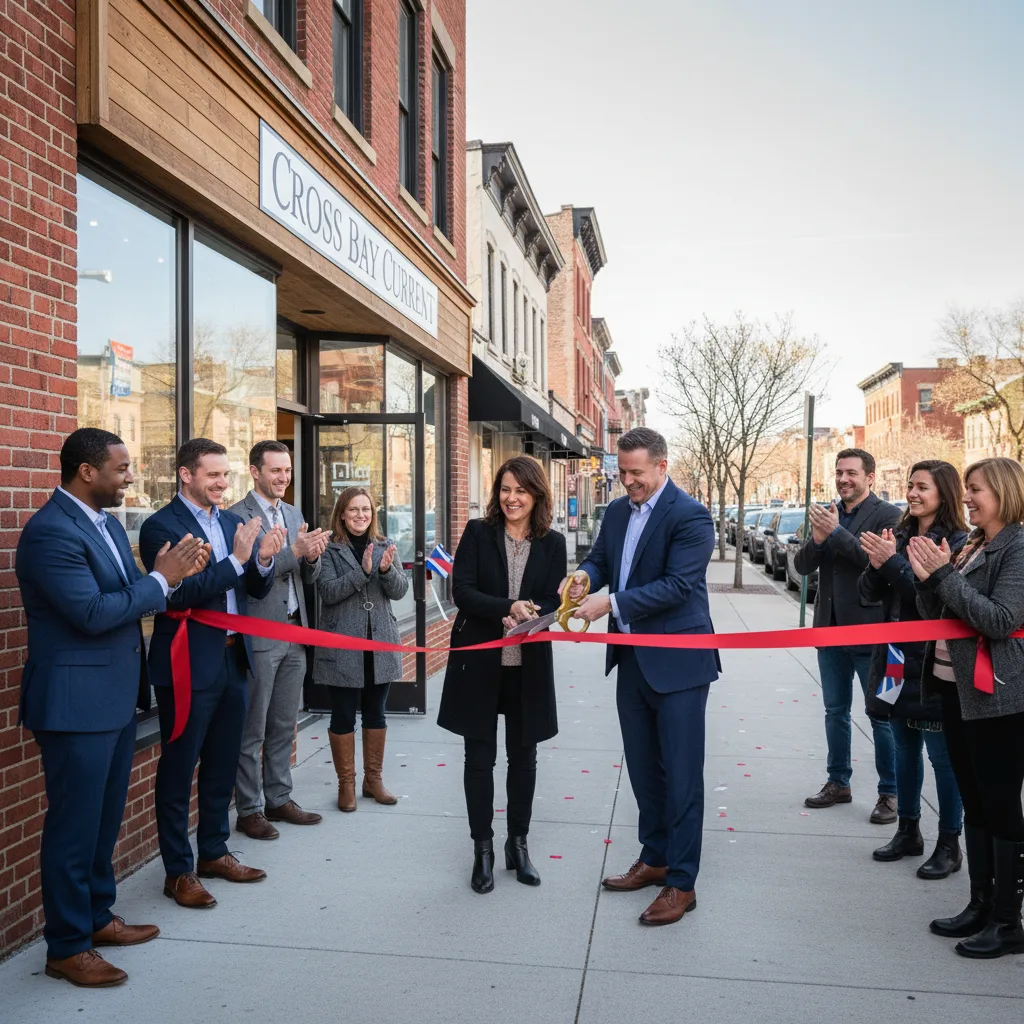
Cross Bay Boulevard Welcomes New Business with Grand Opening
A new business officially opened at 156-36 Cross Bay Boulevard with a ribbon-cutting ceremony on Friday, September 18, 2026, signaling local growth.
Iran's Foreign Minister Travels to China Amid West Asia Tensions
Iran's foreign minister travels to China amid West Asia tensions. Cross Bay Boulevard residents worry about oil prices, shipping, and local family budgets.
Queens Residents Brace for Trade Shocks as WTO Warns of Risks
The WTO warns of major global trade risks. Queens residents on Cross Bay Boulevard worry about rising prices for groceries and imports, preparing for supply delays.
Saudi Arabia Forms Maritime Coalition, Cross Bay Boulevard Reacts
Saudi Arabia launched a maritime coalition to protect shipping lanes. Cross Bay Boulevard residents fear higher prices and trade disruption if global tensions escalate.
Irish Whiskey Tariff Removal: Queens Businesses Eye Trade Impact 2026
Donald Trump announced plans to scrap the 10% tariff on Irish whiskey, a move that could impact Queens businesses along Cross Bay Boulevard and influence consumer prices.
US Commerce Department Finalizes Steep Solar Duties from Asia
US Commerce Department finalized steep solar duties from Asia. Cross Bay Boulevard residents worry about rising electric bills and rooftop solar costs.