


Indonesian Ferry Disaster Leaves About 130 Missing in Java Sea
NEW YORK — Rescuers in Indonesia announced Sunday that approximately 130 passengers and crew are missing after a ferry carrying more than 240 people sank in bad weather in the Java Sea. NPR reported the developing tragedy, noting that the casualty count is still changing and a massive search effort is ongoing, drawing global attention.
Indonesian Ferry Disaster Impacts Cross Bay Boulevard Residents
On Cross Bay Boulevard, residents are responding to the Indonesian ferry disaster with a mix of sympathy and recognition, particularly families with ties to maritime travel or relatives abroad. Conversations in local shops and on the street are centering on travel safety, emergency response, and prayers for the missing, rather than broader political implications. The scale of the loss has deeply affected many in the community.
The sinking occurred in the Java Sea during severe weather conditions, with initial reports indicating the vessel encountered large waves and strong winds. The ferry, a vital mode of transport in the Indonesian archipelago, carried a large number of passengers, many of whom were likely traveling between islands. These types of incidents highlight the inherent risks of sea travel in challenging environments.
Ongoing Search and Rescue Operations
Indonesian authorities have mobilized extensive search and rescue operations involving multiple agencies, including the navy, coast guard, and local disaster management teams. The focus is on locating survivors and recovering victims from the vast expanse of the Java Sea. Challenging weather conditions continue to hamper efforts, making the search extremely difficult and dangerous for rescuers.
Updates from NPR and other international news outlets indicate the search area is expansive, and hopes of finding more survivors diminish with each passing hour. Families of the missing are gathered at ports, awaiting news of their loved ones, facing an agonizing wait. The incident has prompted calls for renewed focus on maritime safety regulations in the region.
Maritime Safety Concerns Resonate in Queens
The news of the Indonesian ferry disaster resonates strongly with Queens residents, especially those familiar with the importance of ferries in coastal communities, or those with personal connections to maritime industries. The tragedy serves as a stark reminder of the potential dangers of sea travel and the critical need for robust safety standards, particularly for vessels carrying large numbers of people. Locally, residents often discuss the safety of New York City's own ferry systems.
Concerns about maritime safety are not new, and major incidents often spur discussions about regulations, vessel maintenance, and emergency preparedness. For communities along Cross Bay Boulevard, understanding safe transit is crucial, as many rely on local waterways for recreation and transportation. The human element of these disasters often overshadows political debates in local discourse.
Global Reactions and Community Solidarity
The international community has expressed condolences and offered assistance to Indonesia. Such large-scale disasters often evoke global solidarity, with countries offering resources and expertise to aid in recovery efforts. This global response highlights the universal impact of such tragedies, transcending geographical boundaries.
In Queens, community organizations and places of worship may hold vigils or offer support to families affected by global events, particularly those with ties to the regions impacted. These acts of solidarity underscore the compassionate nature of the community along Cross Bay Boulevard. For broader context on maritime incidents, see Cross Bay Boulevard commuters face travel anxiety after ferry disaster off Vanuatu.
The Human Cost of Maritime Tragedies
The human cost of the Indonesian ferry disaster is immense, with families facing unimaginable grief and uncertainty. Beyond the immediate loss of life, such events can have long-lasting psychological and economic impacts on affected communities. The ripple effects of these tragedies are felt far beyond the immediate location of the incident.
Stories of survival and heroism often emerge from such disasters, but they are often overshadowed by the sheer scale of the loss. The focus of rescuers remains on bringing closure to families and ensuring that lessons are learned to prevent future occurrences. The tragedy is a somber reminder of the power of nature and the vulnerability of maritime transport.
Frequently Asked Questions
How can Cross Bay Boulevard residents support victims of global disasters?
Cross Bay Boulevard residents can support victims of global disasters like the Indonesian ferry sinking by donating to reputable international aid organizations, participating in local fundraising efforts, or offering prayers and moral support. Many organizations provide direct relief, medical aid, and long-term recovery assistance to affected communities.
What safety measures are typically in place for ferries in New York City?
Ferries in New York City adhere to strict safety regulations enforced by the U.S. Coast Guard, including regular inspections, mandatory life-saving equipment, trained crew, and capacity limits. These measures aim to ensure the safety of passengers and crew, especially during challenging weather conditions or emergencies.
Why do maritime disasters often resonate with Queens residents?
Maritime disasters often resonate with Queens residents due to the borough's coastal location, historical ties to shipping and fishing, and the presence of communities with family connections to seafaring nations. Local discussions often involve the safety of water travel, especially concerning local ferry services and recreational boating activities.
Written by
Newstrix
Cross Bay Current
Related Articles
More in National & World →
Cross Bay Boulevard Residents React to Ukraine War Strikes in Kyiv
Cross Bay Boulevard residents express deep concern and sympathy following Russian strikes in Kyiv and Odesa that injured 13 people.
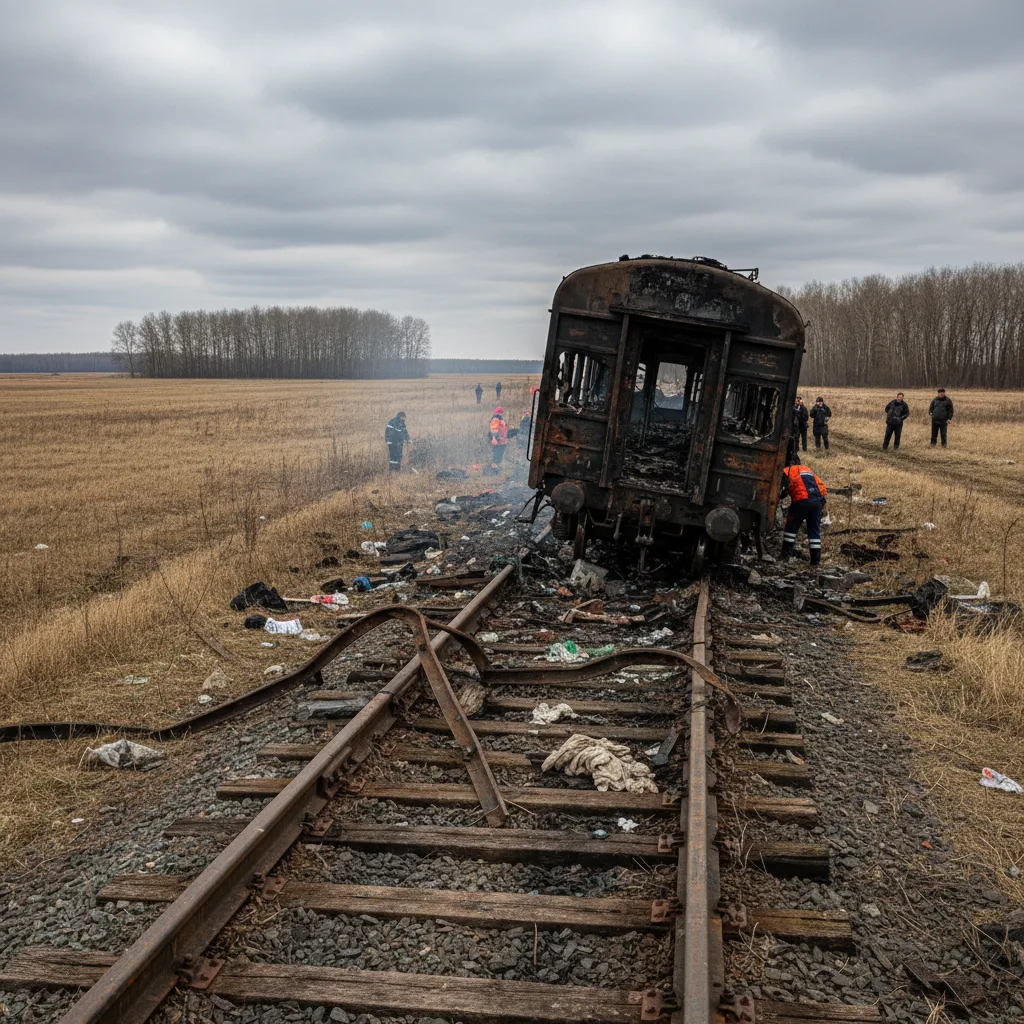
Russian Drone Strikes Ukraine Train After Johnson Visit, Global Alarm Rises 2026
A Russian drone struck a Ukrainian train after Boris Johnson passed through, fueling global alarm. Queens residents watch the impacts of distant conflicts.
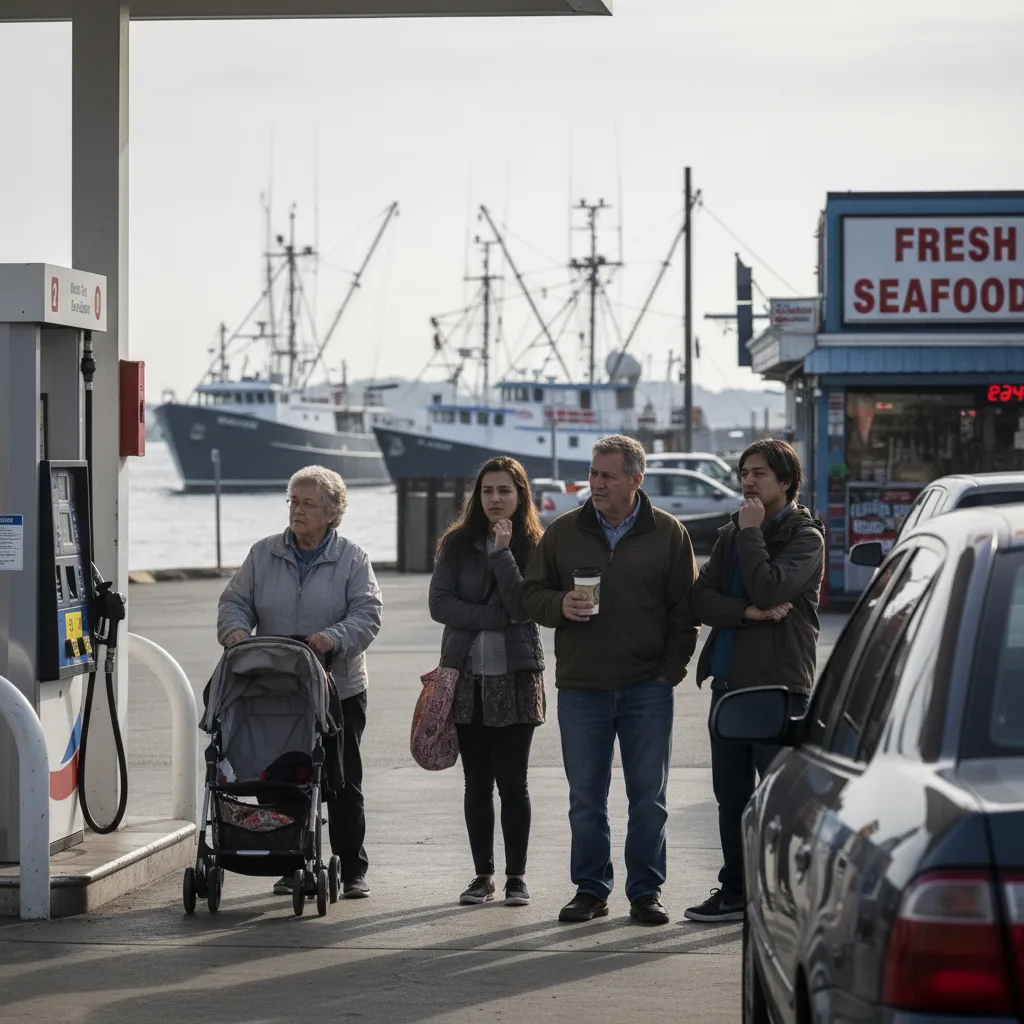
Iranian Commercial Vessel Struck in Strait of Hormuz, One Killed
An Iranian commercial vessel was struck in the Strait of Hormuz, killing one. Cross Bay Boulevard residents fear higher gas prices and shipping delays.
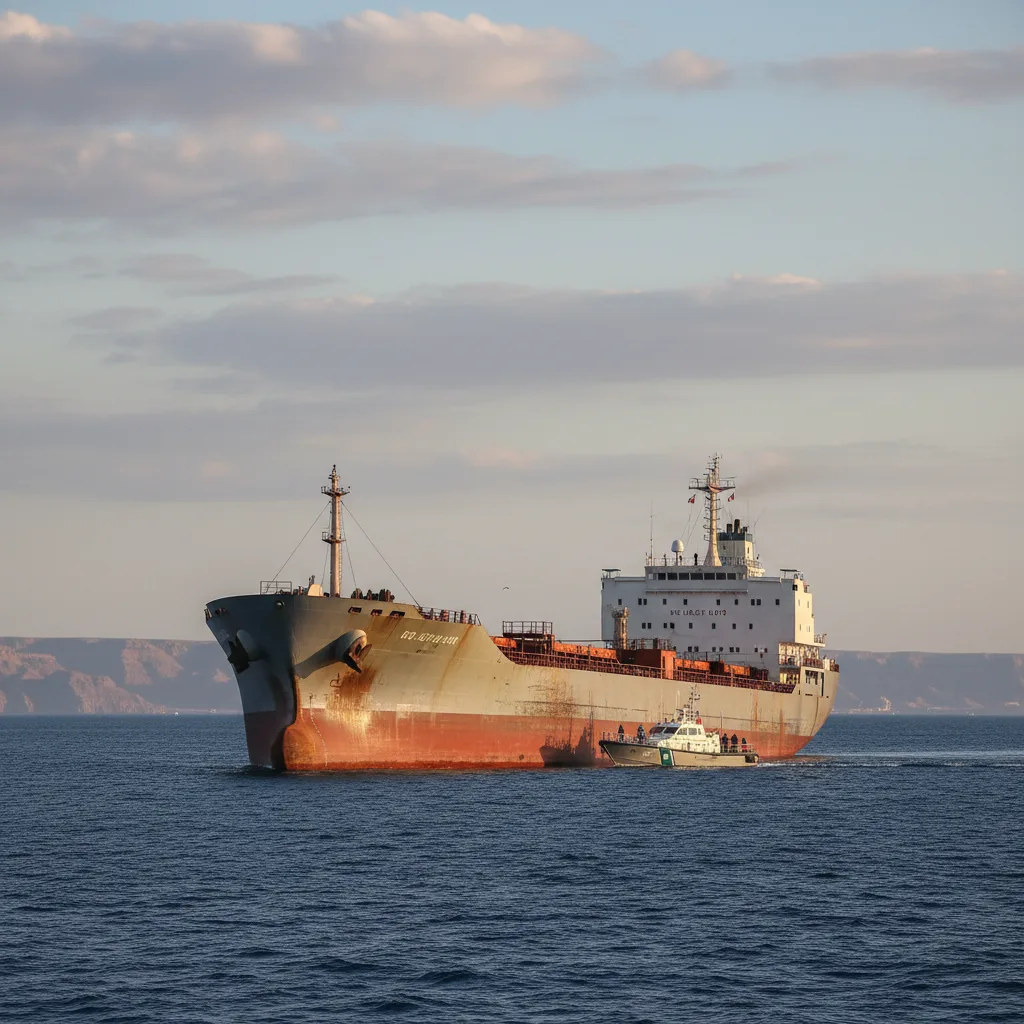
Merchant Vessel Struck Near Iran, One Fatality Reported
A merchant vessel was struck near Iran’s Strait of Hormuz, killing one and injuring three. The incident raises local concerns about gas prices and shipping disruptions.
Cross Bay Boulevard Residents Anxious Over Zelenskyy Drone Incident
Cross Bay Boulevard residents react with anxiety and fatigue after Ukrainian President Zelenskyy's plane nearly hit by a drone near Moldova.
Queens Residents Grapple with Escalating US-Iran Conflict 2026
Queens residents are feeling increased war anxiety and concern over rising gas prices following a US strike on an Iranian tanker in 2026, triggering retaliatory attacks.