


Cross Bay Boulevard: March 2026 Storm Causes Traffic Chaos

NEW YORK — A severe rainstorm impacted Cross Bay Boulevard on March 18, 2026, causing widespread traffic disruptions and hazardous driving conditions across Queens. Commuters faced significant delays as key intersections became impassable due to flash flooding and fallen debris. The potent weather system brought heavy downpours and strong winds throughout the morning commute.
The storm, which began around 5:00 AM, quickly escalated, overwhelming local drainage systems according to the Department of Transportation. Several stretches of Cross Bay Boulevard, a vital artery for southern Queens, experienced standing water exceeding six inches deep. Emergency services received numerous calls for stranded vehicles and minor accidents throughout the morning hours.
Unprecedented Rainfall Leads to Gridlock
Rainfall totals for the day were recorded at over three inches in some parts of Queens, significantly higher than typical for early spring. This intense precipitation, combined with high tides, exacerbated flooding issues in low-lying areas adjacent to Jamaica Bay. Local traffic reports indicated unprecedented gridlock from the Belt Parkway all the way south to the Broad Channel Bridge.
Commuters reported two-hour delays on routes that normally take 20 minutes, expressing frustration over the lack of advance warning. Many drivers opted to abandon their cars on side streets, walking significant distances to reach public transportation or their workplaces. The MTA briefly suspended express bus service along the boulevard due to hazardous road conditions and low visibility.
Emergency Response and Road Closures
NYPD and FDNY units were dispatched to manage traffic flow and assist residents in affected areas. Several segments of Cross Bay Boulevard were temporarily closed to through traffic as crews worked to clear drains and remove storm-related debris. The closures further complicated travel for thousands of Queens residents trying to navigate the morning rush.
Emergency services rescued at least a dozen individuals from submerged vehicles, though no serious injuries were immediately reported by local authorities. The swift response from first responders helped prevent more severe outcomes during the chaotic weather event. The Office of Emergency Management issued advisories urging residents to avoid non-essential travel throughout the day.
Infrastructure Resilience Under Scrutiny
The March 2026 storm has once again raised questions about the resilience of Queens' infrastructure in the face of increasingly frequent severe weather events. Residents and local officials have previously called for upgrades to the drainage systems along Cross Bay Boulevard. Concerns about the aging stormwater infrastructure have been a recurring topic at community board meetings for years.
Previous studies commissioned by the city in 2024 highlighted specific vulnerabilities in the borough’s drainage network, especially in areas like Howard Beach and Ozone Park. These reports emphasized the need for substantial investment to mitigate the impact of future climate-related challenges. The storm's aftermath adds urgency to these long-standing infrastructure debates, as detailed by Cross Bay news reporting.
Community Impact and Commuter Frustration
Local businesses along Cross Bay Boulevard reported a significant drop in foot traffic and deliveries due to the morning's severe weather conditions. Many employees were unable to reach work, leading to temporary closures or reduced operating hours. The economic ripple effect of such a disruptive event is substantial for small businesses in the area.
Parents struggled with school commutes, with many school buses running hours behind schedule or being rerouted. The delay impacted student attendance and created logistical challenges for families throughout the day. Community groups began organizing mutual aid efforts to check on vulnerable neighbors and offer assistance where needed.
Long-Term Weather Predictions for Queens
Meteorologists with the National Weather Service indicated that the potent storm system was part of a larger pattern of intense, localized weather events affecting the tri-state area. Climate models suggest an increase in the frequency and intensity of such storms in coming years. This prediction underscores the critical need for proactive measures to protect urban infrastructure.
City planners are reviewing updated flood maps and considering new strategies for urban stormwater management to address these evolving climatic threats. The experience of March 2026 will undoubtedly inform these future planning efforts. Discussions have begun regarding green infrastructure solutions to absorb excess rainfall more effectively.
Frequently Asked Questions About Cross Bay Boulevard Storm
What caused the extensive flooding on Cross Bay Boulevard on March 18, 2026? The flooding was primarily caused by an intense rainstorm that delivered over three inches of rain in a short period, overwhelming the existing stormwater drainage systems. This was exacerbated by high tides in adjacent Jamaica Bay, preventing efficient runoff.
Were there any injuries or significant damage reported? Emergency services rescued several individuals from stranded vehicles, but no serious injuries were reported by local authorities. While there was widespread traffic disruption and minor accidents, major structural damage to buildings along the boulevard was not immediately apparent.
What steps is the city taking to prevent future flooding? The city is currently reviewing infrastructure plans and considering upgrades to the drainage systems along Cross Bay Boulevard. Discussions are underway regarding long-term investments in stormwater management and green infrastructure solutions to better handle severe weather events.
How did the storm impact public transportation? The MTA temporarily suspended express bus service along Cross Bay Boulevard due to hazardous road conditions and poor visibility. Many local bus routes experienced significant delays and reroutes, causing major disruptions for commuters relying on public transit.
Where can residents find more information about flood preparedness? Residents can find information on flood preparedness and local emergency alerts through the city's Office of Emergency Management website. Local community boards also provide resources and host meetings to discuss infrastructure concerns and community resilience efforts.
Written by
Newstrix
Cross Bay Current
Related Articles
More in Health & Weather →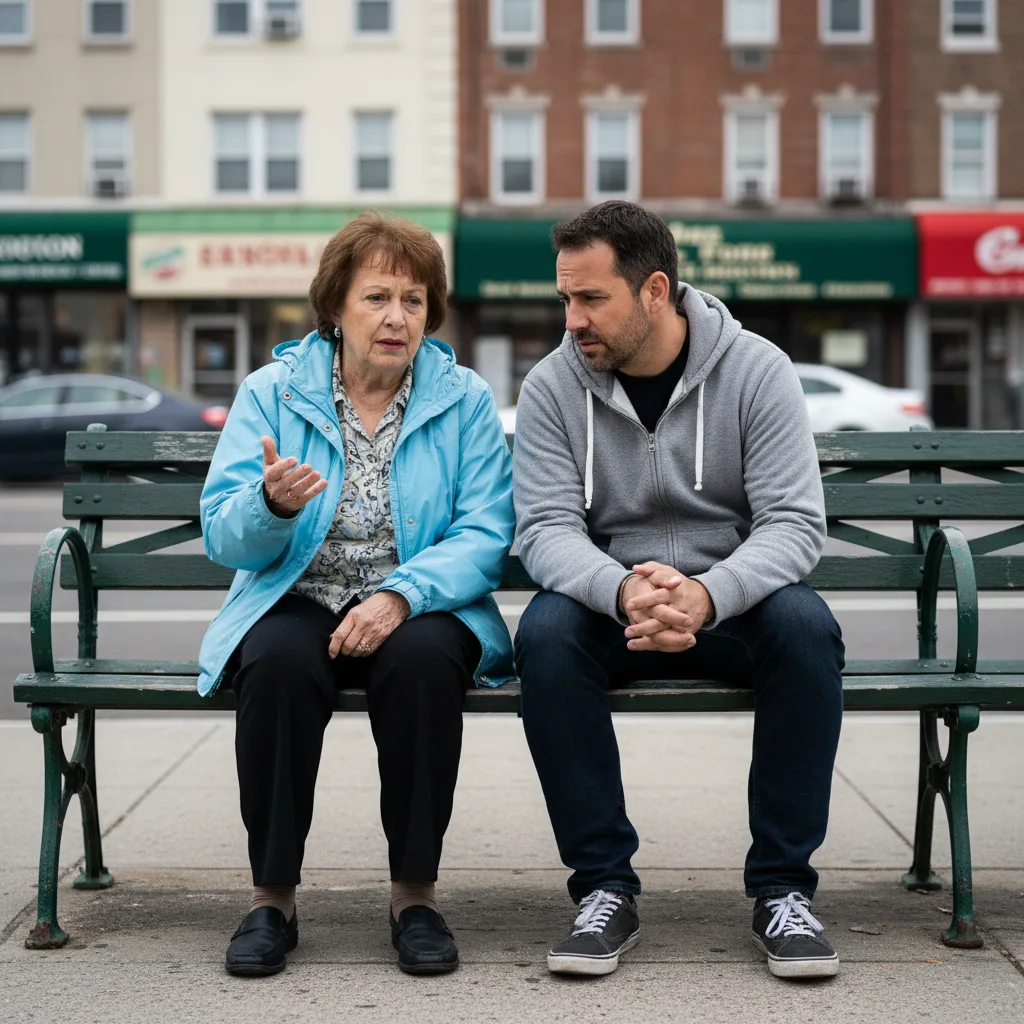
Cross Bay Boulevard Residents Concerned by Congo Ebola Surge
Congo Ebola cases exceed 5,000, causing concern among Cross Bay Boulevard residents about masks, travel, and health security. Queens locals view it as a public health warning.
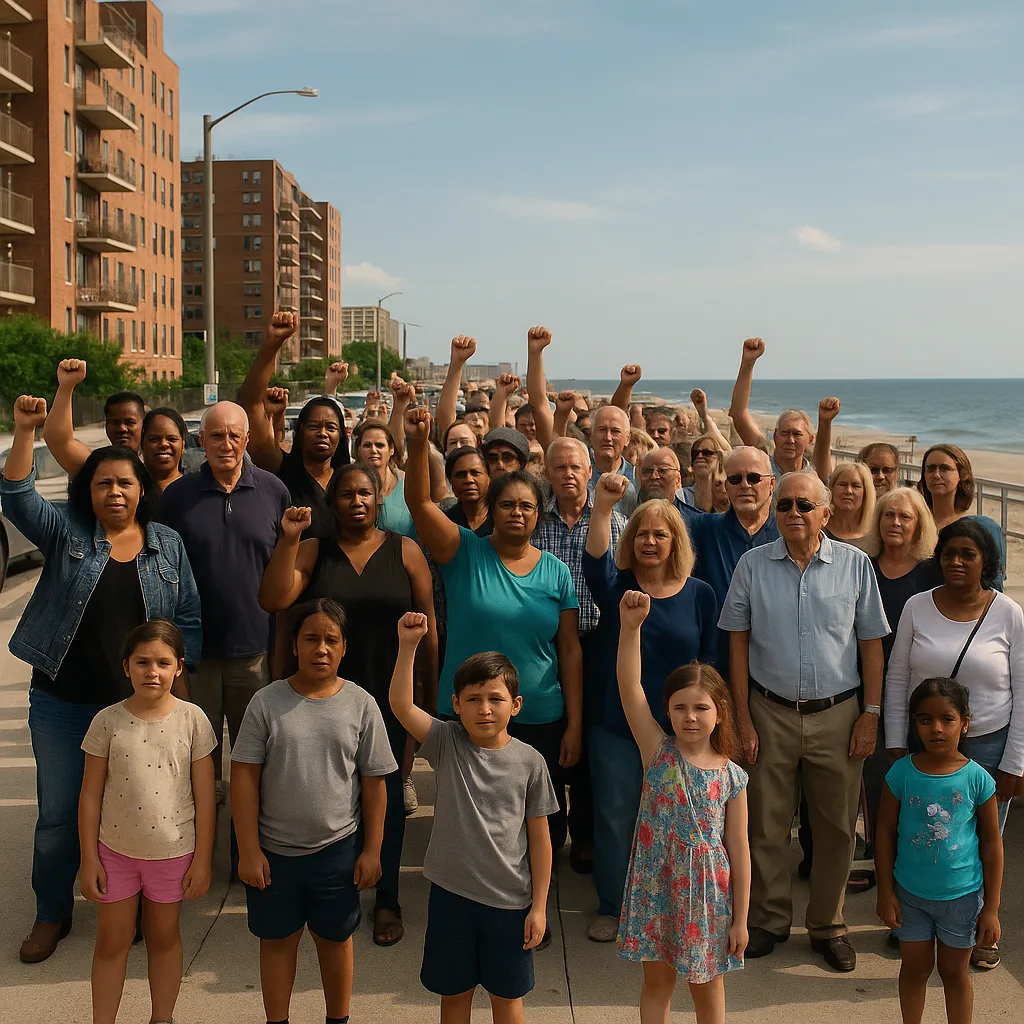
Mamdani Pushed to Fully Fund Far Rockaway Trauma Center with $150M
Elected officials and advocates urge Mayor Mamdani to fully fund the Far Rockaway trauma center, citing a $150 million budget gap crucial for Queens residents.
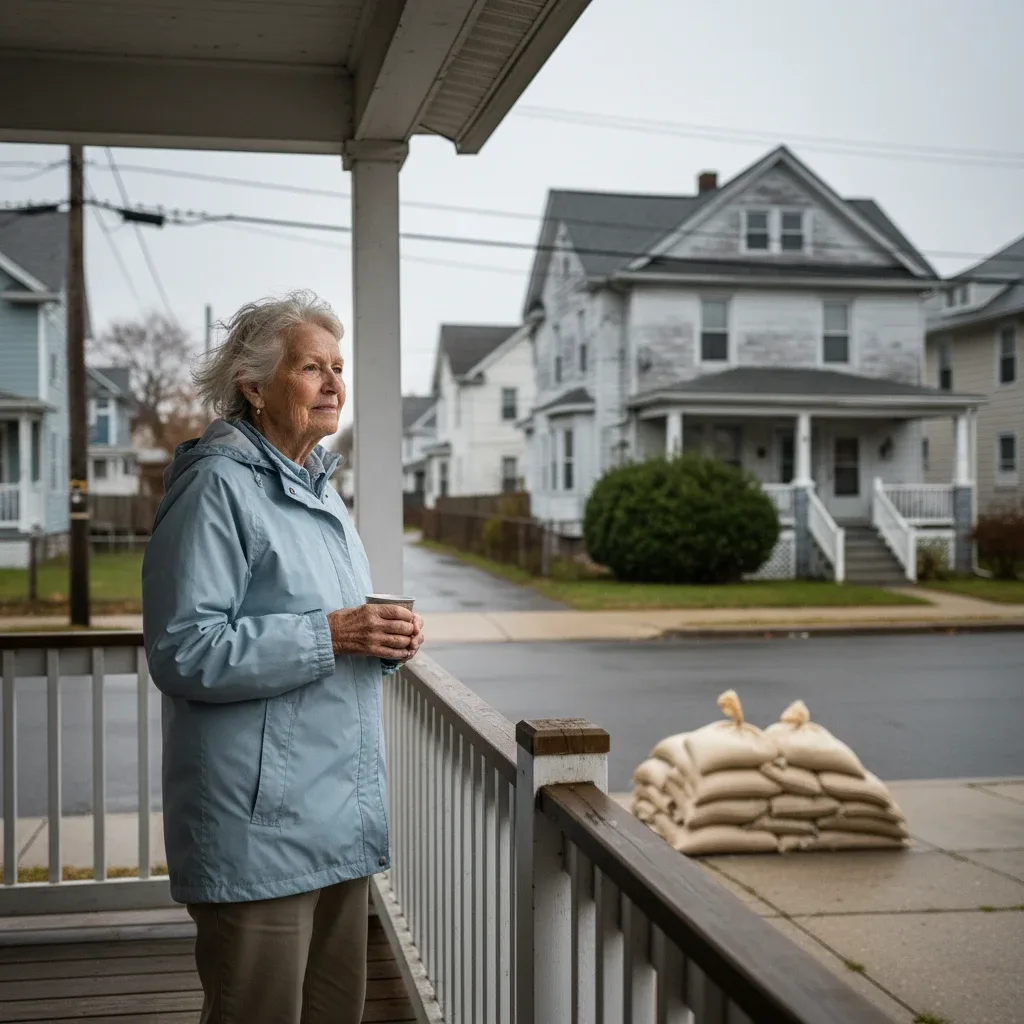
Cross Bay Boulevard Residents Prepare for Typhoon Bavi's Potential Impact
Cross Bay Boulevard residents are preparing for Typhoon Bavi's potential ripple effects, including travel and supply chain disruptions. The storm brings memories of past weather events to Queens.

Cross Bay Boulevard Residents Monitor Typhoon Bavi Path, Prepare for Potential Impact
Cross Bay Boulevard residents are preparing for potential severe weather impacts as Typhoon Bavi churns toward Taiwan, prompting emergency advisories.
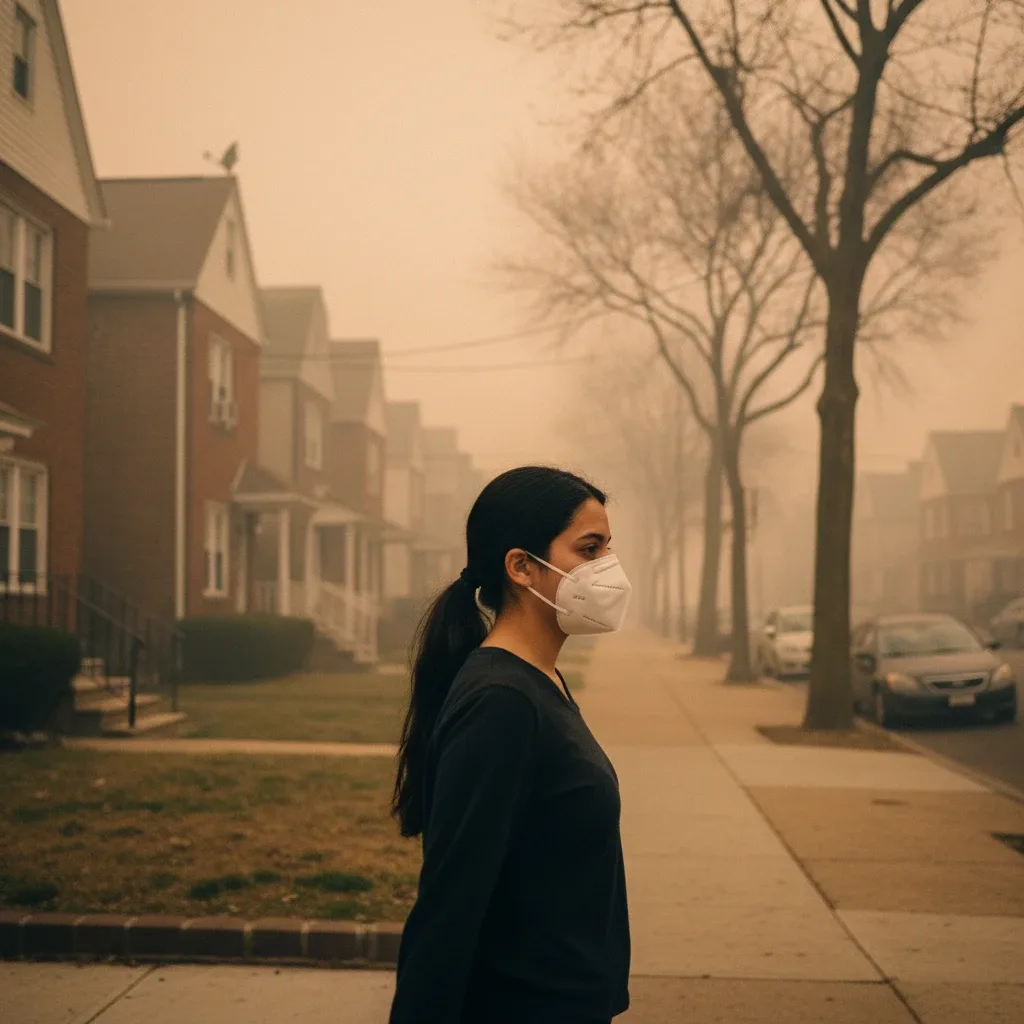
Cross Bay Boulevard Sees Over 100 Million Under Air Quality Alert
Over 100 million people, including Cross Bay Boulevard residents, were under an air quality alert due to Canadian wildfire smoke.
100 Million Under Air Quality Alert as Wildfire Smoke Chokes Cross Bay Boulevard
Over 100 million people are under air quality alerts as Canadian wildfire smoke chokes Cross Bay Boulevard, Queens. Residents cancel outdoor activities, and businesses move inside due to the thick, unhealthy haze affecting daily life.