


Cross Bay Boulevard Residents Concerned as Russia-Ukraine Ceasefire Fails

NEW YORK — The fragile U.S.-brokered ceasefire between Russia and Ukraine has collapsed, with both nations accusing the other of immediate violations. This renewed escalation of conflict has ignited deep concern among residents of Cross Bay Boulevard, many of whom have direct family ties to Eastern Europe and watch developments with a profound sense of anxiety and dread.
News of the ceasefire's failure, which took effect just Sunday, quickly spread through Queens neighborhoods with significant Ukrainian, Russian, and Eastern European populations. At local bakeries, community centers, and even during casual conversations in cafes along Cross Bay Boulevard, the primary topic has shifted to the renewed conflict and fears for loved ones abroad. The prospects for peace, once briefly hopeful, now appear dim.
Community Expresses Deep Anxiety and Fear
"My parents live near Kyiv, and we thought, just for a moment, that maybe the bombing would stop," shared Oksana Petrova, a Ukrainian-American resident of Howard Beach, her voice trembling. Petrova, who owns a small gift shop on Cross Bay Boulevard, told reporters on Monday morning that her family had been planning a trip to visit relatives in December 2026, but those plans are now indefinitely on hold. "Every news alert is a jolt to the heart. We just want peace for our homeland."
The sentiment is echoed by others in the area. Ivan Volkov, a Russian-American from Ozone Park, expressed his dismay at the breakdown of the agreement. "This ceasefire was a chance for a pause, for diplomacy. Now it's back to square one, with more lives at risk," Volkov noted, emphasizing the shared humanity and suffering on both sides. Many residents often feel caught between the geopolitical tensions, with family members on both sides of the conflict.
Local Leaders Field Calls for Support
Community leaders in Queens are reporting a significant increase in calls from worried families seeking information, updates, and pathways for humanitarian assistance. The Slavic Community Center of Queens, located just a few blocks east of Cross Bay Boulevard, has become a hub for residents seeking reassurance and resources. Director Anya Volkov (no relation to Ivan Volkov mentioned above) confirmed the surge in inquiries.
"Since Sunday, our phones haven't stopped ringing," Director Volkov told CBS News. "People are asking about safe corridors, about how to send aid, about the mental health support available for their children who are watching this unfold. The emotional toll here is immense." The center is organizing a community vigil for peace later this week, hoping to provide a collective space for shared grief and hope. The global news reports can be accessed via CBS News World.
Impact on Local Plans and Cross-Cultural Dialogue
Beyond emotional distress, the renewed conflict is having tangible effects on local plans. Several residents have mentioned postponing or canceling planned visits to relatives in the region, wary of travel risks and the uncertain situation on the ground. This also affects local businesses that rely on remittances or cross-cultural exchange.
Discussions along Cross Bay Boulevard have highlighted the complex nature of the conflict, with different families holding varied perspectives shaped by their personal histories and affiliations. Despite these differences, there is a prevailing desire for peace and an end to the suffering. The local area, a melting pot of cultures, often serves as a microcosm for global events, with the community response reflecting the diverse impacts of international crises.
International Implications and Local Echoes
The U.S. State Department released a statement expressing deep disappointment over the ceasefire's failure, urging both sides to de-escalate immediately. However, the accusations and counter-accusations have already begun to poison diplomatic efforts. For residents along Cross Bay Boulevard, these international headlines translate directly into fears for their family members, friends, and the broader cultural heritage they hold dear.
The ongoing conflict also influences local political discourse, with community members advocating for various forms of U.S. intervention or humanitarian aid. The situation underscores the deep interconnectedness of global affairs and local communities, demonstrating how distant conflicts can profoundly shape daily life and emotional well-being in Queens. For other relevant news affecting the community, visit Cross Bay Current.
Frequently Asked Questions About the Russia-Ukraine Conflict
Q: Why are residents along Cross Bay Boulevard particularly concerned about the Russia-Ukraine ceasefire failure? A: Many residents in the communities around Cross Bay Boulevard have direct family members and deep cultural ties to both Ukraine and Russia. The renewed conflict directly impacts their loved ones abroad, leading to significant anxiety, fear for safety, and the postponement of family visits.
Q: What kind of support are local community organizations providing? A: Community centers, such as the Slavic Community Center of Queens, are fielding increased calls for information, humanitarian assistance pathways, and emotional support. They are organizing community gatherings and vigils to provide a space for residents to share their concerns and find solidarity.
Q: How is the conflict affecting local residents' daily lives beyond emotional distress? A: Beyond the significant emotional toll, the conflict is causing residents to cancel or postpone planned visits to Eastern Europe, impacting personal travel plans and family connections. It also influences local discussions and advocacy efforts within the diverse communities along Cross Bay Boulevard.
Written by
Newstrix
Cross Bay Current
Related Articles
More in National & World →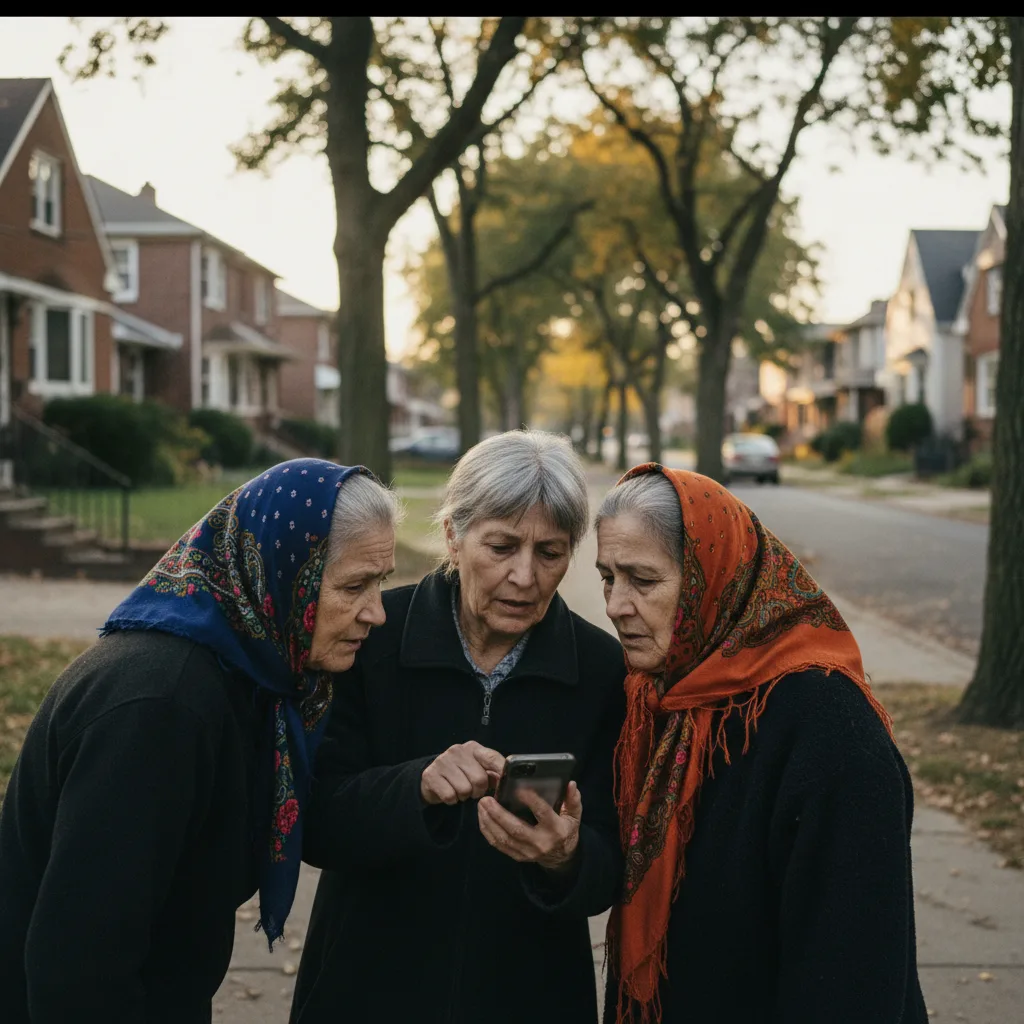
Cross Bay Boulevard Residents React to Ukraine War Strikes in Kyiv
Cross Bay Boulevard residents express deep concern and sympathy following Russian strikes in Kyiv and Odesa that injured 13 people.
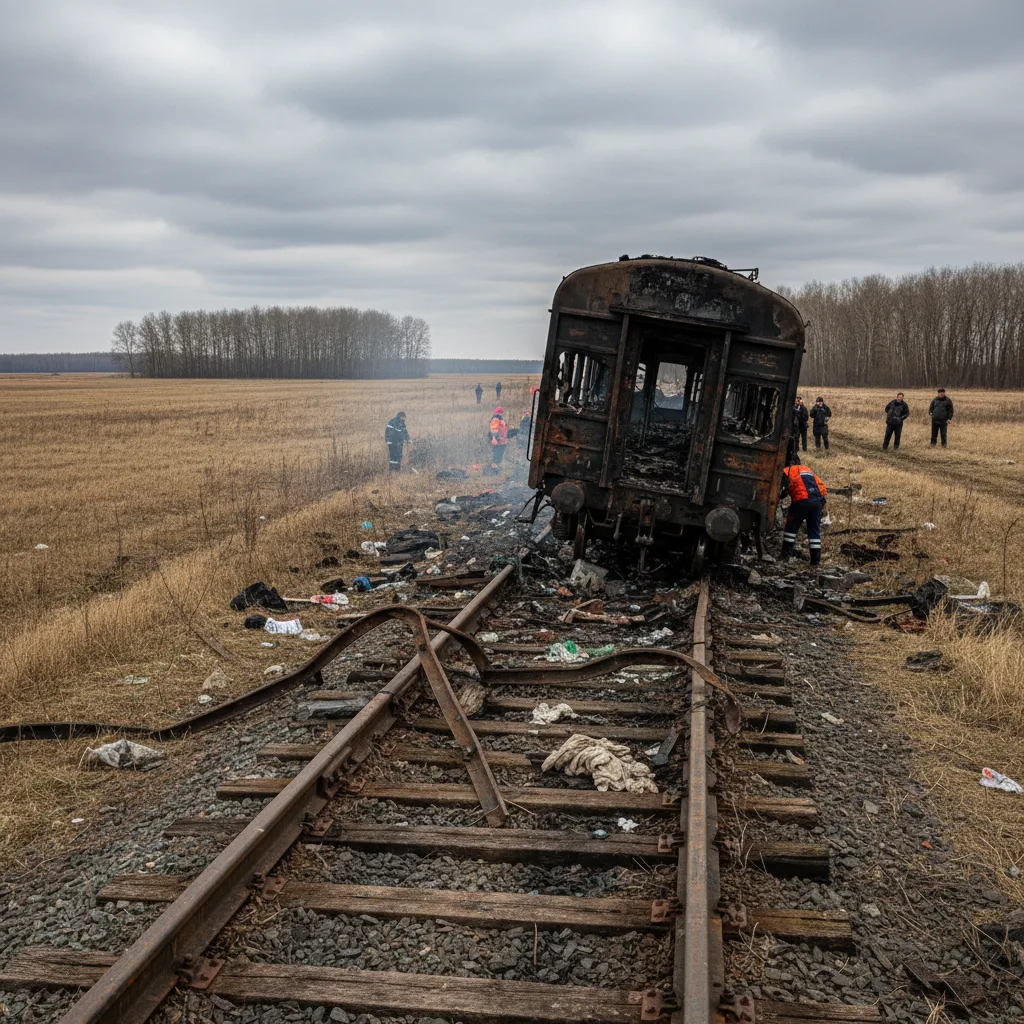
Russian Drone Strikes Ukraine Train After Johnson Visit, Global Alarm Rises 2026
A Russian drone struck a Ukrainian train after Boris Johnson passed through, fueling global alarm. Queens residents watch the impacts of distant conflicts.

Indonesian Ferry Disaster Leaves About 130 Missing in Java Sea
An Indonesian ferry sank in bad weather in the Java Sea, leaving about 130 missing. Cross Bay Boulevard residents express sympathy and concern over travel safety.
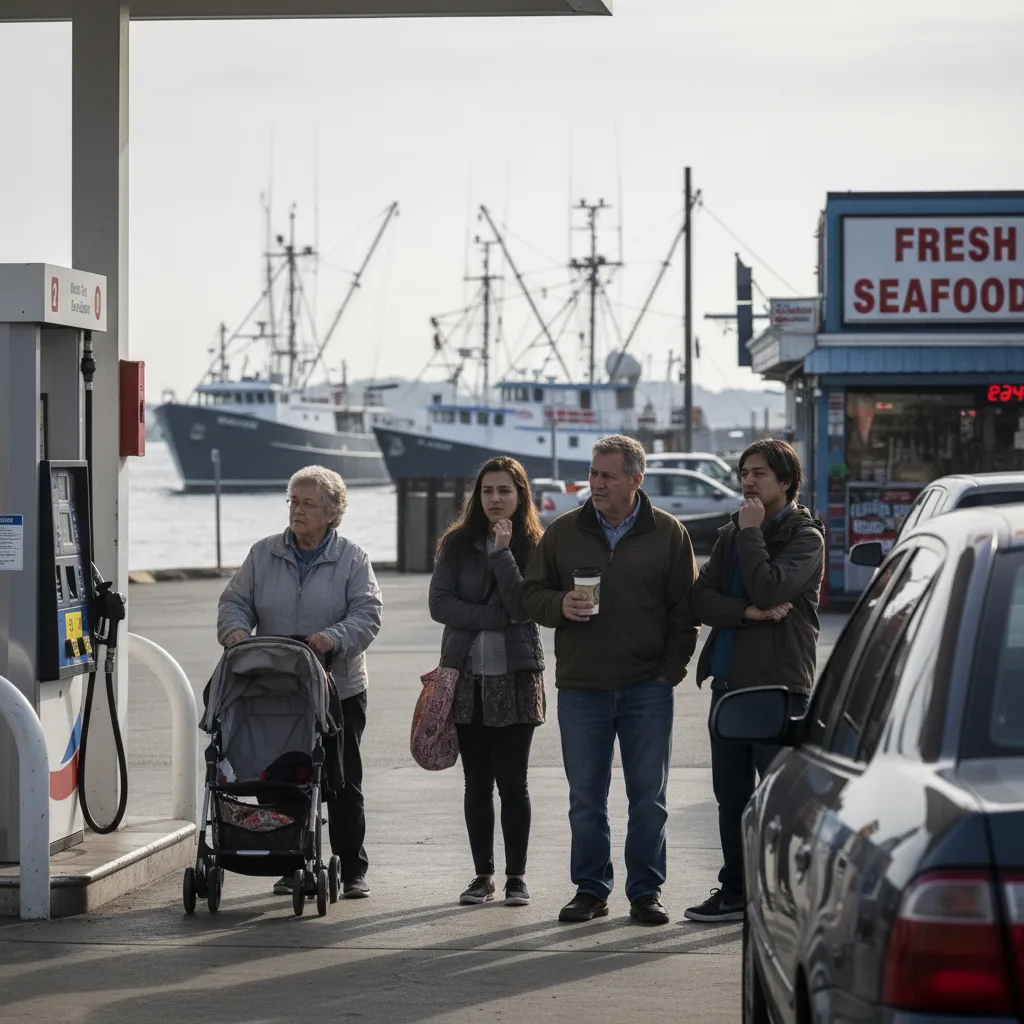
Iranian Commercial Vessel Struck in Strait of Hormuz, One Killed
An Iranian commercial vessel was struck in the Strait of Hormuz, killing one. Cross Bay Boulevard residents fear higher gas prices and shipping delays.

Merchant Vessel Struck Near Iran, One Fatality Reported
A merchant vessel was struck near Iran’s Strait of Hormuz, killing one and injuring three. The incident raises local concerns about gas prices and shipping disruptions.
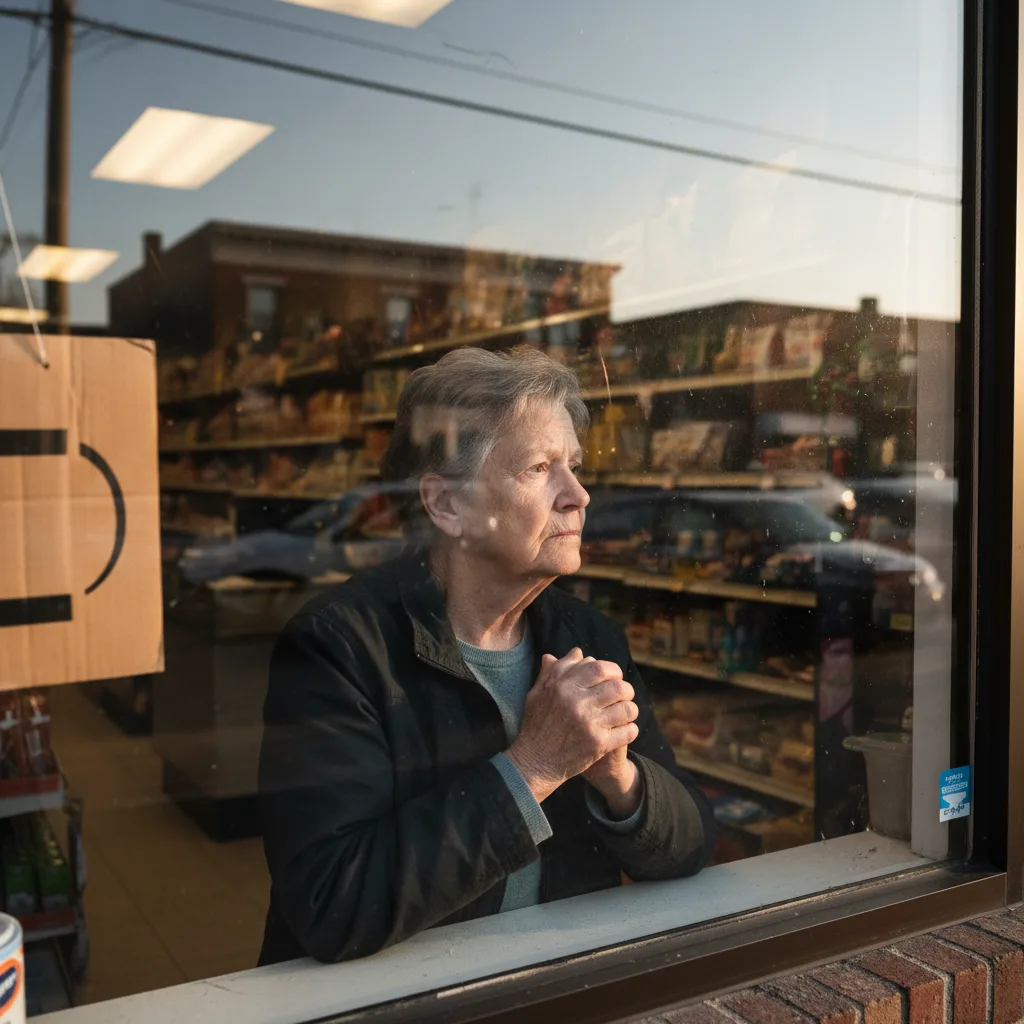
Cross Bay Boulevard Residents Anxious Over Zelenskyy Drone Incident
Cross Bay Boulevard residents react with anxiety and fatigue after Ukrainian President Zelenskyy's plane nearly hit by a drone near Moldova.