


Cross Bay Boulevard Residents Face Fuel Cost Hikes Amid Iran Conflict

NEW YORK — Residents along Cross Bay Boulevard in Queens are bracing for a fresh wave of fuel and heating cost increases, directly linked to escalating tensions in the Middle East. The recent actions by Iran's new Supreme Leader Moshtab Kamani, ordering continued military blockade of the Strait of Hormuz, have propelled global oil prices past $100 per barrel. This economic reverberation is now reaching local gas pumps and utility bills across the Rockaways and Bayswater neighborhoods.
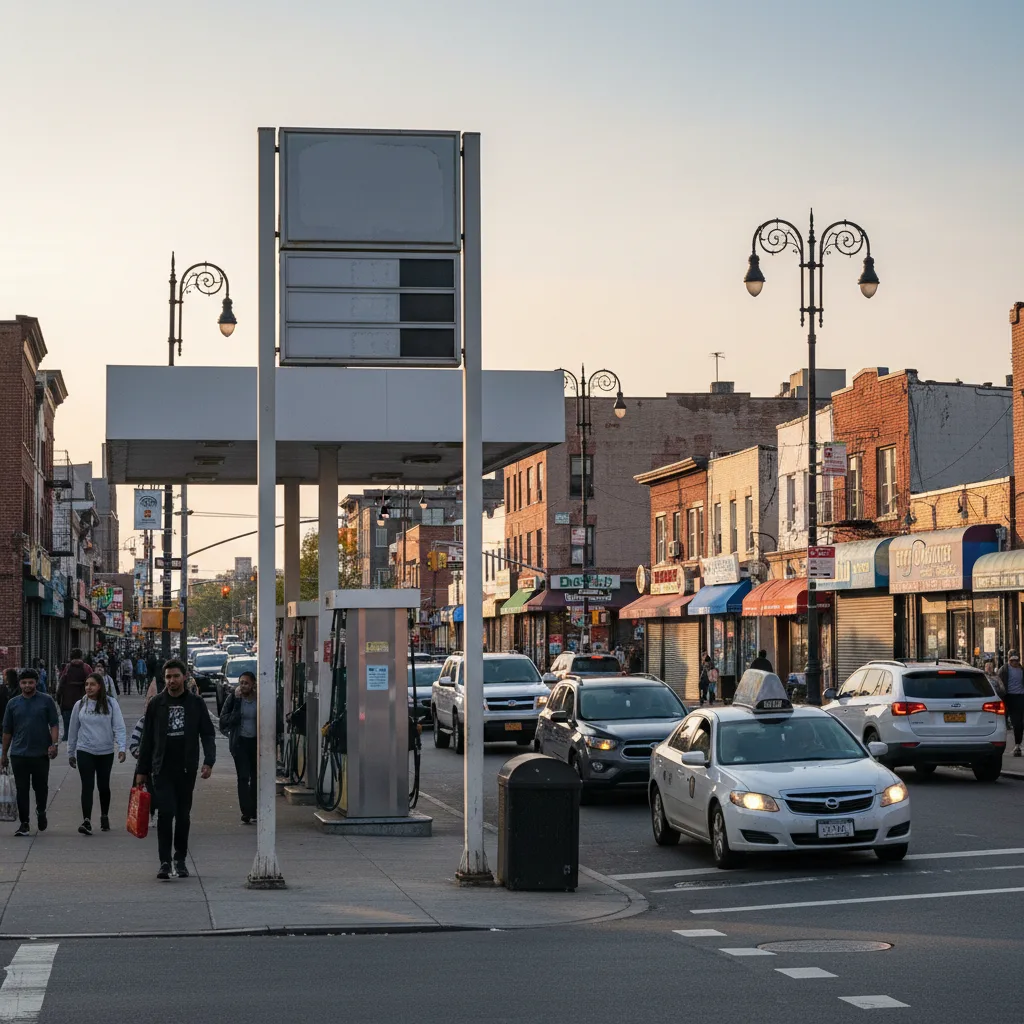
Local gas stations on Cross Bay Boulevard are already displaying prices nearing the $5 per gallon mark, a significant jump from early 2026 figures. Community members are expressing growing concern about the ripple effects on their household budgets and the broader local economy. The sustained high oil costs pose a considerable challenge for daily commuters and small businesses alike.
Iran's Stance and Global Market Impact
The sharp rise in oil prices follows the first public statement from Iran’s new Supreme Leader, Moshtab Kamani, on March 13, 2026. He vowed to continue the military blockade of the Strait of Hormuz and maintain attacks on oil tankers and commercial shipping in the Gulf. This declaration comes after the death of former Supreme Leader Ayatollah Ali Khamenei in U.S.-Israeli strikes, as reported by Democracy Now.
The global energy market disruption has been immediate and severe, despite record releases from international strategic reserves aimed at stabilizing prices. Analysts predict that without a de-escalation, these elevated prices will persist, translating into higher costs for consumers worldwide. The Strait of Hormuz is a critical chokepoint for global oil transit, and any disruption there impacts supply lines profoundly.
Local Businesses Track Rising Expenses
Small business owners along Cross Bay Boulevard are closely monitoring energy prices, fearing the impact on their operating expenses and customer spending habits. For many local enterprises, from delivery services to laundromats, increased fuel costs directly translate to higher operational overhead. This squeeze could force difficult decisions regarding pricing and staffing in the coming months.
Maria Rodriguez, owner of a popular bakery on Cross Bay Boulevard, noted, “Every penny added to gas prices means less profit for us, or we have to raise our prices, which hurts our loyal customers.” Her sentiment is echoed by many entrepreneurs who rely on affordable transportation for supply chains and employee commutes. The rising cost of electricity, often tied to natural gas prices, further exacerbates the financial strain on these establishments.
Community Debates and Budget Concerns
The local impact extends beyond just financial strain, sparking widespread discussions among residents. At bodegas and cafes along the boulevard, conversations frequently turn to the Middle East conflict and its economic fallout. Many residents express worry about how the escalation could affect their heating bills as spring approaches, following an already expensive winter.
"It feels like we're constantly being hit with higher costs, and now this," commented James Chen, a lifelong resident of the area. He highlighted the cumulative effect of inflation on families struggling to make ends meet. Others at local parks are engaged in deeper debates about whether the U.S. should have engaged in the Iran conflict in the first place, reflecting a broader community dialogue on foreign policy and its domestic consequences.
Historical Context of Energy Price Volatility
Queens, like much of New York City, has a history of vulnerability to global energy market fluctuations. Past geopolitical events and supply disruptions have consistently demonstrated how international crises quickly translate into local financial burdens. The current situation rekindles memories of past energy crises, prompting residents to seek ways to mitigate the impact on their household budgets.
The city's infrastructure, heavily reliant on fossil fuels for transportation and heating, means that residents are particularly exposed. Public transportation costs could also see adjustments if fuel prices remain elevated, adding another layer of expense for commuters. Understanding these historical patterns helps contextualize the current anxieties within the Cross Bay Boulevard community.
Potential for Local Relief Initiatives
As the economic pressure mounts, local elected officials and community organizations are beginning to explore potential relief initiatives. Discussions might include energy assistance programs or workshops on energy efficiency to help residents manage rising costs. These measures, while not directly addressing global oil prices, could offer some respite to vulnerable households.
Advocacy groups are also considering petitions to state and federal lawmakers for increased support for low-income families impacted by rising utility bills. The goal is to ensure that essential services like heating remain accessible for all residents, particularly those disproportionately affected by economic downturns. Such efforts highlight the proactive nature of the Cross Bay Boulevard community in addressing challenges.
Frequently Asked Questions About Rising Energy Costs
Cross Bay Boulevard residents often inquire about managing their household expenses amid rising energy costs. What steps can I take to reduce my energy bill? Residents can explore energy-efficient appliances, seal drafts around windows and doors, and adjust thermostats to conserve heat or air conditioning. Are there any local programs available to assist with utility payments? The City of New York and state agencies frequently offer utility assistance programs for eligible low-income households; residents should check the NYC Human Resources Administration website for current programs. How long are these high oil prices expected to last? The duration of high oil prices depends heavily on geopolitical stability in the Middle East and global supply-demand dynamics, making precise predictions difficult. What is the Strait of Hormuz, and why is it so important? The Strait of Hormuz is a narrow waterway between the Persian Gulf and the Gulf of Oman, crucial for transporting a significant portion of the world's crude oil, making its security vital for global energy markets. Where can I find more information on the global energy market disruption? Further details on the situation can be found in comprehensive news reports detailing the ongoing conflict and its economic consequences, including the impact of international strategic reserves releases.
Written by
Newstrix
Cross Bay Current
Related Articles
More in Local Economy & Business →
Cross Bay Boulevard Welcomes New Business with Grand Opening
A new business officially opened at 156-36 Cross Bay Boulevard with a ribbon-cutting ceremony on Friday, September 18, 2026, signaling local growth.
Iran's Foreign Minister Travels to China Amid West Asia Tensions
Iran's foreign minister travels to China amid West Asia tensions. Cross Bay Boulevard residents worry about oil prices, shipping, and local family budgets.

Queens Residents Brace for Trade Shocks as WTO Warns of Risks
The WTO warns of major global trade risks. Queens residents on Cross Bay Boulevard worry about rising prices for groceries and imports, preparing for supply delays.

Saudi Arabia Forms Maritime Coalition, Cross Bay Boulevard Reacts
Saudi Arabia launched a maritime coalition to protect shipping lanes. Cross Bay Boulevard residents fear higher prices and trade disruption if global tensions escalate.

Irish Whiskey Tariff Removal: Queens Businesses Eye Trade Impact 2026
Donald Trump announced plans to scrap the 10% tariff on Irish whiskey, a move that could impact Queens businesses along Cross Bay Boulevard and influence consumer prices.

Queens Residents Discuss Trump's Stance on Chinese Car Manufacturing
Cross Bay Boulevard residents discuss Trump’s stance on Chinese car manufacturing in the US, debating impacts on local jobs and vehicle prices.