


Cross Bay Boulevard Residents React to Iran's 'Unacceptable' Proposal Rejection

NEW YORK — Queens residents along Cross Bay Boulevard, many with Middle Eastern roots, are heatedly discussing Iran's official rejection of the latest U.S. ceasefire proposal. The response, labeled "unacceptable" by President Trump, has spiked global oil prices and intensified Middle East tensions, fueling concerns and passionate debates in local hookah spots and markets.
"Iran's playing games again—Trump needs to hit harder or gas stays sky-high," a cabbie, who declined to give his name, told reporters outside a popular Friday night hookah spot near 150th Avenue. His blunt assessment reflects a segment of the community that believes stronger diplomatic or economic pressure is needed to stabilize the region and, by extension, local fuel costs.
Iran's rejection aimed to end a three-month-old war, reopen the Strait of Hormuz, and address its nuclear program. This diplomatic impasse has significantly contributed to pump prices jumping 20 cents overnight, adding to the financial burden of commuters at the Aqueduct Racetrack stop and other key transport hubs along Cross Bay Boulevard.
Divided Sentiments in Ozone Park and Broad Channel
The complex geopolitical situation has created divided sentiments among Iranian-American families in the Ozone Park markets and broader Middle Eastern communities. Some praise Tehran's firm stance, viewing it as a necessary act of national sovereignty against perceived U.S. aggression. Others express deep concern for family members back home, fearing escalating conflict and its humanitarian toll.
"My relatives in Tehran tell me they are tired of being pushed around by foreign powers," said Roya Hassan, an Iranian-American grocery store owner on Cross Bay Boulevard. "They believe Iran is right to stand its ground." She expressed these views while stocking shelves with imported goods, noting that import costs are already rising due to shipping uncertainties.
Conversely, local synagogues in Broad Channel held emergency prayer vigils over the weekend, expressing anxiety about heightened regional instability, particularly given ongoing fighting between Israel and Lebanon despite a separate ceasefire. These vigils brought together congregants to pray for peace and de-escalation, underscoring the deep impact of global events on local spiritual life.
Economic Impact on Queens Commuters and Businesses
The immediate economic consequence for Cross Bay Boulevard residents is the further increase in gas prices. Commuters, already grappling with previous spikes, are grumbling about the additional 20 cents per gallon seen overnight. This directly affects those who rely on personal vehicles for work or family responsibilities.
"Every penny counts," remarked Kevin Lee, a construction worker waiting for a bus near the North Conduit Avenue intersection. "It's not just gas; everything is getting more expensive. These international problems shouldn't hit our pockets so hard here in Queens." His sentiment is common among blue-collar workers in the area.
Local businesses, from bodegas to restaurants, also face potential disruptions to supply chains and increased operational costs. Any prolonged tension in the Middle East has historically led to volatile oil markets, creating unpredictable operating environments. Business owners along the boulevard worry about passing these increased costs onto their customers, fearing reduced patronage.
Diplomatic Stalemate and Future Outlook
President Trump's swift rejection of Iran's response as "unacceptable" indicates a diplomatic stalemate, with world leaders watching closely as Trump prepares for his Asia trip. The lack of a breakthrough prolongs uncertainty and maintains pressure on global oil supplies.
Analysts from the Council on Foreign Relations suggest that without a clear path forward, the Middle East tensions are likely to persist, keeping oil prices elevated. This continuous geopolitical friction creates a challenging environment for international trade and domestic economies, including the localized economy of Queens.
Local elected officials continue to monitor the situation, urging federal policymakers to prioritize diplomatic solutions that can bring stability to the region and alleviate economic pressure on American families. The hope is for a resolution that safeguards both international security and domestic economic well-being, especially for working-class communities.
What You Need to Know About Iran's Proposal Rejection
How have Cross Bay Boulevard residents reacted to Iran's rejection of the US proposal?
Queens residents along Cross Bay Boulevard, especially those with Middle Eastern roots, are engaging in heated discussions following Iran's rejection of the US ceasefire proposal. Sentiments are divided, with some expressing frustration and calling for stronger US action to stabilize oil prices, as voiced by a local cabbie. Others, particularly within Iranian-American families in Ozone Park, praise Tehran's stance on national sovereignty, while many harbor fears for family members back home and the potential for escalating conflict. Local synagogues in Broad Channel held emergency prayer vigils, highlighting widespread anxiety.
What are the direct economic impacts on the Cross Bay community?
The most immediate direct economic impact is a further spike in gas prices. Commuters at the Aqueduct Racetrack stop and other areas along Cross Bay Boulevard are experiencing pump prices jumping 20 cents overnight, adding to their financial burdens. This affects personal budgets and increases operational costs for local businesses that rely on transportation. Kevin Lee, a construction worker, noted that these international problems are hitting local pockets hard, forcing families to confront rising costs for everyday necessities beyond just fuel.
Why is this international development so significant for local residents?
This international development is significant because the diplomatic stalemate and intensified Middle East tensions directly influence global oil prices, which in turn affect local gas prices and the cost of living for Cross Bay residents. It also deeply impacts the emotional well-being of community members with familial ties to the region, creating anxiety about global stability and the safety of relatives. The situation demonstrates how distant geopolitical events have tangible, immediate economic and social repercussions on local communities in Queens.
Written by
Newstrix
Cross Bay Current
Related Articles
More in National & World →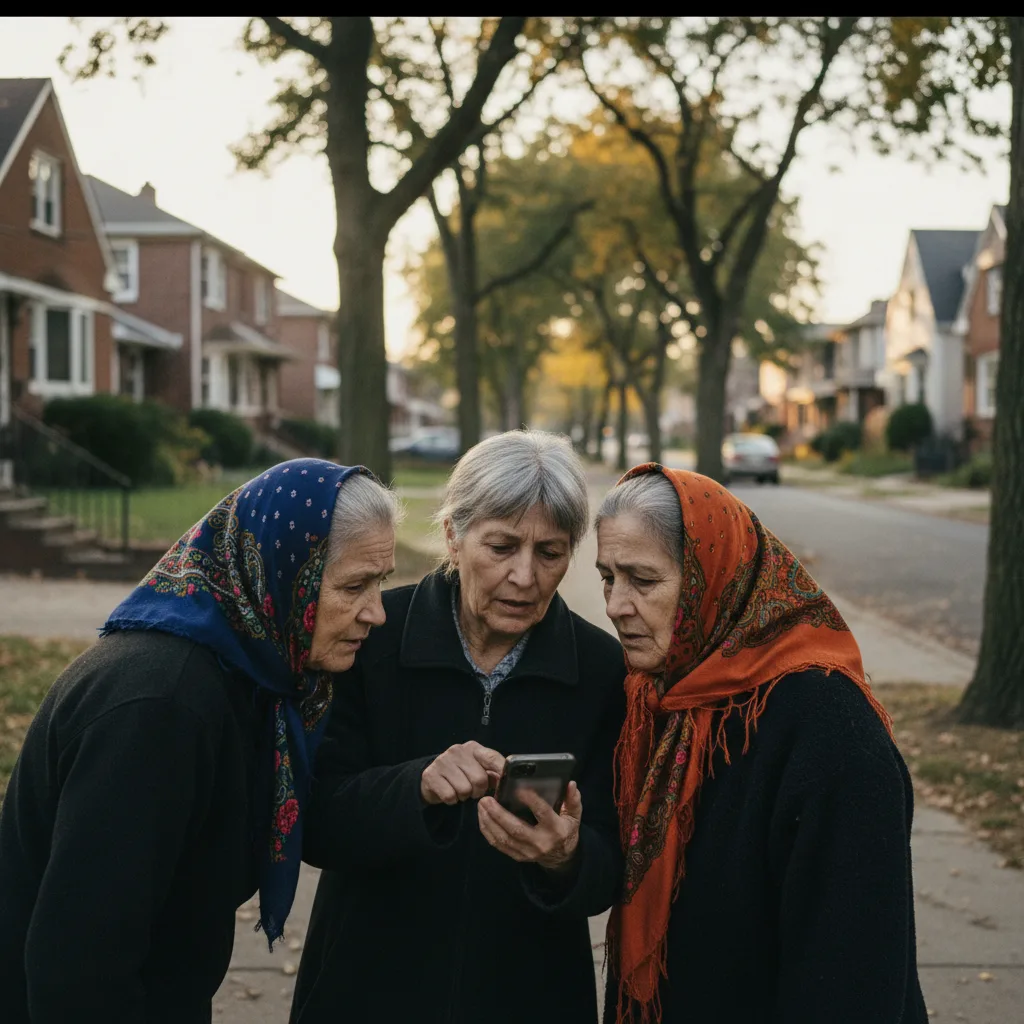
Cross Bay Boulevard Residents React to Ukraine War Strikes in Kyiv
Cross Bay Boulevard residents express deep concern and sympathy following Russian strikes in Kyiv and Odesa that injured 13 people.
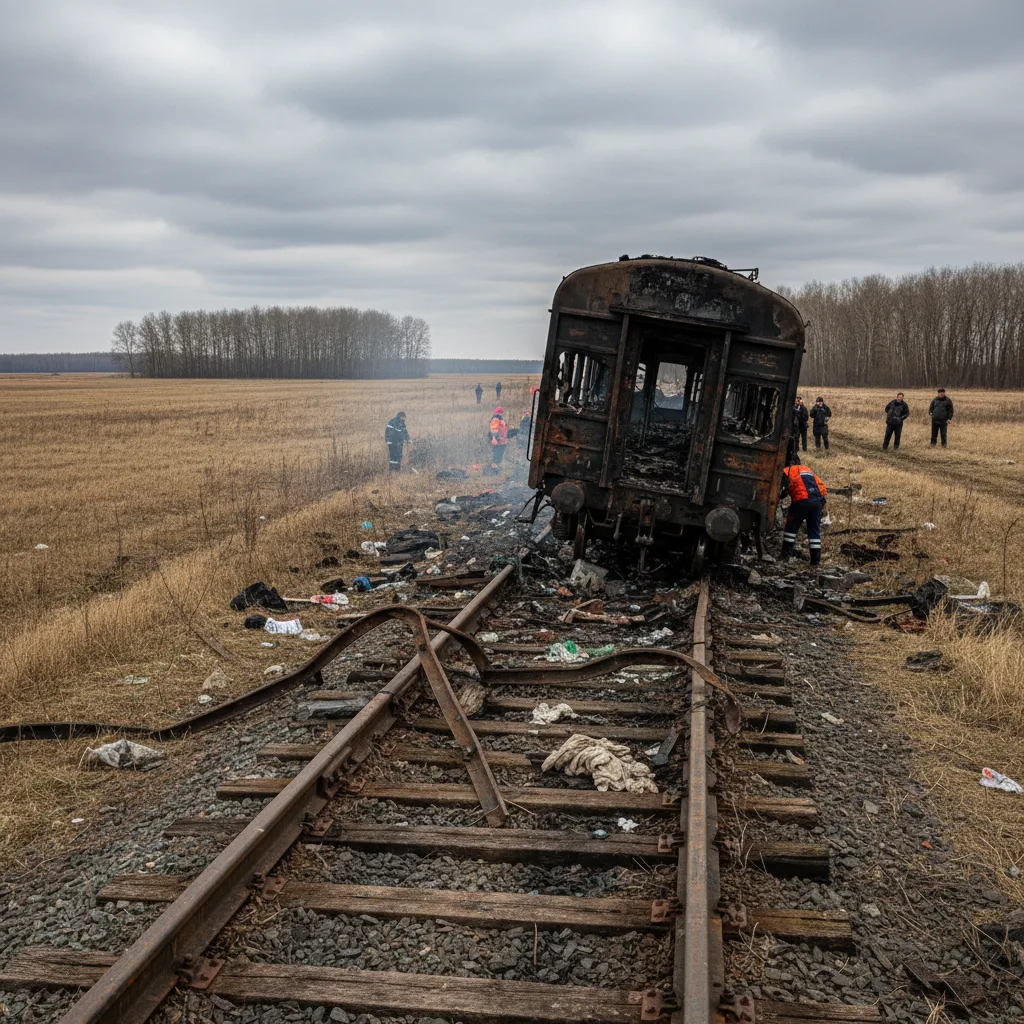
Russian Drone Strikes Ukraine Train After Johnson Visit, Global Alarm Rises 2026
A Russian drone struck a Ukrainian train after Boris Johnson passed through, fueling global alarm. Queens residents watch the impacts of distant conflicts.

Indonesian Ferry Disaster Leaves About 130 Missing in Java Sea
An Indonesian ferry sank in bad weather in the Java Sea, leaving about 130 missing. Cross Bay Boulevard residents express sympathy and concern over travel safety.
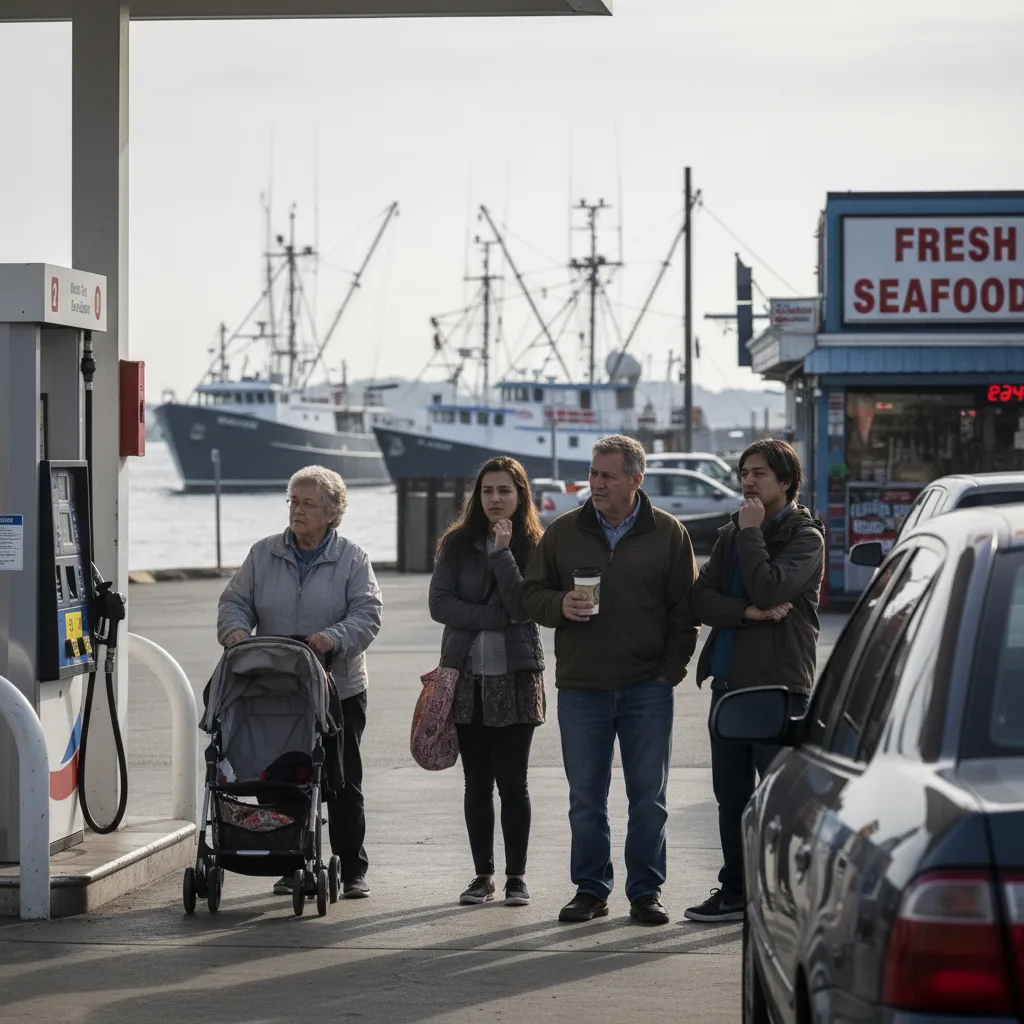
Iranian Commercial Vessel Struck in Strait of Hormuz, One Killed
An Iranian commercial vessel was struck in the Strait of Hormuz, killing one. Cross Bay Boulevard residents fear higher gas prices and shipping delays.
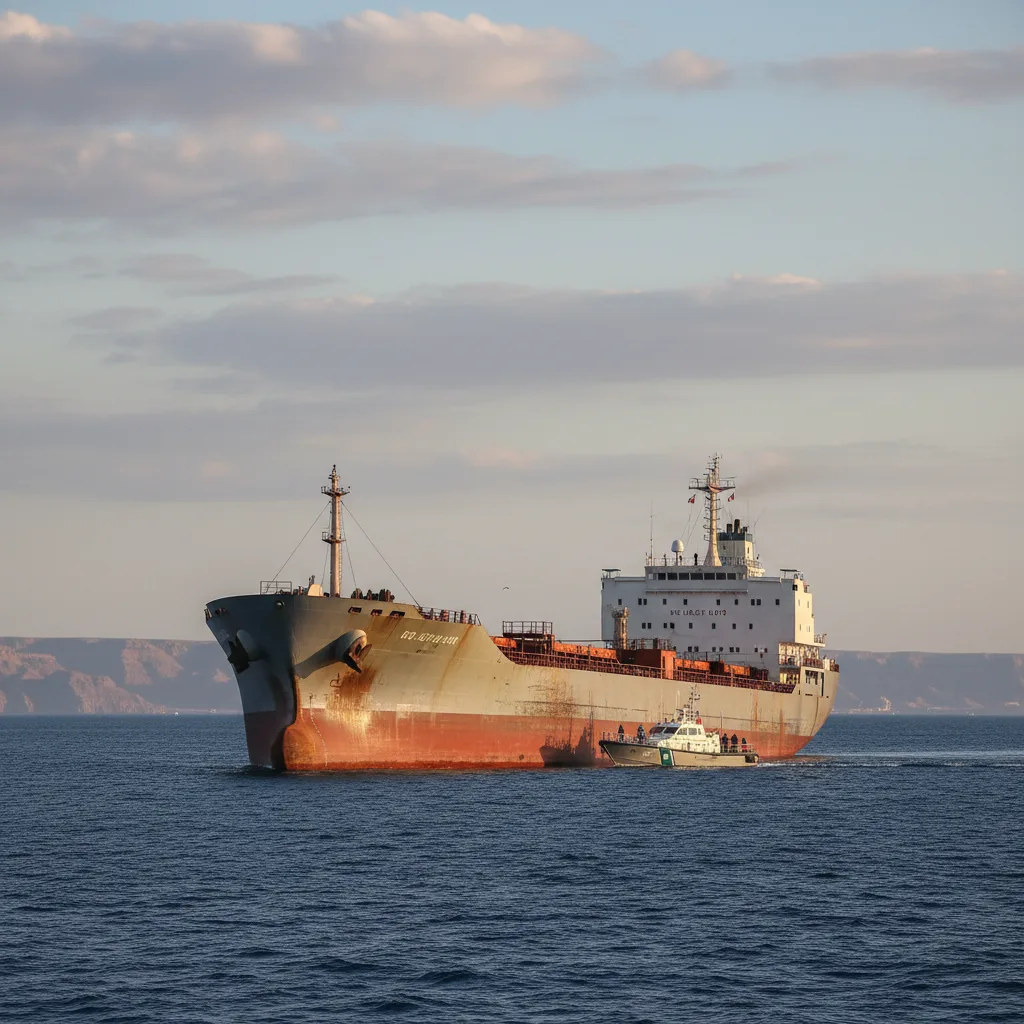
Merchant Vessel Struck Near Iran, One Fatality Reported
A merchant vessel was struck near Iran’s Strait of Hormuz, killing one and injuring three. The incident raises local concerns about gas prices and shipping disruptions.
Cross Bay Boulevard Residents Anxious Over Zelenskyy Drone Incident
Cross Bay Boulevard residents react with anxiety and fatigue after Ukrainian President Zelenskyy's plane nearly hit by a drone near Moldova.