


US Supreme Court Backs Trump's Mail Ballot Restrictions Bid
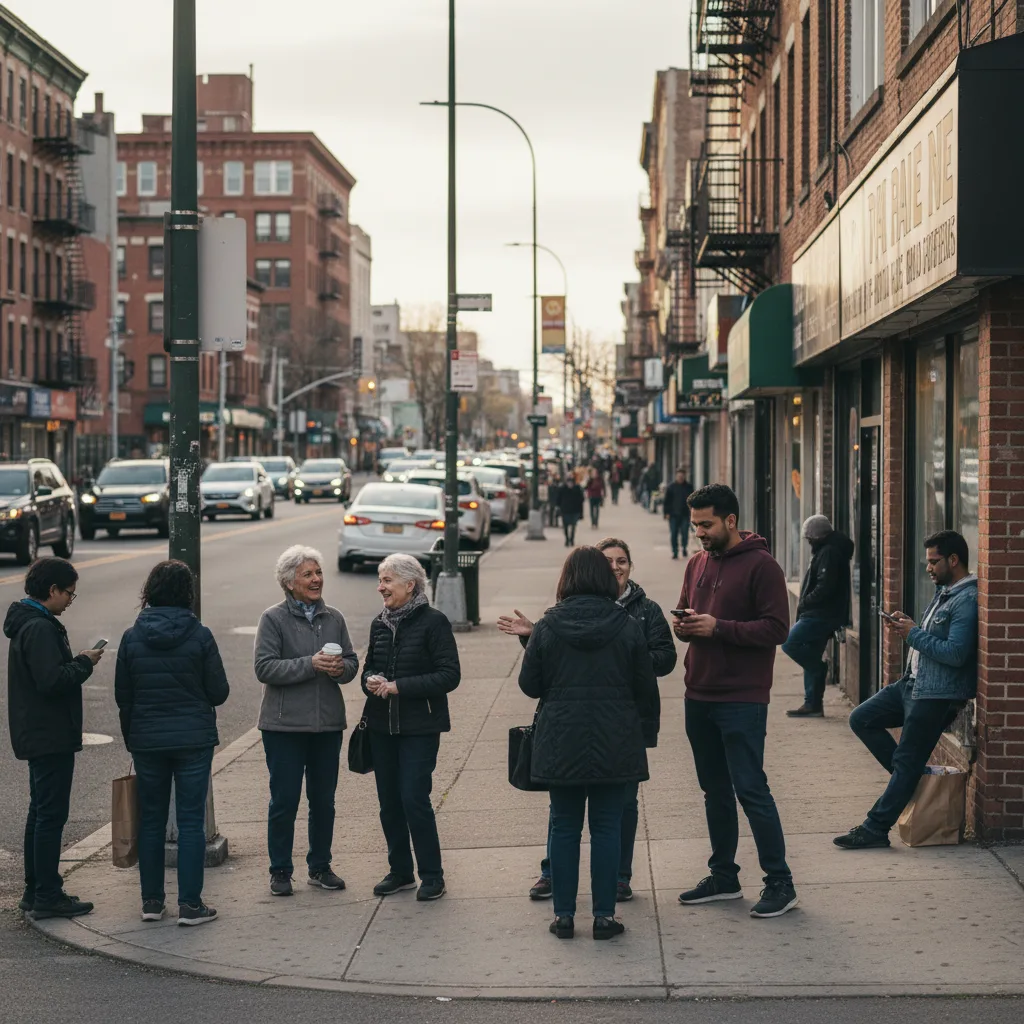
NEW YORK — Cross Bay Boulevard residents experienced widespread discussion this week after the US Supreme Court backed President Trump’s push to restrict mail-in voting. This pivotal decision has swiftly become a major political story, dominating conversations about voting access and election rules nationwide.
Supreme Court's Mail-In Voting Ruling
The US Supreme Court issued a significant ruling supporting former President Trump's efforts to impose tighter restrictions on mail-in ballots. This move, reported by NDTV, has immediate implications for election procedures across the country. The court's decision signals a potential reshaping of how millions of Americans will cast their votes in upcoming elections.
According to legal analysts, the ruling centered on specific legal challenges concerning the handling and verification of mail-in ballots. The details of the court's opinion are expected to prompt new legislative and legal battles at both state and federal levels. This could lead to a patchwork of voting rules, depending on local jurisdictions and legislative responses.
Queens Community Weighs Voting Access
For communities like those along Cross Bay Boulevard, where residents rely on various voting methods, discussions about voting access are critical. The ruling could spark concerns about the reliability and convenience of future elections. Many residents, especially those with busy work schedules or mobility challenges, depend on the flexibility of mail-in voting. This decision may necessitate adjustments in how local election boards prepare for voter turnout.
Local civic groups and community boards in areas such as Broad Channel and Howard Beach are likely to focus on educating voters about any changes in election procedures. Ensuring that all eligible residents can cast their ballots easily and securely remains a key concern. The Queens electorate is vast and diverse, making accessible voting methods paramount for representative participation.
Legal Ramifications and Future Challenges
The Supreme Court's endorsement of mail ballot restrictions is poised to trigger a new wave of legal challenges. Voting rights advocates and political organizations are expected to scrutinize state-level responses to the ruling. These legal battles will likely center on issues such as voter ID requirements, signature verification processes, and the timeline for ballot submissions.
Experts suggest that the decision provides a legal framework that could empower states to enact more stringent voting laws. This could lead to a fragmented electoral landscape, where voting rules vary significantly from one state to another, or even within counties. The ultimate impact on voter participation and election outcomes remains a subject of intense debate among legal scholars.
Intensified Debate Over Election Rules
President Trump’s long-standing criticisms of mail-in voting have now received backing from the nation's highest court. This judicial support is expected to intensify the national debate over election integrity and security. Proponents of stricter rules argue they are necessary to prevent fraud, while opponents contend they disenfranchise legitimate voters.
The ruling could galvanize both sides of the political spectrum, leading to more polarized discussions around election administration. As the country approaches future election cycles, the focus on mail-in voting will likely remain sharp, with continued scrutiny over its security and accessibility. The political fallout from this decision is expected to be long-lasting.
Implications for Cross Bay Boulevard Voters
Cross Bay Boulevard, connecting diverse neighborhoods in southern Queens, is home to thousands of registered voters who actively participate in local and national elections. The Supreme Court's ruling on mail-in ballots directly impacts how these residents plan to vote in 2026 and beyond. Concerns about postal reliability, a recurring theme in conversations across the borough, could heighten as more emphasis is placed on in-person voting or revised mail-in procedures. Notify NYC Confirms Police Activity at Cross Bay Blvd and 165th Avenue has previously highlighted local infrastructure challenges, which could indirectly affect voter access and ease of travel to polling sites if other options become limited. Howard Beach Residents Under Siege as Burglary String Continues also illustrates that daily life and local security concerns can influence voter behavior and access to polling places.
The decision also brings into sharper focus the role of local election infrastructure, including the number of polling places, their accessibility, and the staffing levels required to manage increased in-person voting. Community leaders in Howard Beach and Ozone Park will likely be working with election officials to ensure that any new regulations are communicated effectively and that voting remains a seamless process for all residents, minimizing disruptions to the democratic process.
Frequently Asked Questions
How will the Supreme Court's mail-in ballot decision affect local elections in Queens? The Supreme Court's decision could lead to stricter rules for mail-in voting, potentially requiring Queens residents to adjust their voting methods. This may mean more emphasis on in-person voting or new requirements for absentee ballots, impacting local election logistics.
What steps should Cross Bay Boulevard residents take to ensure they can vote in upcoming elections? Residents along Cross Bay Boulevard should monitor updates from the NYC Board of Elections and local community groups regarding changes to voting procedures. Verifying voter registration status and understanding new requirements for mail-in or in-person voting will be crucial to ensure participation in future elections.
Will this ruling impact the reliability of postal services for ballots? While the ruling doesn't directly address postal service reliability, a greater reliance on mail-in ballots under potentially stricter rules could increase scrutiny on delivery times and security. Residents concerned about mail delivery for official documents, including ballots, might want to explore early in-person voting options if available.
Written by
Newstrix
Cross Bay Current
Related Articles
More in Government & Politics →
US Officials See Chinese Invasion of Taiwan Unlikely Before 2028
US officials now believe a Chinese invasion of Taiwan is unlikely before 2028, a shift in assessment. This impacts global stability and trade, easing immediate concerns.

Iraqi Officials Announce US-Led Coalition Mission Concluded 2026
Iraqi officials announced the US-led coalition's combat mission against ISIS has concluded, marking a major shift. This impacts regional security and the future of anti-terrorism efforts.

Defense Secretary Unveils New Autonomous Warfare Command 2026
Pentagon unveils new Autonomous Warfare Command in 2026, boosting AI in defense. Cross Bay Boulevard residents discuss job impacts and safety, debating AI's role.
Queens Residents Express Concerns Over US Immigration Policy Changes
Queens residents face potential impacts from a Supreme Court ruling allowing the Trump administration to resume third-country deportations.
Global News Fuels Ukraine War Anxiety Along Cross Bay Boulevard
Global news of Ukraine war escalation, with Putin's army expansion and North Korean troop deployments, heightens anxiety for Cross Bay Boulevard residents.

Trump Administration Denies Iran Sanctions Relief Report, Igniting Local Debate
Trump administration denies Iran sanctions relief report, sparking local debate in Queens over gas prices and Middle East stability. Residents fear economic impacts.