


Cross Bay Current News: Iran Conflict Impacts Global Economy 2026

NEW YORK — Escalating tensions from the reignited Iran war, including fresh reports of military movements and diplomatic fallout across Gulf states like Bahrain, are poised to significantly impact the global economy in 2026, with ripple effects reaching local communities like Queens. Analysts project substantial volatility in energy markets and disruptions to international trade routes, creating immediate concerns for residents and businesses reliant on stable supply chains. The conflict, which intensified in early 2026, has already caused a 15% increase in global oil prices.
The global geopolitical landscape is undergoing rapid shifts, with the Iranian conflict at its epicenter. The movement of naval assets in the Strait of Hormuz and reports of heightened security alerts in critical shipping lanes are generating widespread anxiety. These developments have global financial markets on edge, contributing to an uncertain economic outlook for the year ahead.
Global Tensions and Local Impact
While the conflict unfolds thousands of miles away, its economic consequences are felt acutely in Queens, particularly along the bustling Cross Bay Boulevard. Small businesses that rely on imported goods are anticipating increased shipping costs, which will likely be passed on to consumers. And local residents are already bracing for higher prices at the gas pump and for everyday necessities.
Dr. Anya Sharma, an economist at Queens College, explained the direct connection. “Any significant disruption in the Middle East, especially involving a major oil producer like Iran, immediately impacts global energy prices,” Dr. Sharma stated. “For a car-dependent borough like Queens, higher gas prices translate to less disposable income for families, affecting local retail and services. We've seen an 8% increase in average gas prices in the NYC metro area over the past month alone.”
Energy Market Volatility
Crude oil prices have surged since the beginning of 2026, with benchmarks like Brent Crude hovering around $105 per barrel, a significant jump from last year’s averages of $85. This increase is primarily driven by fears of supply disruptions from the Persian Gulf, a crucial transit point for nearly one-fifth of the world’s petroleum. The volatility is likely to continue as long as the conflict persists.
Energy analysts predict further upward pressure on prices if the situation escalates or if shipping routes are severely impacted. Gas station owners along Cross Bay Boulevard are already adjusting their prices almost daily, reflecting the fluctuating wholesale costs. This instability is creating budgetary headaches for commuters and delivery services across the borough, impacting everything from food delivery to local construction projects.
Supply Chain Disruptions and Trade
Beyond energy, the conflict threatens to complicate global supply chains, particularly for goods manufactured in Asia and shipped through critical waterways. Increased insurance premiums for cargo vessels and longer transit times due to re-routing could lead to higher costs for a wide array of consumer products. This directly affects the availability and affordability of items sold in Queens’ diverse markets.
Local businesses, from electronics retailers to garment shops, are preparing for potential delays and price hikes. “We’re already looking at alternative shipping routes and trying to absorb some of the costs, but it’s becoming increasingly difficult,” commented David Chen, owner of a hardware store near Rockaway Boulevard. “Customers understand the global situation, but nobody wants to pay more for basic goods.” This global instability can directly impact local NYC stories and community concerns.
Diplomatic Efforts and Regional Stability
International efforts to de-escalate the conflict are ongoing, with major powers engaging in intense diplomatic negotiations. However, progress has been slow, and the situation remains fragile. The involvement of regional actors, including reports of increased military readiness in countries such as Bahrain and Saudi Arabia, adds layers of complexity to the peace process.
The United Nations Secretary-General issued a plea for restraint from all parties, emphasizing the severe humanitarian and economic repercussions of a prolonged conflict. Diplomacy remains the primary hope for restoring stability and preventing a wider regional conflagration. The global community watches anxiously, hoping for a peaceful resolution before economic impacts become irreversible. Insights into broader Cross Bay News coverage delve into these complex international issues.
Impact on Queens’ Diverse Communities
The economic fallout from the Iran conflict disproportionately affects vulnerable populations and immigrant communities in Queens. Many residents work in industries sensitive to economic downturns, such as transportation and retail, and often have tighter budgets. The rising cost of living creates additional burdens, forcing difficult choices for many families.
Community organizations are preparing to offer assistance to residents struggling with increased expenses. They are advocating for city and state programs to provide relief, such as energy subsidies or food assistance. The economic strain exacerbates existing challenges, making community support networks more critical than ever during these uncertain times.
Frequently Asked Questions About Global Conflict Impact
Residents frequently ask how global events like the Iran conflict directly affect their daily lives in Queens. The primary impacts are often seen in fuel prices and the cost of imported goods due to supply chain disruptions. Another common question concerns the stability of local job markets during international crises; while some sectors may experience slowdowns, Queens' diverse economy often shows resilience, though individual businesses can be affected. Many also inquire about how to prepare financially for economic uncertainty; financial advisors suggest building emergency savings and diversifying investments. Finally, questions arise about local government responses; city officials often monitor global economic trends to anticipate local needs and can implement support programs if the impacts become severe.
Written by
Newstrix
Cross Bay Current
Related Articles
More in National & World →
Cross Bay Boulevard Residents React to Ukraine War Strikes in Kyiv
Cross Bay Boulevard residents express deep concern and sympathy following Russian strikes in Kyiv and Odesa that injured 13 people.
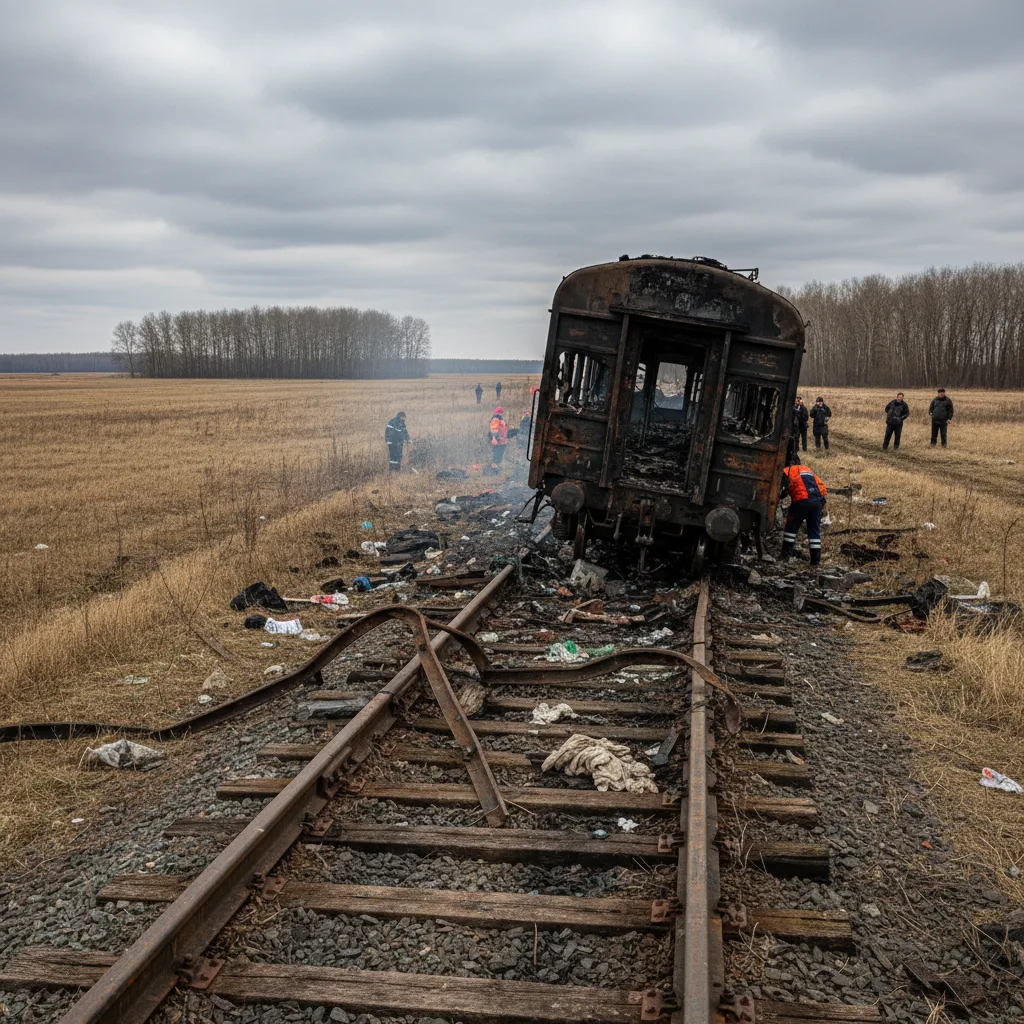
Russian Drone Strikes Ukraine Train After Johnson Visit, Global Alarm Rises 2026
A Russian drone struck a Ukrainian train after Boris Johnson passed through, fueling global alarm. Queens residents watch the impacts of distant conflicts.

Indonesian Ferry Disaster Leaves About 130 Missing in Java Sea
An Indonesian ferry sank in bad weather in the Java Sea, leaving about 130 missing. Cross Bay Boulevard residents express sympathy and concern over travel safety.
Iranian Commercial Vessel Struck in Strait of Hormuz, One Killed
An Iranian commercial vessel was struck in the Strait of Hormuz, killing one. Cross Bay Boulevard residents fear higher gas prices and shipping delays.
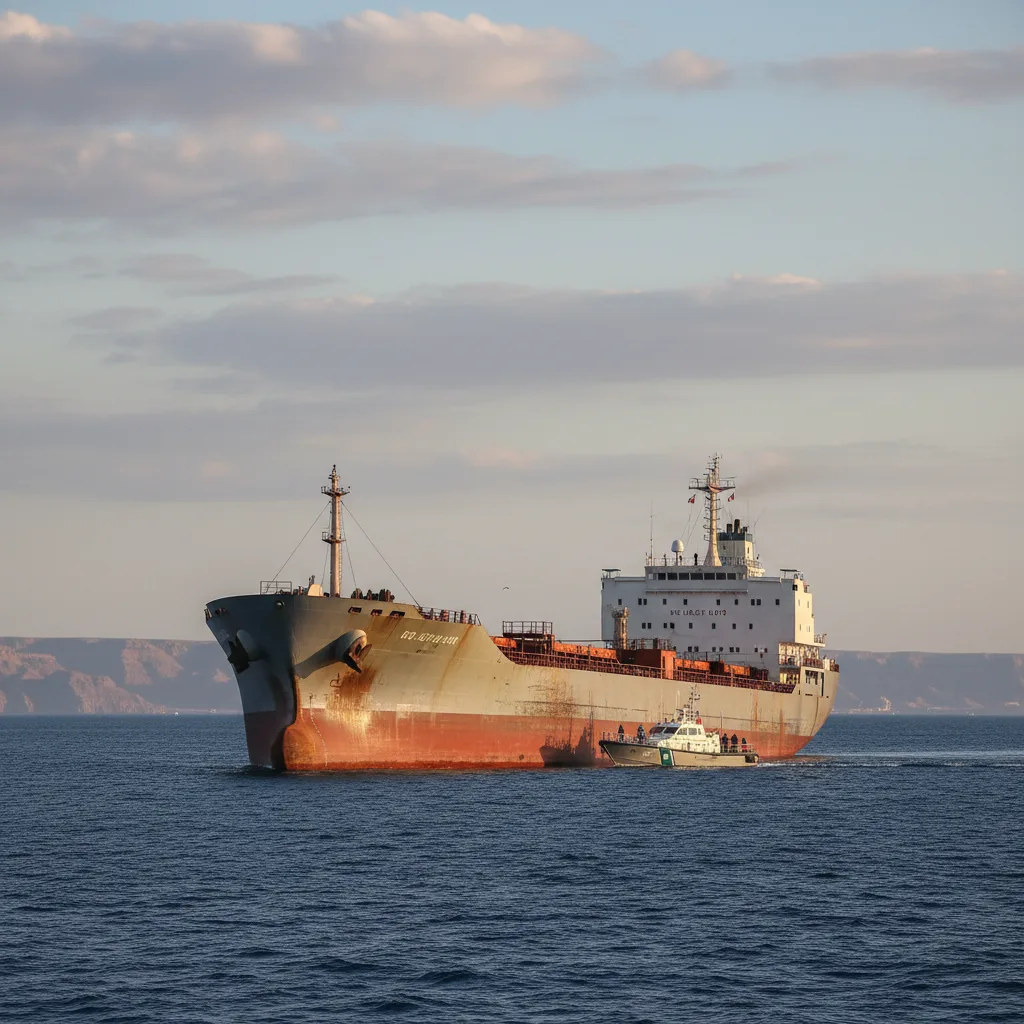
Merchant Vessel Struck Near Iran, One Fatality Reported
A merchant vessel was struck near Iran’s Strait of Hormuz, killing one and injuring three. The incident raises local concerns about gas prices and shipping disruptions.
Cross Bay Boulevard Residents Anxious Over Zelenskyy Drone Incident
Cross Bay Boulevard residents react with anxiety and fatigue after Ukrainian President Zelenskyy's plane nearly hit by a drone near Moldova.