


Cross Bay Diaspora Monitors Escalating Ukraine Attacks, Aid Efforts

NEW YORK — Ukrainian officials reported a severe escalation in conflict over the past two days, with more than 1,500 drones and dozens of missiles launched by Russian forces. This barrage represents one of the most intense aerial assault waves seen in the war, signaling a significant worsening of the humanitarian crisis. The sheer scale of these attacks is generating urgent international attention.
In Queens, particularly among the vibrant Eastern European diaspora communities that dot the landscape around Cross Bay Boulevard, the news has ignited a fresh wave of anxiety. Families with direct ties to Ukraine are meticulously checking news updates and maintaining constant contact with relatives overseas. This enduring conflict deeply affects the daily lives and emotional well-being of many residents in areas like Ozone Park and Howard Beach.
Community Reacts to Heightened Conflict
Community centers and places of worship near Cross Bay Boulevard have become hubs for concerned conversations and renewed calls for action. The Ukrainian Orthodox Church of St. Vladimir in nearby Floral Park, which serves many Queens residents, reported an influx of parishioners seeking solace and information. "Every new headline brings a knot to your stomach," said Anya Petrova, a second-generation Ukrainian-American living near Rockaway Boulevard, whose grandparents emigrated from Ukraine. "We worry about our family and friends back home constantly."
The conflict, now in its third year, has taken a heavy toll on civilian infrastructure and lives. United Nations estimates suggest over 10,000 civilian deaths since the full-scale invasion began, with millions displaced. These latest attacks, targeting energy facilities and residential areas, are expected to exacerbate an already dire humanitarian situation. [CBS News continues to provide extensive reporting](https://www.cbsnews.com/world/) on the conflict.
Local organizations are observing increased demand for mental health support services within the Eastern European community. The Queens Counseling Center, located a few blocks off Cross Bay Boulevard, has noted a 25% rise in appointments specifically related to conflict-induced stress and anxiety over the last three months, emphasizing the ongoing psychological impact on the diaspora.
Renewed Push for Humanitarian Aid and Donations
In response to the escalated attacks, local aid groups and community leaders are organizing renewed efforts to send humanitarian assistance to Ukraine. Collections for medical supplies, warm clothing, and non-perishable food items are underway at various locations across Queens. The Ukrainian American Cultural Center of New Jersey, which collaborates with Queens-based groups, announced a special fundraising drive aiming to collect $50,000 in emergency aid by the end of May 2026.
"The need is immense and immediate," explained Roman Kozak, a volunteer coordinator for the Ukrainian Relief Fund, operating out of a temporary space near the Belt Parkway. "These drone and missile attacks destroy homes and essential services, leaving countless people without basic necessities." He highlighted the urgency of sending winterized supplies, even as spring approaches, given the destruction of heating infrastructure.
Residents along Cross Bay Boulevard are actively participating, dropping off donations at designated community centers and local churches. Small businesses, including "Taste of Europe Deli" on the Boulevard, have set up donation boxes, showcasing the strong community spirit. Owner Olga Volkov stated, "We need to do everything we can to support our people through this incredibly difficult time. Every dollar, every item, makes a difference." She has seen hundreds of donations since the most recent appeals began.
Economic Ripple Effects and Geopolitical Stability
The ongoing conflict in Ukraine has broader economic implications that can ripple even to distant communities like Cross Bay Boulevard. Global energy prices, commodity markets, and inflation rates can all be influenced by geopolitical instability. While the immediate focus is on humanitarian concerns, residents are also discussing potential long-term economic impacts.
Some local economists suggest that prolonged conflict could contribute to sustained higher prices for gasoline and certain food staples, affecting household budgets in Queens. New York City, as a global financial hub, is particularly susceptible to these wider economic movements. The [United Nations Security Council](https://www.cbsnews.com/world/) has repeatedly called for de-escalation, citing global economic and humanitarian consequences.
Members of the Queens Community Board 10, whose district encompasses a significant portion of Cross Bay Boulevard, have expressed concern about how international events translate into local economic pressure. They noted a slight increase in inquiries from residents about rising utility costs and consumer prices, potentially linked to global market volatility. The war's impact on global supply chains is a recurring theme in these discussions, reflecting broader concerns about stability.
Supporting the Diaspora: Local and International Efforts
Local government and non-profit organizations are working to ensure that the Eastern European diaspora in Queens receives adequate support. The Mayor's Office of Immigrant Affairs has launched initiatives to connect affected families with resources, including legal aid, immigration services, and mental health support. These services are crucial for newly arrived refugees and long-time residents alike.
International organizations, with local partners, are also playing a critical role. Groups like Doctors Without Borders and the International Committee of the Red Cross are operating on the ground in Ukraine, relying on global donations for their life-saving work. Many Cross Bay Boulevard residents donate to these larger organizations, confident their contributions will reach those in need directly.
The resilience of the Eastern European community in Queens remains strong, even in the face of ongoing hardship. Their efforts to organize aid, support each other, and maintain cultural ties demonstrate the profound connection many still feel to their homeland. This solidarity is a testament to the diverse and interconnected fabric of New York City.
Frequently Asked Questions: Ukraine Conflict and Queens
How is the Ukraine conflict affecting Queens residents? The conflict is causing significant anxiety and concern, particularly among Eastern European immigrant families on Cross Bay Boulevard with ties to Ukraine. They are worried about relatives overseas and are actively engaged in monitoring news and organizing aid.
What are local organizations doing to help? Local churches, community centers, and aid groups are organizing donation drives for humanitarian supplies like medical aid and clothing. They are also providing emotional support and resources for affected families within the Queens diaspora.
Where can I donate to help Ukraine? Reputable organizations include the Ukrainian Relief Fund, Doctors Without Borders, the International Committee of the Red Cross, and local community-based drives organized through churches and cultural centers on or near Cross Bay Boulevard. Always ensure your chosen charity is legitimate.
Are there economic impacts on Queens from the war? Yes, global conflicts can affect energy prices, commodity costs, and inflation, potentially leading to higher prices for gasoline, food, and other goods in Queens. These economic shifts can impact household budgets and local businesses.
What resources are available for affected families in Queens? The Mayor's Office of Immigrant Affairs offers legal aid, immigration services, and mental health support. Local counseling centers have also seen increased demand and are providing support services for stress and anxiety related to the conflict.
Written by
Newstrix
Cross Bay Current
Related Articles
More in National & World →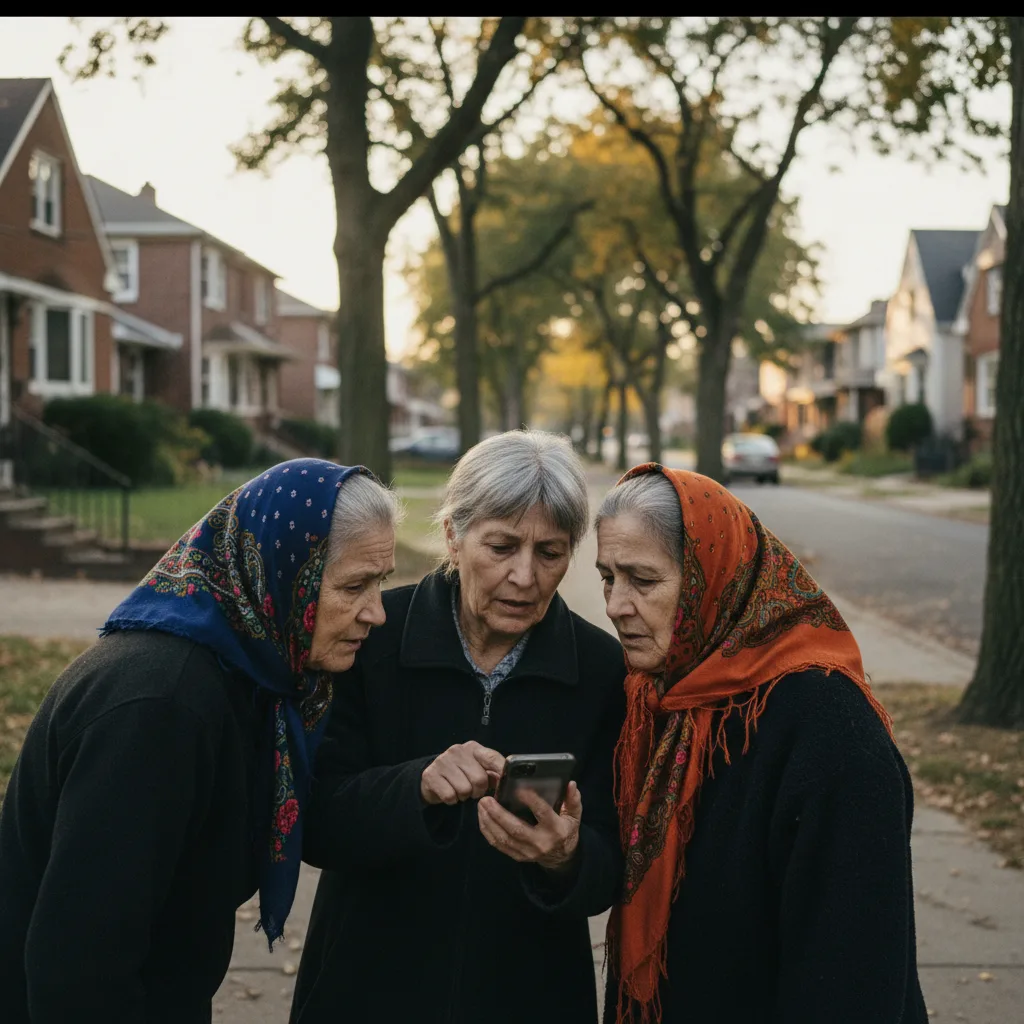
Cross Bay Boulevard Residents React to Ukraine War Strikes in Kyiv
Cross Bay Boulevard residents express deep concern and sympathy following Russian strikes in Kyiv and Odesa that injured 13 people.
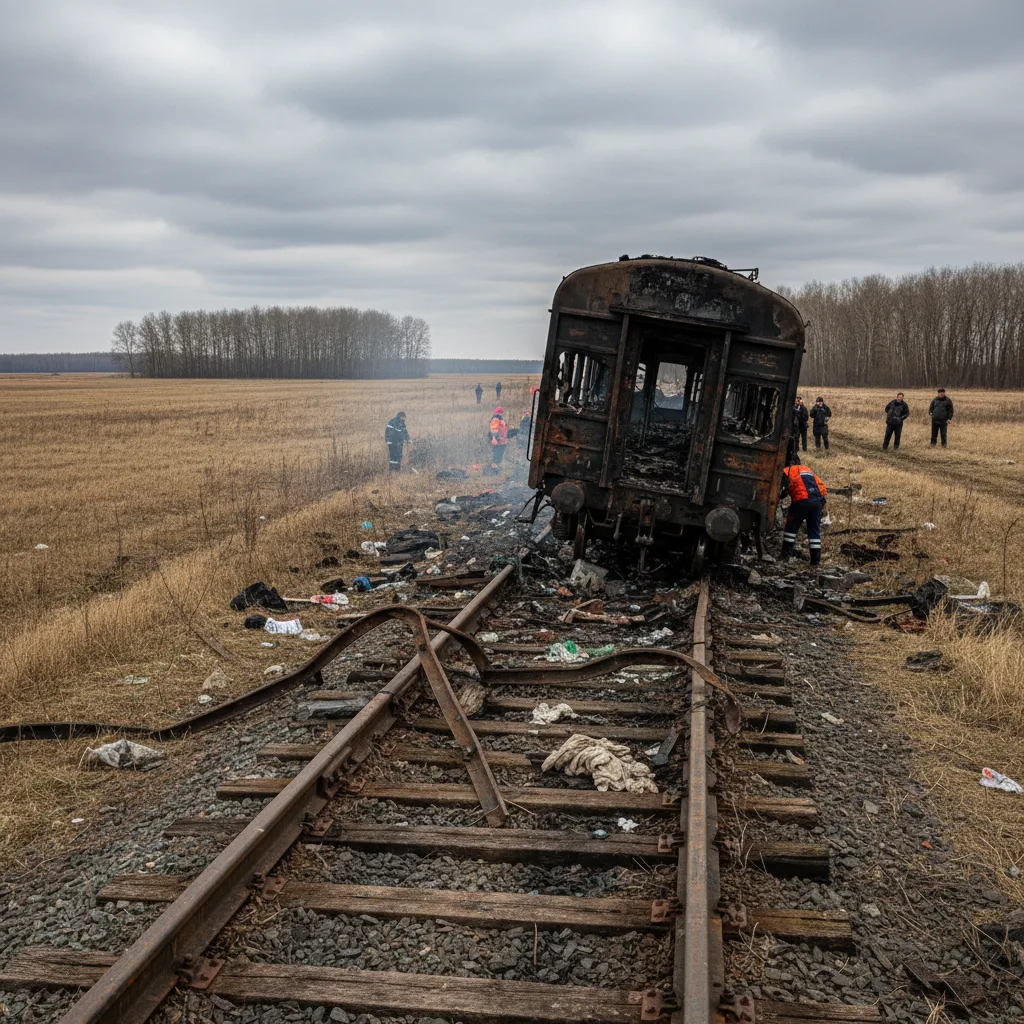
Russian Drone Strikes Ukraine Train After Johnson Visit, Global Alarm Rises 2026
A Russian drone struck a Ukrainian train after Boris Johnson passed through, fueling global alarm. Queens residents watch the impacts of distant conflicts.
Indonesian Ferry Disaster Leaves About 130 Missing in Java Sea
An Indonesian ferry sank in bad weather in the Java Sea, leaving about 130 missing. Cross Bay Boulevard residents express sympathy and concern over travel safety.
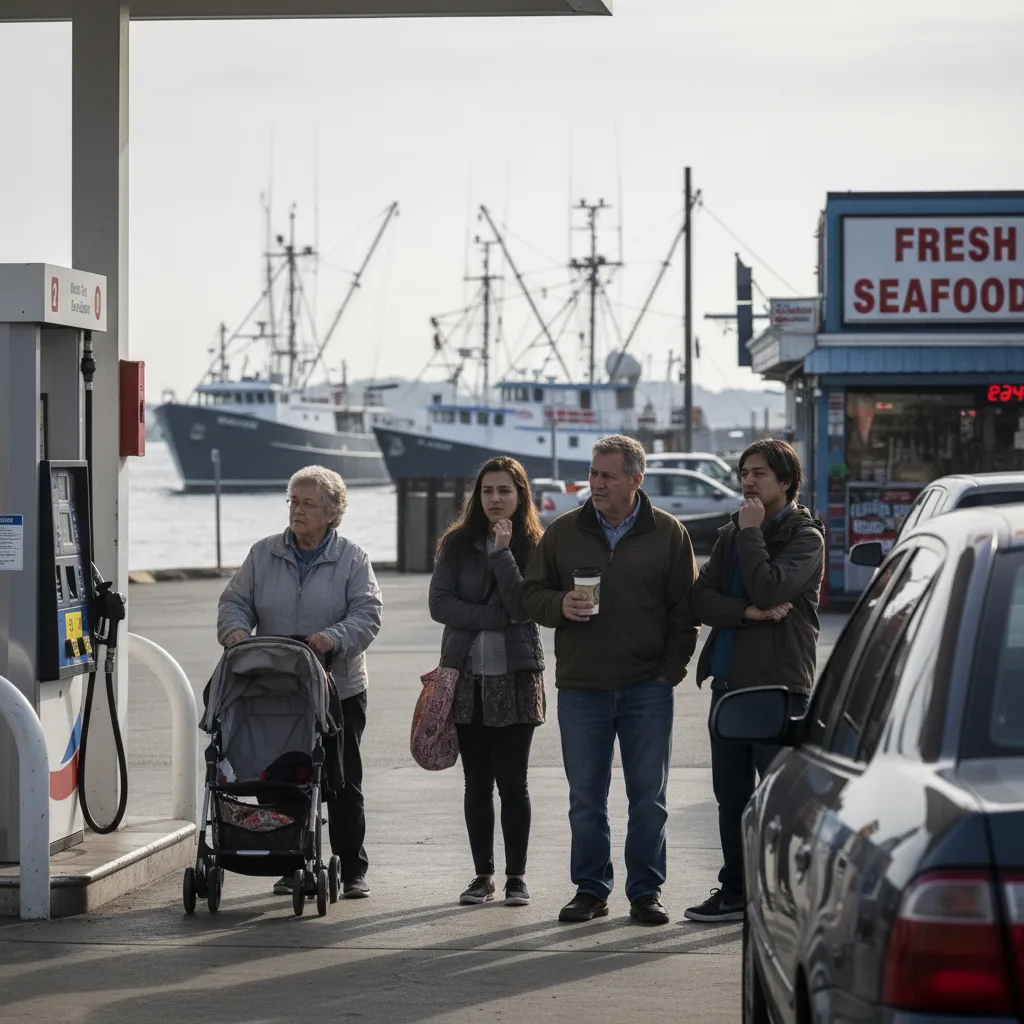
Iranian Commercial Vessel Struck in Strait of Hormuz, One Killed
An Iranian commercial vessel was struck in the Strait of Hormuz, killing one. Cross Bay Boulevard residents fear higher gas prices and shipping delays.
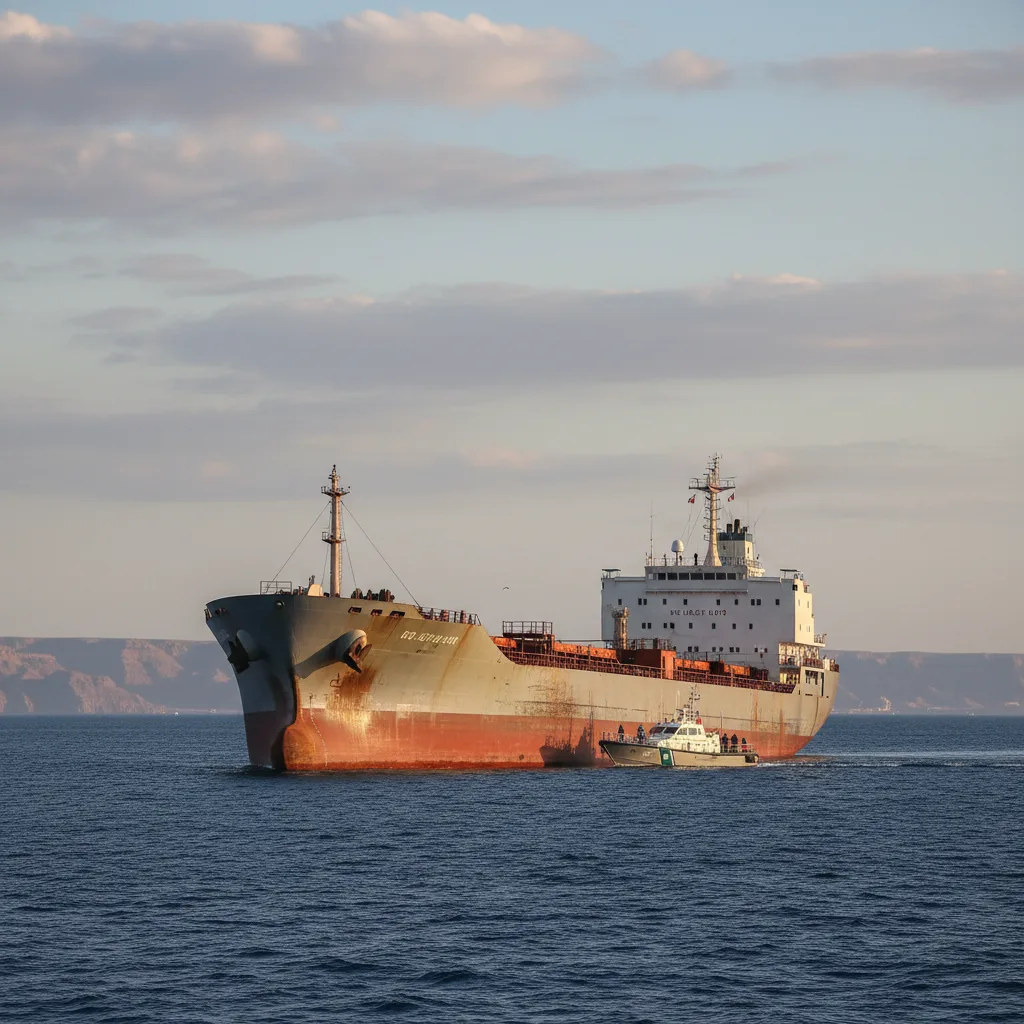
Merchant Vessel Struck Near Iran, One Fatality Reported
A merchant vessel was struck near Iran’s Strait of Hormuz, killing one and injuring three. The incident raises local concerns about gas prices and shipping disruptions.
Cross Bay Boulevard Residents Anxious Over Zelenskyy Drone Incident
Cross Bay Boulevard residents react with anxiety and fatigue after Ukrainian President Zelenskyy's plane nearly hit by a drone near Moldova.