


Cross Bay Drivers Face Soaring Gas Prices Amid Iran War, NATO Tensions

NEW YORK — Drivers along Cross Bay Boulevard are facing rapidly escalating gas prices, directly impacted by heightened global tensions stemming from the ongoing US-Iran conflict and President Trump's recent criticisms of NATO allies. The diplomatic friction, highlighted by Trump's public pressure on Canada and other nations to secure the Strait of Hormuz, has sent crude oil prices soaring, with direct consequences felt at local pumps in Queens. Residents and businesses in Howard Beach, Broad Channel, and Ozone Park are grappling with the financial strain of these international developments.
The crisis has led to significant unrest among daily commuters and professional drivers who frequent gas stations along the boulevard. Cabbies at Howard Beach are particularly vocal about the dramatic increase in fuel costs, which directly cuts into their earnings and affects the viability of their operations. The sentiment across the community reflects a growing frustration with the economic fallout of distant geopolitical struggles.
Skyrocketing Fuel Costs Impact Daily Commutes
For thousands of Cross Bay Boulevard residents who commute to jobs at JFK Airport, in Manhattan, or throughout other parts of Queens, the surge in gas prices represents a significant financial burden. Many are reporting fill-ups exceeding $100 for standard vehicles, making daily travel increasingly unaffordable. This sharp increase is forcing families to re-evaluate their budgets and travel habits.
"Every day it's another hike," lamented a delivery driver fueling up near a Howard Beach intersection, expressing a common sentiment. The consistent upward trend in fuel expenses is eroding disposable income and causing substantial stress for working-class families dependent on their vehicles for livelihood. The cumulative effect of these costs is rippling through the local economy.
Local Businesses Feel the Pinch Along the Boulevard
Delis, auto repair shops, and other small businesses lining Cross Bay Boulevard are observing firsthand the financial distress of their customers. Many shop owners report patrons venting frustration over the high cost of fuel, which impacts their ability to spend on other goods and services. This widespread consumer anxiety could potentially dampen local retail activity and stifle economic growth.
The proprietor of a popular auto service center in Ozone Park noted a decrease in non-essential car maintenance, as residents prioritize fuel expenses. These businesses are intrinsically linked to the economic health of their communities and rely on stable consumer spending. The current fuel crisis poses a tangible threat to their operational stability and profit margins.
Community Debates on Global Conflict and Local Pockets
The geopolitical situation, especially President Trump's public warnings to NATO allies and his description of them as "cowards" for their perceived inaction, has become a frequent topic of debate in local gathering spots. Facebook groups for Broad Channel and Howard Beach are filled with posts questioning why Queens families should bear the financial brunt of Middle East instability. The public discourse reflects a blend of concern and political commentary regarding international involvement.
Conversely, some veterans at the local VFW hall express support for President Trump's firm stance, viewing it as necessary pressure to ensure global security. Street corner conversations often turn to the debate of whether past administrations' policies exacerbated the nation's vulnerability to such external shocks. The ongoing global tensions and NATO warnings dominate discussions across the diverse communities of Cross Bay Boulevard.
Global Oil Market Reacts to Strait of Hormuz Blockade
The primary driver behind the skyrocketing gas prices is the effective blockade of the Strait of Hormuz by Iran, a critical choke point for global oil shipments. President Trump's efforts to rally NATO allies to secure this strait are aimed at restoring the flow of oil, but resistance from allies has prolonged the disruption. This geopolitical maneuvering directly impacts the supply and demand dynamics of the international oil market.
Analysts from the American Petroleum Institute indicate that any prolonged disruption in this vital shipping lane inevitably translates into higher crude oil prices worldwide. These increases are then passed directly to consumers at the pump, affecting every driver, including those filling up their tanks along Cross Bay Boulevard. The unpredictability of the situation further complicates economic forecasts.
Impact of Escalating Rhetoric on Energy Security
President Trump's escalating rhetoric, including strong demands for support and warnings of a "very bad" future, has amplified the volatility in global energy markets. While the intent is to pressure allies, the immediate effect has been to exacerbate uncertainty, leading to speculative increases in oil prices. The interconnectedness of global politics and energy supply is acutely felt in local communities like those in Queens. Further context on President Trump's statements and the escalating international crisis can be found in a recent YouTube broadcast detailing the NATO friction.
The crisis highlights ongoing debates about national energy independence and the vulnerabilities associated with reliance on foreign oil sources. Many residents along Cross Bay Boulevard are calling for long-term strategies to buffer American consumers from such international shocks. They believe that sustained high gas prices could have lasting negative consequences for the local economy.
Frequently Asked Questions About Cross Bay Boulevard Gas Prices
Q: Why are gas prices so high on Cross Bay Boulevard right now? A: Gas prices have surged due to heightened global tensions surrounding the US-Iran conflict and Iran's blockade of the Strait of Hormuz, a critical oil shipping route. President Trump's pressure on NATO allies to intervene has further contributed to volatility in global oil markets, leading to higher costs at the pump for local drivers.
Q: How are high gas prices affecting Cross Bay Boulevard residents and businesses? A: Daily commuters, especially those working at JFK or as cabbies, are experiencing significant financial strain from increased fuel costs, with many reporting fill-ups exceeding $100. Local delis and auto shops are noticing customers venting frustration, potentially leading to decreased spending on other goods and services in the community.
Q: What is the community sentiment regarding these high gas prices? A: There is widespread frustration, particularly on local social media groups, with residents questioning why Queens families are bearing the cost of international conflicts. Discussions are active in places like VFW halls and street corners, debating the role of various political policies in the current energy crisis.
Q: Is there any hope for gas prices to decrease soon? A: The trajectory of gas prices is closely tied to the resolution of the US-Iran conflict and the security of the Strait of Hormuz. Until stability is restored in global oil markets, significant relief may be slow to materialize. However, any de-escalation of tensions could lead to a downward adjustment.
Written by
Newstrix
Cross Bay Current
Related Articles
More in Local Economy & Business →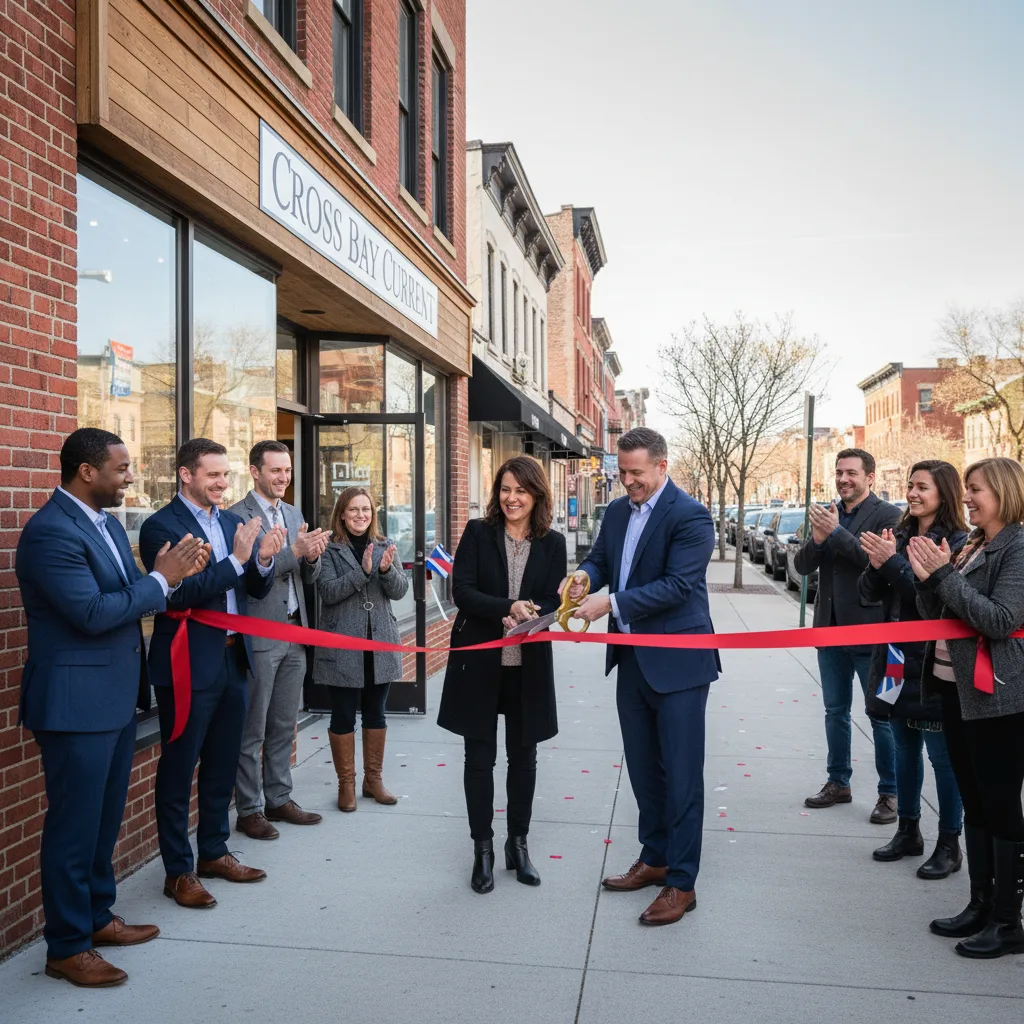
Cross Bay Boulevard Welcomes New Business with Grand Opening
A new business officially opened at 156-36 Cross Bay Boulevard with a ribbon-cutting ceremony on Friday, September 18, 2026, signaling local growth.
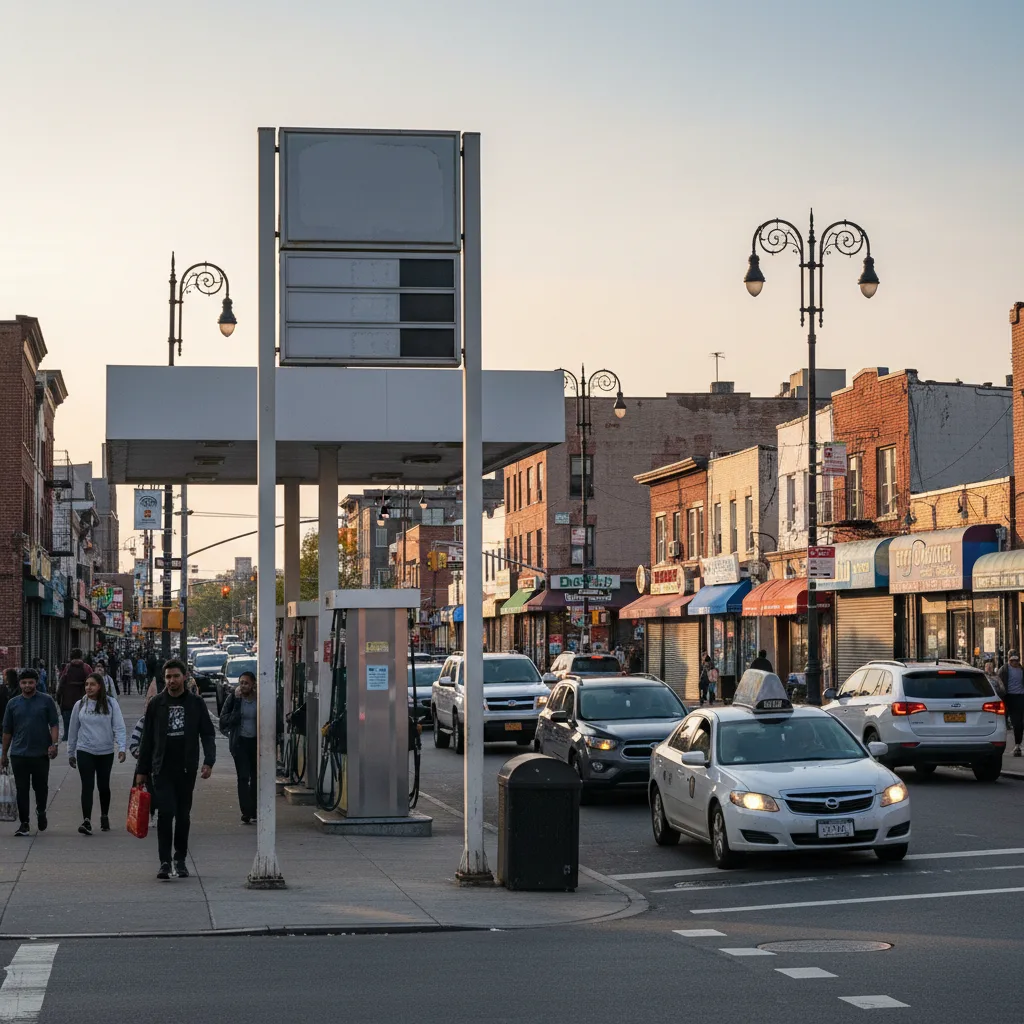
Iran's Foreign Minister Travels to China Amid West Asia Tensions
Iran's foreign minister travels to China amid West Asia tensions. Cross Bay Boulevard residents worry about oil prices, shipping, and local family budgets.
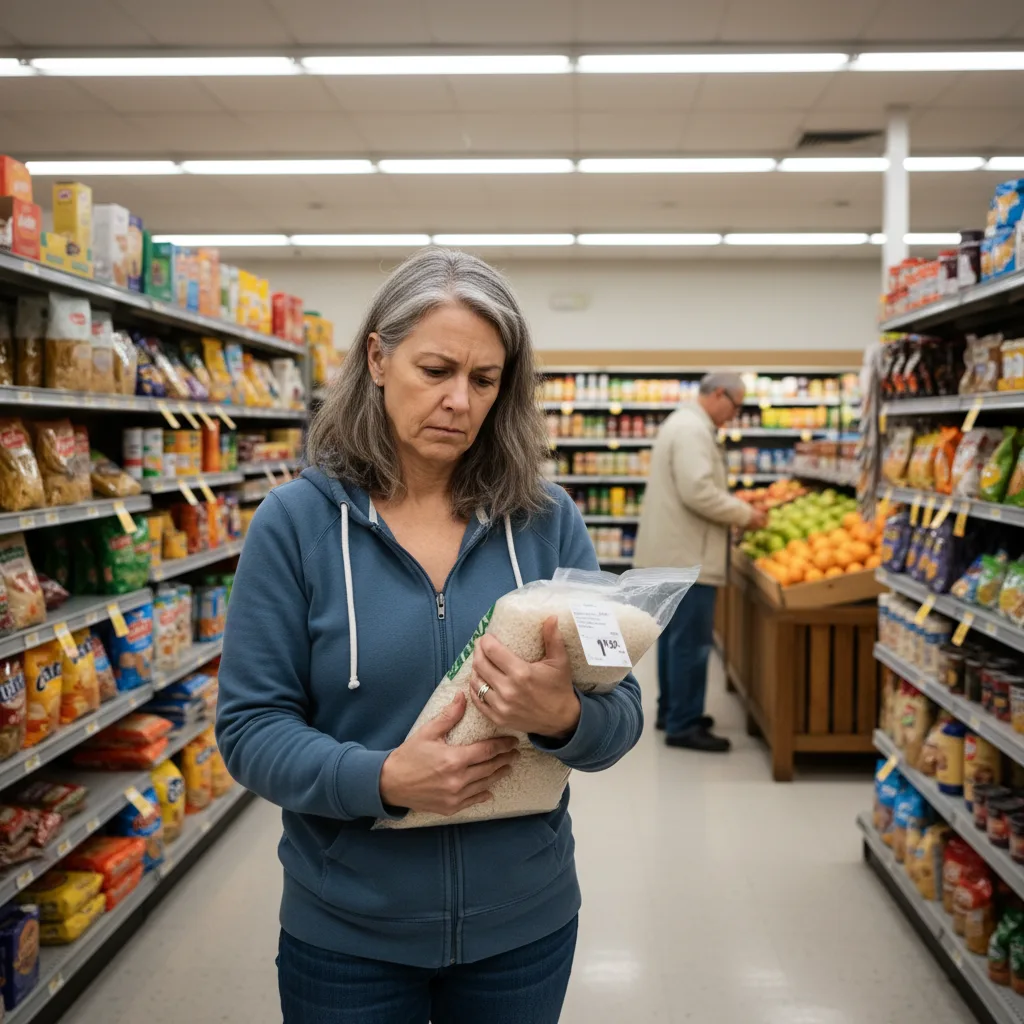
Queens Residents Brace for Trade Shocks as WTO Warns of Risks
The WTO warns of major global trade risks. Queens residents on Cross Bay Boulevard worry about rising prices for groceries and imports, preparing for supply delays.
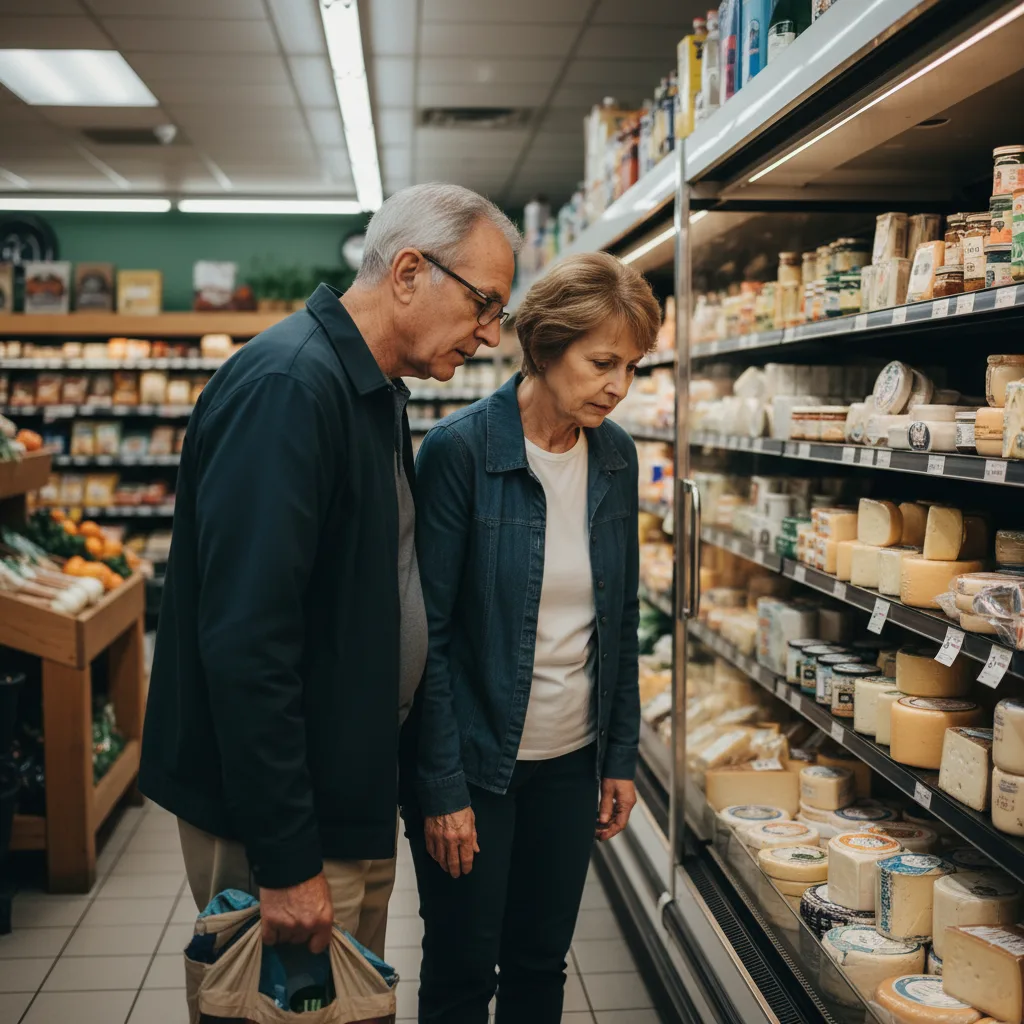
Saudi Arabia Forms Maritime Coalition, Cross Bay Boulevard Reacts
Saudi Arabia launched a maritime coalition to protect shipping lanes. Cross Bay Boulevard residents fear higher prices and trade disruption if global tensions escalate.

Irish Whiskey Tariff Removal: Queens Businesses Eye Trade Impact 2026
Donald Trump announced plans to scrap the 10% tariff on Irish whiskey, a move that could impact Queens businesses along Cross Bay Boulevard and influence consumer prices.

Queens Residents Discuss Trump's Stance on Chinese Car Manufacturing
Cross Bay Boulevard residents discuss Trump’s stance on Chinese car manufacturing in the US, debating impacts on local jobs and vehicle prices.