


Cross Bay Residents Debate Russia-Ukraine Ceasefire Viability

NEW YORK — Queens residents along Cross Bay Boulevard are closely following international developments as Russia and Ukraine trade accusations of breaking a U.S.-brokered ceasefire. This skepticism about peace efforts reverberates through local diners and community centers, particularly amidst fears of rising gas prices impacting daily commutes.
At the Cross Bay Diner, early morning patrons debated the truce's viability over coffee and breakfast. "It's just more empty talk from politicians," remarked Frank Gallo, a retired sanitation worker, gesturing towards a radio broadcasting international news. "Putin's not stopping for anyone—our Ukrainian neighbors here are heartbroken." His sentiment captures a general mood of apprehension within the community.
President Trump had hailed the ceasefire deal as potentially the "beginning of the end" of the war, yet mutual claims of drone attacks and shelling quickly overshadowed Victory Day observances. The rapid breakdown of the agreement has left many Cross Bay residents, particularly those with familial ties to the region, feeling dismayed.
Community Concerns Over Global Instability
Discussions at a community board meeting last night at the Howard Beach Library underscored widespread skepticism about the efficacy of international diplomacy in resolving the protracted conflict. Local leaders noted that while the war is thousands of miles away, its impacts, particularly on energy markets, are felt directly in Queens.
"Our residents are understandably anxious," stated Council Member Joann Ariola. "They see reports of a broken ceasefire, and their first thought is, 'What does this mean for gas prices on Cross Bay Boulevard?' or 'Will my family in Kyiv be safe?'" Ariola stressed the need for clear communication from federal leaders about the potential local economic fallout.
Folks walking their dogs in Joseph P. Addabbo Park are sharing updates from family in Ukraine via social media platforms like X, revealing the human cost of the conflict. These personal connections deepen the community's engagement with the global news, transforming distant headlines into immediate, heartfelt concerns. Many are calling for tougher U.S. action.
Economic Repercussions and Local Spending Habits
The immediate fear among Cross Bay residents centers on the potential for rising gas prices, which directly impact daily commutes and household budgets. Memories of recent fuel cost spikes, exacerbated by previous geopolitical tensions, remain fresh. Families are already contemplating adjustments to their spending habits.
Maria Rodriguez, a homemaker from Ozone Park, told reporters while shopping at Key Food on Cross Bay Boulevard, "Every time there's bad news from overseas, my husband checks the gas prices first thing. We've started stocking up on canned goods just in case tensions escalate further." This precautionary behavior indicates a broader sense of insecurity.
Small businesses that rely on local deliveries or have employees commuting from various parts of Queens also face increased operational costs. This can lead to higher prices for consumers or reduced profit margins for business owners. The local economy along the bustling boulevard is acutely sensitive to these external pressures.
Call for Stronger Diplomatic Efforts
Despite the prevailing skepticism, many residents and community leaders expressed a desire for renewed and more effective diplomatic efforts to secure a lasting peace. The sentiment is that while local communities endure the fallout, global leaders must redouble their commitment to de-escalation and conflict resolution.
"The international community cannot afford to let this conflict fester," argued Professor Anya Petrova, a political science expert from Queens College, who lives in Howard Beach. She presented her analysis during a public forum at the Howard Beach Library, highlighting the humanitarian and economic toll. "The humanitarian crisis is immense, and the economic ripple effects are undeniable, even here in Queens."
Local churches and synagogues have held special prayers for peace, reflecting the community's profound hope for an end to the conflict. These spiritual gatherings provide a space for residents to process the anxieties stirred by the volatile international landscape, affirming a shared longing for stability.
What You Need to Know About the Ceasefire Debate
Why are Cross Bay residents concerned about the Russia-Ukraine ceasefire?
Cross Bay residents are concerned because Russia and Ukraine are accusing each other of breaking a U.S.-brokered ceasefire, raising doubts about its viability. This fuels skepticism that peace efforts are failing, leading to fears of rising gas prices hitting their commutes. Frank Gallo, a retired sanitation worker, articulated this sentiment at the Cross Bay Diner, stating, "It's just more empty talk from politicians." Many residents, especially those with Ukrainian heritage, feel heartbroken and anxious about the ongoing conflict and its potential to worsen.
How does this global event impact the local Queens community?
The global conflict directly impacts the local Queens community through the anticipation of increased gas prices, affecting daily commutes and household budgets. Residents like Maria Rodriguez are responding by stocking up on necessities, indicating a broader sense of insecurity. Council Member Joann Ariola noted that residents immediately connect a broken ceasefire to local gas prices and the safety of family overseas. The conflict also creates emotional strain for residents with familial ties to Ukraine, who share real-time updates from relatives and call for stronger U.S. action. The Howard Beach Library community discussions highlight the pervasive nature of these anxieties.
What are community leaders and residents hoping for?
Despite the skepticism, community leaders and residents are hoping for renewed and more effective diplomatic efforts to secure a lasting peace. Professor Anya Petrova from Queens College emphasized the need for the international community to prevent the conflict from festering due to its immense humanitarian and economic toll, even in Queens. Local churches and synagogues have held special prayers for peace, reflecting a collective longing for stability and an end to the conflict's ripple effects on local life along Cross Bay Boulevard.
Written by
Newstrix
Cross Bay Current
Related Articles
More in National & World →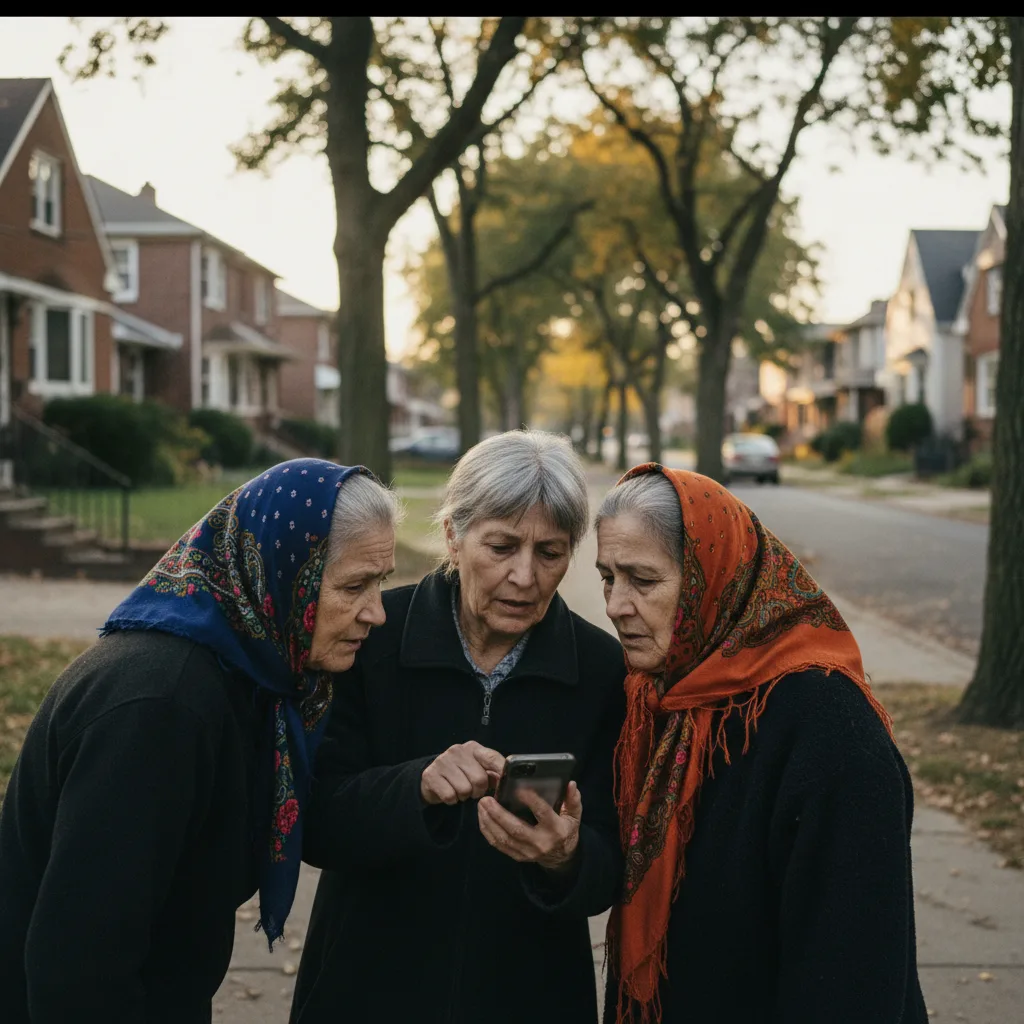
Cross Bay Boulevard Residents React to Ukraine War Strikes in Kyiv
Cross Bay Boulevard residents express deep concern and sympathy following Russian strikes in Kyiv and Odesa that injured 13 people.
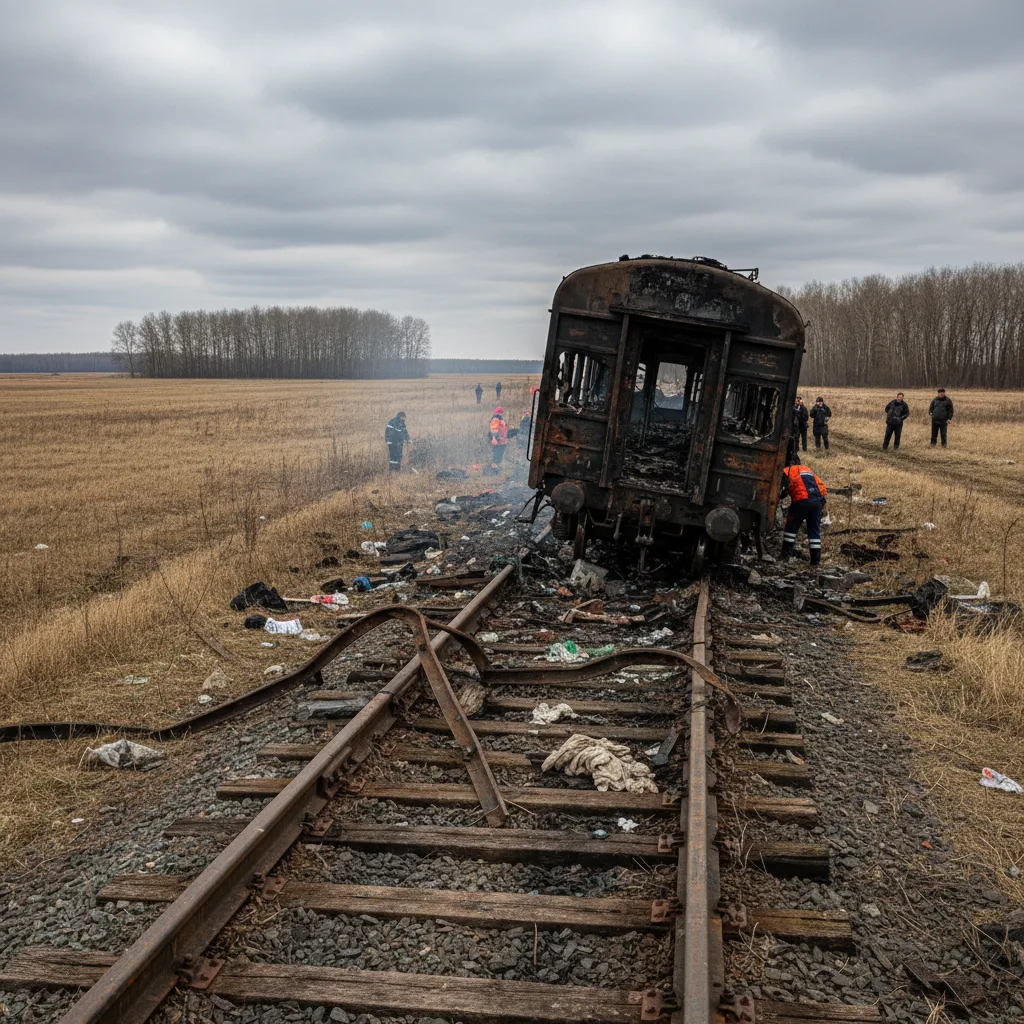
Russian Drone Strikes Ukraine Train After Johnson Visit, Global Alarm Rises 2026
A Russian drone struck a Ukrainian train after Boris Johnson passed through, fueling global alarm. Queens residents watch the impacts of distant conflicts.

Indonesian Ferry Disaster Leaves About 130 Missing in Java Sea
An Indonesian ferry sank in bad weather in the Java Sea, leaving about 130 missing. Cross Bay Boulevard residents express sympathy and concern over travel safety.
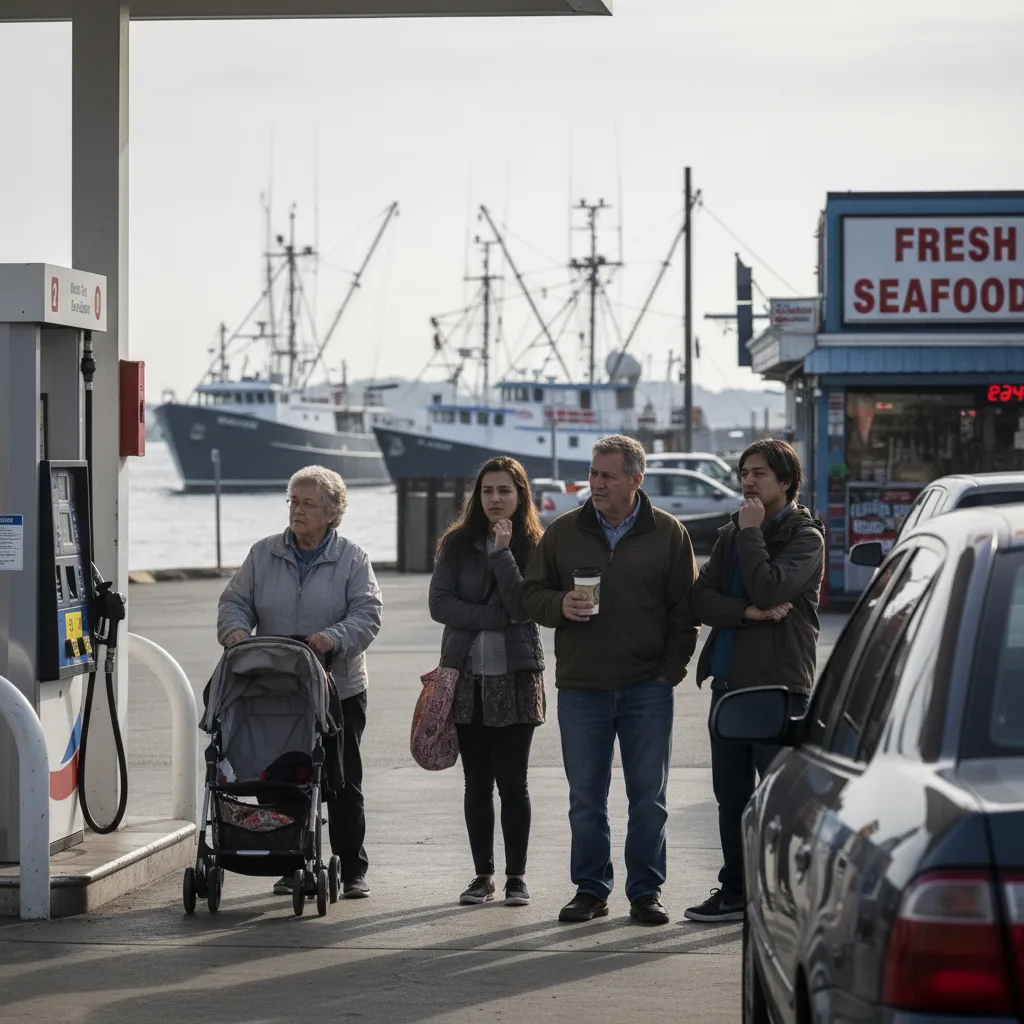
Iranian Commercial Vessel Struck in Strait of Hormuz, One Killed
An Iranian commercial vessel was struck in the Strait of Hormuz, killing one. Cross Bay Boulevard residents fear higher gas prices and shipping delays.

Merchant Vessel Struck Near Iran, One Fatality Reported
A merchant vessel was struck near Iran’s Strait of Hormuz, killing one and injuring three. The incident raises local concerns about gas prices and shipping disruptions.
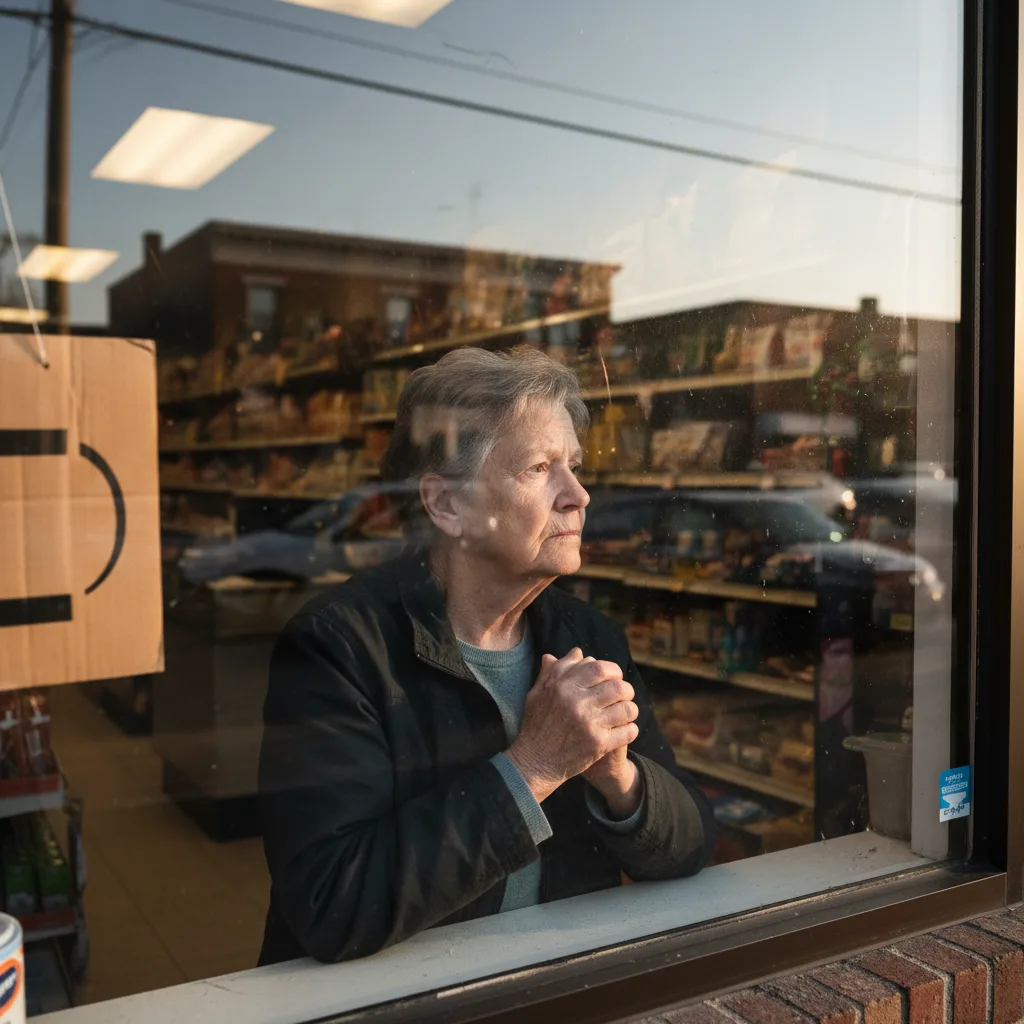
Cross Bay Boulevard Residents Anxious Over Zelenskyy Drone Incident
Cross Bay Boulevard residents react with anxiety and fatigue after Ukrainian President Zelenskyy's plane nearly hit by a drone near Moldova.