


Cross Bay Residents Discuss Rising Gas Prices Amid Global Conflict
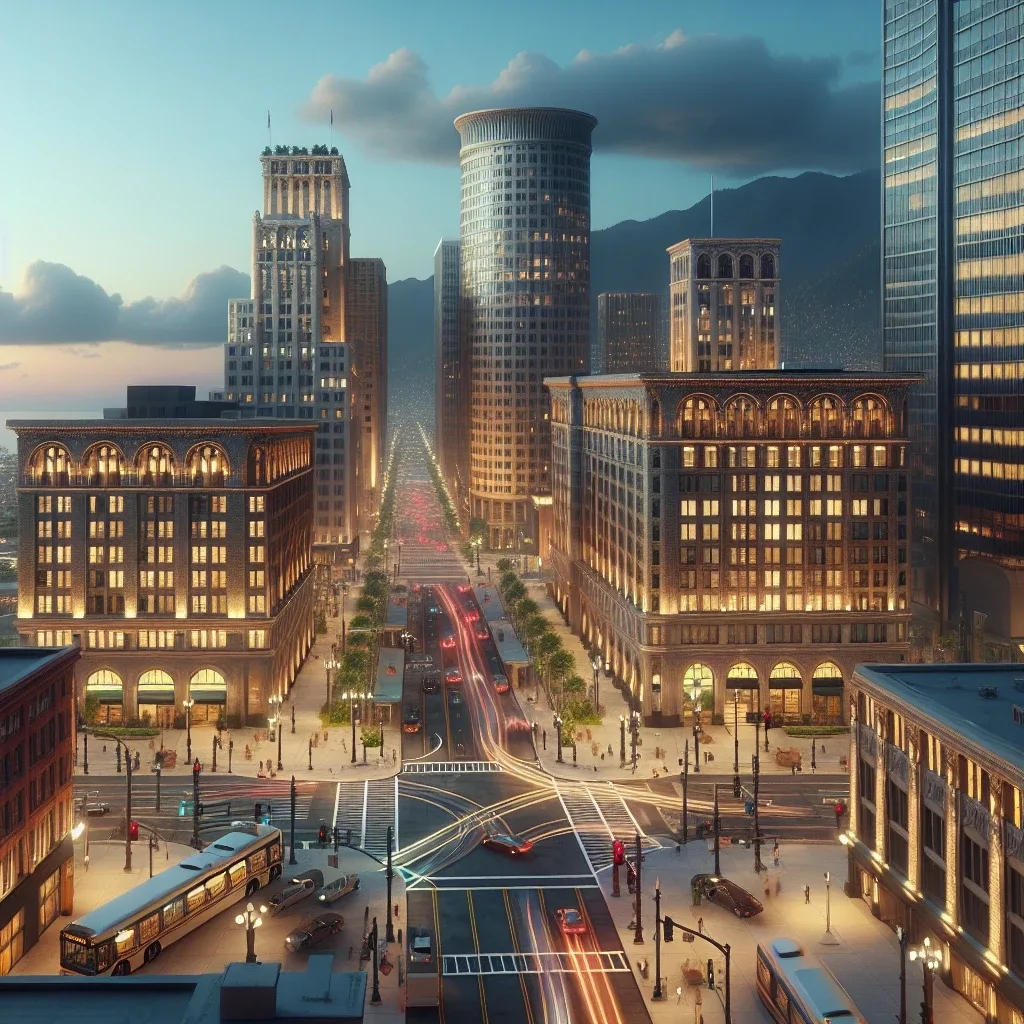
NEW YORK — Residents along Cross Bay Boulevard in Queens are closely following global developments, particularly the escalating conflict involving the United States and Iran, which is now in its third week. The recent US strikes on 90 targets at Iran's Kharg Island oil hub have sent ripples through international energy markets, leading to noticeable increases in local gas prices and sparking widespread debate in neighborhood diners and community gatherings.
The global conflict’s ripple effects are keenly felt in communities like Howard Beach and Broad Channel, where commutes to major employment hubs like JFK Airport are a daily reality. Concerns over gas prices and potential supply chain disruptions are dominating conversations, reflecting a broader anxiety about economic stability and international security.
Gas Price Hikes Impact Daily Commutes and Budgets
The most immediate and tangible impact for Cross Bay Boulevard residents is the sharp increase at local gas pumps. As global oil prices surge following the strikes on Iran's key oil export facility, daily commuters to workplaces such as JFK Airport face higher transportation costs. Families are adjusting household budgets to absorb these unexpected expenses.
Many residents rely on personal vehicles due to limited public transit options in parts of Queens, making them particularly vulnerable to fuel price volatility. Local gas stations along Cross Bay Boulevard have seen prices climb steadily, adding financial pressure on working-class families and small businesses. The cost of living in New York City is already high, making any increase a significant burden.
Community Debates and Supply Chain Concerns
Diners like the Broadway Diner along Cross Bay Boulevard have become informal hubs for discussion, with patrons debating the geopolitical situation and its local implications. Conversations often revolve around the broader economic fallout, including fears of food price inflation and shortages. Some residents have begun stocking up on canned goods at local Key Food supermarkets, preparing for potential disruptions.
Community board meetings, including those at PS 42, have turned heated as parents express anxieties over sons and daughters serving in the military. The specter of a prolonged conflict weighs heavily on families with service members, prompting expressions of both support for troops and concern for their safety. Irish pubs in the area are also abuzz, with many locals expressing pride in US military actions, while others voice worries about the wider consequences of war.
Geopolitical Tensions and Local Patriotism
President Trump’s call for allies to send warships to reopen the Strait of Hormuz, coupled with ongoing military actions, has evoked strong reactions within the Cross Bay Boulevard community. Some residents view the robust military response as a necessary show of strength, aligning with a sense of patriotic duty. Others express apprehension about the long-term implications of escalating tensions.
Street corners and online forums feature groups sharing YouTube clips of the strikes, with discussions ranging from strategic analyses to personal opinions on foreign policy. The sentiment often mixes support for the troops with underlying anxieties about rising bodega prices and the stability of the global economy. The YouTube link provides further details on the initial US strikes.
Economic Ripple Effects Beyond Fuel Costs
Beyond gas prices, the global conflict threatens to disrupt wider supply chains, potentially affecting the availability and cost of various goods. Energy markets are rattled, and economists warn of possible food crises and economic disruption on a global scale. For local businesses in Queens, this could translate to higher operational costs and increased prices for consumers.
Small businesses, already navigating a complex economic landscape, could face additional challenges from inflationary pressures. The interconnectedness of global markets means that conflicts thousands of miles away can directly influence the price of everyday essentials in New York City. This adds another layer of complexity to local economic planning.
Seeking Information and Community Support
In times of global uncertainty, local news outlets and community organizations play a crucial role in disseminating accurate information and providing platforms for residents to connect. Civic associations along Cross Bay Boulevard are expected to hold town halls or dedicated discussions to address resident concerns and facilitate access to resources. Sharing information from reliable sources remains paramount.
Residents are encouraged to stay informed through trusted news sources and community channels. Support networks for military families are also mobilizing, offering assistance and solidarity to those whose loved ones are deployed. These local efforts help to mitigate anxieties and foster a sense of community resilience during challenging times.
Frequently Asked Questions About Cross Bay Boulevard's Response to Global Events
How are Cross Bay Boulevard residents primarily affected by the global conflict? The primary impacts for residents include rising gas prices due to global oil market instability, concerns over potential supply chain disruptions leading to increased costs for goods, and anxieties among military families regarding deployed loved ones. Community discussions are often focused on these issues. What actions are local officials taking to address economic concerns? Local officials are monitoring the economic situation closely and engaging with city and state agencies to explore potential relief measures or support programs for businesses and residents. They also serve as conduits for information from federal sources regarding national security. Where can military families find support? Military families in Queens can access support through local VFW posts, community organizations, and national military family support networks. These groups offer resources, counseling, and a community of shared experience. Are there any local events planned to discuss the global situation? Community board meetings and civic associations often incorporate discussions on current events. Residents should check local community calendars and news updates for specific town halls or informational sessions planned to address the global conflict and its local impacts. How can residents stay informed about the conflict's development? Residents are advised to follow trusted national and international news sources, and also look to local news outlets that contextualize global events with their specific impact on the Cross Bay Boulevard area. Avoiding misinformation is critical during times of crisis.
Written by
Newstrix
Cross Bay Current
Related Articles
More in Local Economy & Business →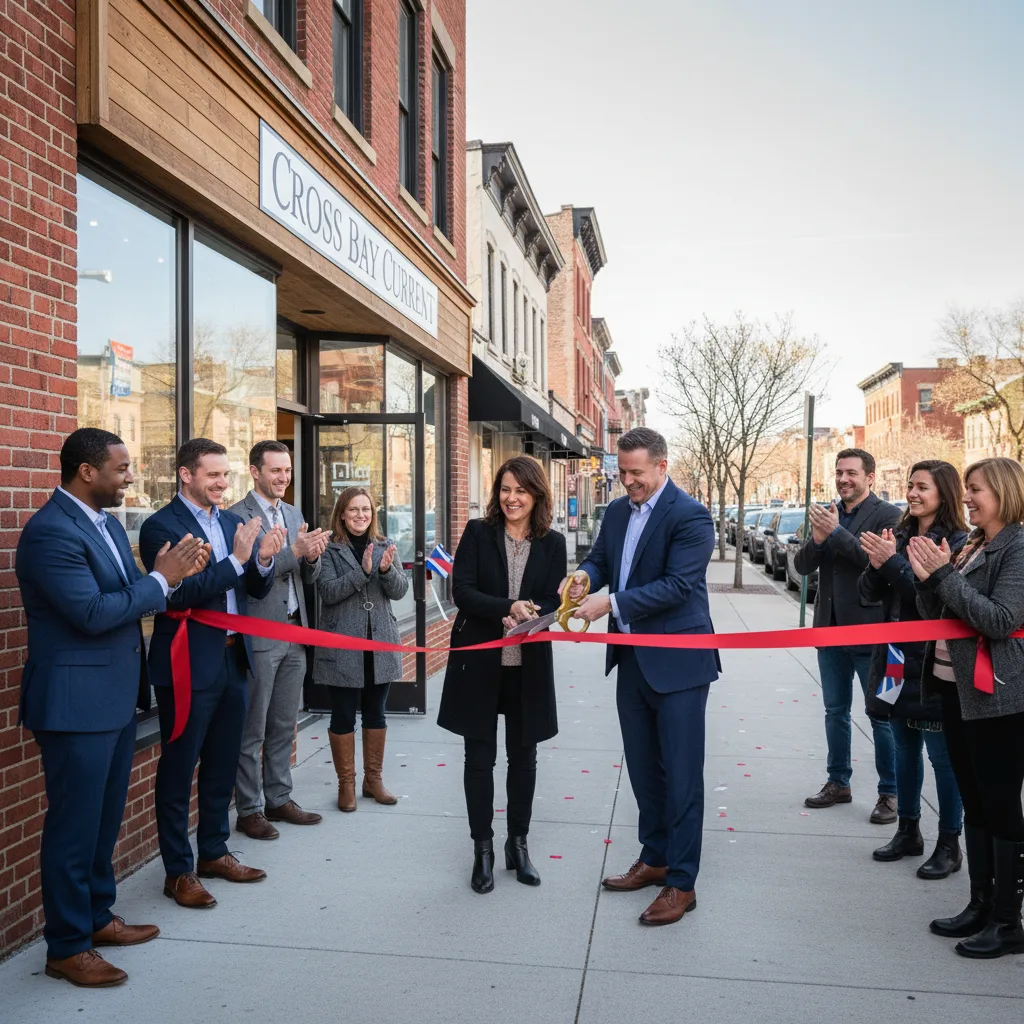
Cross Bay Boulevard Welcomes New Business with Grand Opening
A new business officially opened at 156-36 Cross Bay Boulevard with a ribbon-cutting ceremony on Friday, September 18, 2026, signaling local growth.
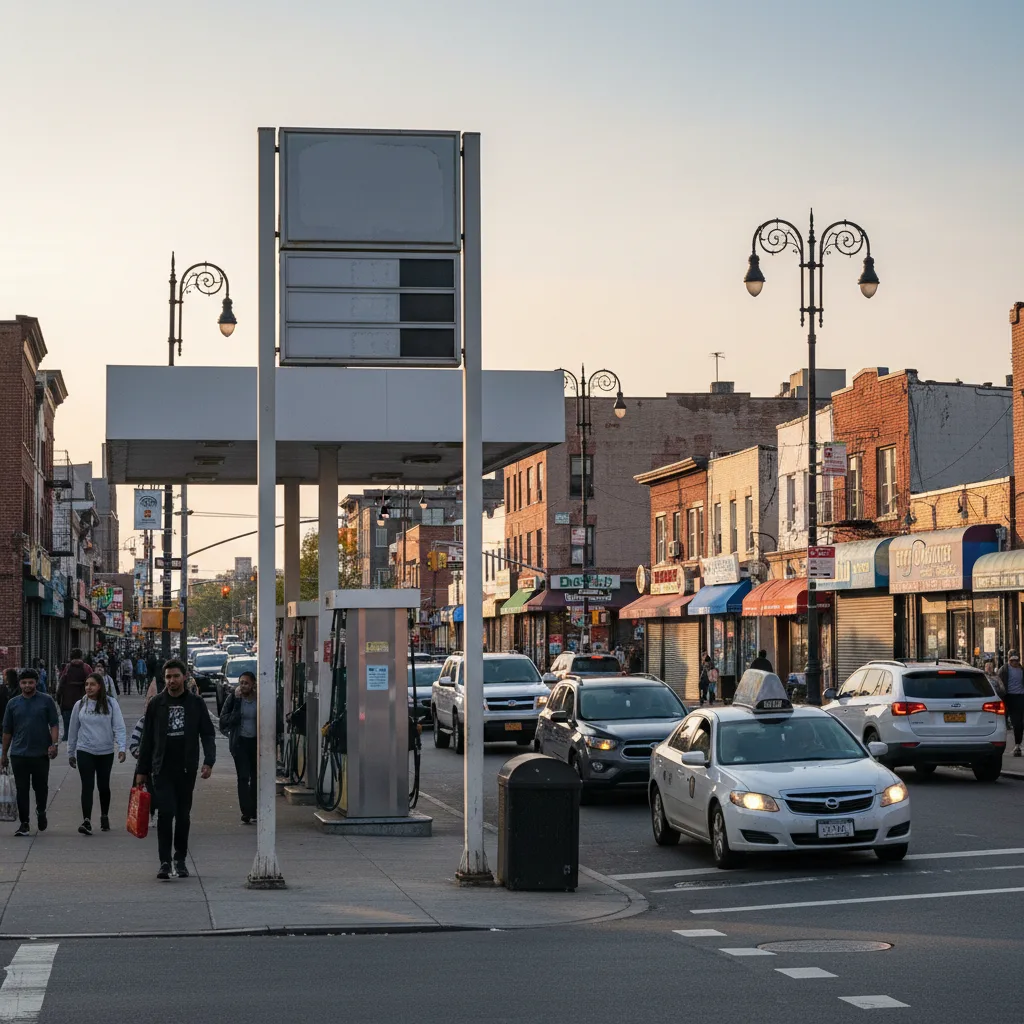
Iran's Foreign Minister Travels to China Amid West Asia Tensions
Iran's foreign minister travels to China amid West Asia tensions. Cross Bay Boulevard residents worry about oil prices, shipping, and local family budgets.
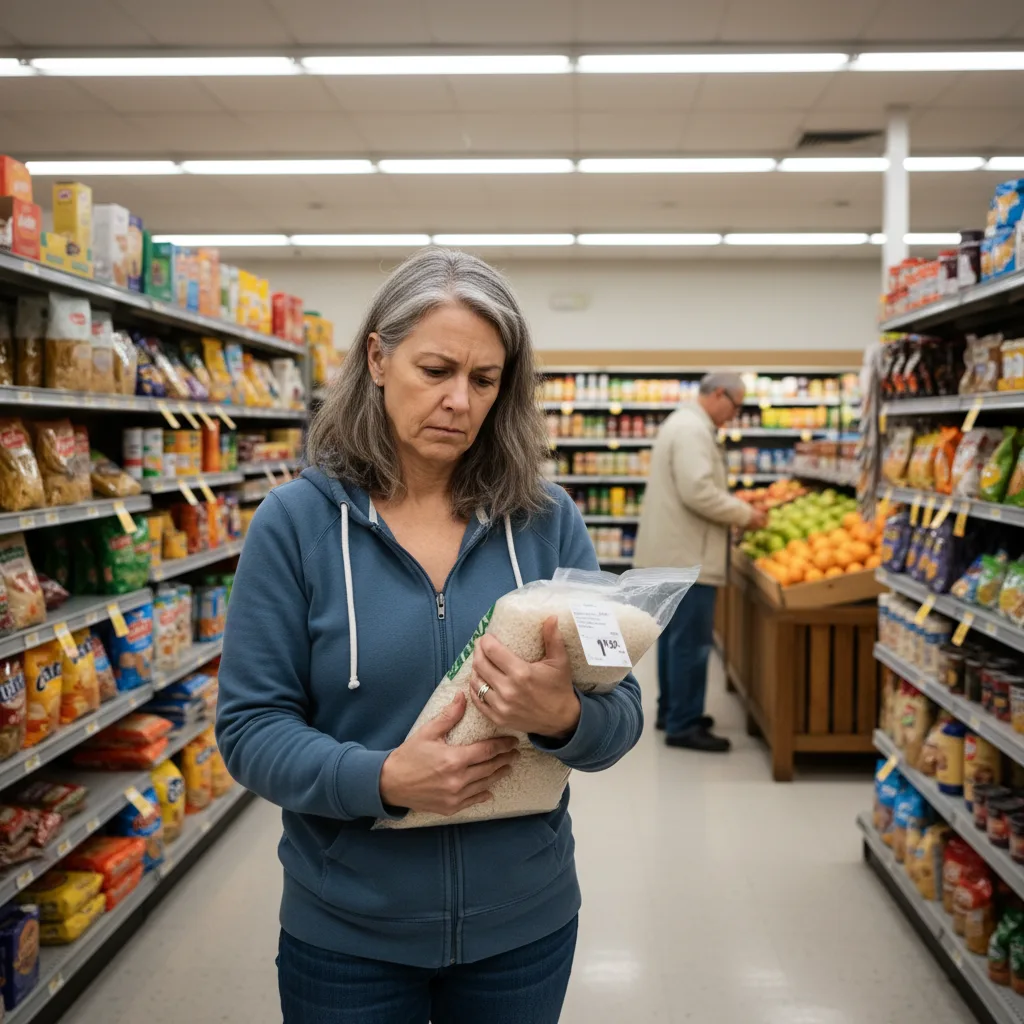
Queens Residents Brace for Trade Shocks as WTO Warns of Risks
The WTO warns of major global trade risks. Queens residents on Cross Bay Boulevard worry about rising prices for groceries and imports, preparing for supply delays.
Saudi Arabia Forms Maritime Coalition, Cross Bay Boulevard Reacts
Saudi Arabia launched a maritime coalition to protect shipping lanes. Cross Bay Boulevard residents fear higher prices and trade disruption if global tensions escalate.
Irish Whiskey Tariff Removal: Queens Businesses Eye Trade Impact 2026
Donald Trump announced plans to scrap the 10% tariff on Irish whiskey, a move that could impact Queens businesses along Cross Bay Boulevard and influence consumer prices.

Queens Residents Discuss Trump's Stance on Chinese Car Manufacturing
Cross Bay Boulevard residents discuss Trump’s stance on Chinese car manufacturing in the US, debating impacts on local jobs and vehicle prices.