


Gas Price Anxieties Rise on Cross Bay Boulevard Amid Iran News

NEW YORK — Following news of postponed strikes on Iran, Queens residents along Cross Bay Boulevard are expressing renewed anxieties about a potential surge in gasoline prices. Data from AAA indicates average gas prices in New York City have fluctuated by over $0.40 per gallon in the last quarter, directly impacting household budgets in neighborhoods like Howard Beach and Ozone Park.
Global geopolitical tensions, even when temporarily abated, consistently ripple through local economies, a pattern deeply familiar to those who commute daily or operate businesses dependent on transportation. The specter of increased fuel costs remains a dominant concern in conversations at local eateries and bodegas.
Local Businesses Brace for Economic Ripple Effects
The announcement by former President Trump regarding a pause in military action against Iran, widely reported by ABC News, brings a temporary reprieve to an escalating international situation. However, this development has not fully quelled concerns among Cross Bay Boulevard merchants about the long-term stability of global oil markets.
Robert “Bobby” Carbone, who owns Carbone’s Auto Repair on the boulevard for 35 years, highlighted the fragility. “Every time there’s talk of trouble overseas, we see the price at the pump jump within days,” Carbone told the Cross Bay Current on Wednesday. “That hits everyone, from my delivery drivers to families just trying to get to work.”
Community Discusses Cost of Living Pressures
Queens residents are increasingly focused on how international events translate into higher everyday costs. The potential for elevated gas prices directly affects everything from grocery bills due to increased transportation costs to the viability of local small businesses operating on thin margins.
Patricia Chen, a resident of Lindenwood, observed the pattern with weary resignation. “It’s always the same story: global conflict means we pay more here,” Chen noted while filling her tank at the Shell station near 165th Avenue. “It makes you wonder if things will ever feel stable again.”
Official Responses and Economic Outlook
Local officials acknowledge the concerns, with Council Member Daniel Adams emphasizing the need for stability. “We understand that global events have a direct impact on our residents’ wallets,” Adams said in a statement. “We are monitoring the situation closely and advocating for policies that shield our community from external economic shocks.”
The Queens Chamber of Commerce has also issued advisories to local businesses, encouraging them to review their operational budgets for potential fuel cost increases. According to a recent Chamber report, energy expenses account for an average of 15-20% of operational costs for small businesses involved in transportation or delivery services along the boulevard, a topic often explored in Queens Chamber of Commerce updates.
The Geopolitical Link to Daily Expenses
The dialogue along Cross Bay Boulevard underscores a profound connection between geopolitics and personal finance. Residents grasp that international tensions, even when remote, inevitably manifest as tangible economic burdens within their community. This understanding cultivates a sense of resignation but also a desire for greater economic resilience.
While the immediate crisis may have been postponed, the underlying fragility of the energy markets and their direct influence on daily expenses for Queens families remain a persistent source of worry. The collective hope is for lasting peace that can foster predictable and affordable living costs within the borough.
Frequently Asked Questions About Gas Prices and Global Events
Residents frequently ask why international events, even those seemingly distant, so quickly impact local gas prices. The answer lies in the global nature of oil markets, where supply and demand are highly sensitive to geopolitical stability. Threats of disruption, even if not realized, can cause speculative price increases.
Another common question involves what local authorities or consumers can do to mitigate these price fluctuations. While individual actions like carpooling or using public transport (like the Q53 bus route) can help, systemic solutions often require national energy policies and international diplomacy. Local governments can provide resources for energy efficiency.
Many also inquire about the duration of such price impacts. This varies significantly based on the specific event and its resolution. Past trends suggest that price increases can be sustained for weeks or months after a major geopolitical incident, even if the initial crisis passes. Residents on Cross Bay Boulevard understand this long-term ripple effect.
Written by
Newstrix
Cross Bay Current
Related Articles
More in National & World →
Cross Bay Boulevard Residents React to Ukraine War Strikes in Kyiv
Cross Bay Boulevard residents express deep concern and sympathy following Russian strikes in Kyiv and Odesa that injured 13 people.
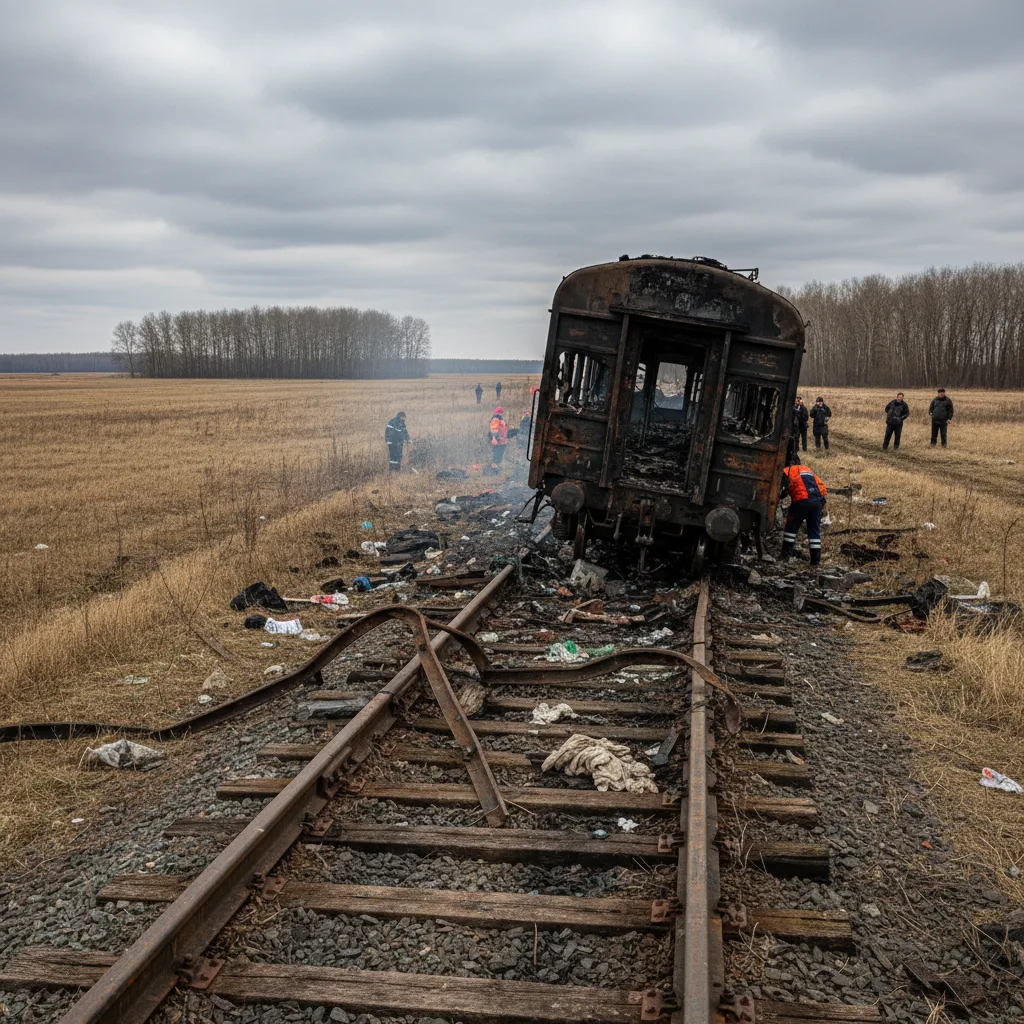
Russian Drone Strikes Ukraine Train After Johnson Visit, Global Alarm Rises 2026
A Russian drone struck a Ukrainian train after Boris Johnson passed through, fueling global alarm. Queens residents watch the impacts of distant conflicts.
Indonesian Ferry Disaster Leaves About 130 Missing in Java Sea
An Indonesian ferry sank in bad weather in the Java Sea, leaving about 130 missing. Cross Bay Boulevard residents express sympathy and concern over travel safety.
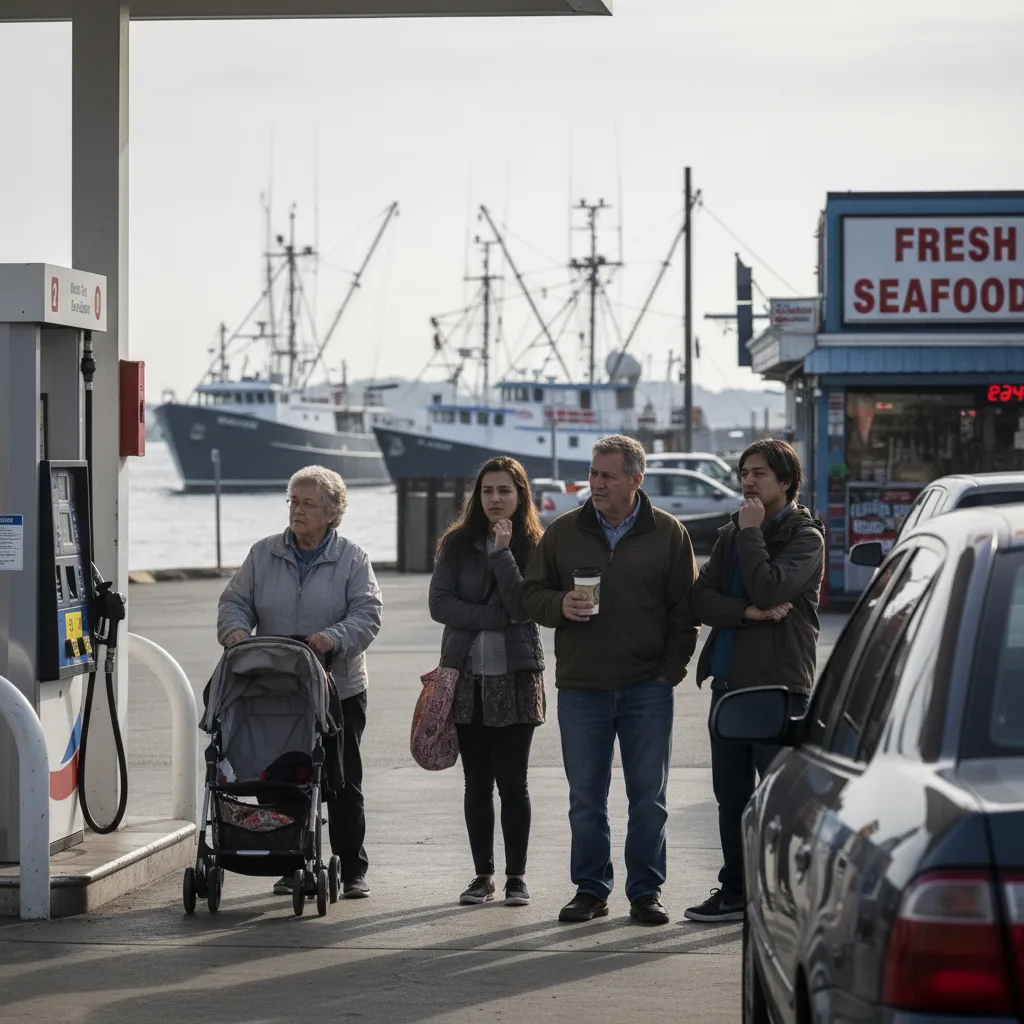
Iranian Commercial Vessel Struck in Strait of Hormuz, One Killed
An Iranian commercial vessel was struck in the Strait of Hormuz, killing one. Cross Bay Boulevard residents fear higher gas prices and shipping delays.
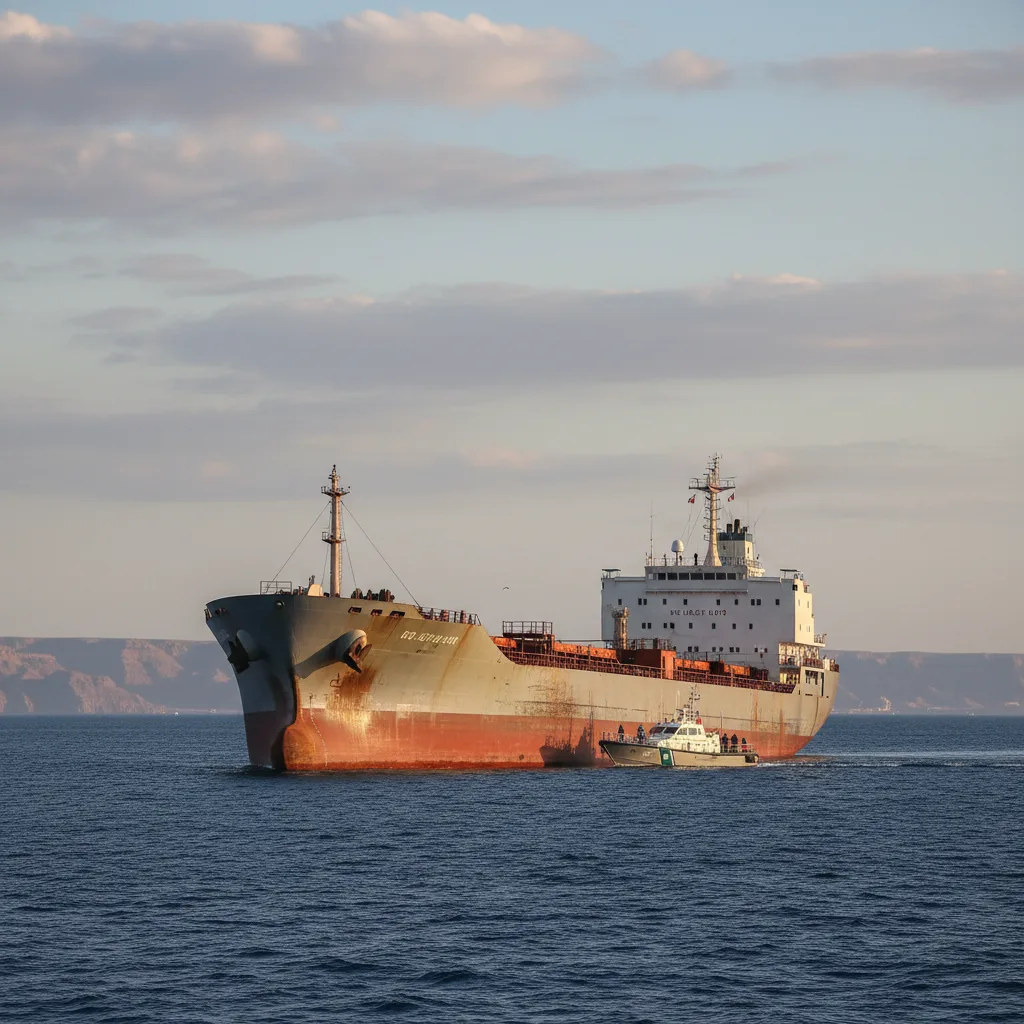
Merchant Vessel Struck Near Iran, One Fatality Reported
A merchant vessel was struck near Iran’s Strait of Hormuz, killing one and injuring three. The incident raises local concerns about gas prices and shipping disruptions.
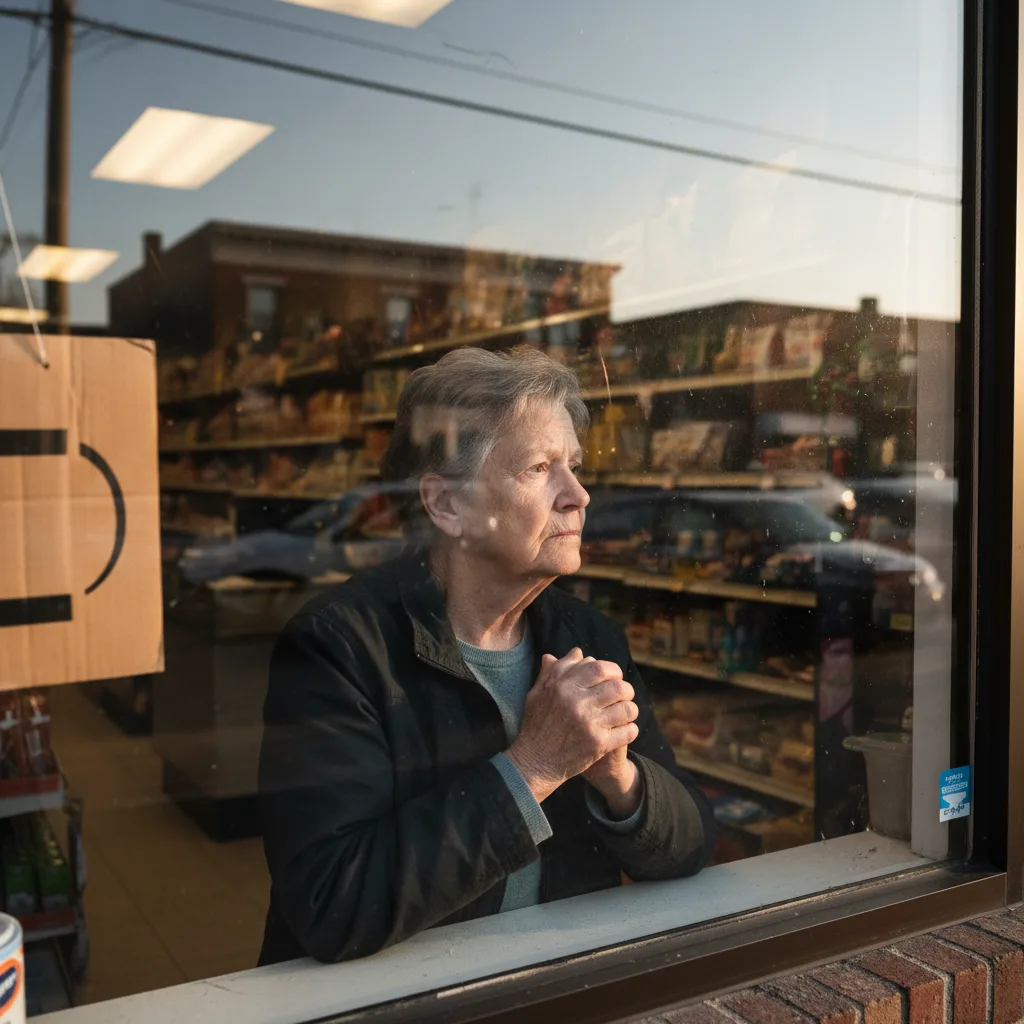
Cross Bay Boulevard Residents Anxious Over Zelenskyy Drone Incident
Cross Bay Boulevard residents react with anxiety and fatigue after Ukrainian President Zelenskyy's plane nearly hit by a drone near Moldova.