


Global Food Crisis Impacts Cross Bay Boulevard Grocery Prices, Residents Brace

NEW YORK — Residents along Cross Bay Boulevard and throughout nearby Queens neighborhoods are bracing for significant increases in grocery and heating costs, as the global food emergency, exacerbated by geopolitical tensions in the Strait of Hormuz, directly impacts local household budgets. Reports from late April 2026 indicate a widespread concern among local families and businesses.
News of the Trump Administration’s expected rejection of a deal to reopen the Strait of Hormuz has sent ripples through global commodity markets, translating quickly into higher prices at the checkout aisle. This distant geopolitical decision is now a very real local concern.
Local Bodegas See Customer Stockpiling
Local bodega owners on Cross Bay Boulevard, from Ozone Park to Howard Beach, report an observable shift in customer behavior. Many customers are inquiring about bulk food purchases and expressing concerns about potential stockpiling, a clear signal of anxiety over future prices.
“People are worried,” said Mr. Patel, owner of a small grocery store near 159th Avenue. “Last week alone, I had five different customers ask if they should buy extra rice or cooking oil before prices climb even higher. It’s unsettling to see.” Mr. Patel noted a 15% increase in purchases of non-perishable goods.
The global food emergency stems from soaring fuel and fertilizer costs, amplified by the closure of the Strait of Hormuz, a critical maritime chokepoint. UN Secretary-General António Guterres has warned that these factors are creating humanitarian crises worldwide, and the effects are now reaching New York’s neighborhoods.
Impact on Queens Families and Schools
Parents at nearby schools, including PS 104 The Bayswater and MS 180 Community, are increasingly discussing the impact of rising costs on already-tight family budgets. The prospect of higher heating bills in the coming months adds another layer of financial stress.
School lunch programs and food pantries in the area anticipate a surge in demand as families struggle to cope with increased expenses. Local non-profits are already beginning to coordinate efforts to provide additional support.
“Every dollar counts for working families in Queens,” commented Sarah Jenkins, a parent leader at a local elementary school. “When food and heating become more expensive, it means less for everything else—school supplies, healthcare, even rent.”
Community Frustration Over Distant Decisions
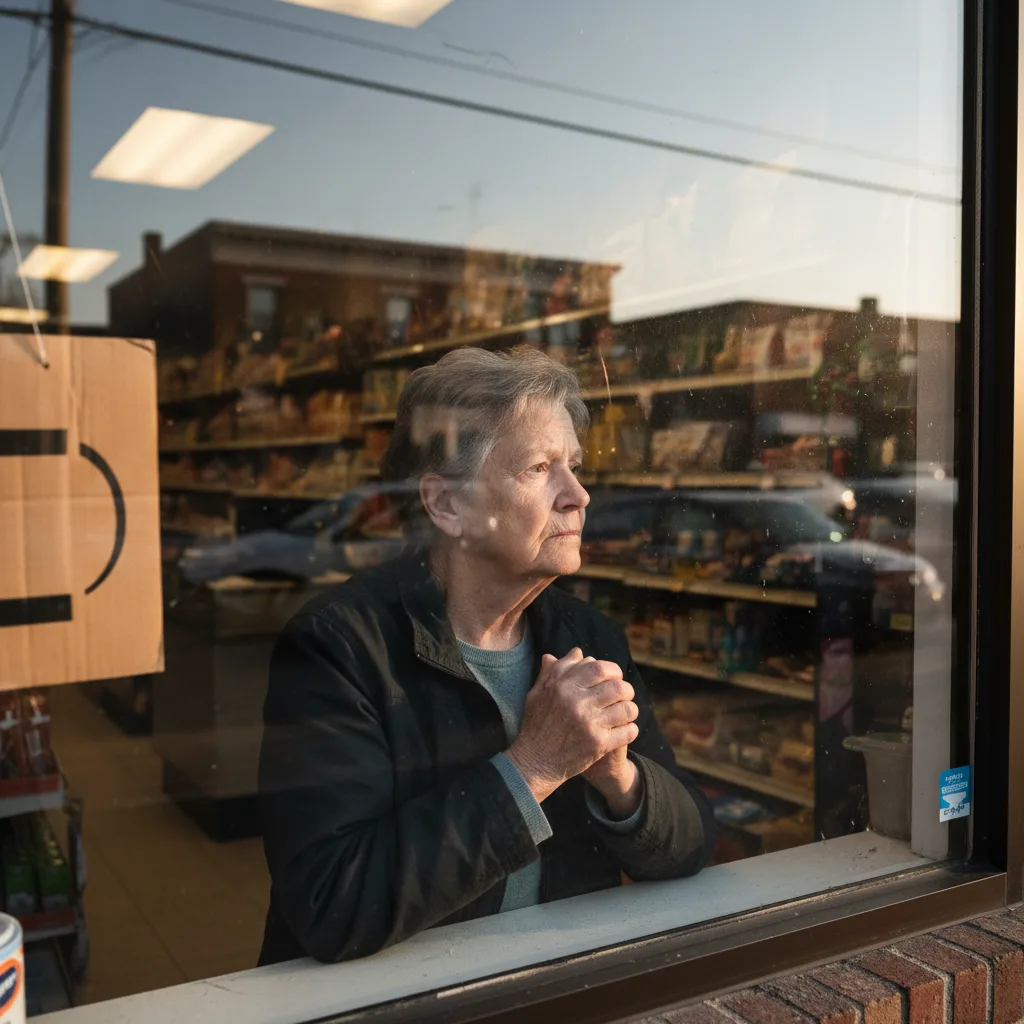
Community members shopping at local grocery stores on Cross Bay Boulevard express frustration over what they perceive as distant geopolitical decisions affecting their ability to afford basic necessities. There's a feeling of powerlessness against global forces.
“It’s not right that what happens halfway across the world can make it harder for us to feed our children here,” remarked one shopper at a Key Food Supermarket. “Our politicians need to consider the real-world impact on everyday people.” This sentiment reflects a desire for more local representation in global affairs.
The Trump Administration's stance on the Strait of Hormuz deal, as reported by Democracy Now, has triggered significant discussion among residents who feel disconnected from decision-making processes that profoundly affect their lives. The full context of the global food emergency underlines the urgency of these local concerns.
Seeking Local Solutions Amid Global Headwinds
In response to these concerns, local community leaders are exploring ways to mitigate the impact. This includes advocating for expanded food assistance programs and seeking partnerships with local farms to provide more affordable produce directly to residents.
Efforts are also underway to share information about energy efficiency programs and assistance for heating costs to help families prepare for the winter months. The goal is to build local resilience against global economic shocks.
These discussions resonate with broader economic trends impacting Queens, as detailed in our recent Cross Bay area economic forecast, which highlighted both resilience and vulnerability in the local economy. The crisis serves as a stark reminder of the interconnectedness of global and local well-being.
Frequently Asked Questions About Rising Costs
What specific items are expected to see the largest price increases?
While price increases are expected across a wide range of goods, commodities directly affected by fuel and fertilizer costs, such as fresh produce, baked goods, and meat products, are likely to see significant jumps. Additionally, energy-intensive goods and services, including heating oil and natural gas, are anticipated to rise, directly impacting household utility bills for residents along Cross Bay Boulevard.
How are local organizations preparing to assist affected families?
Local non-profit organizations, food pantries, and faith-based groups in Queens are beginning to coordinate their efforts. They are planning to expand food assistance programs, increase outreach for energy assistance, and potentially organize community bulk-buying initiatives to help mitigate the financial burden on vulnerable families. Information on where to seek help is being compiled and distributed across neighborhoods.
What is the connection between the Strait of Hormuz and local grocery prices?
The Strait of Hormuz is a vital chokepoint for global oil and gas shipments. When its closure or instability impacts global fuel prices, the cost of transporting goods, including food and fertilizer, increases dramatically. These higher shipping and production costs are then passed down the supply chain, ultimately leading to higher retail prices for consumers in places like Cross Bay Boulevard. This demonstrates a direct link between international events and local household budgets.
Written by
Newstrix
Cross Bay Current
Related Articles
More in National & World →
Cross Bay Boulevard Residents React to Ukraine War Strikes in Kyiv
Cross Bay Boulevard residents express deep concern and sympathy following Russian strikes in Kyiv and Odesa that injured 13 people.
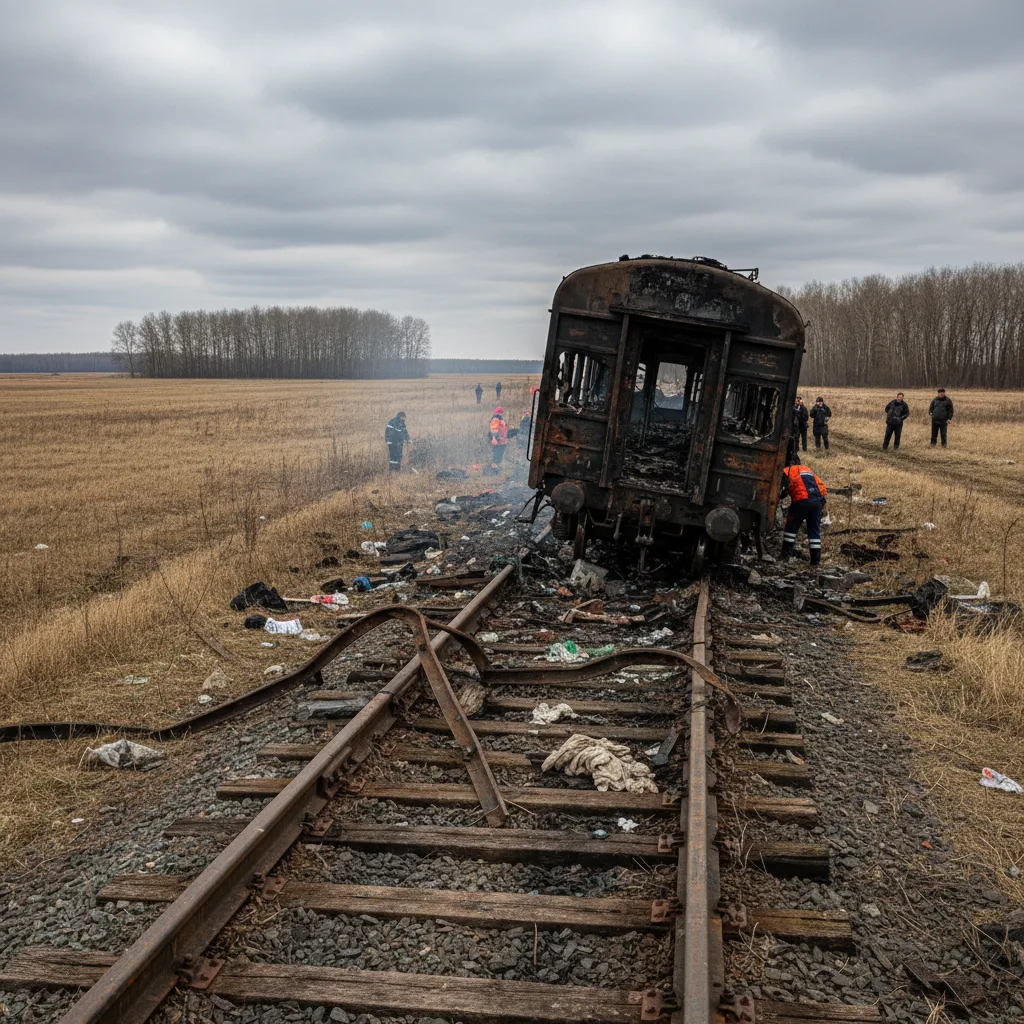
Russian Drone Strikes Ukraine Train After Johnson Visit, Global Alarm Rises 2026
A Russian drone struck a Ukrainian train after Boris Johnson passed through, fueling global alarm. Queens residents watch the impacts of distant conflicts.

Indonesian Ferry Disaster Leaves About 130 Missing in Java Sea
An Indonesian ferry sank in bad weather in the Java Sea, leaving about 130 missing. Cross Bay Boulevard residents express sympathy and concern over travel safety.
Iranian Commercial Vessel Struck in Strait of Hormuz, One Killed
An Iranian commercial vessel was struck in the Strait of Hormuz, killing one. Cross Bay Boulevard residents fear higher gas prices and shipping delays.
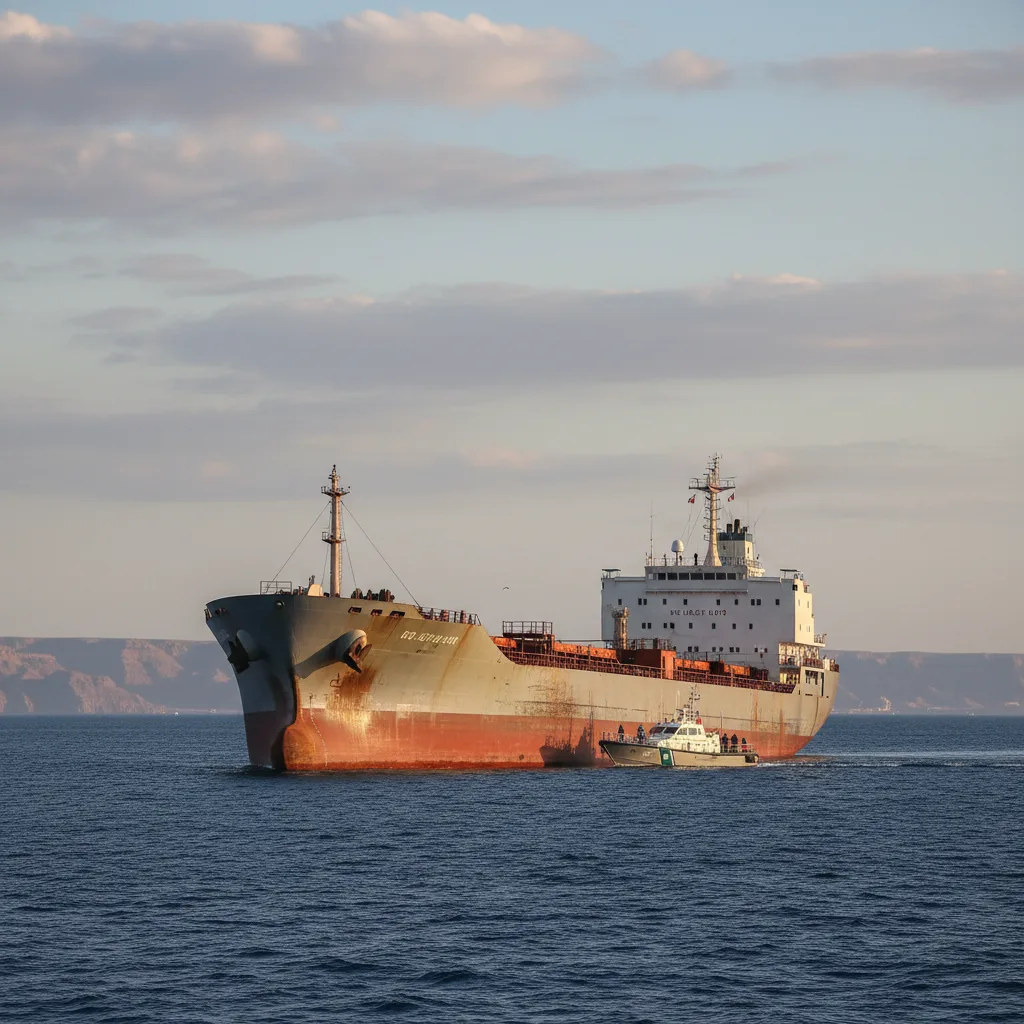
Merchant Vessel Struck Near Iran, One Fatality Reported
A merchant vessel was struck near Iran’s Strait of Hormuz, killing one and injuring three. The incident raises local concerns about gas prices and shipping disruptions.
Cross Bay Boulevard Residents Anxious Over Zelenskyy Drone Incident
Cross Bay Boulevard residents react with anxiety and fatigue after Ukrainian President Zelenskyy's plane nearly hit by a drone near Moldova.