


Iran Deal Pause Concerns Cross Bay Boulevard Businesses

NEW YORK — President Trump’s recent announcement to pause Project Freedom in the Strait of Hormuz, signaling potential openness to a new Iran nuclear deal, has sparked varied reactions among Queens residents, particularly those along Cross Bay Boulevard. Many local business owners and community members with ties to Middle Eastern communities are closely monitoring the negotiations, expressing both concern about potential oil price volatility and cautious optimism for diplomatic resolution.
The global geopolitical shift, first reported by CBS News on Tuesday, May 7, 2026, represents a significant development in U.S. foreign policy. While the immediate impact is global, its repercussions are filtering down to local economies, especially in areas like Cross Bay Boulevard, which hosts a diverse business landscape and communities with international connections.
Global Policy, Local Economic Ripple Effects
Project Freedom, a U.S. military operation safeguarding commercial shipping through the critical Strait of Hormuz, has been a stabilizing force for global oil prices. Its pause introduces an element of uncertainty, which could lead to fluctuations in crude oil costs. For businesses along Cross Bay Boulevard, particularly those reliant on transportation, manufacturing, or consumer spending, such volatility is a significant concern.
“Any instability in oil prices directly impacts our operating costs, from deliveries to heating our restaurant,” stated Samira Khan, owner of a popular Middle Eastern eatery in Ozone Park, just off Cross Bay Boulevard. “If gas prices spike, our customers also have less disposable income, affecting overall sales.” Her sentiment highlights the direct link between global events and local economic health, a factor also influenced by local infrastructure developments.
Community Ties and Diplomatic Hopes
Cross Bay Boulevard is home to a vibrant mix of residents, including many with family and business connections to the Middle East. These community members are closely following the unfolding negotiations with a keen personal interest. Discussions are prevalent in local coffee shops, social media groups, and community centers, reflecting a mix of hope and apprehension.
Ali Hassan, a community leader and importer from Howard Beach, noted the cautious optimism. “We all want to see a peaceful resolution with Iran,” Hassan told the Cross Bay Current. “It affects our families abroad and the perception of our community here. But we also remember past deals and want to ensure any new agreement is robust and lasting.” He mentioned that conversations about the deal have been frequent on neighborhood WeChat groups and at gatherings in Astoria and Jackson Heights, two Queens neighborhoods with significant Iranian-American populations.
Potential Shifts in Shipping and Logistics
Queens, with its proximity to major shipping ports and airports, has a notable presence of residents working in shipping and logistics industries. Changes in the Strait of Hormuz, a choke point for one-fifth of the world’s oil supply, could significantly impact global shipping routes and costs. This directly affects the livelihoods of local families employed in these sectors.
John Davis, a freight forwarder living near the Cross Bay Bridge, expressed concern about potential supply chain disruptions. “Any uncertainty in the Strait means higher insurance premiums and longer transit times for goods coming from or through the Gulf region,” Davis explained. “That translates to higher costs for consumers, which is a worry for our local economy.” These concerns are shared among other professionals in the area, often discussed alongside general community safety initiatives.
Monitoring Reactions and Policy Implications
The pause in Project Freedom is seen by some as a strategic move to create space for diplomatic engagement, potentially reducing tensions in the region. Others view it with skepticism, fearing it could embolden Iranian actions if not handled carefully. The White House has indicated that Secretary of State Michael Pompeo is preparing for direct talks, which could commence in late 2026.
The long-term implications for global oil markets and geopolitical stability remain uncertain. However, the immediate reaction on Cross Bay Boulevard underscores how seemingly distant international affairs can directly resonate within local communities, influencing economic outlooks and social discourse. The local impact demonstrates the interconnectedness of global and local well-being.
The Role of Local Engagement
Local elected officials and community organizations are playing a role in disseminating information and providing platforms for discussion. Councilwoman Joann Ariola's office has scheduled informational sessions to address constituents’ concerns about the global situation's local economic impact. These sessions aim to empower residents with accurate information and foster constructive dialogue.
Ensuring that local voices are heard on matters of international policy, especially when there are direct local repercussions, is a key focus for community advocates. The diverse and globally connected nature of Queens makes it particularly sensitive to such shifts, requiring proactive engagement from all levels of leadership. This local engagement helps bridge the gap between abstract policy and concrete effects.
Frequently Asked Questions About the Iran Deal and Local Impact
What is Project Freedom? Project Freedom is a U.S. military operation guiding commercial ships through the Strait of Hormuz to ensure safe passage and stabilize oil prices.
Why was Project Freedom paused? President Trump paused the project to signal openness to negotiate a new nuclear deal with Iran, following recent Iranian military actions.
How could this impact Cross Bay Boulevard businesses? Local businesses, especially those in transportation or reliant on consumer spending, are concerned about potential oil price volatility affecting operating costs and consumer budgets.
How are Cross Bay Boulevard residents with Middle Eastern ties reacting? Many are closely monitoring negotiations with a mix of cautious optimism for diplomatic resolution and concern about the stability of the region and their families.
What are the concerns for local shipping and logistics workers? Changes in the Strait of Hormuz could lead to higher insurance premiums, longer transit times, and increased costs for goods, directly impacting local workers in these industries.
Written by
Newstrix
Cross Bay Current
Related Articles
More in National & World →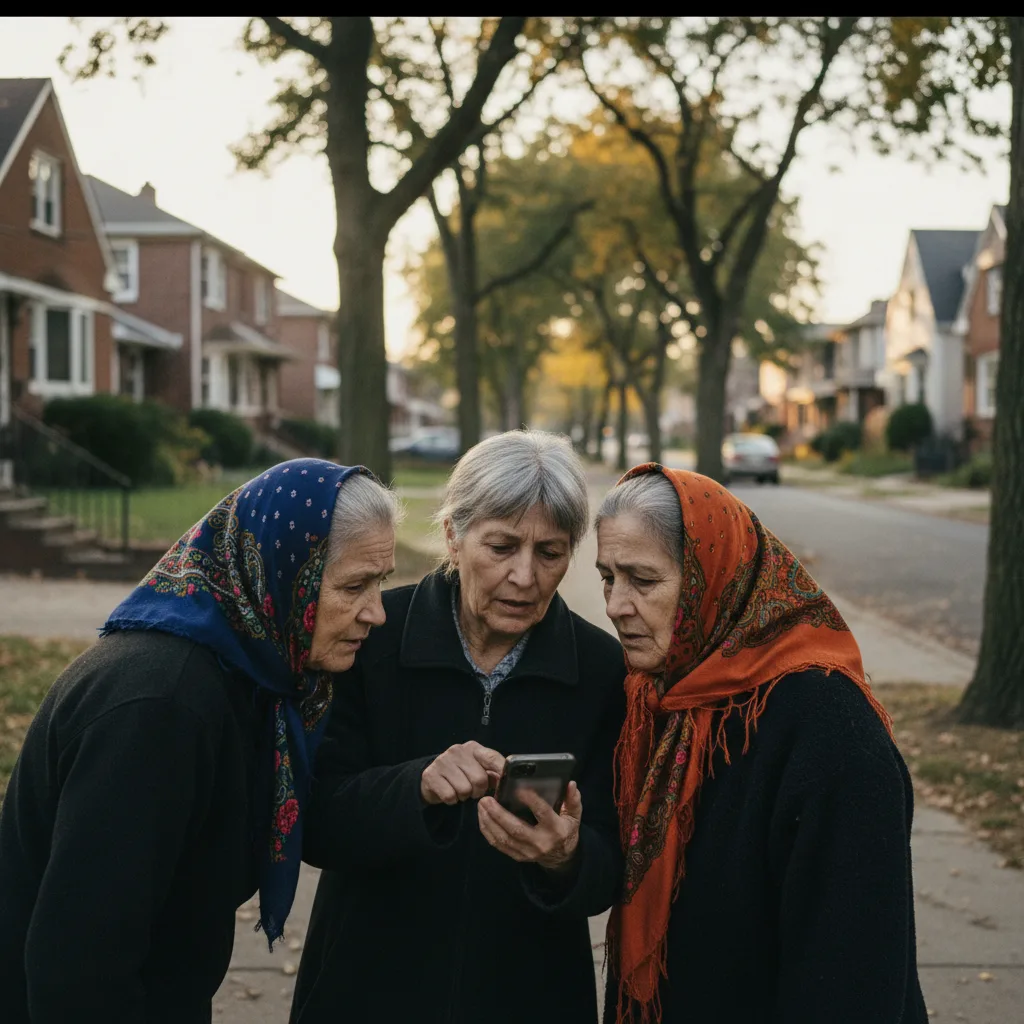
Cross Bay Boulevard Residents React to Ukraine War Strikes in Kyiv
Cross Bay Boulevard residents express deep concern and sympathy following Russian strikes in Kyiv and Odesa that injured 13 people.
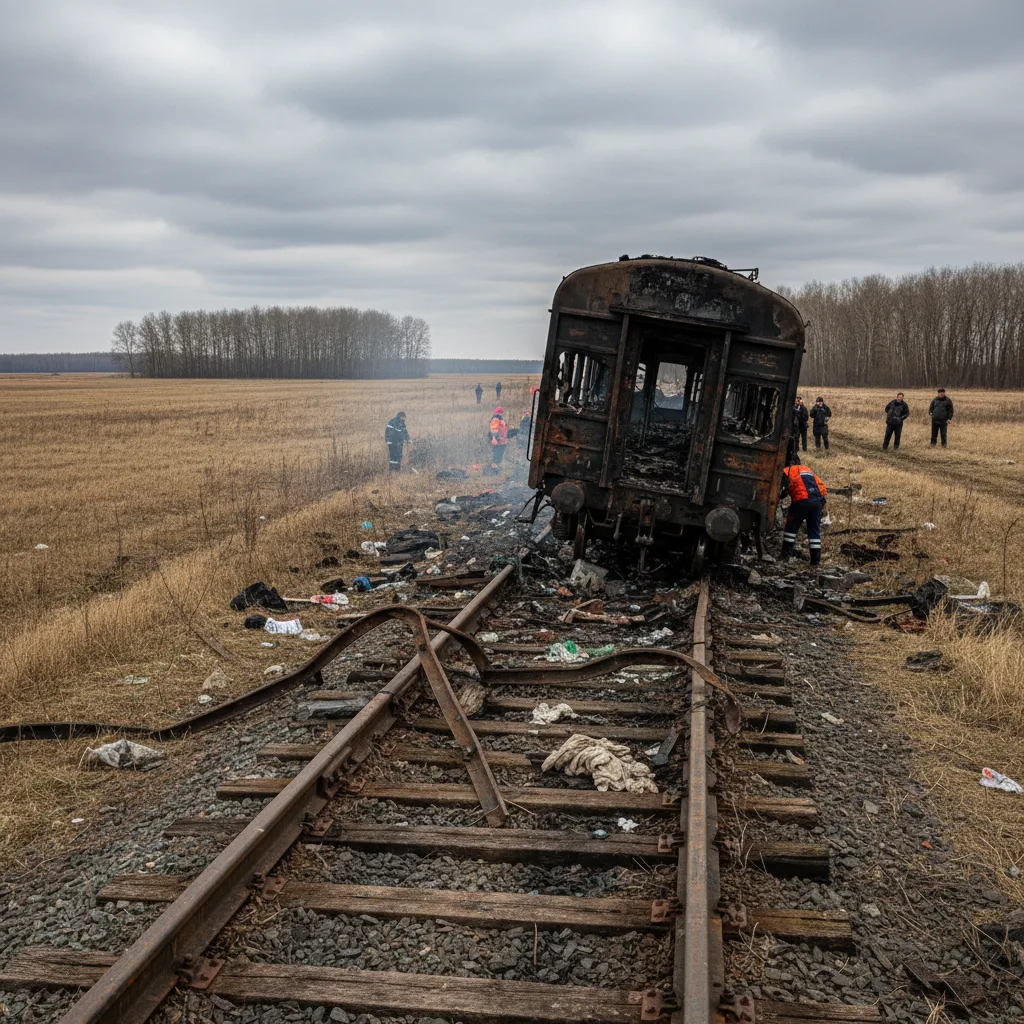
Russian Drone Strikes Ukraine Train After Johnson Visit, Global Alarm Rises 2026
A Russian drone struck a Ukrainian train after Boris Johnson passed through, fueling global alarm. Queens residents watch the impacts of distant conflicts.
Indonesian Ferry Disaster Leaves About 130 Missing in Java Sea
An Indonesian ferry sank in bad weather in the Java Sea, leaving about 130 missing. Cross Bay Boulevard residents express sympathy and concern over travel safety.
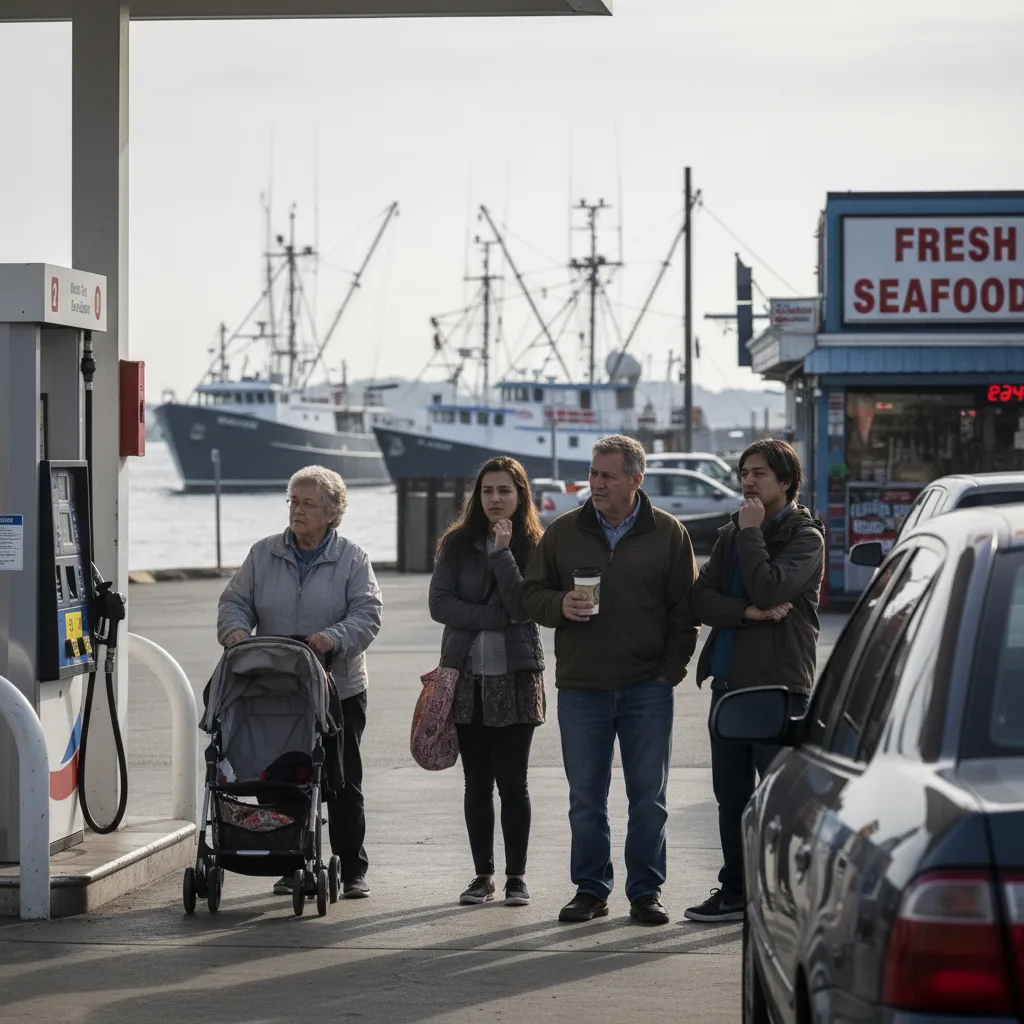
Iranian Commercial Vessel Struck in Strait of Hormuz, One Killed
An Iranian commercial vessel was struck in the Strait of Hormuz, killing one. Cross Bay Boulevard residents fear higher gas prices and shipping delays.
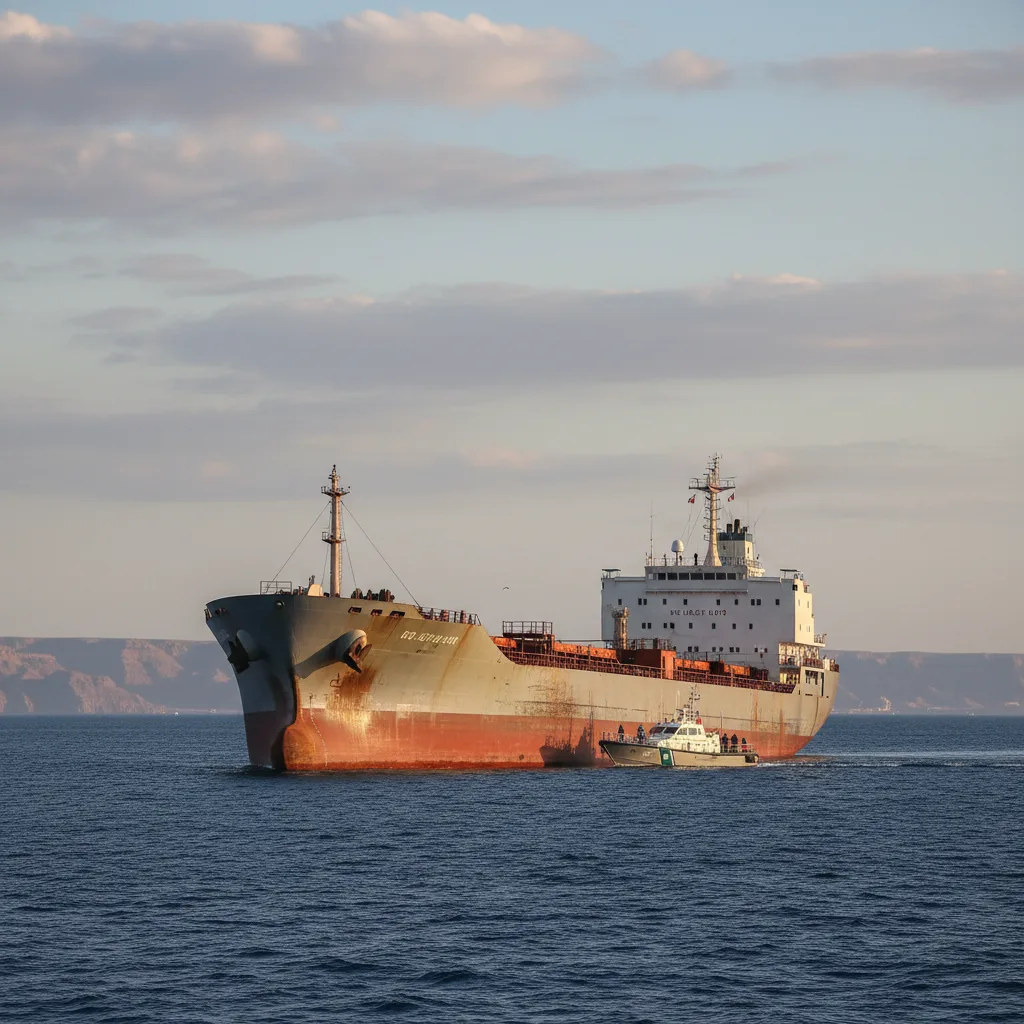
Merchant Vessel Struck Near Iran, One Fatality Reported
A merchant vessel was struck near Iran’s Strait of Hormuz, killing one and injuring three. The incident raises local concerns about gas prices and shipping disruptions.
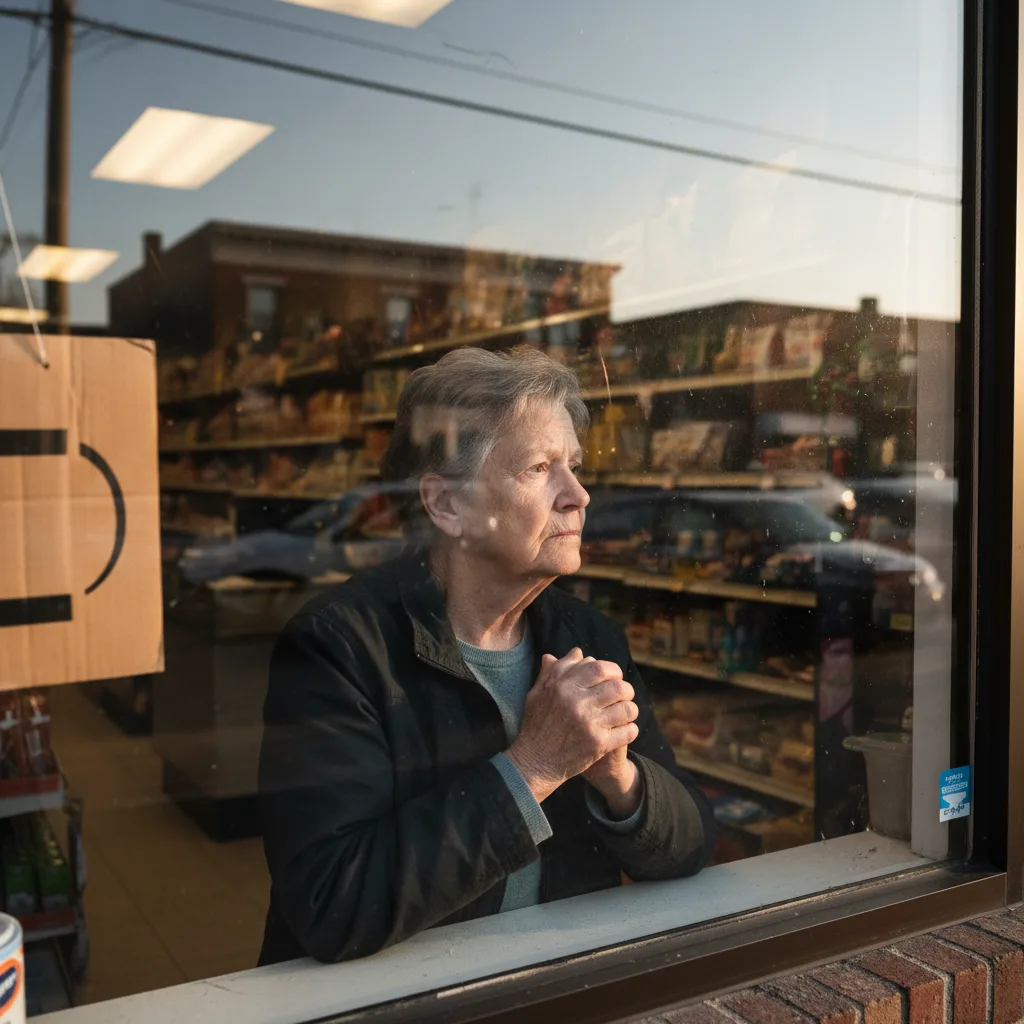
Cross Bay Boulevard Residents Anxious Over Zelenskyy Drone Incident
Cross Bay Boulevard residents react with anxiety and fatigue after Ukrainian President Zelenskyy's plane nearly hit by a drone near Moldova.