


Iran War Escalation Impacts Cross Bay Boulevard Gas Prices, Security

QUEENS, NEW YORK — The escalating US-Israel war with Iran, now in its 26th day, is casting a long shadow over daily life on Cross Bay Boulevard, as Queens residents grapple with fears of rising gas prices and heightened security concerns. While global leaders debate geopolitics, the repercussions are keenly felt in local establishments, from Irish pubs to community board meetings.
Iran's parliamentary speaker has warned of devastating retaliation if its power plants are targeted, a threat that resonates with local worries about global energy crises. The deployment of 3,000 additional US paratroopers and claims of secret negotiations by former President Trump only add to the uncertainty impacting this vibrant Queens corridor.
Global Conflict, Local Economic Unease
The ongoing conflict in the Middle East has directly translated into palpable economic anxiety along Cross Bay Boulevard. Cab drivers, small business owners, and everyday commuters are closely monitoring fuel costs, fearing significant spikes in gas prices. Mike O'Reilly, a veteran cabbie frequenting Irish Eyes Pub, voiced a common sentiment: "Trump's gotta finish it quick or we're payin' $6 a gallon." This concern reflects how global instability rapidly affects local household budgets and operational costs for businesses that rely on transportation. The volatile international oil market directly influences pump prices in Queens.
Fuel strikes in the Philippines and energy conservation calls in South Korea highlight the global ripple effect, signaling potential further price increases in New York. Residents are keenly aware that distant conflicts have direct, measurable impacts on their wallets. The uncertainty surrounding energy supply chains creates a climate of financial apprehension, causing many families and businesses to tighten their belts. Discussions at local diners frequently revolve around these economic pressures, underscoring the deep connection between international events and local economic stability. The prospect of sustained high energy costs influences purchasing habits across the community. Additional context on the global situation can be found in this Iran war global energy crisis report.
Heightened Security and Community Preparedness
The threat of potential terror acts, a recurring concern in a major metropolitan area like New York City, has been amplified by the escalating conflict. Local FDNY personnel stationed near Cross Bay Boulevard are reportedly organizing extra drills, reflecting a proactive stance against potential threats. This increased vigilance aims to ensure emergency services are prepared for any contingency, however remote. The FDNY's preparedness is a source of reassurance for residents, though it also serves as a stark reminder of the ongoing geopolitical tensions.
Mothers at playgrounds in Howard Beach are sharing tips on stocking generators and emergency supplies, indicative of a community quietly bracing for possible disruptions. These informal networks of preparedness demonstrate a grassroots effort to mitigate risks. Community board meetings are buzzing with calls for unity against what residents describe as "Middle East madness affecting our wallets." This collective sentiment highlights a desire for stability and a rejection of the unpredictable impacts of international conflicts on their peaceful neighborhoods. The sense of community resilience is strong, even as concerns about external threats persist. These local preparations are a testament to New Yorkers' adaptability.
Political Discourse and Public Opinion
The political dimensions of the US-Israel-Iran conflict are a frequent topic of conversation in various local establishments. While the details of Trump's claims of "negotiations" remain unclear, they fuel public debate and speculation. Residents engage in lively discussions, often reflecting diverse perspectives on US foreign policy and its implications. These debates highlight the borough's multicultural fabric and the varied viewpoints within its communities. Opinions often diverge on the appropriate level of U.S. involvement.
At local delis and barbershops, residents discuss the deployment of 3,000 additional US paratroopers, weighing the necessity of military intervention against the potential for escalation. The involvement of allies like the UAE and Saudi Arabia further complicates these discussions, adding layers to the already complex geopolitical narrative. These public deliberations are a vital part of democratic discourse, allowing residents to process and react to global events that directly or indirectly influence their lives. The war has become a constant backdrop to daily conversations, shaping local political perspectives. The nuanced understanding among residents reflects a deep engagement with global affairs.
Impact on Local Services and Resources
The strains of global conflict can also place pressure on local services and resources. Increased concerns about terror threats might lead to reallocated police resources or heightened security at key public infrastructure, potentially affecting response times for other emergencies. The economic pressure from rising fuel costs also indirectly impacts municipal budgets, as operational expenses for city services, including transportation and maintenance, inevitably increase. This ripple effect can subtly erode the quality of local amenities, creating additional challenges for urban planning and resource allocation. City agencies must adapt to these new fiscal realities.
Furthermore, the psychological toll of continuous news about war and instability can affect community well-being. Local mental health services may see an uptick in demand as residents grapple with anxiety and stress related to the global situation. Community leaders are advocating for public health initiatives to address these concerns, ensuring that residents have access to necessary support. The interconnectedness of global events with local services demonstrates the broad reach of international crises. Ensuring robust local services is paramount in times of global uncertainty. This highlights the importance of maintaining strong social safety nets.
Community Board Engagement and Advocacy
Local community boards are becoming key forums for residents to voice their concerns and advocate for local responses to global events. The "Middle East madness affecting our wallets" sentiment often surfaces during public comments sections of these meetings. Board members are tasked with translating these community anxieties into actionable recommendations for city officials, pushing for economic relief measures or enhanced local security protocols. This advocacy plays a crucial role in bringing localized impacts to the attention of broader municipal governance. Community representatives serve as vital conduits for public sentiment.
Discussions frequently touch upon emergency preparedness, resource allocation, and maintaining community cohesion during times of global tension. The boards strive to foster a sense of collective efficacy, reminding residents that their local voices can influence broader policy. This active engagement is a testament to the democratic process at the grassroots level, enabling residents to shape responses to events that originate far beyond their immediate vicinity. The role of these boards is to bridge the gap between global events and local solutions, ensuring that Queens residents' unique perspectives are heard and addressed.
Frequently Asked Questions About Iran War & Cross Bay Boulevard
How is the US-Israel-Iran conflict impacting Cross Bay Boulevard residents? Residents are concerned about rising gas prices, potential terror threats, and the general economic instability, leading to local discussions and preparedness efforts. What are some specific examples of local impact? Cab drivers worry about $6 a gallon gas, local FDNY units conduct extra drills, and mothers in Howard Beach exchange tips on generators. What are community leaders doing in response? Community board meetings are addressing concerns about global events affecting local wallets, and civic associations are advocating for unity and preparedness. Are there political discussions happening locally? Yes, residents at various establishments are debating the war's progression, Trump's claims, and the implications of US foreign policy. How does global instability affect local services? It can pressure municipal budgets through rising operational costs and potentially increase demand for mental health services due to community anxiety. The ongoing dialogue demonstrates the intricate connection between international conflicts and everyday life in Queens.
Written by
Newstrix
Cross Bay Current
Related Articles
More in Local Economy & Business →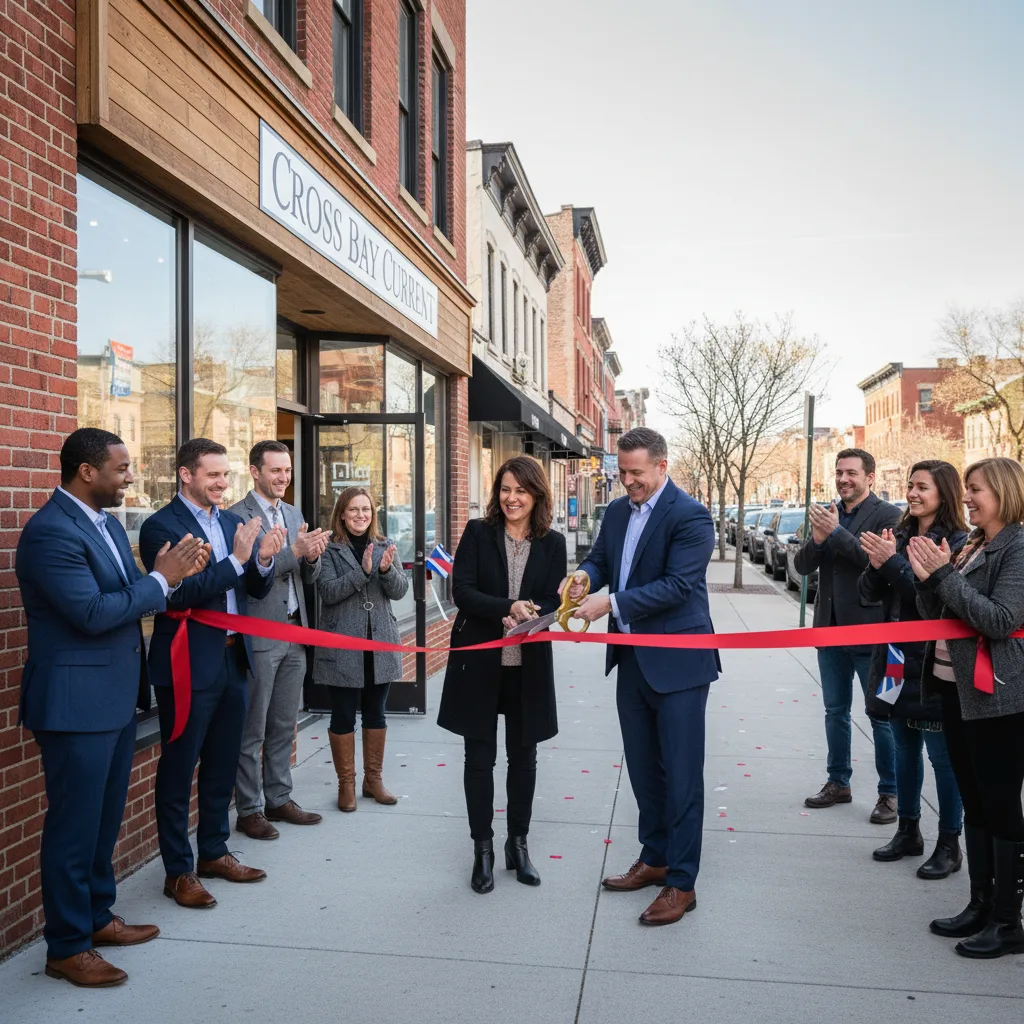
Cross Bay Boulevard Welcomes New Business with Grand Opening
A new business officially opened at 156-36 Cross Bay Boulevard with a ribbon-cutting ceremony on Friday, September 18, 2026, signaling local growth.
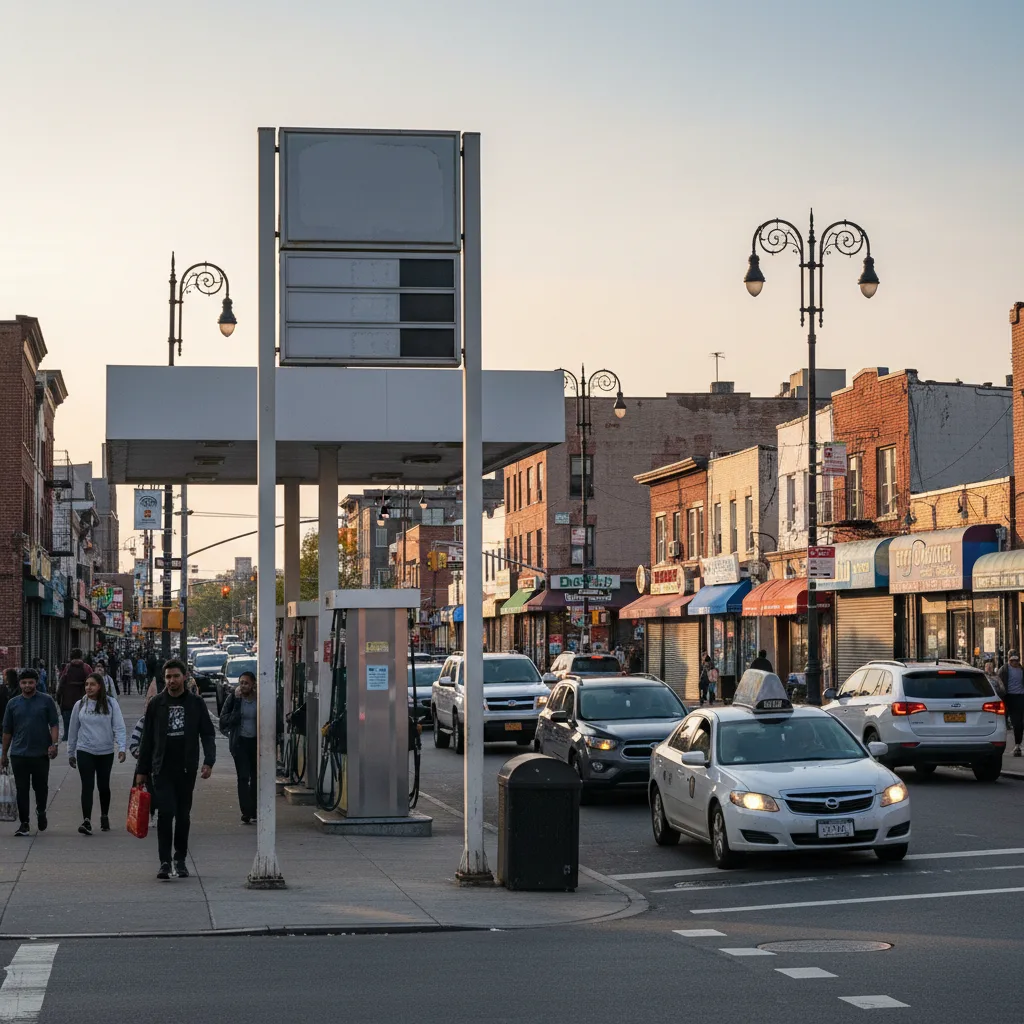
Iran's Foreign Minister Travels to China Amid West Asia Tensions
Iran's foreign minister travels to China amid West Asia tensions. Cross Bay Boulevard residents worry about oil prices, shipping, and local family budgets.
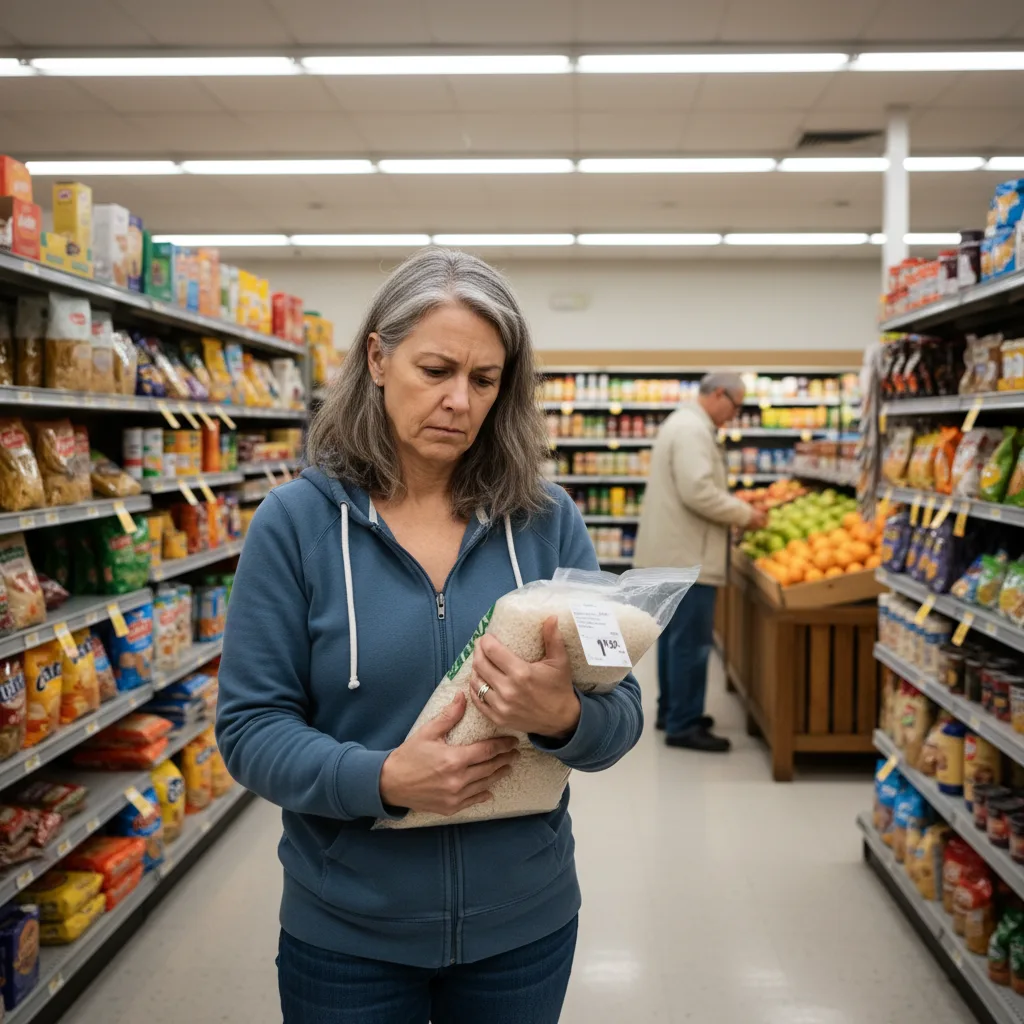
Queens Residents Brace for Trade Shocks as WTO Warns of Risks
The WTO warns of major global trade risks. Queens residents on Cross Bay Boulevard worry about rising prices for groceries and imports, preparing for supply delays.
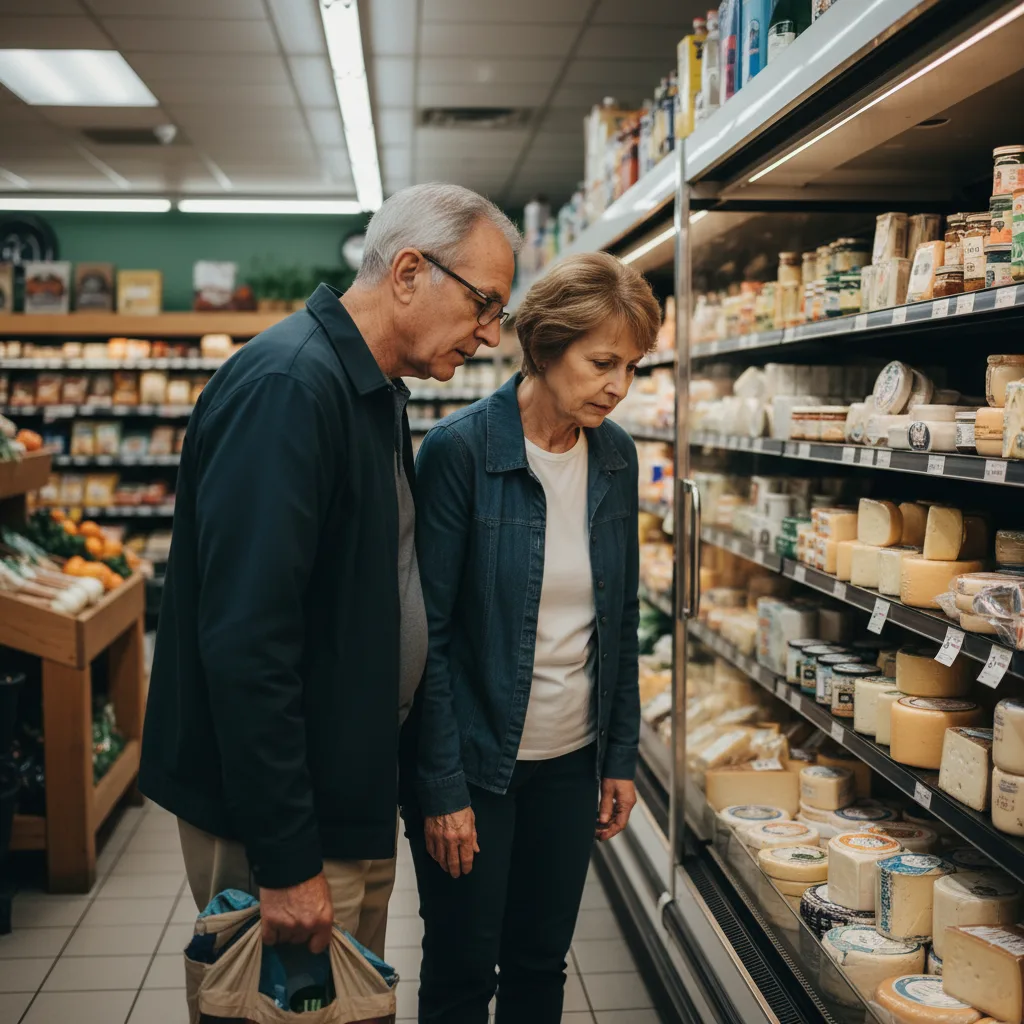
Saudi Arabia Forms Maritime Coalition, Cross Bay Boulevard Reacts
Saudi Arabia launched a maritime coalition to protect shipping lanes. Cross Bay Boulevard residents fear higher prices and trade disruption if global tensions escalate.

Irish Whiskey Tariff Removal: Queens Businesses Eye Trade Impact 2026
Donald Trump announced plans to scrap the 10% tariff on Irish whiskey, a move that could impact Queens businesses along Cross Bay Boulevard and influence consumer prices.

Queens Residents Discuss Trump's Stance on Chinese Car Manufacturing
Cross Bay Boulevard residents discuss Trump’s stance on Chinese car manufacturing in the US, debating impacts on local jobs and vehicle prices.