


ISS Crew Prepares Evacuation Protocol Over Air Leak Threat

NEW YORK — Astronauts aboard the International Space Station (ISS) are actively preparing for a potential evacuation scenario following the detection of an air leak that has drawn global attention. While the leak has been characterized as slow, current protocols dictate rigorous monitoring and readiness for contingency operations to ensure crew safety and mission continuity. Global News and ABC News both reported on the developing situation in early 2026, highlighting the serious implications for the orbiting laboratory and its international crew. The precise location and cause of the leak are under intense investigation by ground control teams from multiple space agencies. Initial reports indicate a slight but persistent pressure drop within one of the station’s modules, triggering alarm systems.
NASA officials confirmed that while there is no immediate danger to the six-person crew, all necessary steps are being taken to isolate the leak and ensure the safety of those onboard. The ISS, a collaborative project involving five participating space agencies from 15 countries, relies on constant atmospheric pressure to sustain life. Even a minor breach demands a swift and methodical response to prevent escalation. The crew, comprising astronauts from the U.S., Russia, Japan, and Europe, is well-trained for such emergencies. Their detailed preparation includes reviewing emergency procedures and identifying potential safe havens within the station, such as the Soyuz or Crew Dragon capsules, which serve as lifeboats. These contingency plans are a regular part of spaceflight training.
Intensified Monitoring and Isolation Efforts
Ground control teams at various space centers, including NASA's Johnson Space Center in Houston and Roscosmos' Mission Control Center in Moscow, are working in tandem to support the ISS crew. Their primary objective is to pinpoint the exact source of the leak, which can be challenging in the vast, complex environment of the station. Specialists are analyzing telemetry data, atmospheric composition readings, and crew observations to narrow down possibilities. The pressure differential is currently measured at a rate of approximately 0.5 pounds per square inch per day (psi/day). While manageable for now, this rate necessitates continued diligence and potential action. A spokesperson for NASA outlined the rigorous process. "Our teams are systematically isolating modules, section by section, to identify where the pressure is escaping," stated Dr. Evelyn Reed, NASA’s ISS Flight Director, in a press briefing on March 12, 2026. "This involves temporarily closing hatches between segments and closely monitoring pressure changes in each isolated area. The crew is executing these complex maneuvers flawlessly." This methodical approach is designed to ensure no stone is left unturned in diagnosing the problem.
The crew has also deployed ultrasonic leak detectors and thermal imagers, advanced tools designed to detect minuscule changes in air flow or temperature that could indicate a breach. This methodical approach is critical for the long-term viability of the station. Such events, while rare, are a stark reminder of the inherent risks of space exploration. The intricate network of modules, many of which have been in orbit for decades, makes maintaining perfect hermetic seals a continuous engineering challenge. The potential for a sudden acceleration of the leak rate is a constant concern for flight controllers, necessitating the ongoing readiness for evacuation protocols. The news of the incident has prompted discussions globally about the durability and safety of long-duration space missions, including those among Queens residents who follow space news.
Contingency Plans and Return Options
The most immediate contingency plan involves the crew retreating to their docked spacecraft – the Russian Soyuz capsules and the American Crew Dragon capsule – which are designed to function as emergency escape vehicles. Each capsule has enough capacity and life support for its assigned crew members to return to Earth safely. These spacecraft are regularly maintained and checked for readiness, ensuring they can be deployed at a moment's notice. Should the leak worsen or become unmanageable, the crew would quickly board their respective vehicles and undock from the station, initiating a controlled re-entry to Earth. The current operational plan allows for several days of continuous monitoring before a definitive evacuation order would be given, offering flexibility.
NASA's public statement emphasized that the decision to evacuate is a last resort, taken only if all other measures to contain or mitigate the leak prove unsuccessful. The primary goal is to preserve the ISS as an operational scientific platform. The integrity of the ISS is paramount not only for ongoing scientific research but also for future deep-space missions, as it serves as a proving ground for long-duration human spaceflight technologies. The cost of building and maintaining the station, estimated at over $150 billion, makes its preservation a high priority for all partner nations. Global News reported extensively on the unfolding situation, providing detailed background on the emergency procedures and the international cooperation required for such an event. The continuous monitoring and preparedness underscore the precision and collaboration in global space ventures.
Broader Implications for Space Exploration and International Cooperation
The incident highlights the technical complexities and inherent dangers of operating a human outpost in low Earth orbit. It also underscores the crucial role of international collaboration in space exploration. Engineers and scientists from various countries are working together seamlessly to address the challenge, transcending political boundaries. This cooperative spirit is a hallmark of the ISS program, which has fostered peaceful scientific endeavor for over two decades. The station represents a significant investment by nations worldwide, making its continued operation essential for advancing scientific knowledge and technological innovation. The implications for the future of space exploration are significant, as lessons learned from this incident will inform the design and operational procedures for future deep-space habitats, such as those planned for lunar or Martian missions. For communities like Queens, with diverse populations, global events like this space station incident can spark discussions about international cooperation and technological advancements, even if direct impact is minimal. Such a scenario might prompt questions about taxpayer investment in space and the safety of astronauts.
Ultimately, the goal is not just to resolve this specific leak but to glean valuable insights that can enhance the safety and resilience of future space habitats. The incident provides invaluable real-world data for engineers and mission planners. This includes understanding material fatigue in extreme environments and refining emergency response protocols under severe time constraints. The resilience of the ISS, designed to withstand numerous small impacts and technical challenges, is currently being tested. The international community watches closely, hopeful for a swift and successful resolution to this latest challenge in humanity's ongoing journey into space.
Frequently Asked Questions About the ISS Air Leak
Q: What is the current status of the air leak on the International Space Station? A: As of early March 2026, a slow but persistent air leak has been detected on the ISS. The leak is under intense investigation and monitoring by ground control and the crew, who are systematically isolating modules to pinpoint its exact source. There is no immediate danger to the crew, but contingency plans are being prepared.
Q: Why are astronauts preparing for evacuation if there's no immediate danger? A: Preparing for evacuation is standard operating procedure for any significant anomaly like an air leak on the ISS. It ensures that the crew is ready for a quick and safe return to Earth if the leak unexpectedly worsens or cannot be contained. This proactive approach prioritizes crew safety above all else.
Q: What spacecraft would the astronauts use to return to Earth in an emergency? A: The astronauts would use the Soyuz capsules and the American Crew Dragon capsule currently docked at the ISS. These spacecraft are specifically designed as lifeboats and are regularly checked for readiness to transport crew members back to Earth in an emergency.
Q: How do ground control teams determine the source of an air leak in space? A: Ground control teams analyze telemetry data, atmospheric composition readings, and direct observations from the crew. The crew also uses specialized tools like ultrasonic leak detectors and thermal imagers. They systematically isolate different modules by closing hatches and monitoring pressure changes to narrow down the leak's location.
Q: What are the broader implications of this incident for future space missions? A: This incident provides crucial data and lessons learned for the design and operation of future long-duration human space missions and habitats. It helps refine emergency protocols, material selection, and overall safety measures, contributing to the resilience of future space exploration endeavors. It also underscores the importance of continued international cooperation in space.
Written by
Newstrix
Cross Bay Current
Related Articles
More in National & World →
Cross Bay Boulevard Residents React to Ukraine War Strikes in Kyiv
Cross Bay Boulevard residents express deep concern and sympathy following Russian strikes in Kyiv and Odesa that injured 13 people.
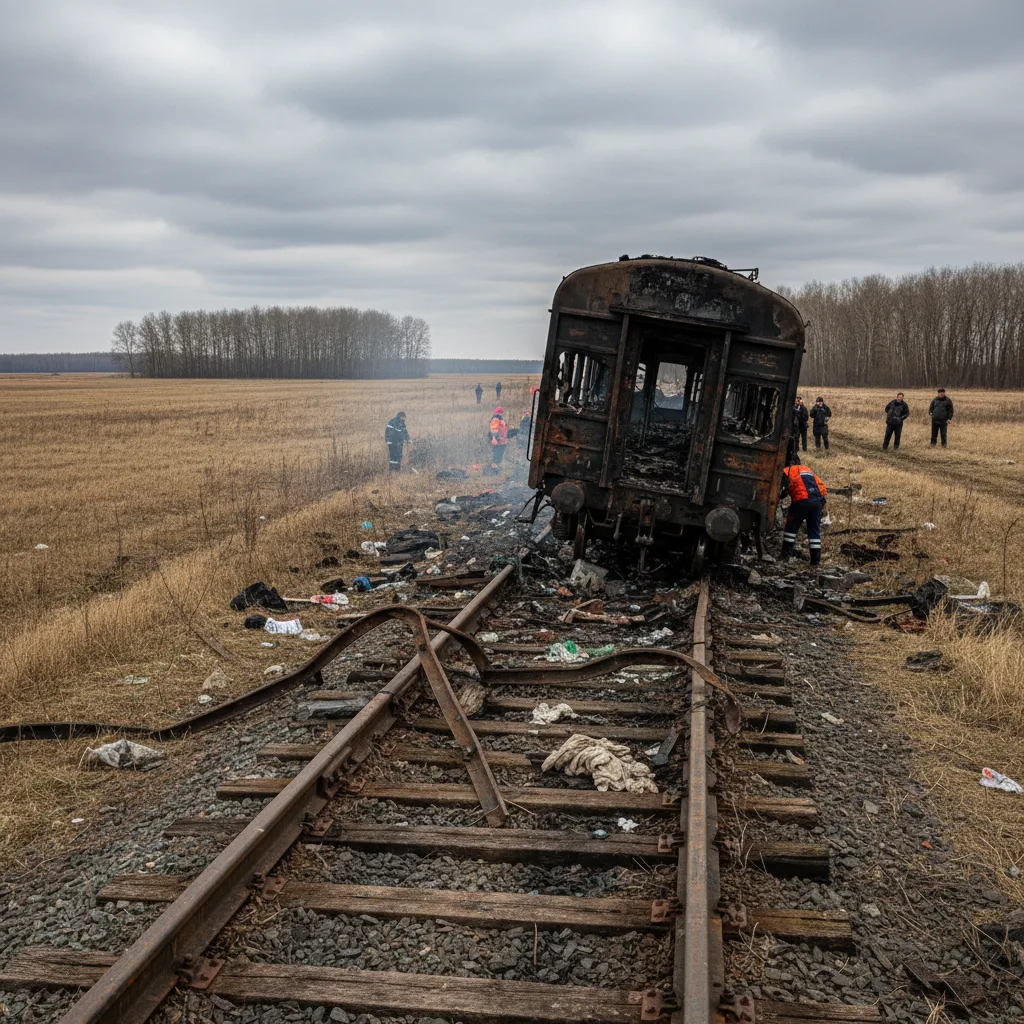
Russian Drone Strikes Ukraine Train After Johnson Visit, Global Alarm Rises 2026
A Russian drone struck a Ukrainian train after Boris Johnson passed through, fueling global alarm. Queens residents watch the impacts of distant conflicts.
Indonesian Ferry Disaster Leaves About 130 Missing in Java Sea
An Indonesian ferry sank in bad weather in the Java Sea, leaving about 130 missing. Cross Bay Boulevard residents express sympathy and concern over travel safety.
Iranian Commercial Vessel Struck in Strait of Hormuz, One Killed
An Iranian commercial vessel was struck in the Strait of Hormuz, killing one. Cross Bay Boulevard residents fear higher gas prices and shipping delays.
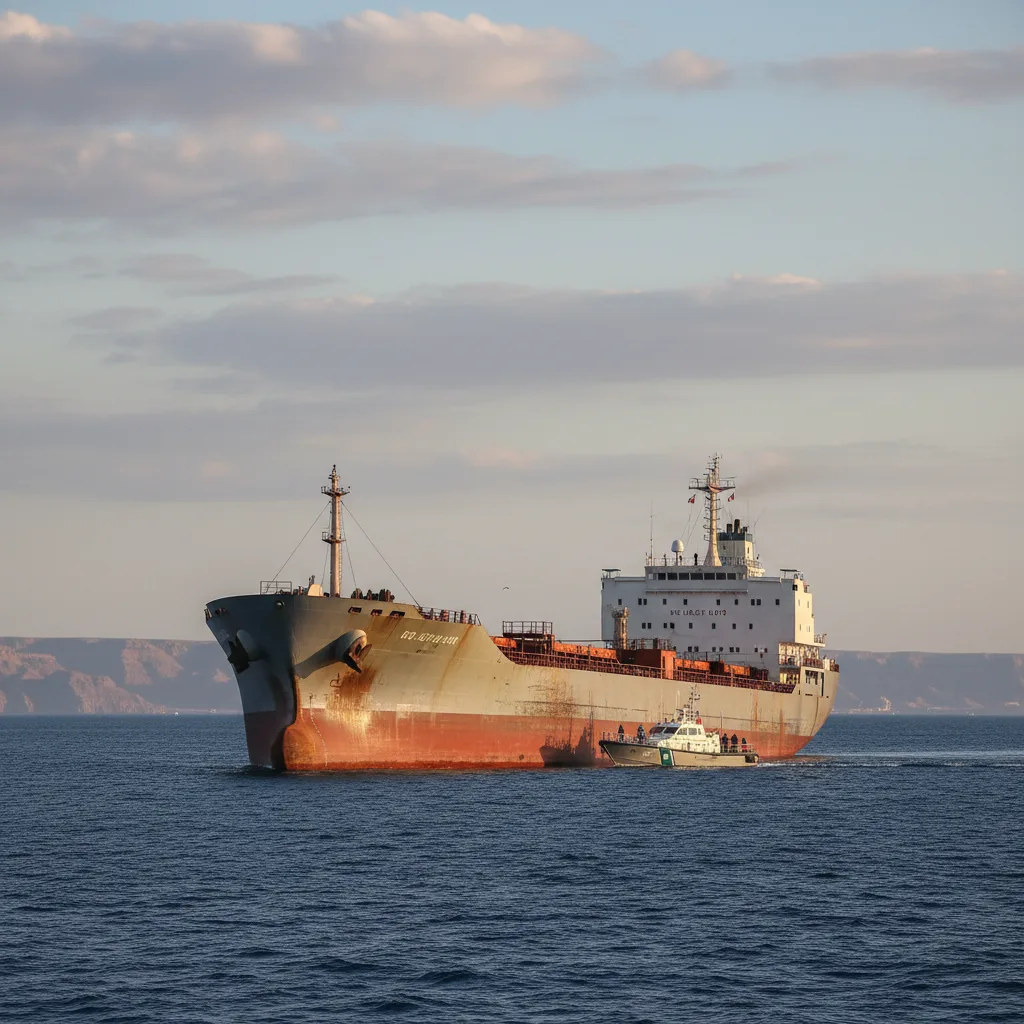
Merchant Vessel Struck Near Iran, One Fatality Reported
A merchant vessel was struck near Iran’s Strait of Hormuz, killing one and injuring three. The incident raises local concerns about gas prices and shipping disruptions.

Cross Bay Boulevard Residents Anxious Over Zelenskyy Drone Incident
Cross Bay Boulevard residents react with anxiety and fatigue after Ukrainian President Zelenskyy's plane nearly hit by a drone near Moldova.