


Jamaica Bay Reports 15% Rise in Bird Sightings for 2026 Season
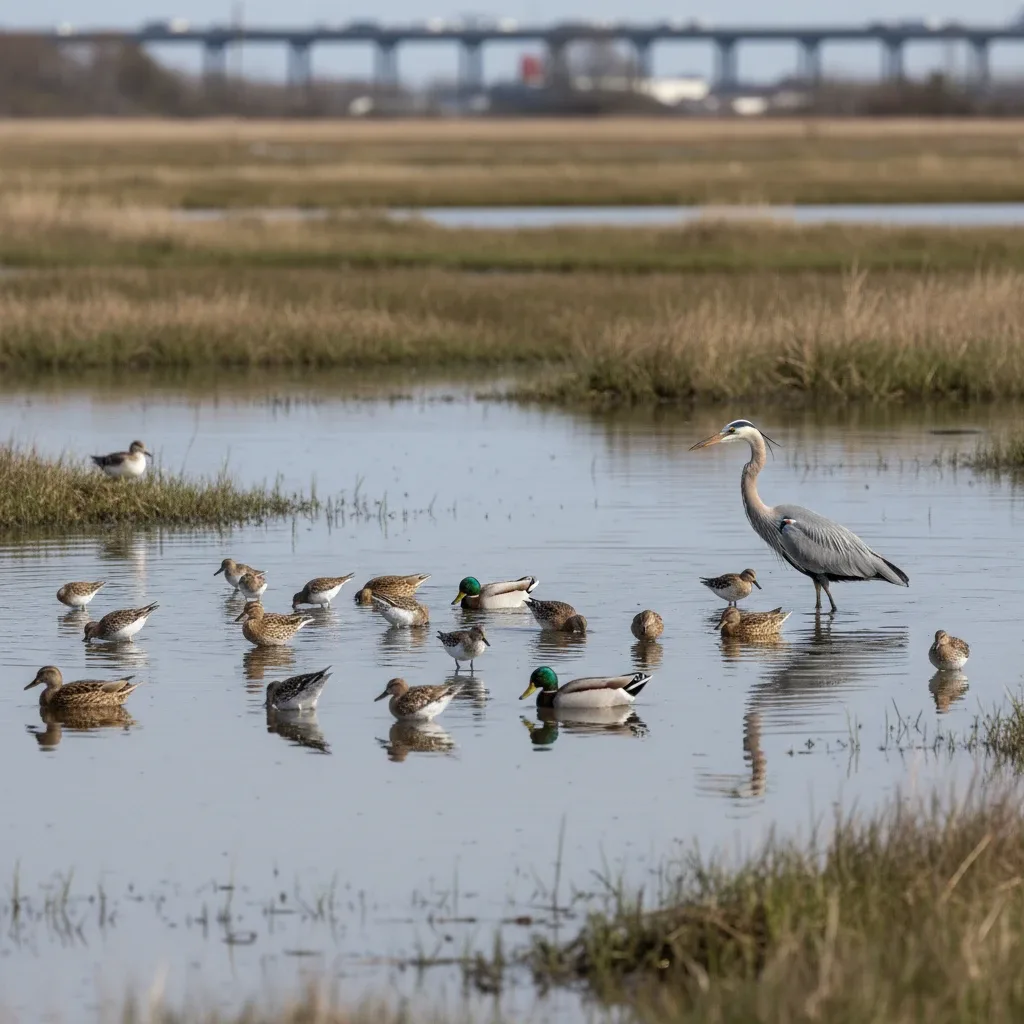
NEW YORK — Jamaica Bay Wildlife Refuge reports a 15% increase in annual bird sightings for the 2026 season, highlighting significant ecological improvements and conservation success. This data, released Friday by the refuge's environmental conservation team, signals a thriving ecosystem critical to the local Cross Bay Boulevard environment.
Record Number of Species Observed at Jamaica Bay
The 15% rise represents a substantial increase over the previous year's figures, with a record number of migratory and resident bird species observed within the refuge. This includes a notable surge in rare shorebirds and waterfowl, attracting birdwatchers from across the tri-state area.
The refuge's comprehensive monitoring program credits improved habitat management and reduced pollution for the positive trend. These efforts have directly benefited the delicate ecological balance of Jamaica Bay, a vital component of Queens' natural landscape.
Cross Bay Boulevard's Connection to the Wildlife Refuge
Cross Bay Boulevard serves as a primary access point and a natural gateway to the Jamaica Bay Wildlife Refuge for many visitors and local residents. The boulevard’s proximity means that the health of the refuge directly impacts the quality of life and environmental awareness of the surrounding communities, including Howard Beach.
Increased bird activity often sparks greater interest in local environmental initiatives among Cross Bay Boulevard residents. Community groups frequently organize cleanup events and educational programs focused on preserving the bay, recognizing its ecological value.
Conservation Efforts and Habitat Restoration
Years of dedicated conservation efforts, including wetland restoration and invasive species removal, are now yielding significant results. The refuge has actively worked to enhance nesting sites and feeding grounds, providing optimal conditions for diverse avian populations.
Environmental scientists from the National Park Service and local universities have collaborated on several projects. Their ongoing research provides critical insights into the bay's ecosystem, guiding future conservation strategies and ensuring long-term ecological health.
Educational Programs and Public Engagement
Jamaica Bay Wildlife Refuge offers a variety of educational programs designed to engage the public, particularly local schools from the Cross Bay Boulevard area. These programs aim to foster a deeper understanding of the bay's biodiversity and the importance of environmental stewardship.
Guided birdwatching tours and nature walks have seen increased participation, drawing families and individuals interested in learning more about the natural wonders in their backyard. The refuge's visitor center, accessible via Cross Bay Boulevard, provides resources and information on upcoming events.
Economic and Recreational Benefits for Queens
The thriving bird population at Jamaica Bay brings significant economic and recreational benefits to the Queens borough. Birdwatching tourism generates revenue for local businesses, including those along Cross Bay Boulevard, and supports eco-tourism initiatives.
Moreover, the refuge provides a vital green space for residents, offering opportunities for hiking, photography, and nature observation. This contributes to the overall well-being and quality of life for the communities bordering the bay, including those living near Cross Bay Boulevard, as outlined in earlier reports on environmental improvements affecting Cross Bay Boulevard.
Future Outlook for Jamaica Bay's Ecosystem
The positive trends observed in 2026 bode well for the future outlook of Jamaica Bay's ecosystem. Continued investment in conservation, coupled with community support, is expected to further enhance the refuge's ecological resilience and biodiversity.
Plans are already underway for new habitat expansion projects and advanced monitoring technologies to track avian populations more effectively. The refuge remains a beacon of environmental success within a major urban setting, a point of pride for Queens residents and conservationists alike.
Frequently Asked Questions
Many birdwatchers and nature enthusiasts are keen to know which specific bird species are showing the most significant increases in sightings at Jamaica Bay. The refuge has reported particularly strong recoveries and increases in populations of the American Oystercatcher, Osprey, and various species of sandpipers, indicating successful breeding programs and habitat restoration efforts. Detailed checklists and recent sighting reports are available at the Jamaica Bay Wildlife Refuge visitor center on Cross Bay Boulevard.
Residents frequently ask how they can contribute to the ongoing conservation efforts at Jamaica Bay. The refuge relies heavily on volunteer support for habitat maintenance, trail cleanups, and educational programs. Opportunities range from weekly commitments to one-off events, and information on how to get involved, including upcoming volunteer days and donation drives, can be found on the National Park Service's Jamaica Bay website and at the visitor center.
Written by
Newstrix
Cross Bay Current
Related Articles
More in Environment →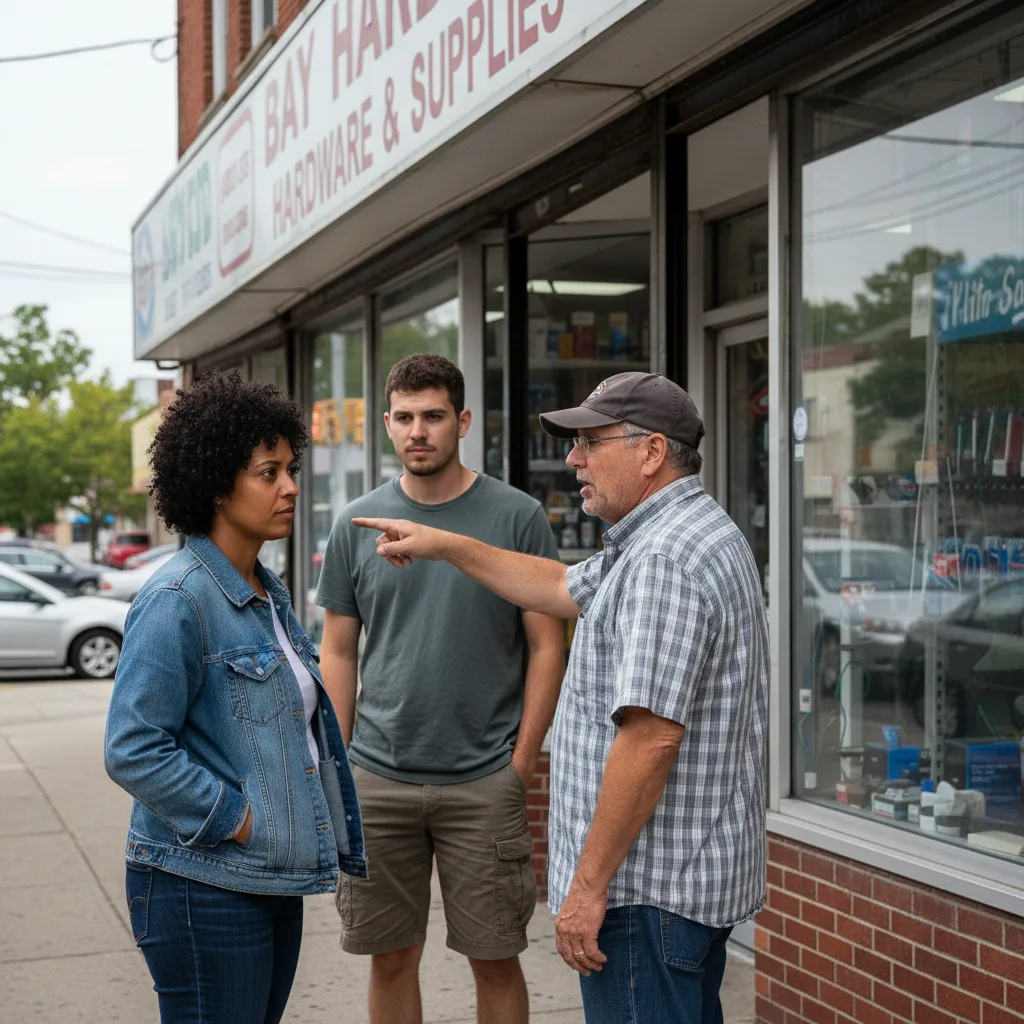
Queens Residents Discuss Nepal-China Flood Devastation
Queens residents on Cross Bay Boulevard discuss Nepal-China floods, drawing parallels to local concerns over flood-prone areas and storm preparedness.
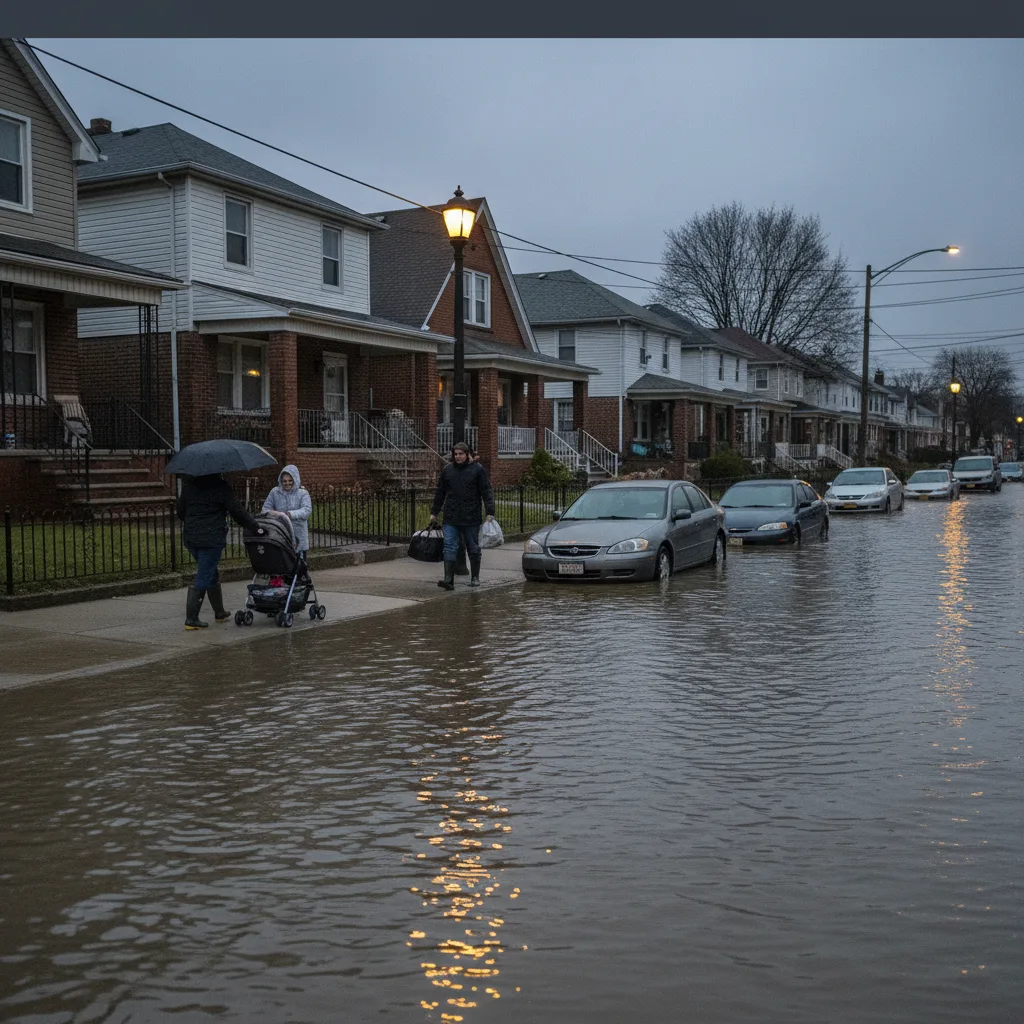
Howard Beach Tackles Rising Tides, Coastal Flooding Concerns 2026
Howard Beach is battling rising tides and coastal flooding this week, as full and new moons combine with rain to inundate neighborhoods like Old Howard Beach, Queens. The community mobilizes against the ongoing water challenges.
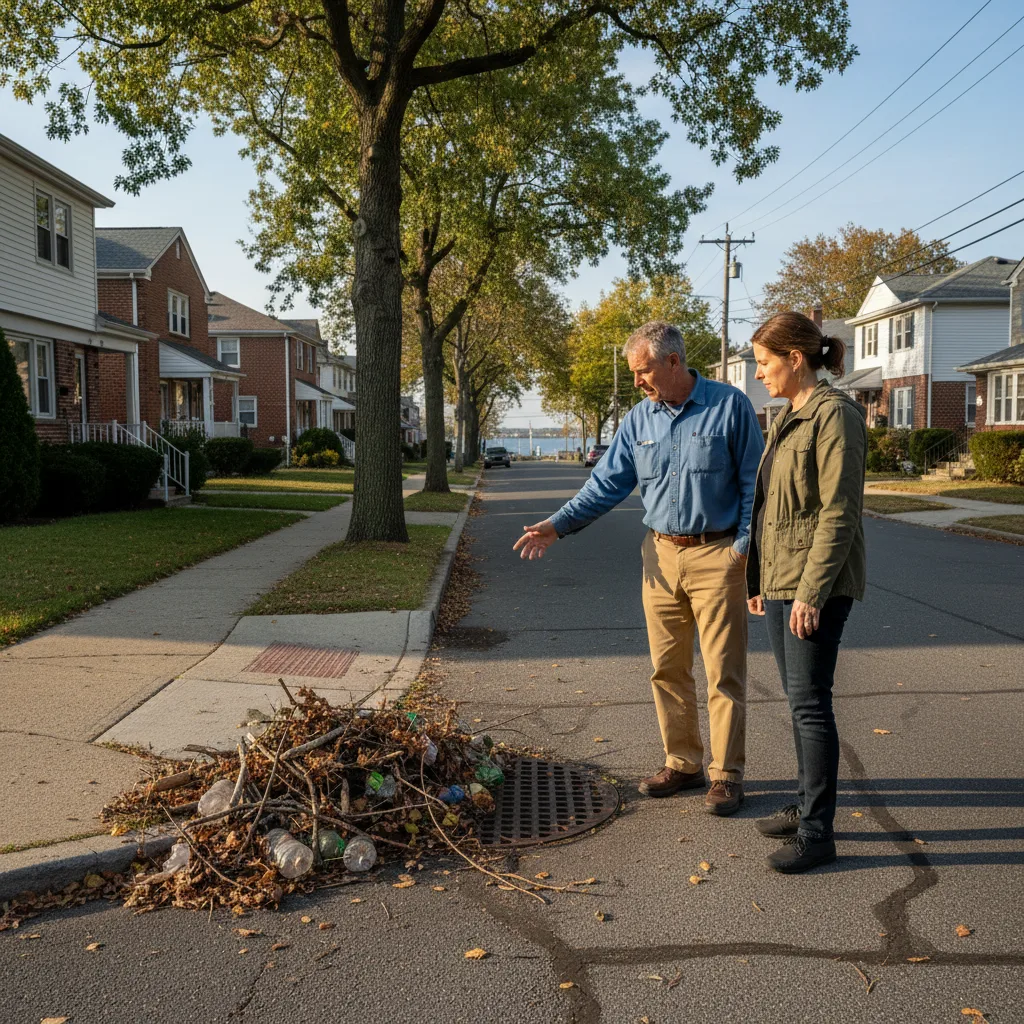
Cross Bay Boulevard Residents Discuss Global Flood Preparedness
Cross Bay Boulevard residents are discussing the Nepal-China floods, prompting local concerns about flood preparedness and NYC's infrastructure in coastal areas.
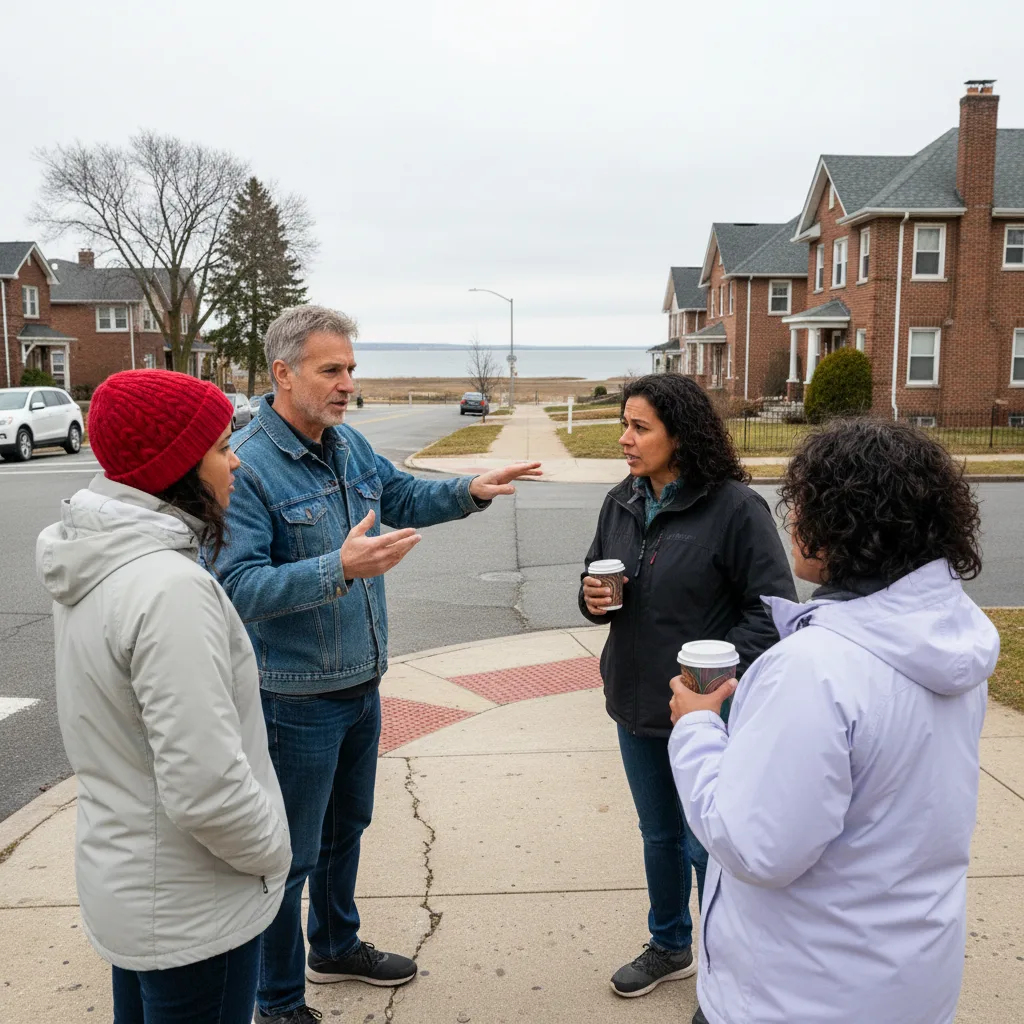
Cross Bay Boulevard Families Concerned Over Nepal Flood Casualties
Queens residents along Cross Bay Boulevard are deeply concerned about the Nepal-China flood disaster, prompting local discussions on emergency preparedness and infrastructure.
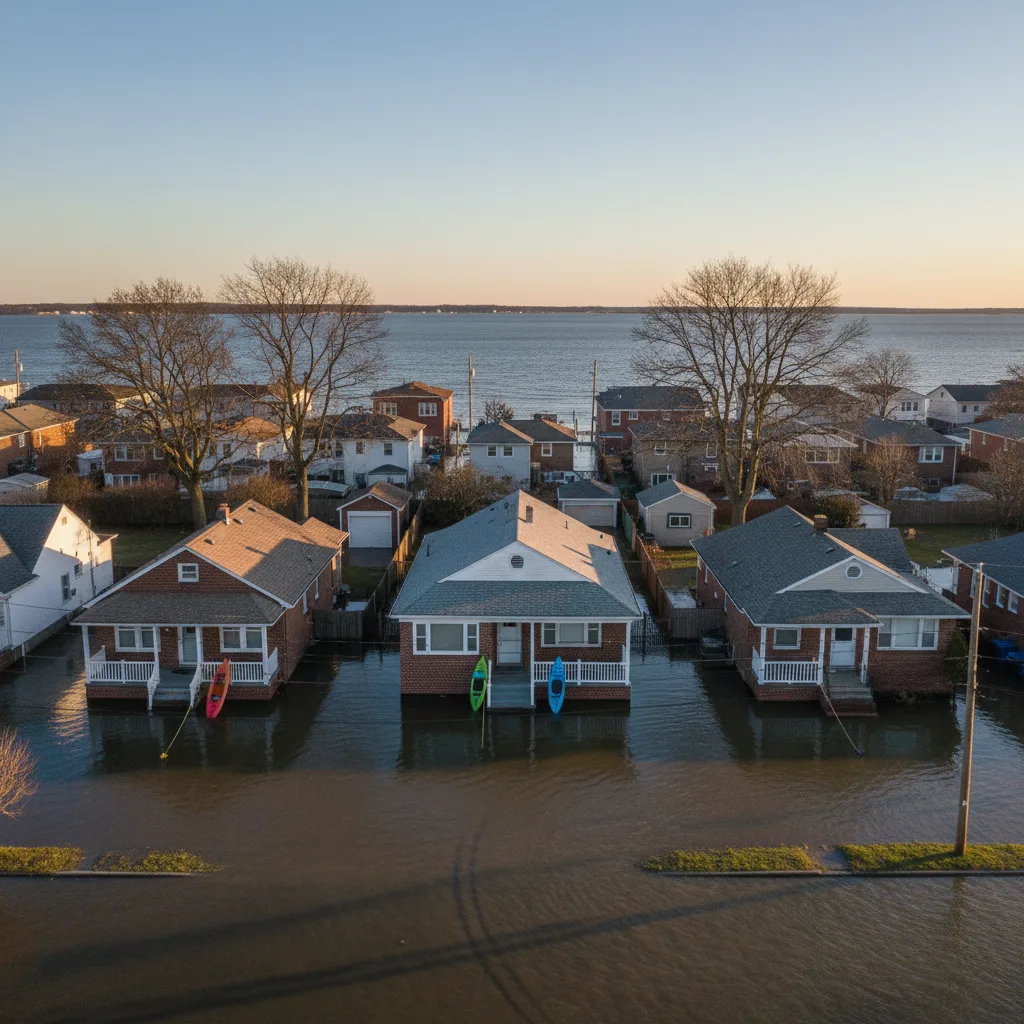
Queens Neighborhoods Targeted for Voluntary Flood Buyout Programs
Vulnerable Queens neighborhoods, including those along Cross Bay Boulevard, may be targeted for voluntary flood buyout programs by the city. This addresses rising extreme weather concerns.
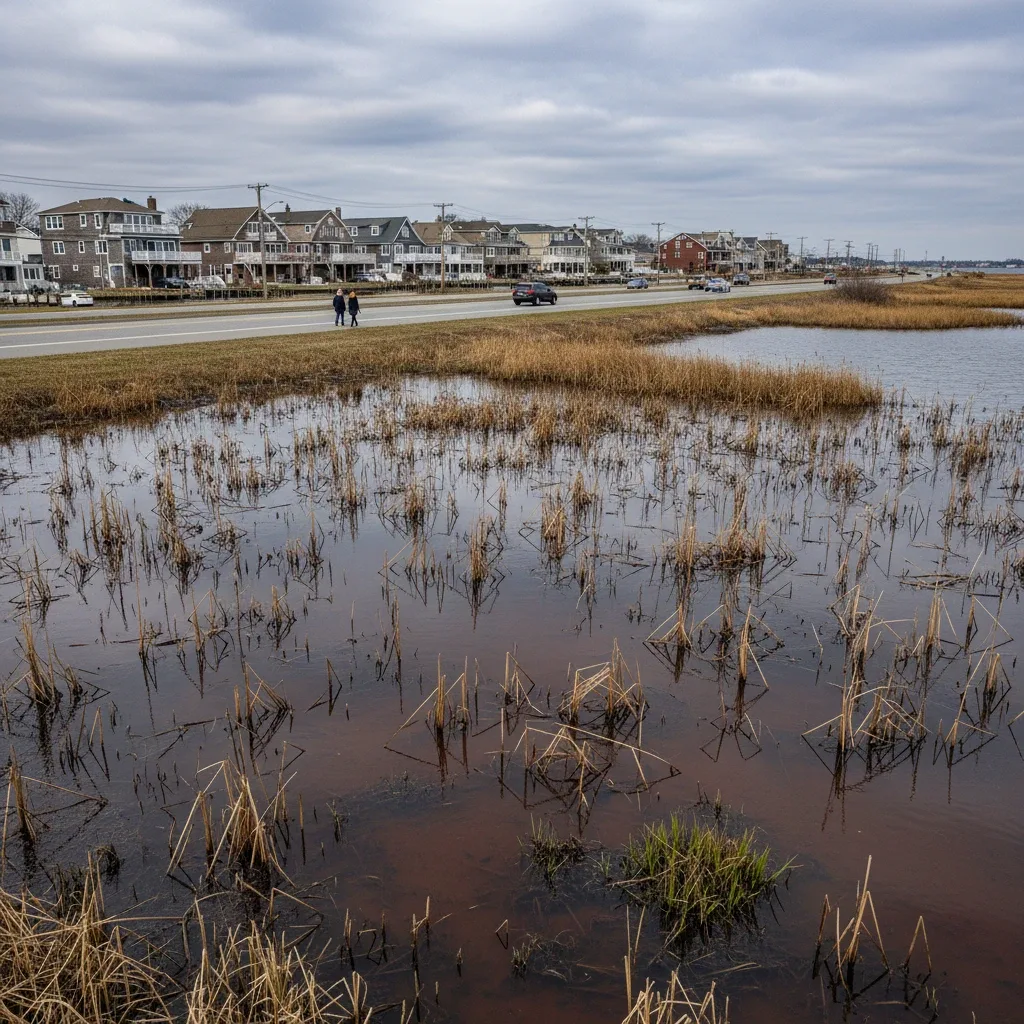
Environmental Concerns Emerge Near Cross Bay Boulevard, Queens 2026
A report by New York Focus and Queens Daily Eagle uncovered pressing environmental concerns near Cross Bay Boulevard, affecting residents and ecosystems in Queens.