


Mideast War Intensifies: Queens Residents Fear Economic Impact

NEW YORK — “The constant news about the war escalating in the Middle East, it just adds another layer of stress to our daily lives,” remarked Fatima Khan, a grocer on Cross Bay Boulevard, reflecting widespread anxiety. Her sentiment captures the mood in Queens as the conflict between Iran and the U.S.-Israel alliance enters its fifth week, intensifying with strikes on Gulf targets and retaliatory attacks on Tehran.
The prolonged war, marked by no clear de-escalation, raises significant concerns among Queens residents. Many, particularly those with family or business connections to the Middle East, are expressing anxiety about the humanitarian toll and the potential for severe economic ripple effects, notably impacting oil prices.
Queens Communities Anxious Over Escalating Conflict
The ongoing military engagement in the Middle East has reached a critical stage, with Iran launching strikes on various Gulf targets, and the U.S. and Israel responding with precise attacks on Tehran. This tit-for-tat escalation, now in its fifth week, has created widespread unease globally and locally.
Dr. David Cohen, a political science professor at Queens College, noted the severity. "This isn't just a regional conflict anymore; the direct engagement of major powers like the U.S. and the sustained nature of the attacks are deeply concerning," Cohen explained during a recent campus lecture. "The humanitarian crisis is mounting, and the risks of a broader confrontation are growing daily."
In the diverse neighborhoods of Queens, the discussions about the conflict are not abstract. They are deeply personal, touching on family ties, cultural heritage, and fears for loved ones living in affected regions. The news from the Middle East dominates conversations in busy markets and eateries along the boulevard.
Economic Ripple Effects on Cross Bay Boulevard
For many small business owners and working families along Cross Bay Boulevard, the primary concern revolves around the economic fallout. Historically, Middle East instability has translated directly into higher oil prices, leading to increased gas prices and transportation costs.
John Davies, owner of a local auto repair shop in Howard Beach, voiced his worries. "Every time the price of oil goes up, my supply costs increase, and customers start thinking twice about repairs," Davies told reporters. "It puts a real squeeze on everyone, from my business to the families trying to commute to work."
Beyond fuel, residents fear that prolonged conflict could disrupt global supply chains, affecting the availability and cost of imported goods, many of which are essential to the borough's diverse communities. The Queens Chamber of Commerce is closely monitoring these trends and advising members.
Local Calls for Diplomatic Solutions and Peace
Community discussions in Cross Bay Boulevard neighborhoods frequently center on calls for diplomatic solutions. Local community boards, religious institutions, and civic organizations are holding town halls and informal gatherings to discuss pathways to peace and de-escalation.
Imam Ali Hassan of the Islamic Cultural Center of Queens expressed a desire for peace. "Our prayers are with all those suffering in the region, and we implore world leaders to find a peaceful resolution," Hassan stated during Friday prayers. "The cost of war, both human and economic, is simply too high." Find more on Queens business recovery initiatives.
These local dialogues often highlight the shared humanity of all people, irrespective of national or religious affiliation, and underscore a collective yearning for an end to violence. Many are writing to their elected officials, urging for greater diplomatic efforts.
Humanitarian Concerns and Community Support
The humanitarian toll of the conflict is a significant point of anxiety for Queens residents. Reports of civilian casualties and displacement resonate deeply within communities that often have recent immigrant histories and strong international connections.
Local aid organizations are beginning to mobilize, preparing for potential relief efforts and support for refugees should the conflict worsen. Churches, mosques, and synagogues across Queens are collecting donations and organizing interfaith prayer vigils.
These community-driven initiatives demonstrate the borough's capacity for empathy and global solidarity, even in the face of complex international crises. The sheer diversity of Queens means global events often have a very direct local impact.
Preparing for Economic Uncertainty in Queens
As the war enters its fifth week, many residents and businesses in Queens are beginning to brace for potential economic uncertainty. Financial advisors are counseling clients to review their budgets and prepare for possible increases in essential living costs.
Local government officials are also exploring contingency plans to support vulnerable populations who may be disproportionately affected by rising prices. Measures could include energy assistance programs or food security initiatives.
The enduring resilience of Queens communities will be tested by these global pressures. However, the proactive discussions and community organizing currently underway indicate a strong commitment to mitigating the impact and supporting one another during challenging times. For further information, visit local government updates.
Frequently Asked Questions About the Mideast Conflict
How is the Middle East conflict affecting Queens residents? Queens residents, especially those with ties to the region, are experiencing anxiety over the humanitarian toll and potential economic impacts, particularly rising oil and gas prices. What is the current status of the war? The conflict between Iran and the U.S.-Israel alliance has intensified, entering its fifth week with continued strikes on Gulf targets and Tehran, and no clear de-escalation in sight. Are local businesses concerned about the economic impact? Yes, businesses along Cross Bay Boulevard and throughout Queens are concerned about rising operational costs due to potential increases in oil prices and disruptions to supply chains. What are community leaders doing in response? Community boards, religious leaders, and civic organizations are holding town halls and gatherings to call for diplomatic solutions and discuss the conflict's local ramifications. How can residents get involved or find support? Residents can attend local community meetings, contact their elected officials, or connect with local religious and aid organizations for information and support opportunities.
Written by
Newstrix
Cross Bay Current
Related Articles
More in Local Economy & Business →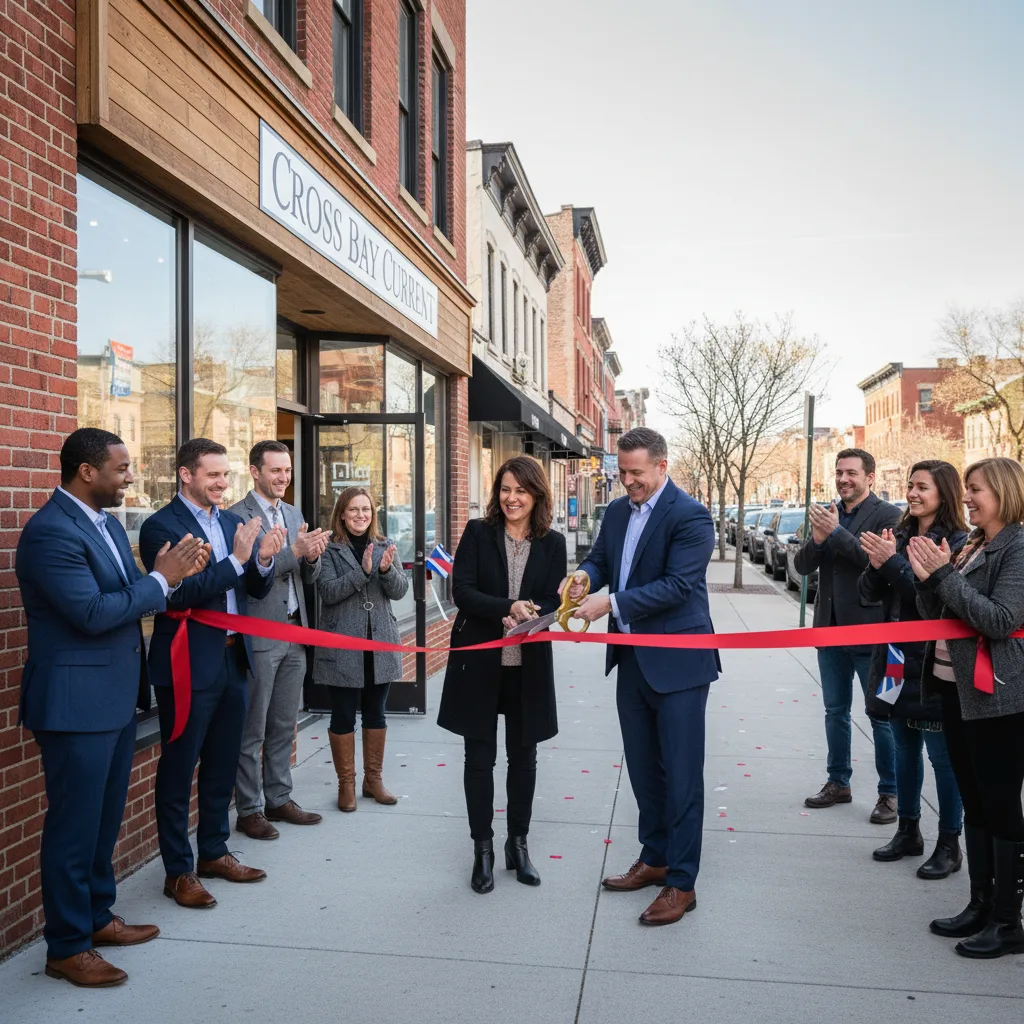
Cross Bay Boulevard Welcomes New Business with Grand Opening
A new business officially opened at 156-36 Cross Bay Boulevard with a ribbon-cutting ceremony on Friday, September 18, 2026, signaling local growth.
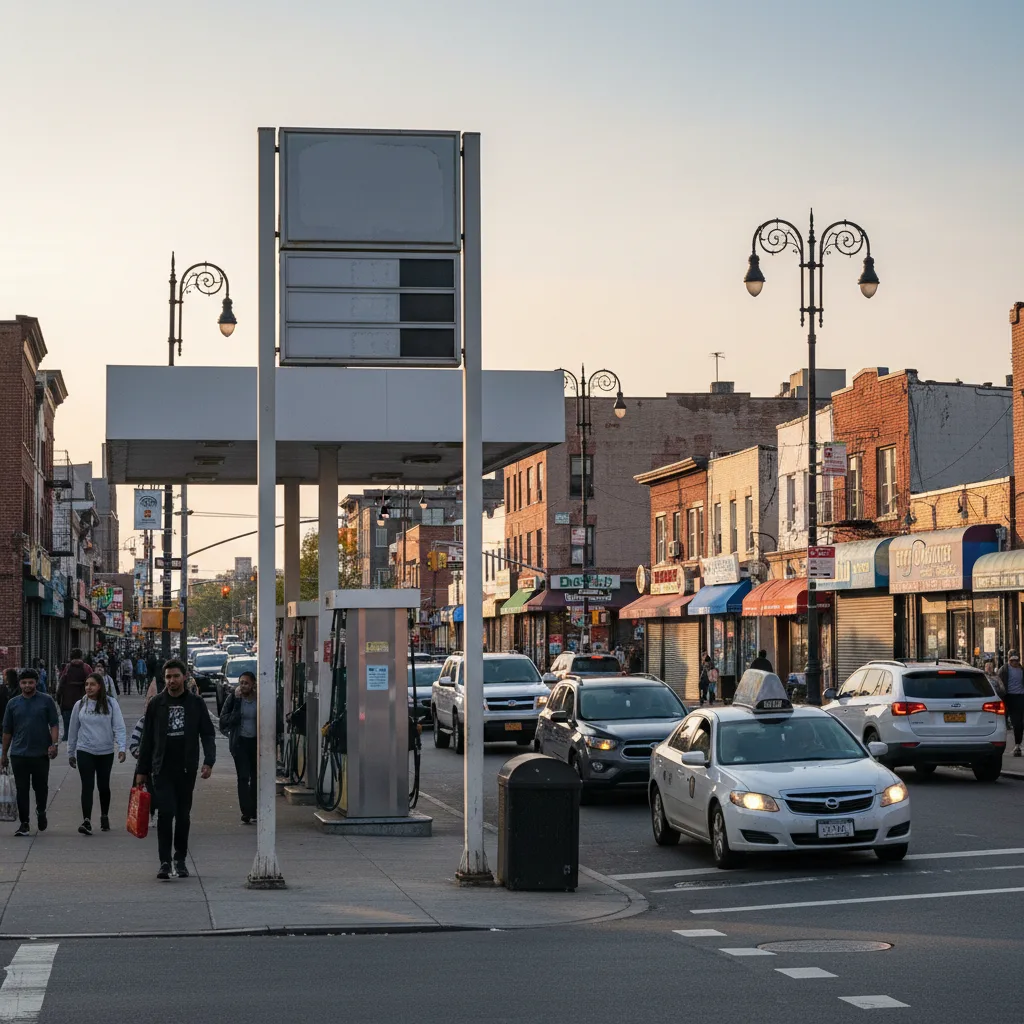
Iran's Foreign Minister Travels to China Amid West Asia Tensions
Iran's foreign minister travels to China amid West Asia tensions. Cross Bay Boulevard residents worry about oil prices, shipping, and local family budgets.
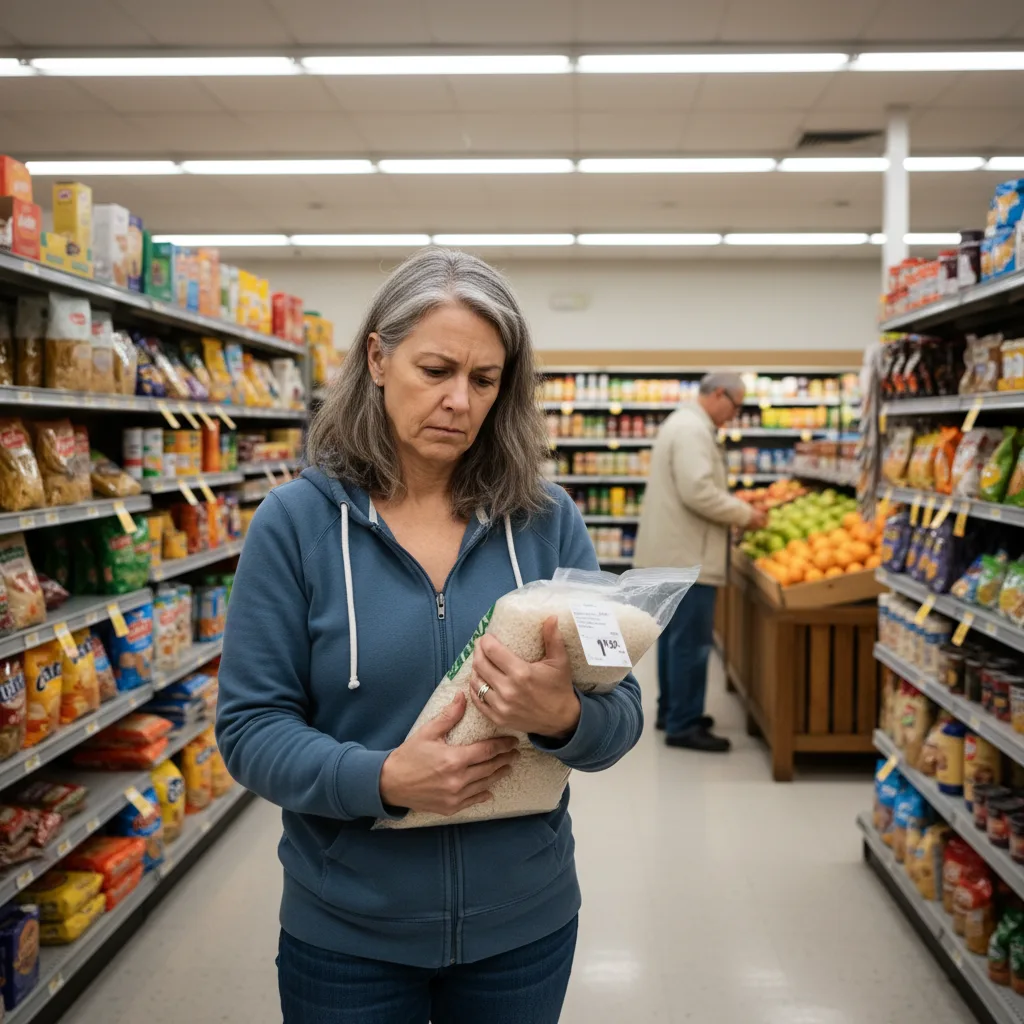
Queens Residents Brace for Trade Shocks as WTO Warns of Risks
The WTO warns of major global trade risks. Queens residents on Cross Bay Boulevard worry about rising prices for groceries and imports, preparing for supply delays.
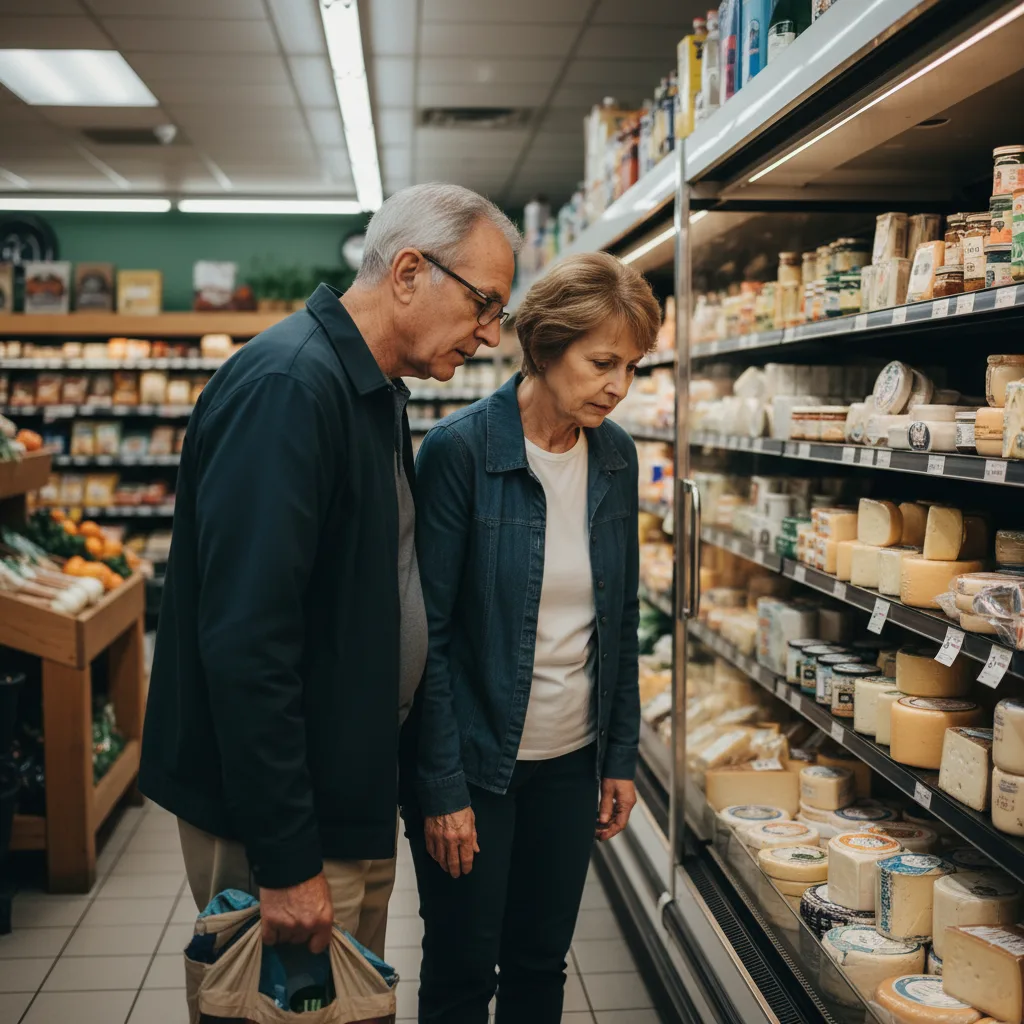
Saudi Arabia Forms Maritime Coalition, Cross Bay Boulevard Reacts
Saudi Arabia launched a maritime coalition to protect shipping lanes. Cross Bay Boulevard residents fear higher prices and trade disruption if global tensions escalate.
Irish Whiskey Tariff Removal: Queens Businesses Eye Trade Impact 2026
Donald Trump announced plans to scrap the 10% tariff on Irish whiskey, a move that could impact Queens businesses along Cross Bay Boulevard and influence consumer prices.

Queens Residents Discuss Trump's Stance on Chinese Car Manufacturing
Cross Bay Boulevard residents discuss Trump’s stance on Chinese car manufacturing in the US, debating impacts on local jobs and vehicle prices.