


MTA Reveals LIRR Strike Contingency for Queens Commuters

NEW YORK — The Metropolitan Transportation Authority (MTA) has revealed its comprehensive contingency plan in anticipation of a potential Long Island Rail Road (LIRR) strike this weekend. This detailed strategy aims to mitigate commuter disruption, particularly for Queens residents who rely heavily on the LIRR for daily travel.
With union negotiations currently at an impasse, the MTA is preparing for worst-case scenarios. The plan outlines alternative transportation options, increased bus services, and ferry expansions to handle the expected surge in ridership during a system-wide shutdown.
Alternative Commuter Routes for Queens Residents
Queens commuters, especially those from neighborhoods like Howard Beach, Ozone Park, and Woodhaven, typically utilize LIRR stations such as Aqueduct Racetrack or Kew Gardens. The contingency plan emphasizes expanded NYC Transit bus services along key corridors to connect riders to subway lines.
Additional Q53, Q21, and Q84 bus routes will be activated, feeding into the A and J/Z subway lines, according to MTA spokesperson Lisa Daglian. “We are focusing on high-density LIRR zones in Queens to provide viable alternatives to Manhattan and Brooklyn,” Daglian stated in a press release issued May 15, 2026.
The MTA advises commuters to allow for significantly extended travel times, potentially adding 60 to 90 minutes to their regular commutes. Early departures are strongly recommended to avoid peak congestion.
Increased Subway and Ferry Capacity
To absorb the influx of LIRR riders, NYC Transit will deploy additional subway trains on the E, F, M, R, 7, and L lines. These lines connect directly to many central Queens neighborhoods and offer direct routes into Manhattan, a primary destination for many LIRR commuters.
Ferry services, including those from the Rockaways, will also see increased frequency and capacity. The NYC Ferry route from Rockaway Beach to Wall Street and Midtown East is expected to be a popular alternative, with more vessels and extended operating hours planned.
The Rockaway ferry terminal, accessible via the Q35 bus along Cross Bay Boulevard, offers a unique alternative. While slower than the LIRR, it provides a direct, albeit longer, journey into Manhattan, appealing to those seeking a less congested option. Commuters can find more details on ABC7 New York's coverage of Queens news.
Parking and Traffic Management Across Queens
The MTA and NYC Department of Transportation anticipate a substantial increase in vehicle traffic, especially on major arteries like Cross Bay Boulevard and Woodhaven Boulevard. Residents are encouraged to use public transport where possible or consider carpooling to reduce road congestion.
Parking availability near subway stations and ferry terminals will be extremely limited. The DOT will enforce temporary parking restrictions around these hubs to ensure emergency vehicle access and maintain traffic flow, particularly during morning and evening rush hours.
NYC Traffic Enforcement Agents will be stationed at critical intersections throughout Queens to manage traffic. Their focus will be on maintaining lane discipline and preventing gridlock, especially around major transit points and bridge access roads.
Communication and Rider Information
The MTA is committed to keeping commuters informed through multiple channels. Real-time updates will be available via the MYmta app, MTA website, and social media platforms. Digital signage at bus stops and subway stations will also display service changes.
“Our priority is clear communication and minimizing the impact on New Yorkers’ daily lives,” MTA Chairman and CEO Janno Lieber affirmed at a recent news briefing. “We urge everyone to check our platforms frequently for the latest information before they travel.”
Employers are encouraged to offer flexible work arrangements or allow remote work where feasible to alleviate pressure on the public transportation system. This collective effort is crucial for navigating the potential strike successfully.
Economic Implications for Queens Businesses
A prolonged LIRR strike could have significant economic repercussions for Queens businesses. Reduced commuter traffic translates to fewer patrons for shops, restaurants, and services located near LIRR stations and along major corridors.
Many small businesses, particularly those in downtown Flushing or Jamaica, rely on the steady flow of LIRR passengers. The disruption could lead to a temporary downturn in revenue, impacting local employment and economic stability in neighborhoods accessible via Cross Bay Boulevard and other major roads.
The mayor’s office has indicated it is monitoring the situation closely and is prepared to offer support where possible to affected local economies. The hope remains that a resolution will be reached before a full-scale strike materializes.
Frequently Asked Questions about the LIRR Strike Contingency
What is the LIRR strike contingency plan for Queens? The MTA's contingency plan for Queens involves significantly increased NYC Transit bus services, additional subway trains on key lines (E, F, M, R, 7, L), and expanded ferry services, particularly from the Rockaways. These measures aim to provide alternative travel options for LIRR commuters.
How will Queens residents access these alternative services? Bus routes like the Q53, Q21, and Q84 will be enhanced to connect LIRR commuters from areas like Howard Beach and Ozone Park to the subway system. The Rockaway ferry terminal, accessible via the Q35 bus along Cross Bay Boulevard, will also see increased operations, as highlighted by ABC7 New York's Queens coverage.
Will travel times be affected during a strike? Yes, commuters should anticipate significantly longer travel times, potentially adding 60 to 90 minutes to their regular trips. The MTA strongly advises departing earlier than usual to account for increased congestion and potential delays across all modes of transport.
What impact will this have on traffic and parking in Queens? The MTA and DOT expect a substantial increase in vehicle traffic on major Queens roads like Cross Bay Boulevard and Woodhaven Boulevard. Parking near transit hubs will be extremely limited, and temporary restrictions will be enforced. Commuters are encouraged to use public transport or carpool.
How will the MTA keep commuters informed? The MTA will provide real-time updates through its MYmta app, official website, and social media channels. Digital signage at bus stops and subway stations will also display current service information. Commuters are urged to check these sources frequently for the latest service changes.
Written by
Newstrix
Cross Bay Current
Related Articles
More in Transportation & Traffic →
Your Guide to Understanding the Queens Midtown Tunnel in 2026
Navigate the Queens Midtown Tunnel in 2026 with this comprehensive guide covering tolls, traffic tips, public transport alternatives, and safety.
A Train Rerouted, No Service Between Broad Channel and Far Rockaway
A Train service between Broad Channel and Far Rockaway is suspended overnight October 5-9, 2026. Commuters face reroutes, impacting travel.
Cross Bay Boulevard Traffic Delays Near 165th Avenue 2026
Police activity caused significant traffic delays and road closures on Cross Bay Boulevard near 165th Avenue in Queens. Drivers advised to use alternate routes.
Your Essential Guide to the Rockaway Ocean Club in 2026
Discover what to expect at the Rockaway Ocean Club in 2026, a vibrant beachfront hub in Queens with dining, events, and community activities.
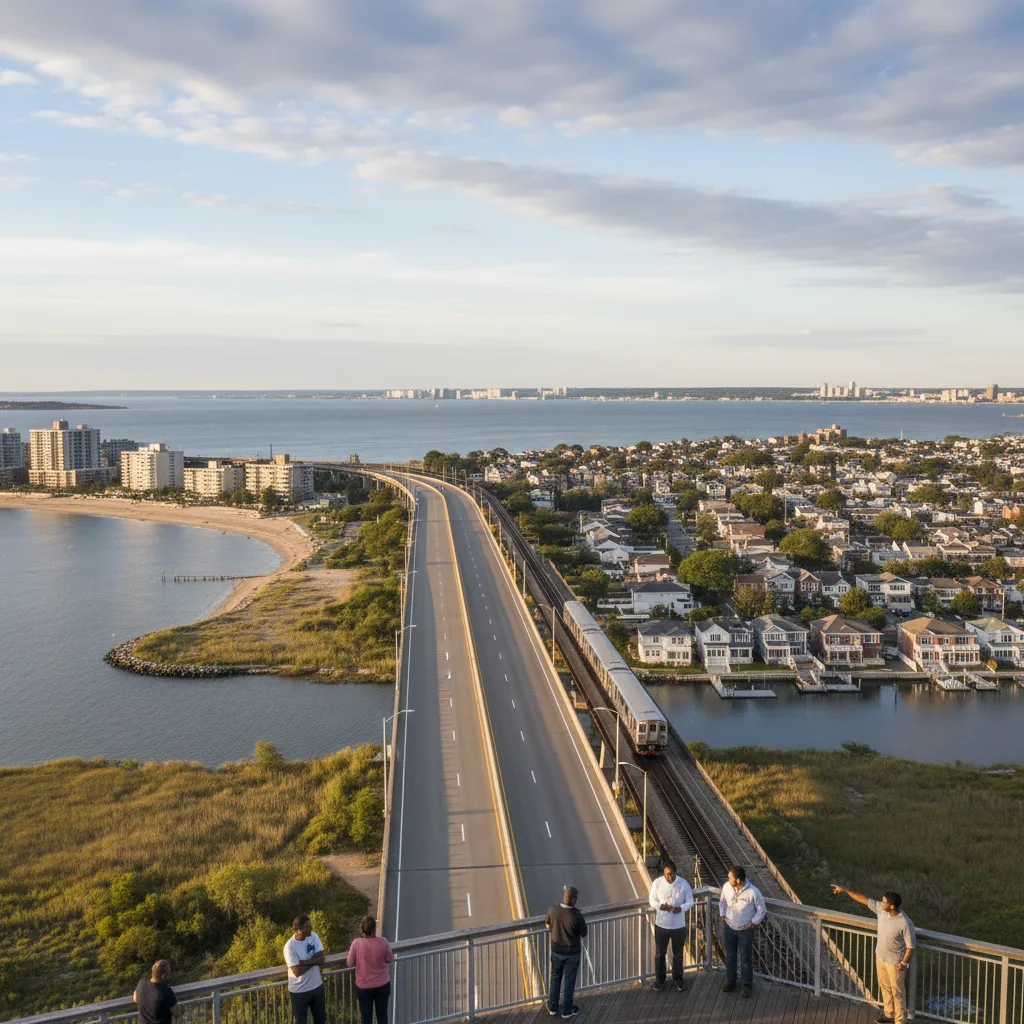
Is Howard Beach in Queens or Brooklyn? A Comprehensive Guide to This Unique NYC Neighborhood
Is Howard Beach in Queens or Brooklyn? Discover the definitive answer: Howard Beach is a vibrant Queens neighborhood with unique coastal charm.
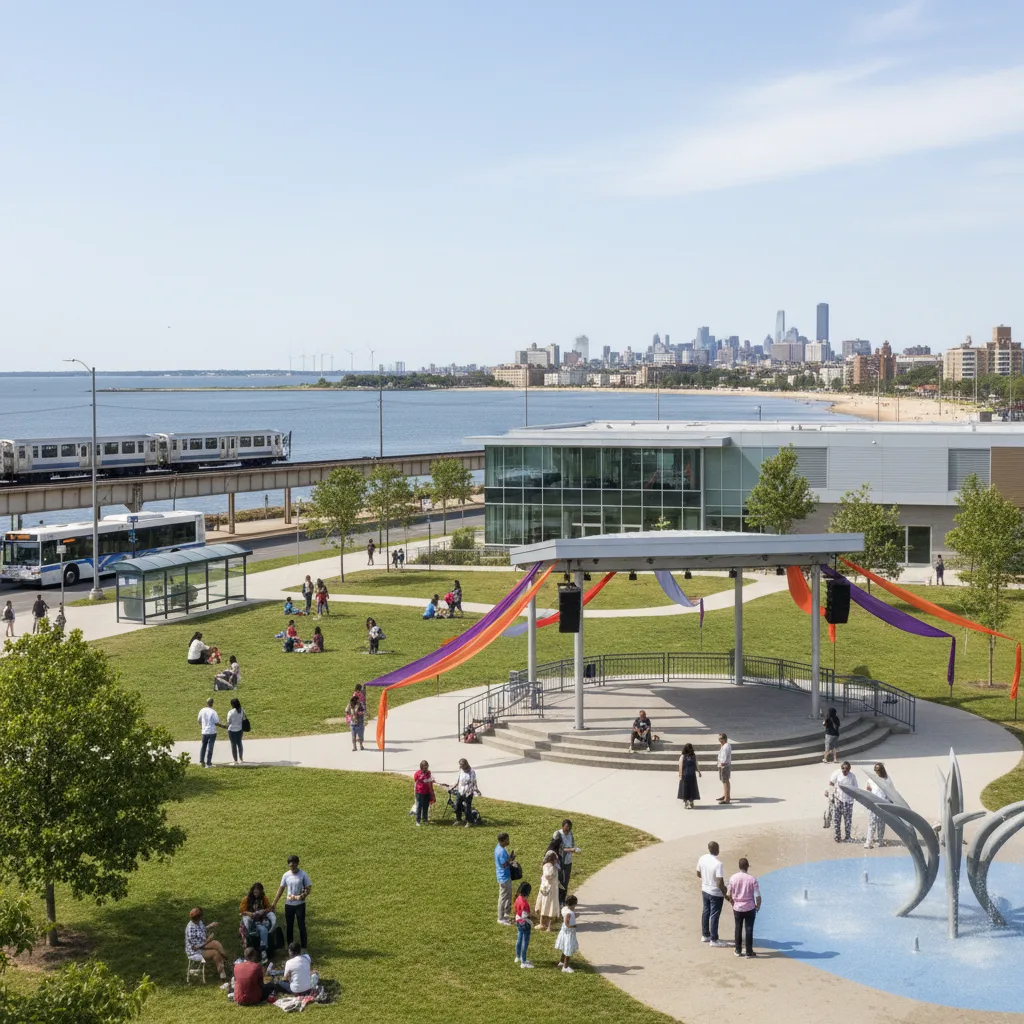
Your Essential Guide to Roy Wilkins Park Events in 2026
Discover the essential guide to Roy Wilkins Park events in 2026, featuring concerts, festivals, sports, and nature programs for South Queens residents.