


Queens Cuban Community Expresses Fears Over Possible U.S. Cuba Intervention

NEW YORK — “The thought of intervention, it sends shivers down my spine. My family is there; my heart is there,” expressed Maria Rodriguez, a Cuban-American resident of Ozone Park, reflecting the deep apprehension sweeping through Queens’ vibrant Cuban and Latin American communities. Reports circulating about potential U.S. military intervention in Cuba have ignited fears of escalating tensions and profound regional implications for families with ties to the island.
The global news, trending as a major geopolitical story, raises immediate concerns about stability, diplomacy, and the potential for a new migration crisis. While no direct street-level reactions from Cross Bay Boulevard residents have been officially documented, the topic is a palpable undercurrent in conversations within community centers and homes across the borough.
Geopolitical Tensions Escalate
Recent reports, citing unnamed sources within U.S. intelligence circles, suggest that the prospect of U.S. military intervention in Cuba is being considered in response to perceived threats to regional security. The reports, published by international news outlets, have not been officially confirmed by the U.S. government, yet they have generated significant alarm.
Historically, U.S.-Cuba relations have been complex and often fraught with tension. Even the mere speculation of intervention evokes memories of past conflicts and anxieties among the Cuban diaspora, particularly those who fled the island during previous periods of instability.
Experts at the Council on Foreign Relations emphasize that any military action would have far-reaching consequences, affecting not only Cuba but also neighboring Caribbean nations and the broader international community. The repercussions could extend beyond military operations to economic sanctions and humanitarian crises.
Impact on Queens' Cuban and Caribbean Communities
Queens is home to one of the largest and most diverse Caribbean populations in the United States, with a significant Cuban-American presence. Many residents along Cross Bay Boulevard and in surrounding neighborhoods like Ozone Park, Howard Beach, and Woodhaven maintain strong family and cultural ties to Cuba.
For these families, news of potential intervention triggers immense worry about the safety of relatives still on the island. It also revives painful memories of forced displacement and economic hardship, leading to heightened anxiety within their local communities.
Father Miguel Gomez of St. Helen Roman Catholic Church in Howard Beach, whose congregation includes many Cuban families, noted, “Our community lives with a constant hope for peace and stability for their homeland. Any news like this creates profound distress and uncertainty for everyone.”
Migration Concerns and Humanitarian Implications
One of the most immediate concerns stemming from potential intervention is the possibility of a mass exodus from Cuba. Historically, periods of unrest have led to significant waves of migration towards the United States, placing immense strain on humanitarian resources and immigration systems.
Local aid organizations in Queens are already preparing for potential scenarios, discussing how to support new arrivals should a crisis unfold. The NYC Mayor’s Office of Immigrant Affairs has stated it is monitoring the situation closely, acknowledging the unique vulnerabilities of the city’s large immigrant populations.
The prospect of escalated conflict could also disrupt crucial remittances sent from Queens residents to their families in Cuba, further destabilizing an already fragile economic situation on the island. This financial lifeline is critical for many households.
Calls for Diplomacy and Peaceful Resolution
Community leaders and elected officials in Queens are urging the U.S. government to prioritize diplomatic solutions and de-escalation. They emphasize that dialogue, rather than military action, is the most effective path to achieving long-term stability in the region.
State Senator Joseph Addabbo Jr., whose district includes parts of Cross Bay Boulevard with a significant Latin American constituency, issued a statement calling for restraint. “The well-being of families in our communities is directly linked to peace in the Caribbean. We must pursue every diplomatic avenue,” Addabbo affirmed.
Advocacy groups like the Cuban-American National Council are organizing online forums and community discussions to facilitate informed conversations and channel public sentiment to policymakers. These groups aim to ensure that the voices of the diaspora are heard in Washington.
Frequently Asked Questions About U.S.-Cuba Tensions
Residents often ask what specifically is causing the current fears of intervention. Recent reports citing unnamed U.S. intelligence sources have indicated that military options are being discussed in response to perceived regional threats, though these reports are unconfirmed by the U.S. government. How would this impact Cuban families in Queens? The primary concern is the safety of family members remaining in Cuba, potential disruptions to remittances, and the possibility of a new migration wave, causing significant anxiety within the local community. Is there anything local residents can do? Community leaders and organizations are urging residents to contact their elected officials to advocate for diplomatic solutions and peaceful resolutions. Participating in community discussions also helps amplify local voices. What is the U.S. government's official stance? The U.S. government has not officially confirmed or denied these reports of potential intervention, maintaining a cautious stance on escalating rhetoric. For more detailed international reporting, Global News coverage on world affairs provides further context.
Written by
Newstrix
Cross Bay Current
Related Articles
More in National & World →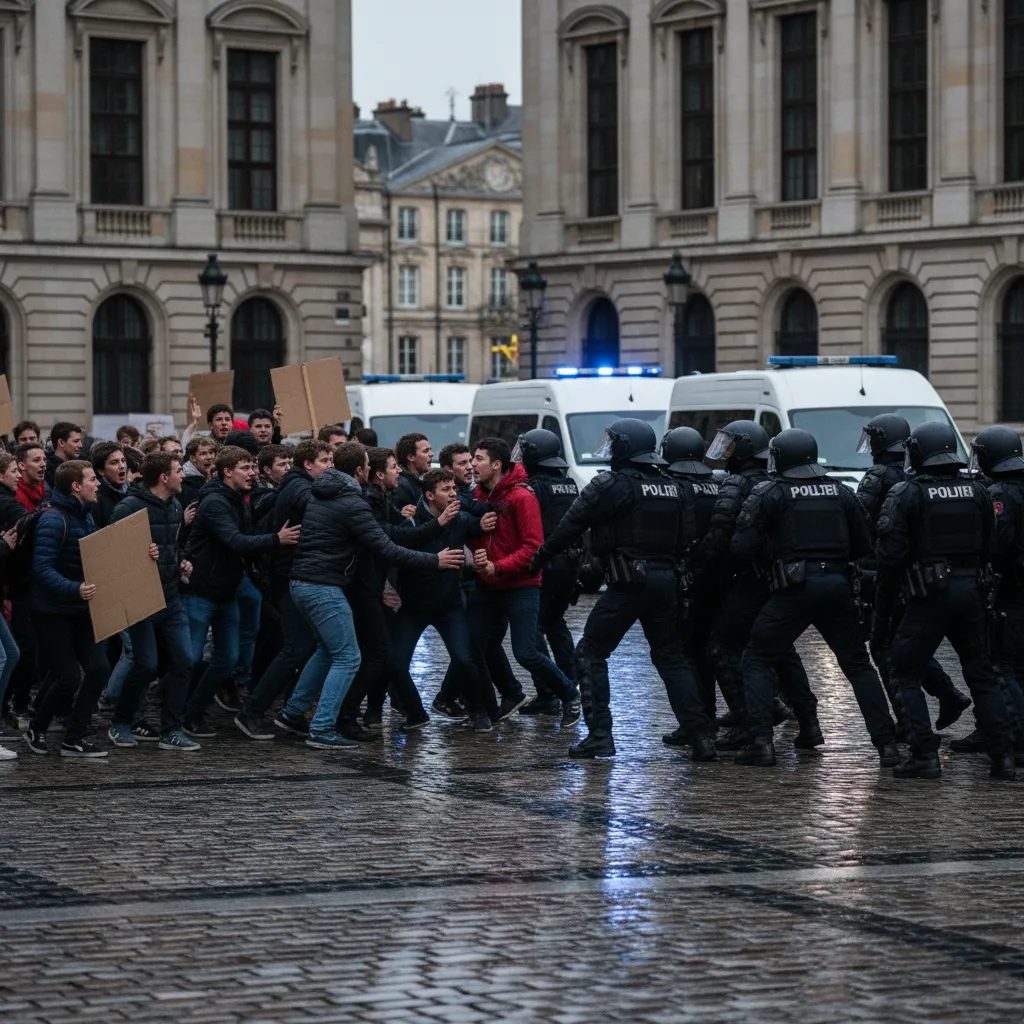
French Student Protests Spread, Prompting Global Concern
French student protests are spreading nationwide, with clashes and disruptions, drawing international attention as they broaden into a larger public order issue.

Middle East War Escalates, Raises Concerns for Energy Markets
Middle East war escalates with intensified fighting across Yemen and reported oil tanker attacks in Hormuz. This raises global concerns for energy markets and shipping routes.
Putin Warns West on Ukraine War Escalation 2026
Russian President Vladimir Putin warned the West against escalating the Ukraine war in 2026, fueling global alarm and raising anxiety among Cross Bay Boulevard residents.
Middle East Tensions Rise After Houthi Attack on Medina Power Substation
Middle East tensions escalate as Houthi rebels attack a power substation supplying Medina, raising global stability concerns for Cross Bay Boulevard residents. This could impact the economy.
Russian Missile and Drone Attacks Kill Two in Kyiv, Queens Reacts
Russian missile and drone attacks killed two in Kyiv. Cross Bay Boulevard residents react with sympathy, war-fatigue, and concerns about rising energy costs.
Your Essential Guide to the Rockaway Ocean Club in 2026
Discover what to expect at the Rockaway Ocean Club in 2026, a vibrant beachfront hub in Queens with dining, events, and community activities.