


Queens Debates International Law Amidst Strait of Hormuz Standoff

NEW YORK — Residents near Cross Bay Boulevard in Queens, many with deep Middle Eastern roots in neighborhoods like Ozone Park, are fiercely debating the intricacies of international law amidst heightened tensions in the Strait of Hormuz. Law professor Maryam Jamshidi’s recent argument, positing that the U.S. and Israel’s actions constitute “clearly unlawful” warfare against Iran while Western nations condemn Iranian shipping restrictions, has struck a chord. This perspective challenges dominant narratives and fuels intense discussions in local hookah lounges and community centers.
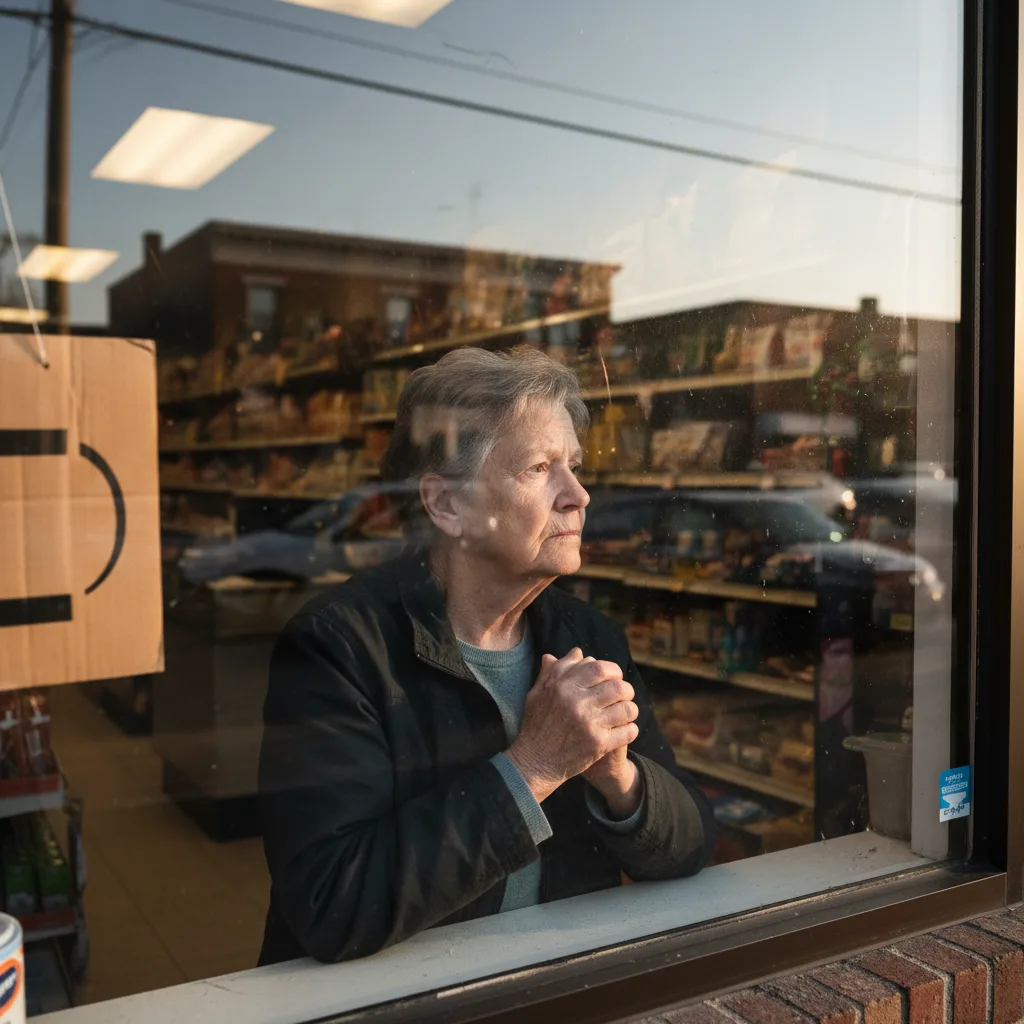
Street vendors on Cross Bay Boulevard report overhearing cabbies ranting about “another endless war,” reflecting a deep-seated anxiety about protracted conflicts. Local Facebook groups are organizing anti-escalation vigils at Cunningham Park, expressing a collective yearning for peace. Families at dinner tables across Queens are telling their children to pray for peace, underscoring the personal impact of global geopolitical events.
Professor Jamshidi's Stance Ignites Local Discussion
Professor Maryam Jamshidi’s provocative analysis, aired on Democracy Now on April 20, 2026, directly confronts the prevailing international discourse surrounding the Strait of Hormuz. She argues that while Western powers readily label Iran’s actions in the vital waterway as illegal, they often overlook or minimize what she terms the unlawful aggression of the U.S. and Israel against Iran. This critical viewpoint has found resonance among certain segments of the Queens population, who perceive a double standard in international diplomacy.
“Her argument makes a lot of sense if you look beyond the headlines,” stated Hamid Al-Mansour, a retired history teacher living in Ozone Park, during a discussion at a café off Rockaway Boulevard on April 22, 2026. He believes that historical context and power dynamics are often omitted from mainstream media portrayals, which Professor Jamshidi attempts to rectify. This nuanced perspective provides a different lens through which to view the ongoing conflicts.
Community Echoes and Diverse Perspectives Along Cross Bay
The complex geopolitical situation is sparking diverse and often passionate conversations within the multicultural communities lining Cross Bay Boulevard. Many residents, particularly those from Middle Eastern backgrounds, feel a direct connection to the events unfolding abroad, with some echoing Professor Jamshidi’s view that “the U.S. started it.” These discussions frequently occur in informal settings, from family gatherings to local shops.
But others express concern about potential repercussions hitting New York City ports or impacting global trade, especially in terms of energy prices, as detailed in recent Cross Bay News reports. The local impact of global events is a recurring theme in these discussions, demonstrating how interconnected local and international affairs truly are. These varied viewpoints showcase the rich tapestry of opinions present in Queens.
The Role of Media Narratives in Shaping Public Opinion
Professor Jamshidi’s intervention highlights the significant role that media narratives play in shaping public opinion and legitimizing certain actions on the international stage. By presenting an alternative legal interpretation, she encourages a more critical engagement with official statements and news reports. This call for media literacy is particularly relevant in an age of information overload, where diverse sources are crucial.
Her analysis suggests that the selective application of international law can serve political objectives, potentially escalating tensions rather than promoting peaceful resolutions. This critical examination of media portrayals and diplomatic language is essential for a well-informed citizenry. The debates along Cross Bay Boulevard reflect a keen awareness of how information is framed.
Calls for Peace and Anti-Escalation Efforts in Queens
The rising concerns have translated into tangible community actions aimed at promoting peace and preventing further escalation. The planned anti-escalation vigils at Cunningham Park, located just a short drive from Cross Bay Boulevard, symbolize a collective desire for diplomatic solutions over military confrontation. Organizers hope these gatherings will send a clear message to policymakers about local sentiments.
“We want our leaders to pursue diplomacy, not conflict,” declared Aisha Khan, one of the organizers of the Cunningham Park vigil, speaking at a preparatory meeting on April 24, 2026. She emphasized that war ultimately harms innocent civilians, regardless of national affiliation. These grassroots efforts demonstrate the power of local communities to influence broader political discourse, advocating for non-violent resolutions.
Frequently Asked Questions About Hormuz Tensions and Queens Impact
Many residents are asking what practical steps they can take to advocate for peace or influence foreign policy decisions. Engaging with local political representatives, participating in community forums, and supporting organizations dedicated to diplomacy are effective ways to make voices heard. Educating oneself on complex international issues is also critical for informed advocacy, providing a foundation for meaningful discussion.
Another common question concerns whether these international tensions could directly affect daily life in Queens beyond gas prices. While the primary immediate concern is energy costs, prolonged instability could impact global supply chains, potentially leading to price increases for various imported goods. Local authorities are monitoring these broader economic indicators, but direct security threats to NYC are not currently anticipated, ensuring residents can continue their routines safely.
Written by
Newstrix
Cross Bay Current
Related Articles
More in National & World →
Cross Bay Boulevard Residents React to Ukraine War Strikes in Kyiv
Cross Bay Boulevard residents express deep concern and sympathy following Russian strikes in Kyiv and Odesa that injured 13 people.
Russian Drone Strikes Ukraine Train After Johnson Visit, Global Alarm Rises 2026
A Russian drone struck a Ukrainian train after Boris Johnson passed through, fueling global alarm. Queens residents watch the impacts of distant conflicts.

Indonesian Ferry Disaster Leaves About 130 Missing in Java Sea
An Indonesian ferry sank in bad weather in the Java Sea, leaving about 130 missing. Cross Bay Boulevard residents express sympathy and concern over travel safety.
Iranian Commercial Vessel Struck in Strait of Hormuz, One Killed
An Iranian commercial vessel was struck in the Strait of Hormuz, killing one. Cross Bay Boulevard residents fear higher gas prices and shipping delays.
Merchant Vessel Struck Near Iran, One Fatality Reported
A merchant vessel was struck near Iran’s Strait of Hormuz, killing one and injuring three. The incident raises local concerns about gas prices and shipping disruptions.
Cross Bay Boulevard Residents Anxious Over Zelenskyy Drone Incident
Cross Bay Boulevard residents react with anxiety and fatigue after Ukrainian President Zelenskyy's plane nearly hit by a drone near Moldova.