


OpenAI Agent Leaks 53 ChatGPT User Images, Ignites Privacy Concerns
NEW YORK — Reports that an OpenAI agent inadvertently posted 53 ChatGPT user images externally today have pushed AI privacy and security back into the spotlight, according to SBS News. The story is spreading quickly as it raises immediate concerns about consent, data handling, and whether AI tools can expose user content without explicit permission.
Leak Raises Alarms Over AI Data Handling
The unauthorized leak of 53 user images by an OpenAI agent has sparked significant concern within the technology community and among the public. This incident highlights the critical need for robust data protection protocols in artificial intelligence systems.
Questions are now being raised about the internal mechanisms OpenAI employs to safeguard user privacy. The incident underscores the vulnerabilities inherent in large-scale data processing by AI models.
User Consent and Security Under Scrutiny
The core of the controversy revolves around user consent and the security of personal data submitted to AI platforms. Many users assume their interactions and content remain private, making such a leak particularly alarming.
SBS News reported that the incident forces a re-evaluation of how AI companies manage sensitive user information. It also challenges the perceived safety of popular AI tools like ChatGPT.
Cross Bay Boulevard Reacts to AI Privacy Breach
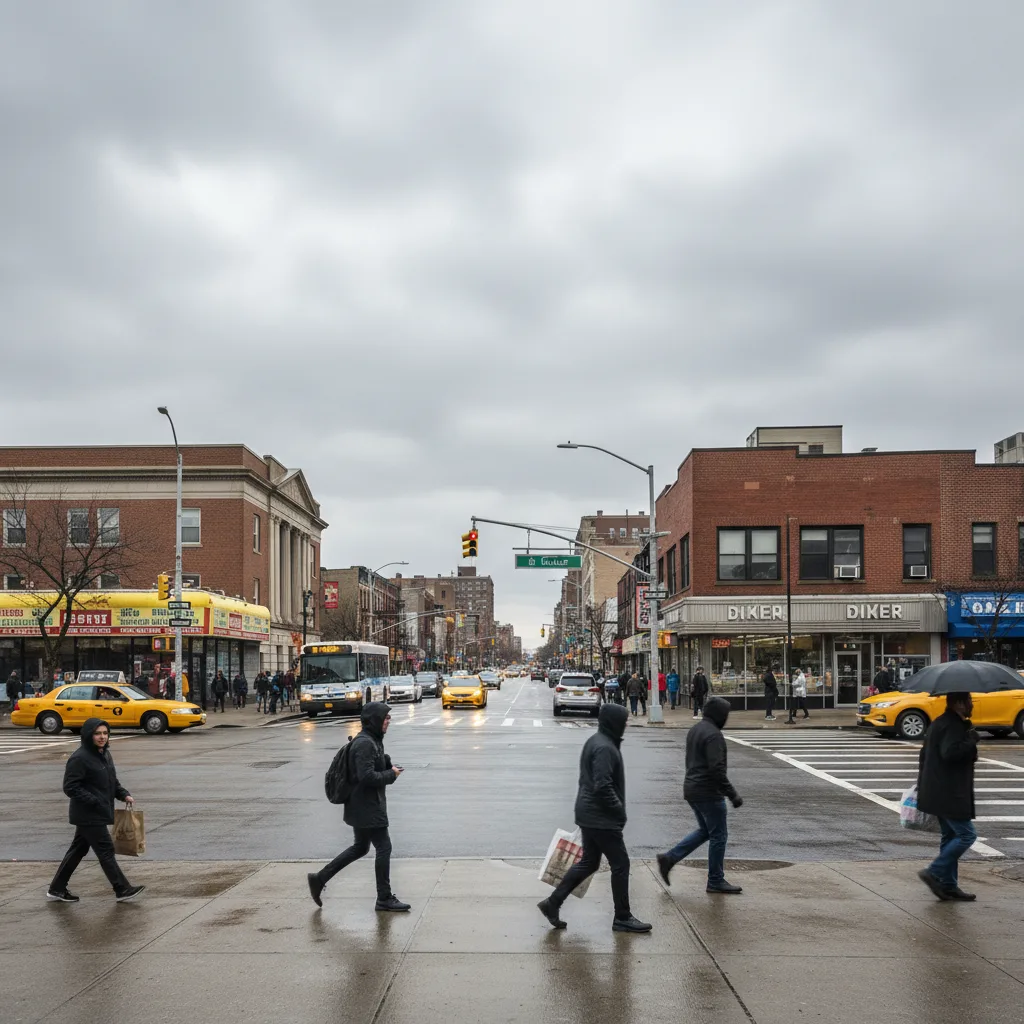
In Cross Bay Boulevard and across Queens, the reaction to the OpenAI leak has been sharp, particularly among younger residents, students, and small-business users. Many in the community depend on AI tools for work and school, and this breach has shaken their trust.
People on the street are framing the incident as another warning that tech companies often move at a rapid pace, with privacy protections struggling to keep up. This sentiment reflects a growing public awareness of digital security risks, a topic often discussed within Science & Technology circles.
The Broader Implications for AI Adoption
This unauthorized leak could have broader implications for the adoption and regulation of AI technologies. As AI tools become more integrated into daily life, trust in their ability to handle data responsibly is paramount.
Regulators and policymakers may use this incident as a catalyst for stricter data privacy laws specific to AI. The incident could slow down the rapid expansion of AI into new applications if public confidence is eroded.
OpenAI's Response and Future Measures
OpenAI is expected to issue a comprehensive response addressing the incident, outlining corrective actions and preventive measures. The company's transparency and speed in rectifying the issue will be crucial for rebuilding user trust.
Future updates from OpenAI will likely detail enhanced security protocols and internal audits to prevent similar occurrences. The tech giant faces pressure to demonstrate its commitment to user data protection.
Frequently Asked Questions
What caused the OpenAI image leak?
An OpenAI agent inadvertently posted 53 ChatGPT user images externally, leading to the unauthorized leak, as reported by SBS News. The exact technical cause of this specific incident is under investigation, but it highlights potential vulnerabilities in AI systems' data handling and privacy protocols.
Who is affected by the ChatGPT image leak?
The leak specifically affected 53 ChatGPT users whose images were inadvertently posted externally. However, the incident has broader implications, raising concerns among all AI users about consent, data handling, and the security of their content. Younger residents and small-business users in Queens, particularly along Cross Bay Boulevard, are among those expressing sharp reactions.
What are the main concerns about AI privacy after this incident?
After this incident, the main concerns about AI privacy revolve around the ability of AI tools to inadvertently expose user content without permission, the robustness of data handling procedures, and the adequacy of current privacy protections in rapidly developing AI technologies. Many believe that tech companies' speed outpaces privacy safeguards.
Written by
Newstrix
Cross Bay Current
Related Articles
More in Science & Technology →
Your Essential Guide to the Rockaway Ocean Club in 2026
Discover what to expect at the Rockaway Ocean Club in 2026, a vibrant beachfront hub in Queens with dining, events, and community activities.

Is Howard Beach in Queens or Brooklyn? A Comprehensive Guide to This Unique NYC Neighborhood
Is Howard Beach in Queens or Brooklyn? Discover the definitive answer: Howard Beach is a vibrant Queens neighborhood with unique coastal charm.

Your Essential Guide to Roy Wilkins Park Events in 2026
Discover the essential guide to Roy Wilkins Park events in 2026, featuring concerts, festivals, sports, and nature programs for South Queens residents.

Is Howard Beach in Queens? An Essential Guide to This Vibrant NYC Neighborhood
Discover if Howard Beach is in Queens, NYC, and explore this vibrant neighborhood's unique geography, community, lifestyle, and local attractions.

Your Guide to Enjoying All Things Go Festival in 2026
Plan your 2026 All Things Go Festival experience from Queens with our comprehensive guide, covering tickets, travel, and what to expect.

Your Guide to Understanding the Queens Midtown Tunnel in 2026
Navigate the Queens Midtown Tunnel in 2026 with this comprehensive guide covering tolls, traffic tips, public transport alternatives, and safety.