


Queens Residents Concerned Over Cuba Intervention Prospects

Enjoying the coverage?
Queens and Rockaway news, plus the week's parking, transit and beach notes, in your inbox every Friday.
Sent every Friday. By subscribing, you agree to our Terms and Conditions and Privacy Policy.
NEW YORK — Fears that a potential U.S. military intervention in Cuba could materialize are sparking significant concern among Queens' substantial Cuban community. The prospect of escalating tensions with the island nation has created apprehension across neighborhoods from Elmhurst to Ozone Park.
This sentiment reflects broader anxieties outlined in recent reports by Global News, highlighting the potential for sharp escalation in U.S.-Cuba relations and regional instability. For many in Queens, the issue is not abstract geopolitics but a deeply personal concern for family and heritage.
Impact on Queens' Cuban Diaspora
Queens is home to one of the most vibrant and politically engaged Cuban diasporas in New York City. Along Liberty Avenue and further into Jamaica, where Cuban-owned businesses and cultural centers thrive, the news has cast a long shadow.
The Cross Bay Current Friday Briefing
Queens and Rockaway news, plus the week's parking, transit and beach notes, in your inbox every Friday.
Sent every Friday. By subscribing, you agree to our Terms and Conditions and Privacy Policy.
Community leaders are observing a noticeable increase in discussions and worried conversations among residents. Many families maintain close ties with relatives still living in Cuba, making any threat of intervention a source of acute stress.
"The idea of any military action, no matter the justification, brings back painful memories of past conflicts and separations," stated Elena Ramirez, director of the Queens Cuban-American Heritage Council. She confirmed a recent uptick in calls to her organization from worried residents seeking information and reassurance.
Historical Context and Political Divides
U.S.-Cuba relations have been a complex and often contentious issue for decades, marked by the 1961 Bay of Pigs invasion and the ongoing embargo. The current discussion of potential intervention, particularly under certain administrations, evokes strong reactions based on historical grievances and personal experiences.
Within the Queens Cuban community, views on U.S. policy toward Cuba are diverse, ranging from fervent anti-Castro sentiment to calls for increased engagement and normalization. However, widespread military intervention often transcends these divides, triggering shared concerns about human cost and instability.
Some residents along Cross Bay Boulevard, whose families arrived in earlier waves of migration, remember the Cold War era's heightened tensions. "We just want peace for our families, both here and there," said Carlos Estevez, a retired educator from Woodhaven with relatives in Havana.
Advocacy and Community Mobilization
Local advocacy groups and religious organizations in Queens are beginning to mobilize, preparing to offer support and information to community members. They anticipate organizing town halls and information sessions to discuss the implications of such geopolitical shifts.
These organizations often serve as crucial lifelines, providing updates, facilitating communication, and offering legal assistance related to immigration and family reunification. Their role becomes even more critical during times of international uncertainty that directly affect immigrant populations.
The Global News report underscores why such a development is garnering international attention, and locally, groups are working to translate this complex global news into understandable impacts for Queens residents. For further global context on the fears, the article provides additional details.
Economic and Social Implications
Beyond the immediate emotional toll, a military intervention could have significant economic and social implications for Queens. Remittances from Cuban-Americans in the U.S. are a vital source of income for many families in Cuba. Any disruption could severely impact these financial flows.
Additionally, increased political instability could lead to new waves of migration, placing further strain on local resources and support networks within immigrant communities in Queens. The city's social services agencies would likely need to prepare for potential increased demand.
Local businesses, particularly those catering to the Cuban community or involved in trade with the island (even indirectly), could also face uncertainty. This deep intertwining of international politics and local daily life defines the experience of many Queens residents.
Frequently Asked Questions About U.S.-Cuba Relations and Local Impact
Q: Why are Queens residents particularly concerned about potential U.S. military action in Cuba?
A: Queens is home to a significant Cuban diaspora, with many residents having direct family ties and cultural connections to Cuba. Any military intervention would directly impact their loved ones on the island, potentially causing widespread displacement, conflict, and economic hardship. This makes the geopolitical issue a deeply personal one for the community.
Q: What is the current U.S. policy stance towards Cuba in 2026?
A: While specific policy details shift with administrations, the general framework includes an ongoing economic embargo with various levels of enforcement and restrictions on travel and trade. Discussions about potential military intervention reflect heightened tensions and concerns about the future direction of U.S.-Cuba relations, as noted by Global News.
Q: How do past U.S.-Cuba conflicts affect current community sentiment in Queens?
A: Historical events like the Bay of Pigs invasion, the Cuban Missile Crisis, and sustained periods of strained relations have left lasting impacts on the Cuban diaspora. These past experiences contribute to a collective memory of uncertainty and hardship, making the prospect of new military action particularly distressing and fueling fears of renewed conflict and family separation.
Q: What resources are available for Queens residents impacted by news about Cuba?
A: Local community organizations, such as the Queens Cuban-American Heritage Council and various religious institutions, often provide support, information, and advocacy for residents concerned about U.S.-Cuba relations. They can offer guidance on immigration matters, family reunification, and community support networks during times of international tension.
The Cross Bay Current Friday Briefing
Queens and Rockaway news, plus the week's parking, transit and beach notes, in your inbox every Friday.
Sent every Friday. By subscribing, you agree to our Terms and Conditions and Privacy Policy.
Related Articles
More in National & World →
Ariola Testifies Ulrich Warned Her About Alleged Briber Livreri
Councilwoman Joann Ariola testified November 24, 2026, that former Queens official Eric Ulrich urged her to hire an alleged briber, then warned she was lied to.
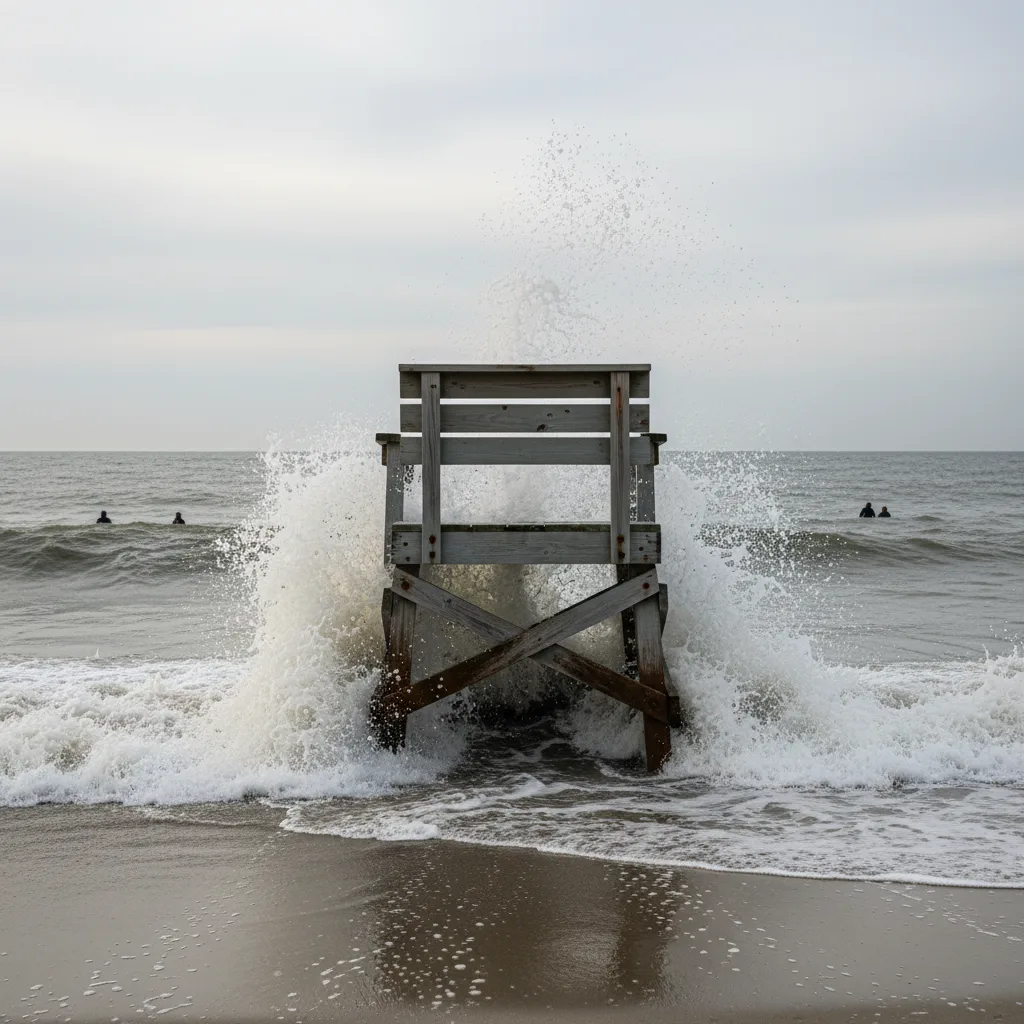
Rockaway Beach Shoreline Battered by Intense Waves Amid Waterspouts
Rockaway Beach experienced intense waves battering its shoreline on November 23, 2026, as waterspouts were spotted over the San Francisco Bay amid severe weather.
Queens Officials Seek Rezoning for 10-Story Rockaway Beach Rental
Queens officials are seeking rezoning approval for a 10-story, 70-apartment rental building at 2-28 Beach 87th Street in Rockaway Beach, according to a November 23, 2026 report.
Ozone Park Fire District Faces New Sexual Assault Allegations
New sexual assault allegations, along with claims of abuse, discrimination, and a hostile workplace, are rocking a Long Island fire district as of November 23, 2026.
Rockaway Beach 10-Story Apartment Rental Seeks Rezoning Approval
A developer is seeking rezoning approval for a 10-story, 70-apartment rental building with 18 affordable units at 2-28 Beach 87th Street in Rockaway Beach.
National Weather Service Forecasts Rain and 55°F Low for Howard Beach
The National Weather Service forecasts a low of 55°F tonight for Howard Beach, with a 30 percent chance of rain mainly before 10 p.m.