


US Commerce Department Finalizes Steep Solar Duties from Asia
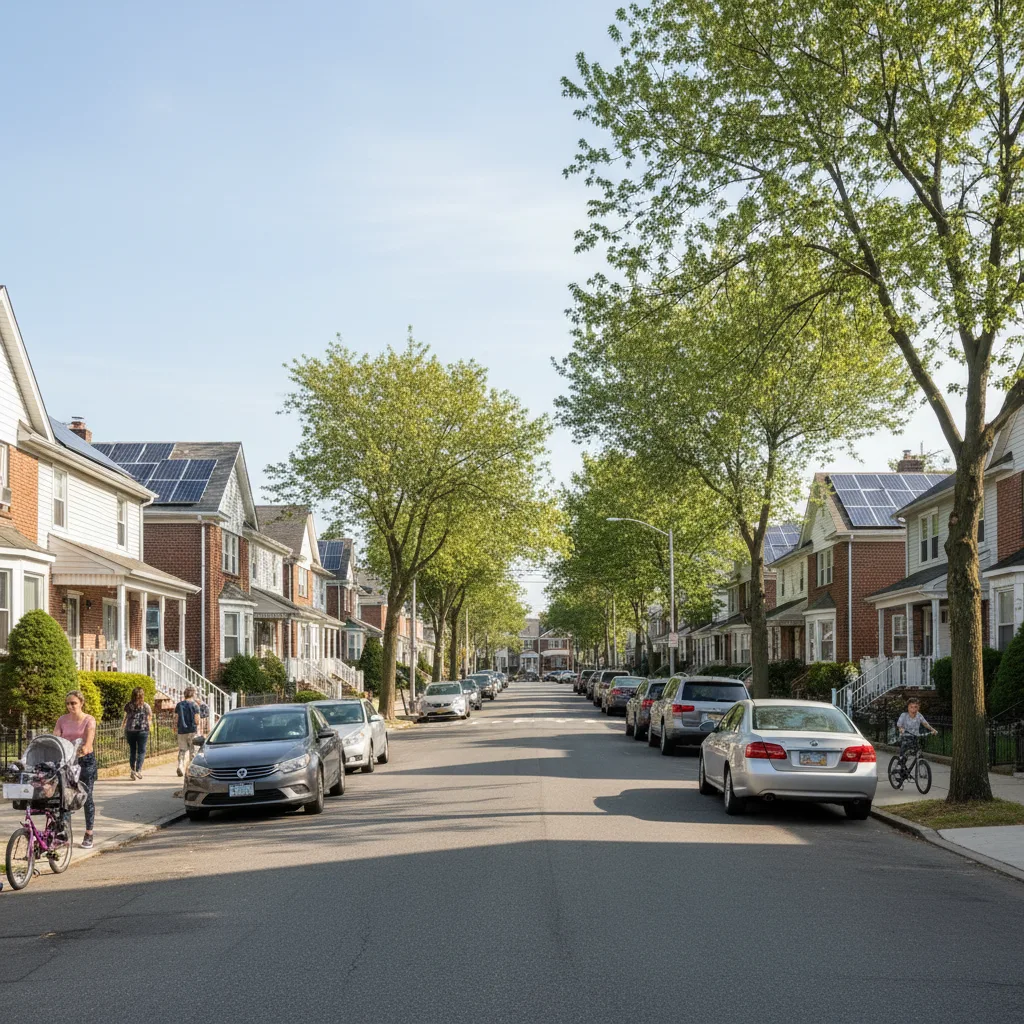
NEW YORK — The U.S. Commerce Department finalized sharply higher duties on solar cells and panels from India, Indonesia, and Laos on Tuesday, citing concerns over dumping and subsidies. This decision could significantly impact clean-energy supply chains and international trade relations, with local implications for Cross Bay Boulevard residents.
Cross Bay Boulevard Faces Rising Solar Costs
Local residents and businesses along Cross Bay Boulevard in Queens are discussing the potential fallout from the new duties. Many are concerned about what this means for electric bills, the cost of rooftop solar installations, and local contractors who specialize in home upgrades, according to community discussions. Small business owners and commuters in Queens are viewing it as another instance where global trade disputes directly affect everyday expenses and neighborhood conversations.
Impact on Local Contractors and Homeowners
The finalized duties are expected to increase the cost of solar components, which could deter homeowners on Cross Bay Boulevard from investing in solar energy. Local contractors who rely on these imported panels may see their project costs rise, potentially impacting their profitability and the affordability of solar power for residents. This could slow the adoption of renewable energy in the area, a goal many Queens communities support for environmental and economic reasons. Residents have already been anxious about trade disputes affecting local costs, as previously seen with the Red Sea shipping crisis earlier this year.
Global Trade Dynamics and US-Asia Relations
The Commerce Department's decision follows an extensive investigation into alleged unfair trade practices. The department determined that manufacturers in these countries were selling solar products at less than fair value and receiving actionable subsidies. The move aims to protect domestic solar manufacturers but has sparked criticism from some corners of the industry who fear it could hinder the growth of solar energy in the U.S. The global nature of this decision means its effects will be felt far beyond American shores, influencing economic relations across Asia and the broader clean energy market.
Supply Chain Adjustments Expected in 2026
Industry experts anticipate that solar panel importers and installers will need to adjust their supply chains in 2026 to mitigate the impact of these new duties. This could involve seeking alternative suppliers from countries not subject to the tariffs or absorbing some of the increased costs. Such adjustments could create temporary instability in the solar market, potentially affecting pricing and availability for consumers. For Queens contractors, this means carefully navigating new procurement strategies to keep projects on track.
Cross Bay Boulevard Community Discussions on Economic Ripples
Conversations along Cross Bay Boulevard often gravitate to how global events translate into local economic realities. The solar duties are no exception, with residents discussing the story over coffee in local bodegas and community centers. There's a practical anxiety about how these decisions, made far from Queens, can influence their household budgets and the viability of small businesses. The community’s reaction highlights a broader awareness that international trade policies have direct, tangible effects on their neighborhoods.
Frequently Asked Questions
How will the new solar duties specifically affect electric bills for Cross Bay Boulevard residents?
The new duties on imported solar cells and panels are likely to increase the upfront cost of installing rooftop solar systems for Cross Bay Boulevard residents. While the direct impact on existing electric bills will depend on individual energy consumption and current utility rates, higher installation costs could mean fewer residents opting for solar, thus missing out on potential long-term savings on electricity from renewable sources. The U.S. Commerce Department's goal is to boost domestic manufacturing, but the immediate effect for consumers may be elevated pricing for solar projects.
What are local contractors in Queens doing to adapt to rising solar panel costs?
Local solar contractors serving the Cross Bay Boulevard area are expected to explore various strategies, including sourcing panels from countries not affected by the new tariffs or negotiating better deals with domestic suppliers. They may also adjust project bids to reflect the increased material costs, which could impact consumer demand. Contractors are closely monitoring the situation to determine the most cost-effective ways to continue providing solar solutions while maintaining competitive pricing for their Queens clientele. Many small businesses are already feeling pressure from various global economic shifts, according to local business associations.
Written by
Newstrix
Cross Bay Current
Related Articles
More in Local Economy & Business →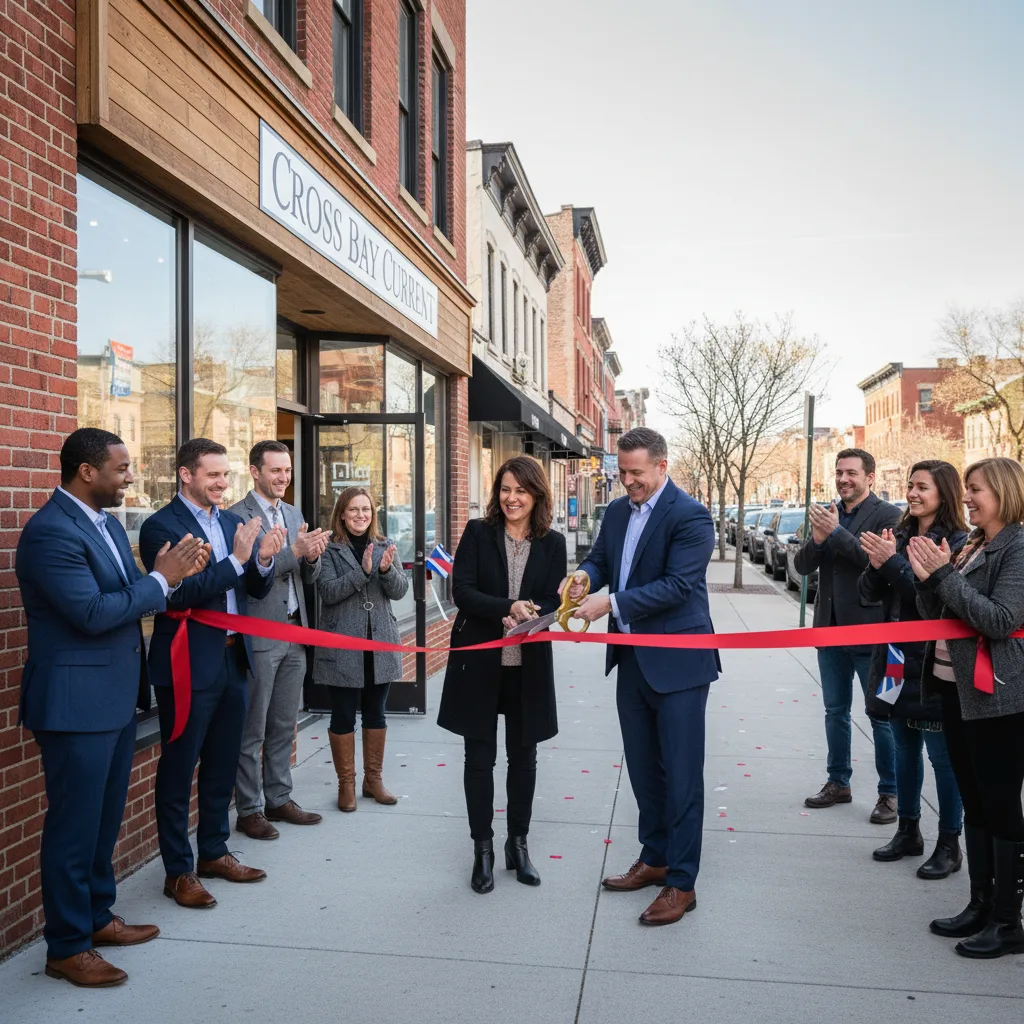
Cross Bay Boulevard Welcomes New Business with Grand Opening
A new business officially opened at 156-36 Cross Bay Boulevard with a ribbon-cutting ceremony on Friday, September 18, 2026, signaling local growth.
Iran's Foreign Minister Travels to China Amid West Asia Tensions
Iran's foreign minister travels to China amid West Asia tensions. Cross Bay Boulevard residents worry about oil prices, shipping, and local family budgets.
Queens Residents Brace for Trade Shocks as WTO Warns of Risks
The WTO warns of major global trade risks. Queens residents on Cross Bay Boulevard worry about rising prices for groceries and imports, preparing for supply delays.

Saudi Arabia Forms Maritime Coalition, Cross Bay Boulevard Reacts
Saudi Arabia launched a maritime coalition to protect shipping lanes. Cross Bay Boulevard residents fear higher prices and trade disruption if global tensions escalate.

Irish Whiskey Tariff Removal: Queens Businesses Eye Trade Impact 2026
Donald Trump announced plans to scrap the 10% tariff on Irish whiskey, a move that could impact Queens businesses along Cross Bay Boulevard and influence consumer prices.

Queens Residents Discuss Trump's Stance on Chinese Car Manufacturing
Cross Bay Boulevard residents discuss Trump’s stance on Chinese car manufacturing in the US, debating impacts on local jobs and vehicle prices.