


Trump Rejects Iran’s Strait of Hormuz Proposal Amid Global Tensions
NEW YORK — President Trump formally rejected Iran’s proposal to reopen the Strait of Hormuz on Saturday, deeming it unacceptable. This decision intensifies a global standoff over the critical oil shipping route, raising fears of wider regional disruption. The announcement came amidst escalating tensions between the two nations.
White House Stance on Iranian Proposal
The U.S. president's refusal of Iran's overture underscored the administration's firm stance on regional security and international shipping lanes. The Strait of Hormuz, a narrow waterway connecting the Persian Gulf to the open ocean, is vital for global oil supplies. Approximately one-fifth of the world's oil transits through the strait daily.
The White House indicated that Iran's proposal did not adequately address international concerns regarding maritime safety and freedom of navigation. Diplomatic efforts to de-escalate tensions remain ongoing, but the immediate rejection signals a continued hard line from the U.S. government, as reported by CNN.
Queens Residents Watch Oil Prices and Global Conflict
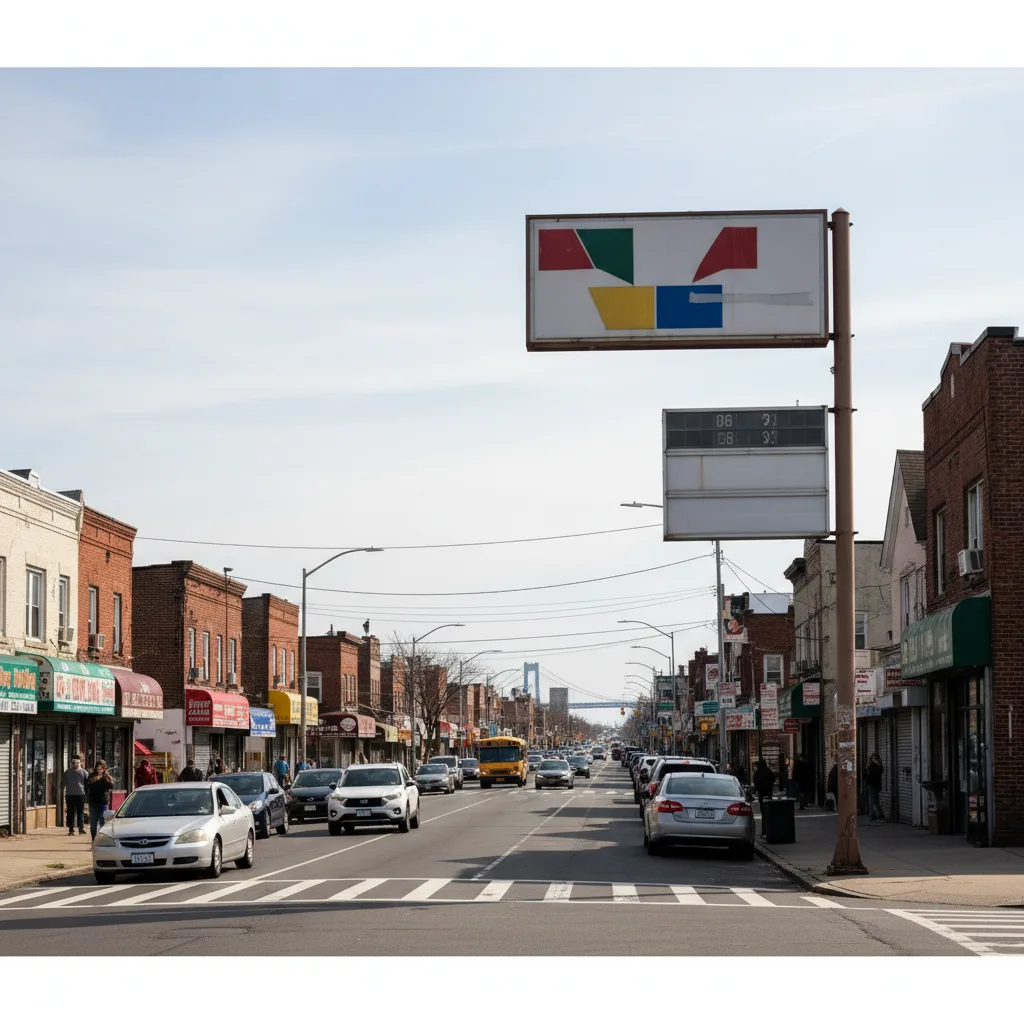
Cross Bay Boulevard residents, along with those across Queens, are closely monitoring the developments due to potential impacts on gas prices and shipping delays. Local drivers and small-business owners frequently view such international incidents through the lens of everyday expenses, making conversations cautious and immediate. The prospect of higher household costs is a prevalent concern.
Concerns about global supply chain disruptions have grown, particularly for a borough like Queens that relies heavily on imported goods. Any prolonged instability in key shipping routes could ripple through local economies, affecting everything from grocery prices to consumer goods availability. The community response to global events often highlights local economic vulnerabilities.
Geopolitical Stakes and Regional Stability
Geopolitical analysts have emphasized the high stakes involved in the Strait of Hormuz dispute. A prolonged closure or conflict in the area could significantly disrupt global energy markets, impacting economies worldwide. The region's stability is paramount for preventing broader economic and political crises.
International bodies have called for restraint and diplomatic solutions to avoid military escalation. The U.S. and its allies maintain a naval presence in the region to safeguard maritime interests. The current standoff is viewed as a test of international resolve in protecting crucial trade routes. Prior global events often have a direct impact on local Queens residents, as seen in recent discussions about global conflicts.
Impact on Global Oil Markets and Shipping
The rejection of Iran's proposal sent ripples through global oil markets, with early indicators suggesting potential price volatility. While immediate spikes were not observed, traders are closely watching for any escalation that could restrict oil flow. The uncertainty surrounding the strait's future remains a significant factor.
Shipping companies operating through the Persian Gulf are also re-evaluating their strategies and contingency plans. Delays and increased insurance premiums for vessels could translate into higher costs for consumers globally. The interconnectedness of global trade means local impacts are often unavoidable.
Community Concerns Along Cross Bay Boulevard
Along Cross Bay Boulevard, residents expressed a mix of concern and frustration over how international conflicts can directly influence their wallets. Conversations in local diners and shops often revolve around the practical implications, such as the rising cost of living. There is a palpable sense of apprehension about further economic pressures.
Many small business owners feared that increased shipping costs could erode their already thin profit margins, forcing them to adjust prices. This direct link between international politics and local commerce is a frequent topic of discussion in Queens neighborhoods. The Strait of Hormuz standoff adds another layer of complexity to these economic anxieties.
Frequently Asked Questions
Why is the Strait of Hormuz considered so critical for global oil shipping?
The Strait of Hormuz is critically important because approximately 20% of the world's petroleum—including oil and liquefied natural gas—passes through it daily, making it the world's most important oil transit chokepoint. Any disruption there could cause significant spikes in global energy prices and impact economies worldwide.
How might this rejection affect gas prices for Cross Bay Boulevard residents?
This rejection by the U.S. President could lead to increased volatility in global oil markets, potentially driving up crude oil prices. For Cross Bay Boulevard residents, this would likely translate to higher gas prices at the pump, directly impacting daily commutes and household budgets if the situation escalates further.
What diplomatic options are being pursued to resolve the standoff with Iran?
Diplomatic efforts to resolve the standoff with Iran typically involve international mediation and multilateral talks aimed at de-escalation. While the U.S. rejected Iran's latest proposal, channels for dialogue through allies and international organizations remain open to seek a resolution that ensures regional stability and safe passage through the Strait of Hormuz.
Written by
Newstrix
Cross Bay Current
Related Articles
More in Government & Politics →
US Officials See Chinese Invasion of Taiwan Unlikely Before 2028
US officials now believe a Chinese invasion of Taiwan is unlikely before 2028, a shift in assessment. This impacts global stability and trade, easing immediate concerns.

Iraqi Officials Announce US-Led Coalition Mission Concluded 2026
Iraqi officials announced the US-led coalition's combat mission against ISIS has concluded, marking a major shift. This impacts regional security and the future of anti-terrorism efforts.

Defense Secretary Unveils New Autonomous Warfare Command 2026
Pentagon unveils new Autonomous Warfare Command in 2026, boosting AI in defense. Cross Bay Boulevard residents discuss job impacts and safety, debating AI's role.
Queens Residents Express Concerns Over US Immigration Policy Changes
Queens residents face potential impacts from a Supreme Court ruling allowing the Trump administration to resume third-country deportations.

Global News Fuels Ukraine War Anxiety Along Cross Bay Boulevard
Global news of Ukraine war escalation, with Putin's army expansion and North Korean troop deployments, heightens anxiety for Cross Bay Boulevard residents.

Trump Administration Denies Iran Sanctions Relief Report, Igniting Local Debate
Trump administration denies Iran sanctions relief report, sparking local debate in Queens over gas prices and Middle East stability. Residents fear economic impacts.