


US Strikes in Iran Fuel Anxiety Among Queens Residents on Escalation

NEW YORK — Overnight U.S. airstrikes in Iran, which Tehran quickly labeled a violation of the ceasefire, have fueled widespread anxiety and intense debate among Queens residents. The strikes, reported by CBS News, raise fears of escalation and complicate fragile efforts to stabilize the Middle East, a region deeply connected to many immigrant communities across the borough.
Conversations in local cafes, mosques, and family homes along Cross Bay Boulevard and throughout Queens reflect a mix of concern, frustration, and apprehension. Many residents are closely watching the news, debating whether the U.S. action makes a lasting ceasefire less likely or pushes the region closer to a larger, more devastating conflict.
Debating the Implications of Military Action
The U.S. Department of Defense confirmed the “self-defense strikes” were a response to recent attacks on U.S. personnel in the region. However, Iran immediately condemned the actions, accusing Washington of sabotaging peace efforts. This conflicting narrative leaves many Queens residents feeling uncertain about the future.
“It’s a very sensitive situation, and I worry about what comes next,” shared Mr. Hassan Ali, owner of a Middle Eastern bakery on Steinway Street in Astoria, whose family often visits friends in Ozone Park. “My customers talk about it all day, wondering if this will bring more instability.” The concerns are particularly acute among communities with direct ties to Iran, Iraq, and other affected nations.
Historical Echoes and Community Trauma
For many Queens residents, particularly those from the Middle East, the news of strikes evokes painful memories of past conflicts and geopolitical upheavals. The borough has absorbed waves of immigrants and refugees fleeing violence, and any hint of new conflict reignites collective trauma. The feeling of insecurity, even from afar, is palpable.
“We’ve seen this before, and it rarely ends well,” noted Dr. Amina Khan, a professor of international relations at Queens College and a Bayside resident, whose observations are often shared in community forums in areas like Howard Beach. “There’s a deep fear that current events are simply repeating history, with devastating consequences for ordinary people.” Information about the strikes is readily available from CBS News World.
Local Leaders Call for Diplomacy and De-escalation
Local elected officials and community leaders have called for immediate diplomatic efforts to de-escalate tensions. They emphasize the need for a peaceful resolution that prioritizes civilian lives and regional stability. Many worry about the humanitarian impact of any prolonged conflict.
City Council Member Shahana Hanif, representing parts of Brooklyn with a large Muslim population, issued a statement calling for restraint and a renewed commitment to peace. Her sentiments resonate with many in Queens who advocate for diplomatic solutions over military intervention. These calls for peace are also heard among residents discussing North Korea missile launches.
The Cross Bay Boulevard Connection
While Astoria or Jackson Heights might seem more overtly impacted, the interconnectedness of Queens means that these discussions permeate all neighborhoods. Families across the borough, including those living off Cross Bay Boulevard, share concerns through social networks, religious gatherings, and local media. The sense of a globalized community ensures that no major international event goes unnoticed or undiscussed.
Local community centers, such as the Al-Khoei Benevolent Foundation in Jamaica, have reported increased inquiries and discussions among members seeking to understand the implications of the strikes. These institutions often serve as vital hubs for processing and disseminating information, providing comfort and community to those affected by world events.
What Does This Mean for Cross Bay Boulevard Residents?
How are Queens residents reacting to the U.S. strikes in Iran? Residents are expressing significant anxiety about the potential for escalation, debating whether the strikes hinder or help ceasefire efforts. Discussions are frequent in community spaces, reflecting deep concern over regional stability.
Are there local resources for residents seeking information or support? Local community centers, religious institutions, and cultural organizations often provide forums for discussion and disseminate information from trusted news sources. Residents are encouraged to reach out to these groups for support.
What are local officials saying about the situation? Local elected officials are primarily advocating for diplomatic solutions and de-escalation, urging the federal government to prioritize peace. They recognize the profound impact these international events have on their constituents.
How does this news impact everyday conversations in neighborhoods like Howard Beach? In neighborhoods like Howard Beach and Ozone Park, where residents maintain diverse backgrounds, the strikes become part of daily conversations at shops, over dinner, and on social media, often leading to comparisons with past conflicts and expressions of anxiety about the future.
Written by
Newstrix
Cross Bay Current
Related Articles
More in National & World →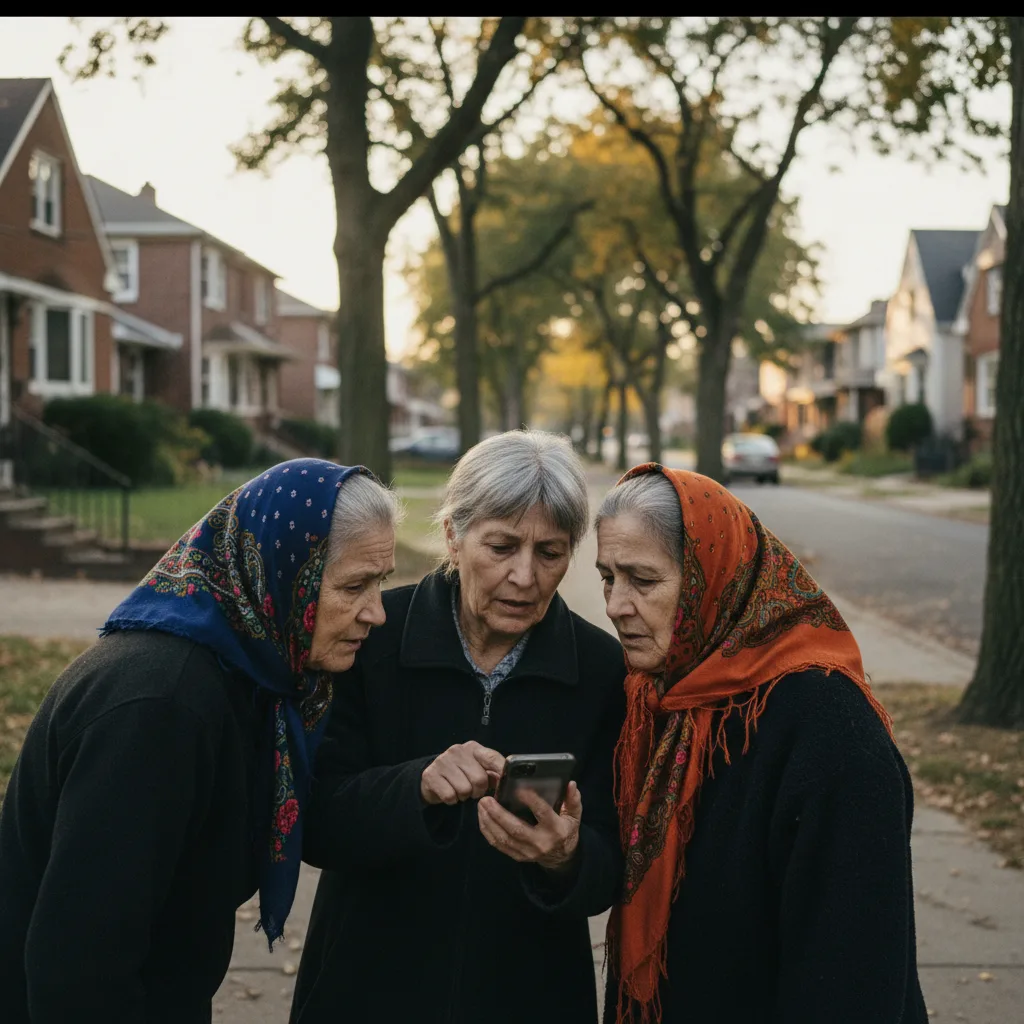
Cross Bay Boulevard Residents React to Ukraine War Strikes in Kyiv
Cross Bay Boulevard residents express deep concern and sympathy following Russian strikes in Kyiv and Odesa that injured 13 people.
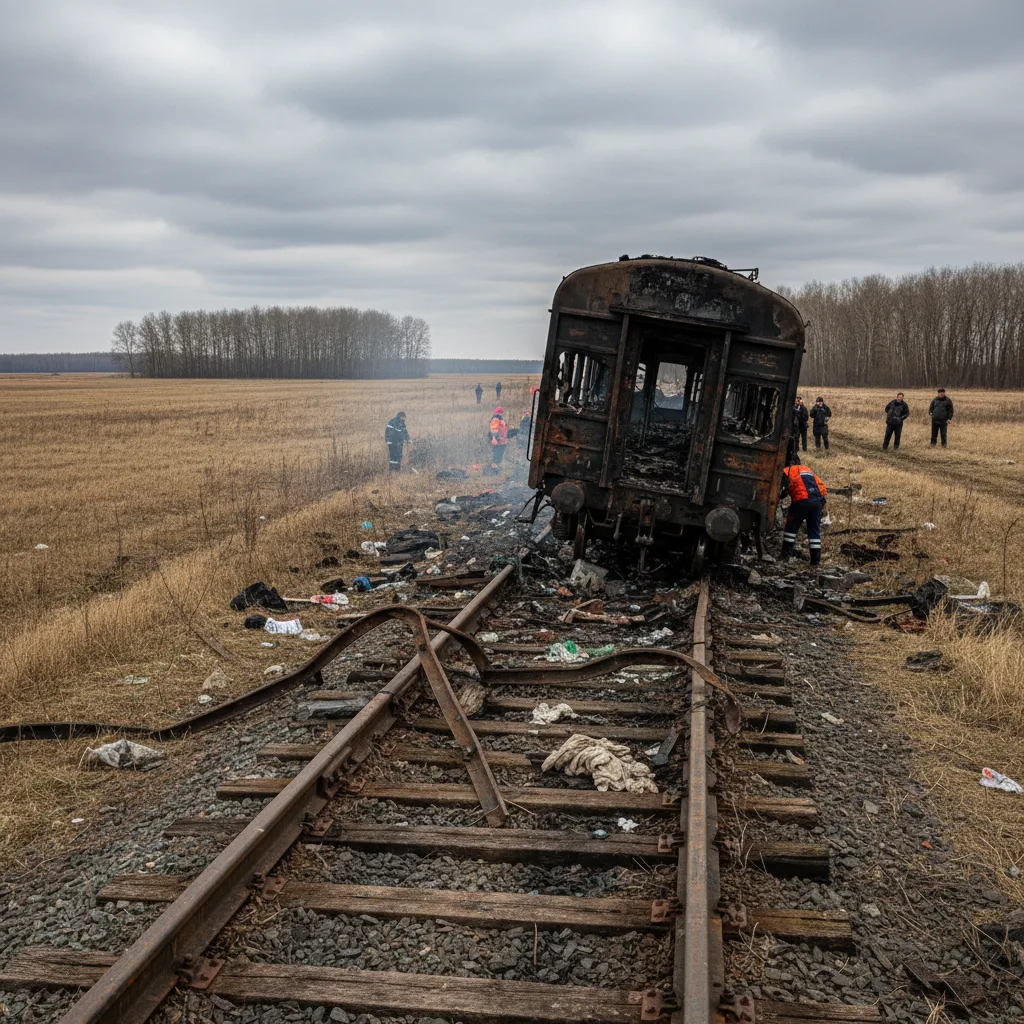
Russian Drone Strikes Ukraine Train After Johnson Visit, Global Alarm Rises 2026
A Russian drone struck a Ukrainian train after Boris Johnson passed through, fueling global alarm. Queens residents watch the impacts of distant conflicts.
Indonesian Ferry Disaster Leaves About 130 Missing in Java Sea
An Indonesian ferry sank in bad weather in the Java Sea, leaving about 130 missing. Cross Bay Boulevard residents express sympathy and concern over travel safety.
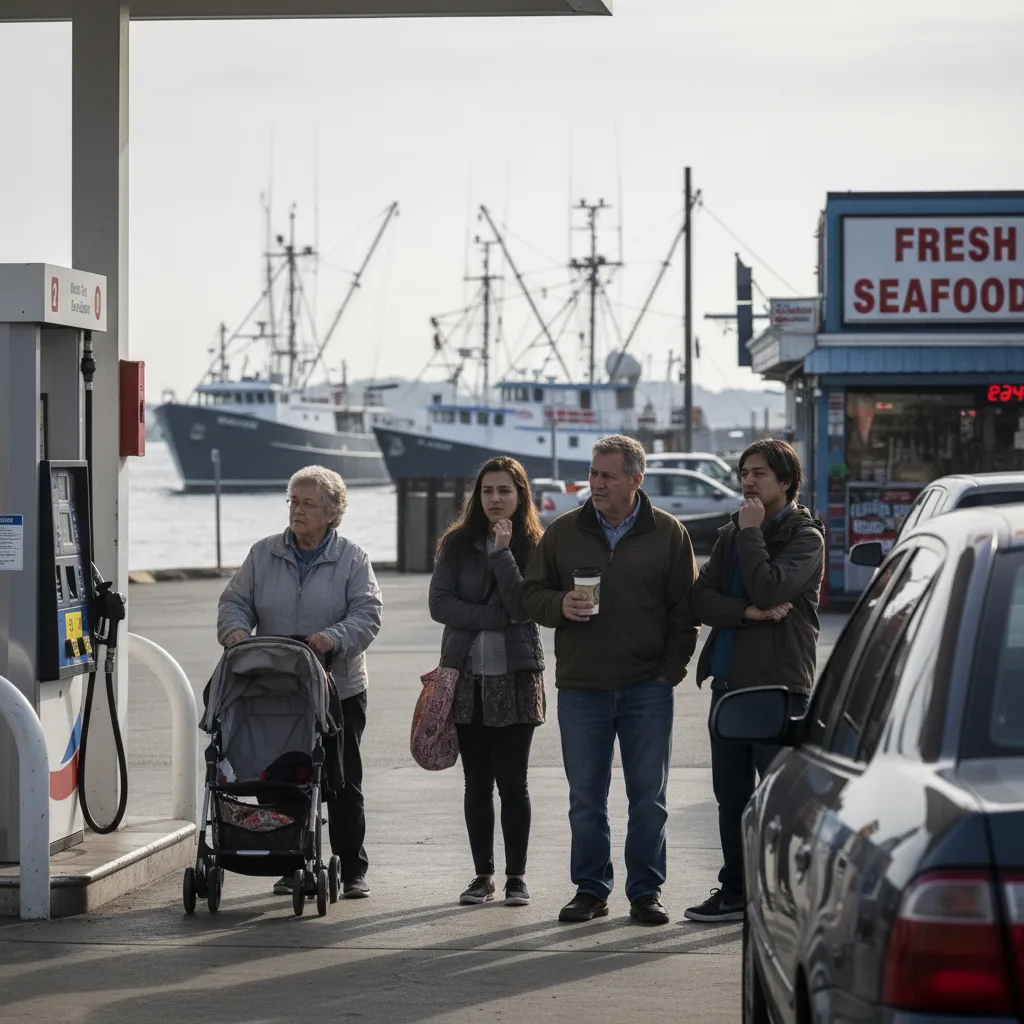
Iranian Commercial Vessel Struck in Strait of Hormuz, One Killed
An Iranian commercial vessel was struck in the Strait of Hormuz, killing one. Cross Bay Boulevard residents fear higher gas prices and shipping delays.
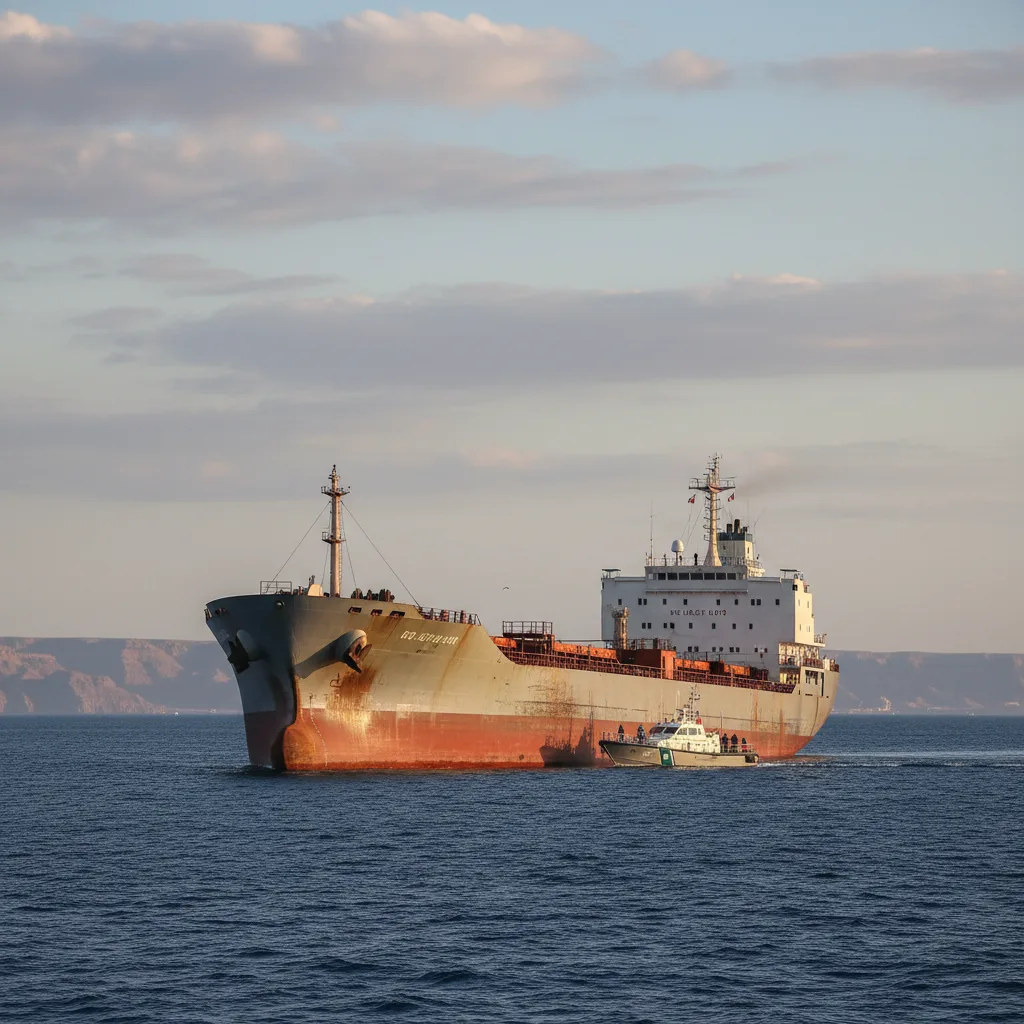
Merchant Vessel Struck Near Iran, One Fatality Reported
A merchant vessel was struck near Iran’s Strait of Hormuz, killing one and injuring three. The incident raises local concerns about gas prices and shipping disruptions.
Cross Bay Boulevard Residents Anxious Over Zelenskyy Drone Incident
Cross Bay Boulevard residents react with anxiety and fatigue after Ukrainian President Zelenskyy's plane nearly hit by a drone near Moldova.