


US Waives Russian Oil Sanctions, Affecting Queens Supply Chains

NEW YORK — A recent economic report indicates the United States has adjusted its sanction policies by extending a waiver on Russian oil sanctions. This significant policy shift, announced to address supply shortages caused by ongoing international conflicts, is already sparking discussions among Queens import-export businesses and logistics operators.
The diplomatic adjustment aims to stabilize global energy markets, but its ripple effects are poised to influence local pricing structures and supply chain resilience within the borough. Residents are debating the trade-offs between sanctions enforcement and energy security.
Policy Shift to Stabilize Global Markets
The US Department of State confirmed the sanctions waiver, citing the need to prevent further escalation of energy prices and shortages that could cripple global economies. The decision represents a pragmatic approach to a complex geopolitical situation, where the conflict in the Middle East has severely constrained oil supplies.
“This waiver is a strategic move to prevent a global energy meltdown,” explained Dr. Ethan Cole, a senior policy analyst at the Council on Foreign Relations, speaking from his office in Manhattan. “While the intent is to stabilize prices, the actual impact on consumer costs in places like Queens will depend on a myriad of factors, including crude oil supply and demand dynamics.”
Officials indicated that the waiver is temporary, intended to bridge immediate supply gaps and provide flexibility until alternative energy sources or diplomatic resolutions can be secured. The policy is a direct response to the volatile energy landscape exacerbated by the Strait of Hormuz closure, which has caused significant local concern among Queens gas consumers.
Local Businesses Assess Impact on Operations
Queens residents involved in import-export and supply chain businesses are actively discussing the implications of the sanctions waiver for their operations and pricing structures. Many fear that while the waiver might stabilize some prices, it could introduce new uncertainties or create uneven playing fields.
Maria Lopez, CEO of Global Cargo Solutions, a freight company operating out of JFK Airport’s cargo facilities, expressed cautious optimism. “On one hand, any measure that eases oil supply concerns is good for transportation costs,” Lopez noted. “But we also need clarity on how long this waiver will last and what it means for long-term strategic planning. Consistency is key for businesses managing complex logistics.” Her company ships goods through various global ports.
Local political discussions have emerged across the borough about whether this policy shift will effectively keep energy costs manageable for everyday families and small enterprises. Community boards in areas like Howard Beach and Ozone Park are hosting public forums to gather resident feedback and discuss potential advocacy efforts.
Debating Sanctions Enforcement vs. Energy Security
Community members are debating the trade-offs inherent in the decision. Some argue that extending waivers undermines the effectiveness of sanctions as a foreign policy tool. Others contend that economic stability for American families must take precedence during periods of international crisis.
“It’s a tough choice, balancing moral imperatives with practical realities,” said Arthur Greene, a retired educator from Lindenwood who attends many community meetings. “We want to support sanctions that promote peace, but we also can’t ignore how soaring energy costs impact our neighbors’ ability to pay their bills.” Greene cited his own fixed income as particularly vulnerable to price spikes.
The federal government’s decision reflects a broader strategy to navigate global energy complexities while attempting to shield American consumers from excessive price volatility. The policy framework for this waiver, including its specific duration and conditions, was detailed in an official press release by the Department of State and covered by ABC News International.
Frequently Asked Questions About Russian Oil Sanctions Waiver
The US government's decision to extend a waiver on Russian oil sanctions is prompting many questions among Queens residents and businesses. This policy aims to address global oil shortages caused by international conflicts, thereby stabilizing energy markets. For Queens, the implications include potential effects on gas prices, which could become more manageable, and shifts in pricing structures for import-export businesses. Many businesses are evaluating how this temporary waiver will impact their supply chains and operational costs. The decision has also sparked local political discussions about the balance between enforcing international sanctions and ensuring energy security for American households. Community members are debating the long-term effectiveness of such waivers and their impact on global diplomatic efforts, while local officials seek to understand the full economic consequences for Queens.
Written by
Newstrix
Cross Bay Current
Related Articles
More in National & World →
Cross Bay Boulevard Residents React to Ukraine War Strikes in Kyiv
Cross Bay Boulevard residents express deep concern and sympathy following Russian strikes in Kyiv and Odesa that injured 13 people.
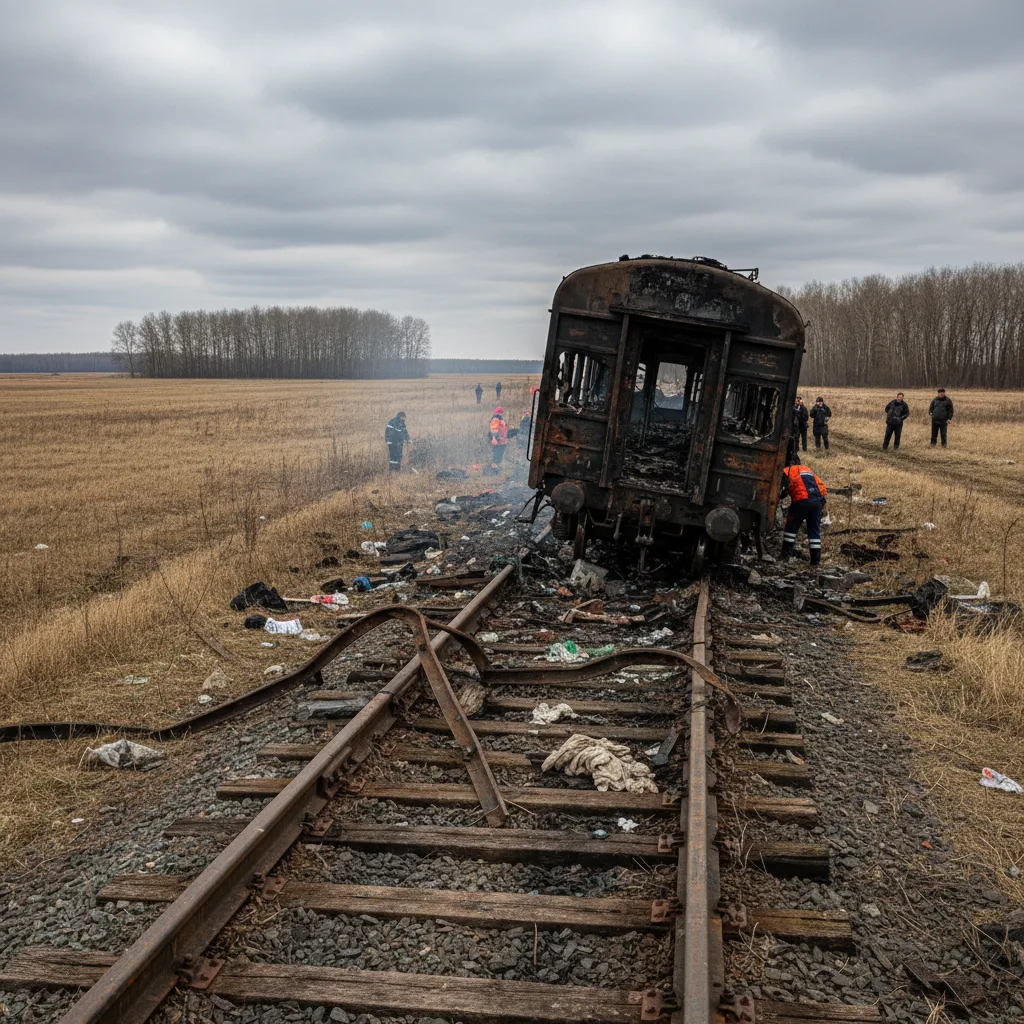
Russian Drone Strikes Ukraine Train After Johnson Visit, Global Alarm Rises 2026
A Russian drone struck a Ukrainian train after Boris Johnson passed through, fueling global alarm. Queens residents watch the impacts of distant conflicts.

Indonesian Ferry Disaster Leaves About 130 Missing in Java Sea
An Indonesian ferry sank in bad weather in the Java Sea, leaving about 130 missing. Cross Bay Boulevard residents express sympathy and concern over travel safety.
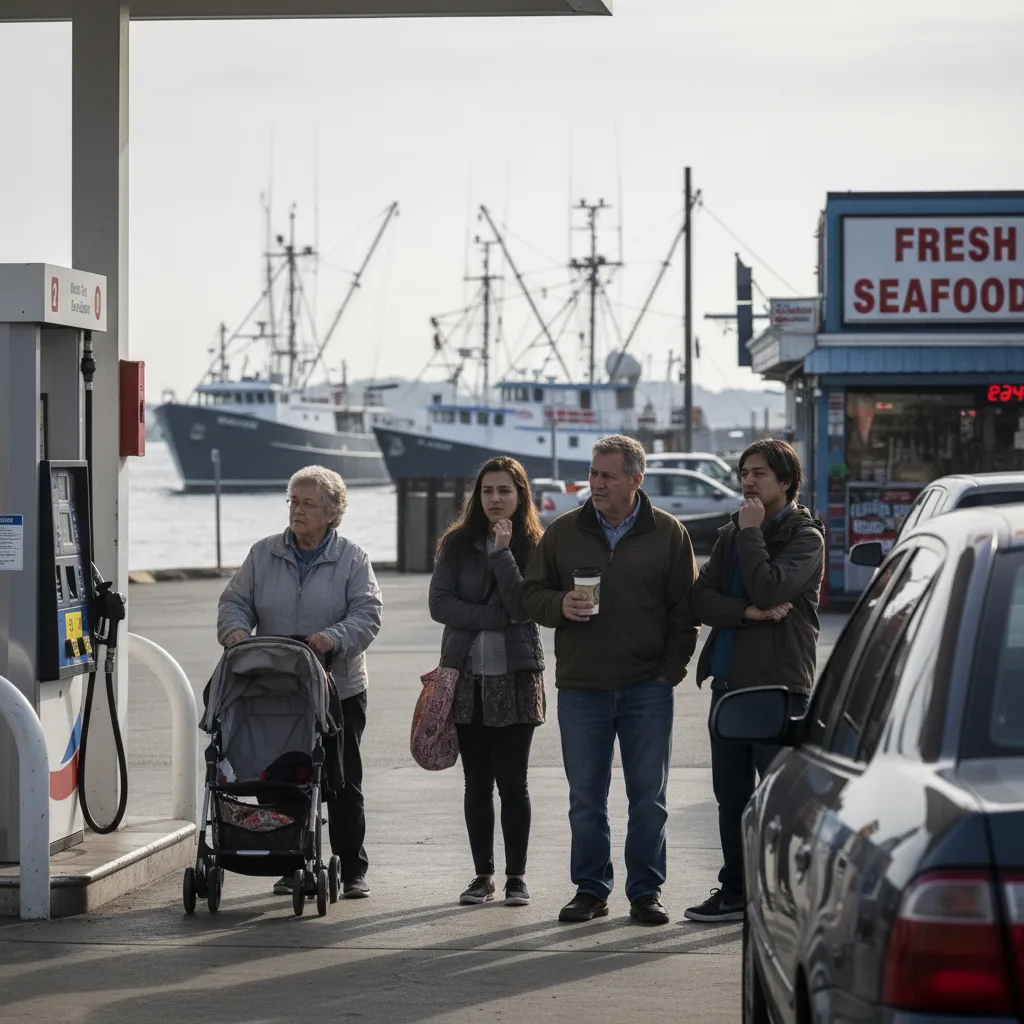
Iranian Commercial Vessel Struck in Strait of Hormuz, One Killed
An Iranian commercial vessel was struck in the Strait of Hormuz, killing one. Cross Bay Boulevard residents fear higher gas prices and shipping delays.
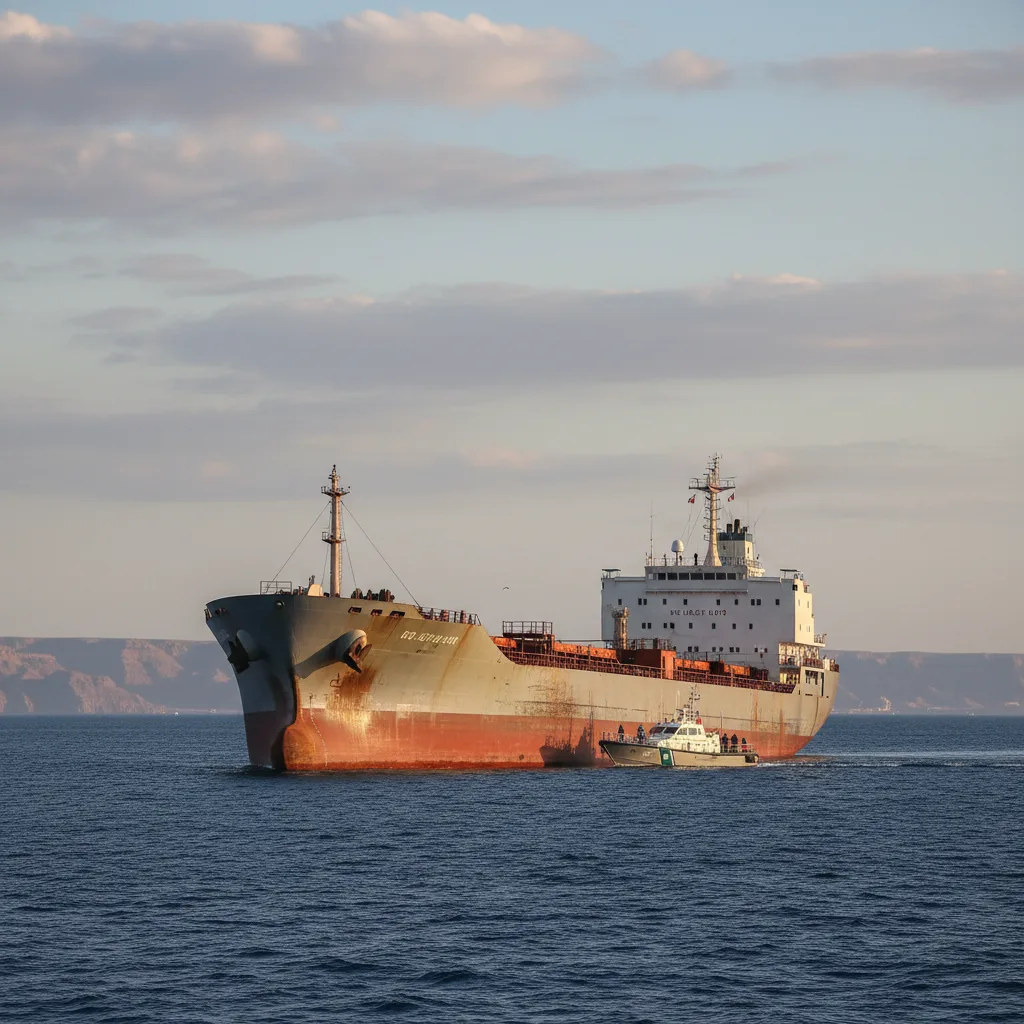
Merchant Vessel Struck Near Iran, One Fatality Reported
A merchant vessel was struck near Iran’s Strait of Hormuz, killing one and injuring three. The incident raises local concerns about gas prices and shipping disruptions.
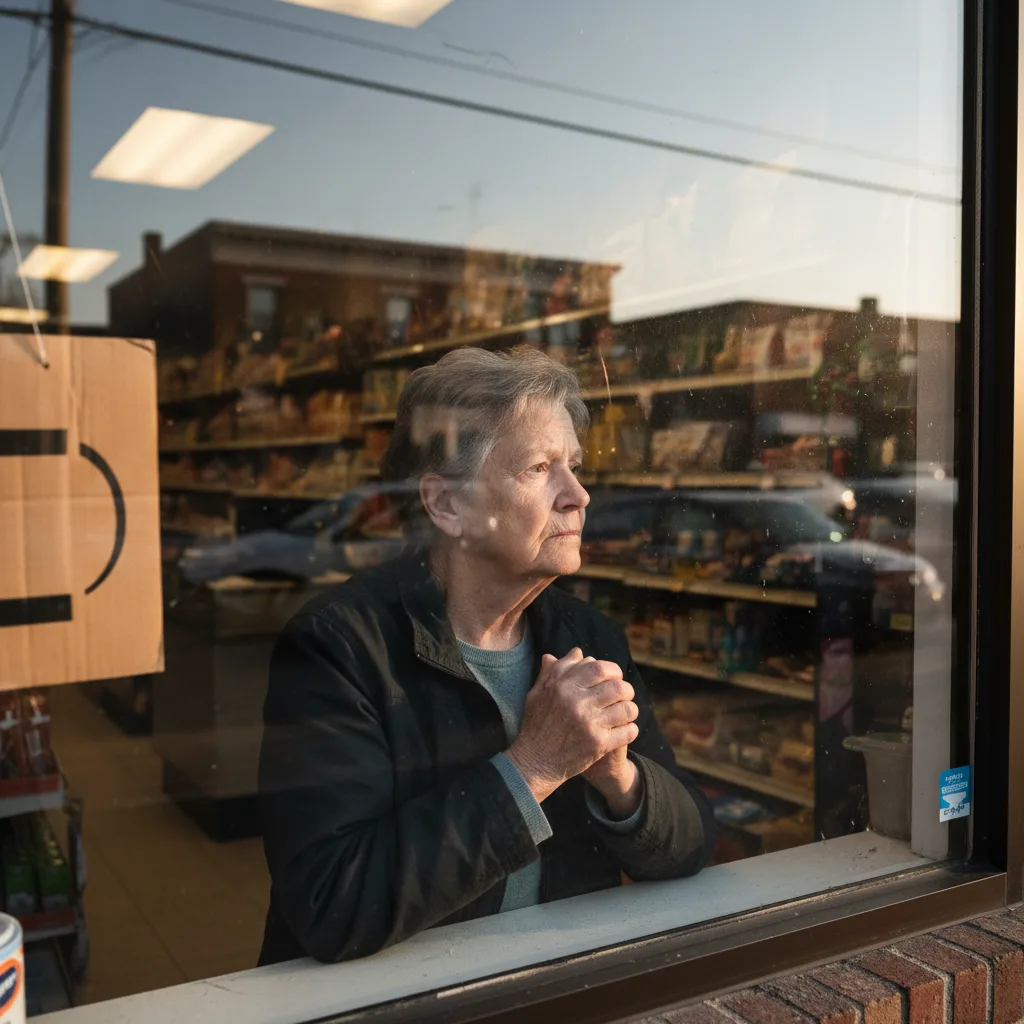
Cross Bay Boulevard Residents Anxious Over Zelenskyy Drone Incident
Cross Bay Boulevard residents react with anxiety and fatigue after Ukrainian President Zelenskyy's plane nearly hit by a drone near Moldova.