


Ancient Horseshoe Crab Awakens: Queens Eagle Explores Prehistoric Life

NEW YORK — The Queens Daily Eagle recently published a fascinating feature exploring the life cycle and ecological significance of the horseshoe crab, framing its narrative around a hypothetical ancient horseshoe crab awakening after the asteroid impact that wiped out dinosaurs. This creative approach highlights the incredible resilience and deep evolutionary history of these ancient creatures, often found along the shores of Jamaica Bay near Cross Bay Boulevard. The article, while fictionalized in its premise, draws on real scientific understanding.
The feature delves into the biological marvels of the horseshoe crab, often referred to as a "living fossil," having remained largely unchanged for over 450 million years. Its unique blue, copper-based blood is crucial for biomedical research, particularly in testing the sterility of vaccines and medical devices. The Queens Eagle’s imaginative storytelling effectively educates readers about these vital marine arthropods, often seen near Broad Channel. This creature's survival against all odds is truly remarkable.
The Asteroid Impact and Evolutionary Survival
The Queens Daily Eagle's article creatively imagines the perspective of a horseshoe crab navigating a post-asteroid world. This narrative device underscores the immense environmental upheaval that fundamentally reshaped Earth's ecosystems approximately 66 million years ago. Despite the cataclysmic event, horseshoe crabs persisted, adapting to changing conditions while numerous other species, including dinosaurs, perished.
This incredible survival story speaks to their robust physiology and adaptability. Horseshoe crabs possess a hardened exoskeleton, efficient respiratory systems, and a remarkably resilient reproductive cycle. These traits allowed them to endure multiple mass extinction events throughout geological history, making them truly ancient mariners. Their consistent presence along the Atlantic coast, including Queens, is a testament to this resilience.
Horseshoe Crabs: Ecosystem Engineers of Jamaica Bay
Beyond their ancient lineage, horseshoe crabs play a vital role in the contemporary ecosystems of places like Jamaica Bay. Their annual spawning migrations to sandy beaches, especially prominent in May and June, provide a critical food source for migratory shorebirds, particularly the endangered Red Knot. The eggs laid by female horseshoe crabs are a calorie-rich fuel for these birds on their epic journeys. Observing this natural phenomenon is a popular local pastime.
The Queens Daily Eagle’s article highlights how the health of the horseshoe crab population directly impacts the survival of these avian species, making conservation efforts around Jamaica Bay critical. The Jamaica Bay Wildlife Refuge, accessible from Cross Bay Boulevard, is a prime location for observing this ecological interaction. This delicate balance showcases the interconnectedness of species within our local environment. For more local ecological news, review our past coverage of Cross Bay News: comprehensive local coverage.
Biomedical Importance and Conservation Efforts
One of the most remarkable aspects of the horseshoe crab, as detailed by the Queens Eagle, is its unique blue blood. This blood contains a compound called Limulus Amebocyte Lysate (LAL), which is used globally to detect bacterial endotoxins in pharmaceutical products and medical implants. Without LAL, ensuring the safety of many modern medical procedures would be significantly more challenging.
This critical biomedical application has, however, put pressure on horseshoe crab populations. Conservationists and scientists, including those working with the NYC Parks Department's Natural Resources Group, are actively working on sustainable harvesting practices and exploring synthetic alternatives to LAL. Protecting these creatures is vital for both ecological balance and human health. Efforts are underway to ensure their long-term survival.
Observing Horseshoe Crabs in Queens
For Queens residents interested in experiencing these ancient creatures firsthand, the shores of Jamaica Bay, particularly around Broad Channel and the Rockaway peninsula, offer excellent viewing opportunities. Low tide during spring and early summer is the best time to observe them during their spawning season. Respecting their habitat and observing from a distance is crucial for their well-being. The spectacle of their annual migration is a local treasure.
Educational programs organized by organizations like the American Littoral Society also provide guided tours and information on horseshoe crab biology and conservation. These programs often originate from visitor centers conveniently located near Cross Bay Boulevard. Understanding and appreciating these creatures fosters a greater sense of stewardship for our local marine environment. It's a connection to deep history right in our backyard.
Frequently Asked Questions About Horseshoe Crabs
Why are horseshoe crabs called “living fossils”? Horseshoe crabs are often called “living fossils” because their physical appearance and biological structure have remained largely unchanged for over 450 million years, predating the dinosaurs. They have survived multiple mass extinction events, showcasing remarkable evolutionary stability.
What is the significance of horseshoe crab blood? Horseshoe crab blood contains Limulus Amebocyte Lysate (LAL), a vital substance used in the biomedical industry to detect bacterial endotoxins in vaccines, injectable drugs, and medical devices. Its unique properties make it indispensable for ensuring product safety.
Where can I see horseshoe crabs in Queens? Horseshoe crabs can be observed along the sandy shores of Jamaica Bay, particularly in areas around Broad Channel and the Rockaway peninsula. The best viewing times are during low tide in late spring and early summer when they come ashore to spawn. The Jamaica Bay Wildlife Refuge is a good starting point.
What threats do horseshoe crabs face? Horseshoe crabs face threats primarily from habitat loss, overharvesting for bait in the fishing industry, and the demand for their blood in biomedical testing. Conservation efforts focus on sustainable practices, habitat protection, and the development of synthetic alternatives to LAL.
How do horseshoe crabs contribute to the local ecosystem? Horseshoe crabs are critical to the ecosystem as their eggs serve as a crucial food source for migratory shorebirds, especially the endangered Red Knot, during their long journeys. They also contribute to nutrient cycling within coastal environments, benefiting other marine life. Their impact is far-reaching.
Written by
Newstrix
Cross Bay Current
Related Articles
More in Environment →
Queens Residents Discuss Nepal-China Flood Devastation
Queens residents on Cross Bay Boulevard discuss Nepal-China floods, drawing parallels to local concerns over flood-prone areas and storm preparedness.
Howard Beach Tackles Rising Tides, Coastal Flooding Concerns 2026
Howard Beach is battling rising tides and coastal flooding this week, as full and new moons combine with rain to inundate neighborhoods like Old Howard Beach, Queens. The community mobilizes against the ongoing water challenges.
Cross Bay Boulevard Residents Discuss Global Flood Preparedness
Cross Bay Boulevard residents are discussing the Nepal-China floods, prompting local concerns about flood preparedness and NYC's infrastructure in coastal areas.
Cross Bay Boulevard Families Concerned Over Nepal Flood Casualties
Queens residents along Cross Bay Boulevard are deeply concerned about the Nepal-China flood disaster, prompting local discussions on emergency preparedness and infrastructure.
Queens Neighborhoods Targeted for Voluntary Flood Buyout Programs
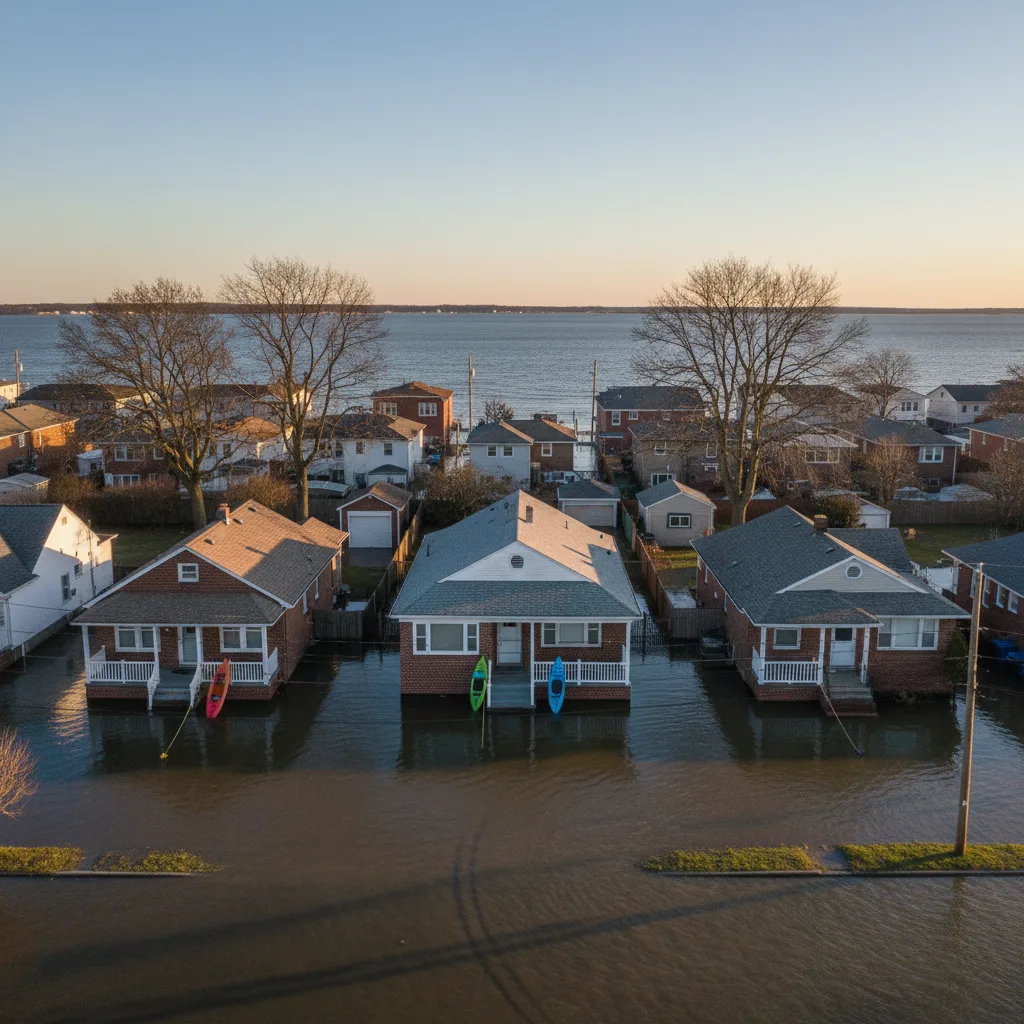
Vulnerable Queens neighborhoods, including those along Cross Bay Boulevard, may be targeted for voluntary flood buyout programs by the city. This addresses rising extreme weather concerns.
Environmental Concerns Emerge Near Cross Bay Boulevard, Queens 2026
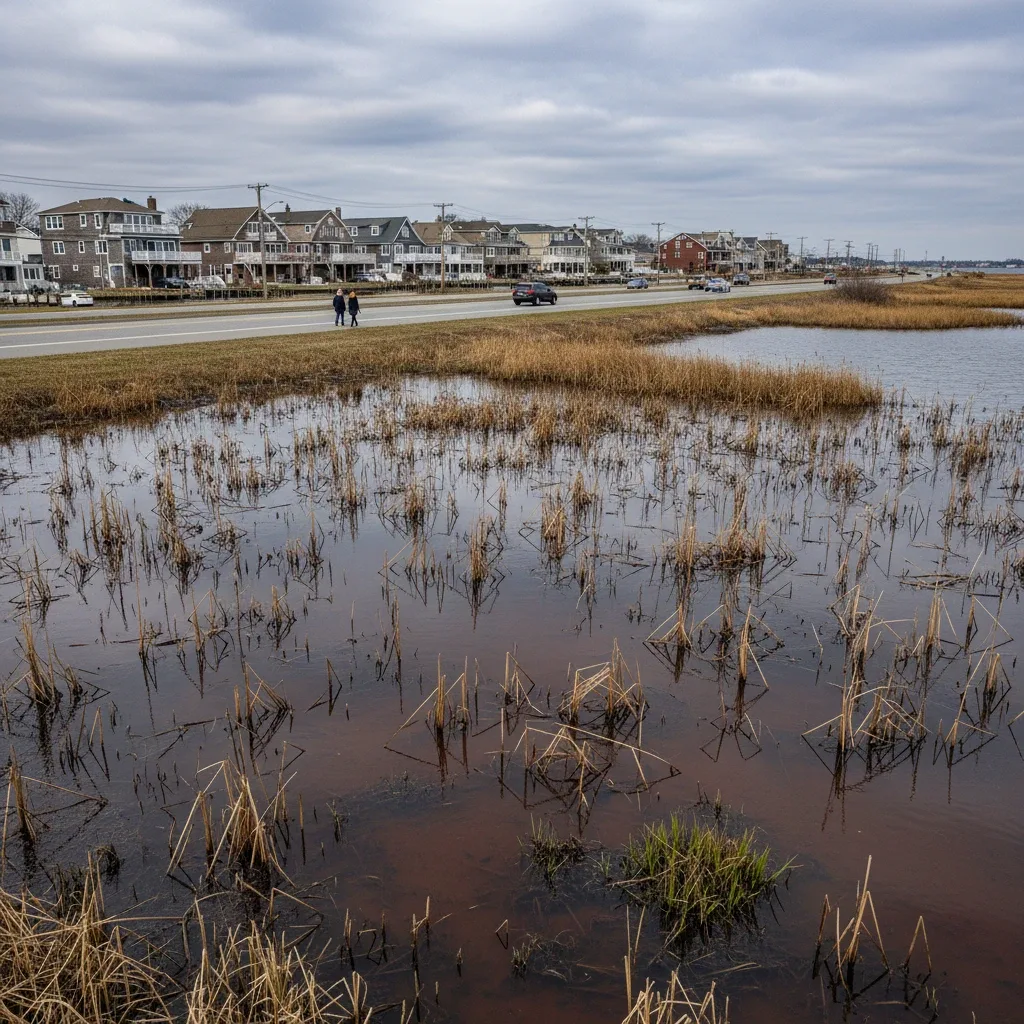
A report by New York Focus and Queens Daily Eagle uncovered pressing environmental concerns near Cross Bay Boulevard, affecting residents and ecosystems in Queens.