


Jamaica Bay Wildlife Refuge Reports 22% Increase in Invasive Species Sightings
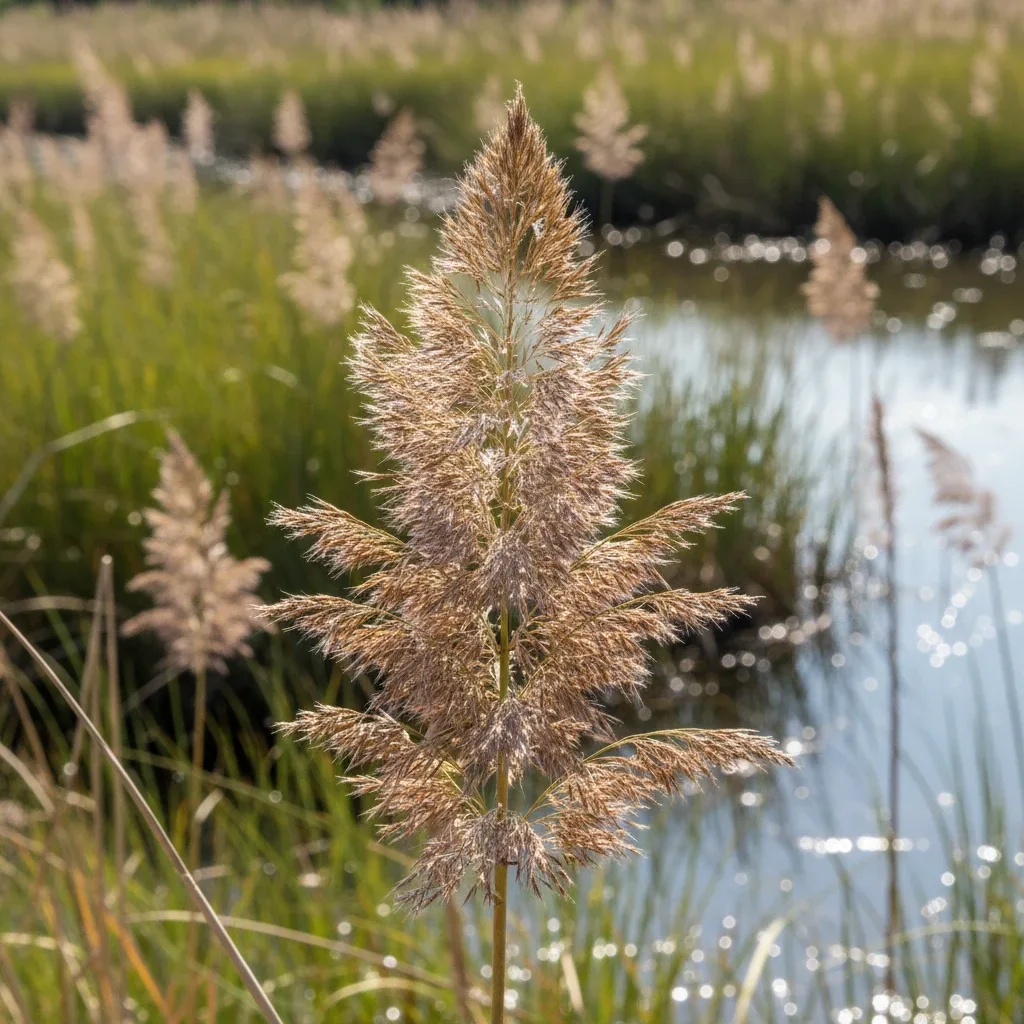
NEW YORK — The Jamaica Bay Wildlife Refuge reported a 22% increase in invasive species sightings across its 9,000 acres during the first half of 2026, according to a recent statement from the National Park Service. This significant rise marks a worrying trend for the delicate ecosystem, prompting immediate concern among environmental scientists and local conservation groups. The surge is primarily attributed to warmer winter temperatures and increased global shipping traffic impacting the region.
Escalation of Non-Native Plants and Animals Observed
The National Park Service’s preliminary data indicates a noticeable escalation in the presence of non-native plant species, such as Common Reed (Phragmites australis), and opportunistic animal invaders like the European Green Crab. These species outcompete native flora and fauna, disrupting the delicate ecological balance crucial for the refuge's biodiversity. The refuge, a vital urban oasis, faces an uphill battle to maintain its environmental integrity.
Impact on Native Habitats and Migratory Birds
The proliferation of invasive species poses a direct threat to the native habitats within Jamaica Bay, including salt marshes and grasslands essential for migratory birds. The refuge is a critical stopover point for hundreds of bird species along the Atlantic Flyway. Disruptions to these habitats can have far-reaching consequences for bird populations, impacting their feeding, nesting, and breeding grounds, as detailed by National Park Service environmental specialists.
Conservation Efforts Face New Challenges in 2026
Conservation efforts in Jamaica Bay are now facing intensified challenges due to the rapid spread of these invasive species. The National Park Service, in partnership with local environmental groups, is re-evaluating existing management strategies and exploring new methods for control and eradication. This adaptive approach is essential given the dynamic nature of ecological threats in 2026, building on past efforts like horseshoe crab conservation in Broad Channel.
Broad Channel and Howard Beach Communities Mobilize
Residents from Broad Channel and Howard Beach, communities bordering Jamaica Bay, are mobilizing to support the increased conservation efforts. Local volunteers are participating in workshops focused on identifying and removing invasive plants, as well as monitoring affected areas. Their involvement is critical for supplementing the work of park rangers and ensuring a more comprehensive response to the escalating issue.
Climate Change Factors Exacerbate Invasive Spread
Environmental experts from the National Park Service indicated that milder winters in recent years have contributed significantly to the survival and spread of invasive species. Warmer temperatures extend their growing seasons and allow them to establish themselves more firmly. This climatic shift presents a complex layer to the ongoing conservation battle in Jamaica Bay, requiring long-term, climate-informed solutions.
Research into Sustainable Control Methods Underway
Several university research teams are collaborating with the refuge to investigate more sustainable and effective control methods for invasive species. These studies include exploring biological controls, targeted herbicide applications, and restoration techniques for native habitats. The goal is to develop strategies that minimize ecological impact while maximizing effectiveness against persistent invaders.
The Future of Jamaica Bay's Biodiversity in Queens
The 22% increase in invasive species sightings represents a critical juncture for the Jamaica Bay Wildlife Refuge. The ongoing efforts by the National Park Service, coupled with dedicated community involvement, are vital for preserving this unique natural resource in Queens. The long-term health of Jamaica Bay’s biodiversity will depend on robust monitoring, adaptive management, and continued public awareness, ensuring its protection for future generations.
Frequently Asked Questions
What are the most common invasive species found in Jamaica Bay Wildlife Refuge? The most commonly observed invasive species include the Common Reed (Phragmites australis), which chokes out native vegetation in marshlands, and the European Green Crab, which preys on native shellfish and disrupts food webs. Other concerning species include various non-native insects and aquatic plants that alter the local ecosystem balance, impacting native flora and fauna.
How can local residents contribute to invasive species control efforts in Jamaica Bay? Local residents can participate in volunteer cleanup days and invasive species removal events organized by the National Park Service and partner organizations. Attending educational workshops to learn about identifying and reporting invasive species is also crucial, ensuring that early detection and rapid response efforts are bolstered by community vigilance. Additionally, avoiding the release of non-native pets or plants into the wild is critical.
Are there any specific areas within Jamaica Bay that are most affected by invasive species? While invasive species are found throughout the refuge, areas particularly vulnerable include disturbed habitats near urban interfaces, newly restored wetlands, and areas with high water flow. These locations often provide entry points and optimal conditions for non-native species to establish and spread rapidly, requiring focused and consistent management interventions by the National Park Service and volunteers.
Written by
Newstrix
Cross Bay Current
Related Articles
More in Environment →
Cross Bay Boulevard Residents Connect Bangkok Flooding to Local Concerns
Queens residents on Cross Bay Boulevard link Bangkok's flood disaster to their own local concerns about storm drains and neighborhood flood preparedness.
Your Essential Guide to the Rockaway Ocean Club in 2026
Discover what to expect at the Rockaway Ocean Club in 2026, a vibrant beachfront hub in Queens with dining, events, and community activities.
Is Howard Beach in Queens or Brooklyn? A Comprehensive Guide to This Unique NYC Neighborhood
Is Howard Beach in Queens or Brooklyn? Discover the definitive answer: Howard Beach is a vibrant Queens neighborhood with unique coastal charm.
Your Essential Guide to Roy Wilkins Park Events in 2026
Discover the essential guide to Roy Wilkins Park events in 2026, featuring concerts, festivals, sports, and nature programs for South Queens residents.
Is Howard Beach in Queens? An Essential Guide to This Vibrant NYC Neighborhood
Discover if Howard Beach is in Queens, NYC, and explore this vibrant neighborhood's unique geography, community, lifestyle, and local attractions.
Your Guide to Enjoying All Things Go Festival in 2026
Plan your 2026 All Things Go Festival experience from Queens with our comprehensive guide, covering tickets, travel, and what to expect.