


Jamaica Bay Horseshoe Crab Tracking Initiative Launches Along Corridor
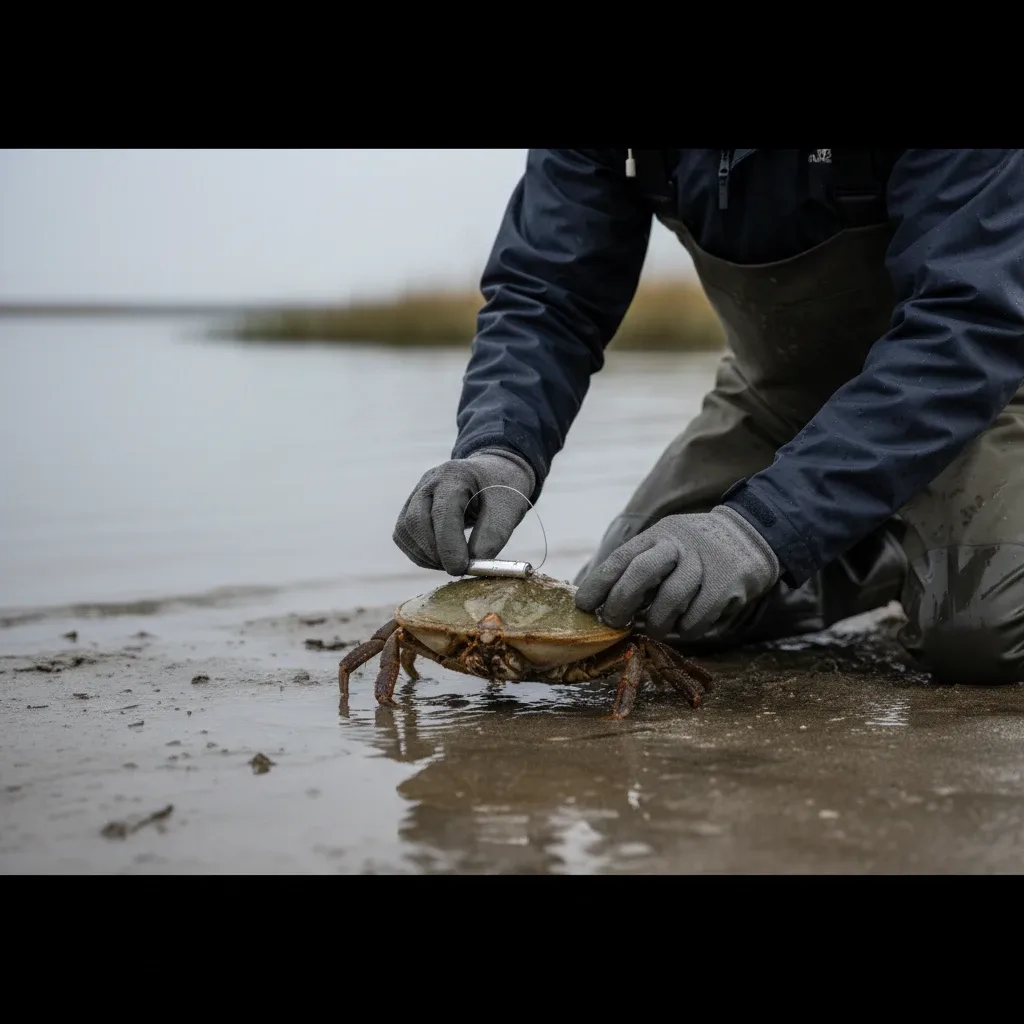
NEW YORK — The Queens Daily Eagle confirmed Tuesday that a specialized wildlife tracking initiative began tracking local prehistoric horseshoe crab populations. The study focuses on migratory patterns along the sandy marsh shorelines.
Biologists Deploy Specialized Tracking Devices along the Shoreline
Researchers from the local conservation society began affixing acoustic transmitters to mature horseshoe crabs along the shoreline. The tracking devices will transmit location data to receivers placed across the bay floor.
This technology allows scientists to map the precise movements of the species during their annual spawning season. Biologists expect the collected data to guide future habitat preservation strategies.
Environmental Groups Emphasize Ecological Role of Marine Species
"The survival of these crabs is directly linked to the health of our entire coastal ecosystem," said Dr. Sarah Jenkins, lead marine biologist at the coastal research center. Jenkins noted that horseshoe crab eggs provide a critical food source for migrating shorebirds.
Local volunteers are participating in beach surveys to count spawning crabs during high tides. Conservationists are working to raise awareness about the ecological importance of protecting nesting beaches.
Spawning Surveys and Marsh Conservation Metrics Released
Preliminary survey data indicates that nesting activity has remained stable compared to previous seasons. Biologists recorded over 1,200 spawning crabs along the eastern beaches during the latest full moon cycle.
Water quality monitoring stations are tracking temperature and salinity levels near the nesting sites. Researchers believe that changing water temperatures may influence the timing of the spawning season.
Educational Programs Engage Local Schools in Wildlife Protection
Local schools are integrating marine conservation studies into their science curriculums. Students are participating in field trips to observe the tagging process and learn about coastal biology.
These educational initiatives are often supported by community partners. For instance, the Queens secondary school science labs program provides students with advanced equipment to analyze local environmental data.
Habitat Preservation Plans Under Review by Environmental Protection Agencies
State environmental conservation officers are reviewing zoning regulations to restrict off-road vehicles on nesting beaches. Advocates are calling for increased penalties for illegal harvesting of the crabs.
Local community boards have supported proposals to install protective fencing around critical nesting zones. Fencing helps prevent nest destruction by foot traffic.
Next Steps for Coastal Conservation Teams
Field researchers will continue tracking the tagged crabs through the end of the summer spawning period. A comprehensive report on the species' migration patterns will be published in late autumn.
Volunteers are encouraged to join upcoming beach cleanups to prepare nesting habitats. The next coastal restoration event is scheduled for March 15.
Frequently Asked Questions
Why is the conservation of horseshoe crabs important for the local bay ecosystem?
Horseshoe crabs play a vital role in the marine food web, according to conservation biologists. Their eggs are a primary food source for migrating shorebirds, and their nesting activity helps aerate the coastal sand. Protecting this species is essential for maintaining the ecological balance of the entire estuary.
Where can the public find data from the tracking project?
Project findings and migration maps are regularly published on the Queens Daily Eagle conservation update platform. Local research institutions also host public seminars to discuss progress. Summary reports are made available at community board meetings throughout the year.
How can volunteers participate in the beach monitoring program?
Volunteers can sign up for spawning surveys through the local conservation society's website. Training sessions are provided for all participants prior to the field surveys. Monitoring activities take place during evening high tides on designated dates.
Written by
Newstrix
Cross Bay Current
Related Articles
More in Environment →
Cross Bay Boulevard Residents Connect Bangkok Flooding to Local Concerns
Queens residents on Cross Bay Boulevard link Bangkok's flood disaster to their own local concerns about storm drains and neighborhood flood preparedness.
Your Essential Guide to the Rockaway Ocean Club in 2026
Discover what to expect at the Rockaway Ocean Club in 2026, a vibrant beachfront hub in Queens with dining, events, and community activities.
Is Howard Beach in Queens or Brooklyn? A Comprehensive Guide to This Unique NYC Neighborhood
Is Howard Beach in Queens or Brooklyn? Discover the definitive answer: Howard Beach is a vibrant Queens neighborhood with unique coastal charm.
Your Essential Guide to Roy Wilkins Park Events in 2026
Discover the essential guide to Roy Wilkins Park events in 2026, featuring concerts, festivals, sports, and nature programs for South Queens residents.
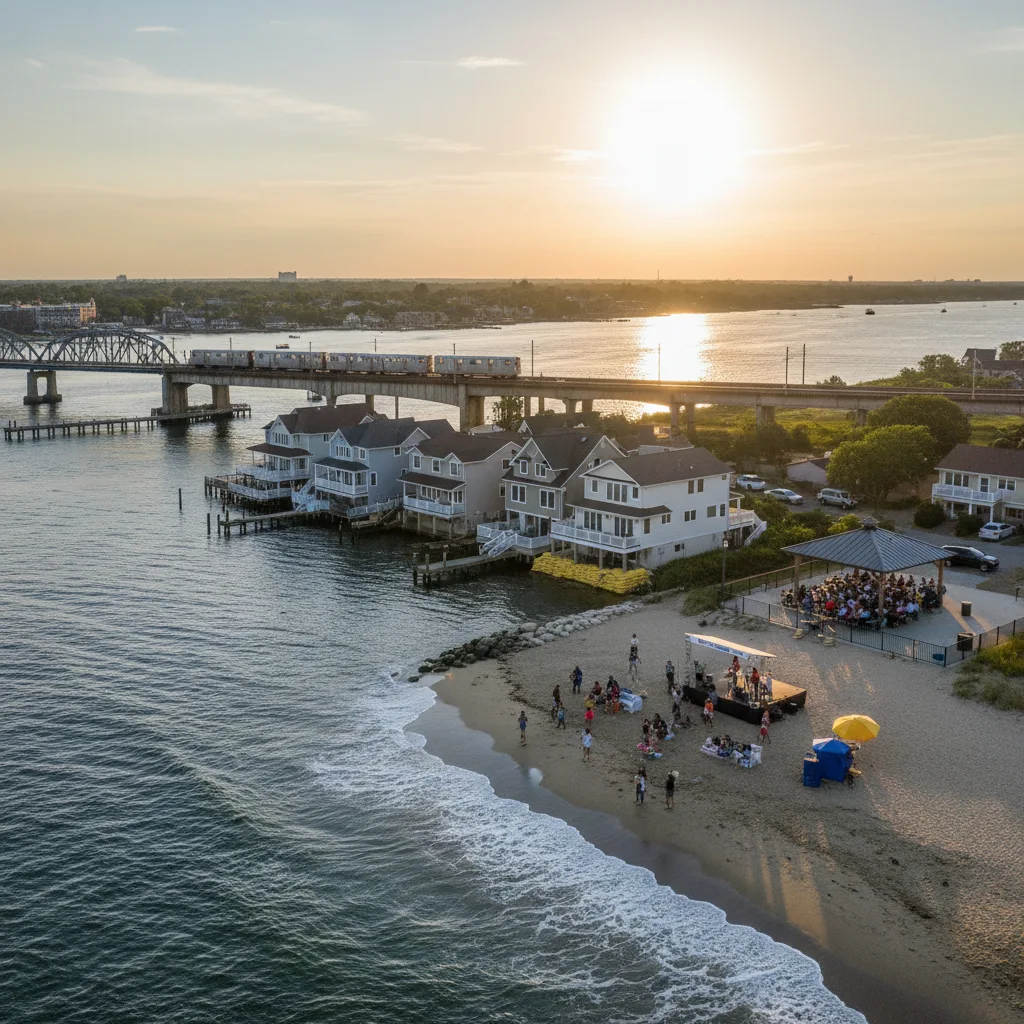
Is Howard Beach in Queens? An Essential Guide to This Vibrant NYC Neighborhood
Discover if Howard Beach is in Queens, NYC, and explore this vibrant neighborhood's unique geography, community, lifestyle, and local attractions.
Your Guide to Enjoying All Things Go Festival in 2026
Plan your 2026 All Things Go Festival experience from Queens with our comprehensive guide, covering tickets, travel, and what to expect.