


Broad Channel Queens Alarms Rise Over South Africa Scorpion Arrest

NEW YORK — South African Police Service Commissioner Fannie Masemola announced the arrest of an international wildlife smuggler Tuesday morning after customs agents discovered more than 100 live scorpions stashed inside travel luggage, Global News reported. The interception at O.R. Tambo International Airport sparked immediate biosecurity alerts across major transport hubs and prompted local environmental advocates to examine importing vulnerabilities near maritime borders.
Broad Channel Queens Conservationists Warn of Invasive Species Risks
Biosecurity experts in South Queens say the illicit trade of highly venomous arachnids presents a clear ecological hazard to the coastal marshlands. Area naturalists warned that local ecosystems are poorly equipped to handle the accidental introduction of non-native predatory species.
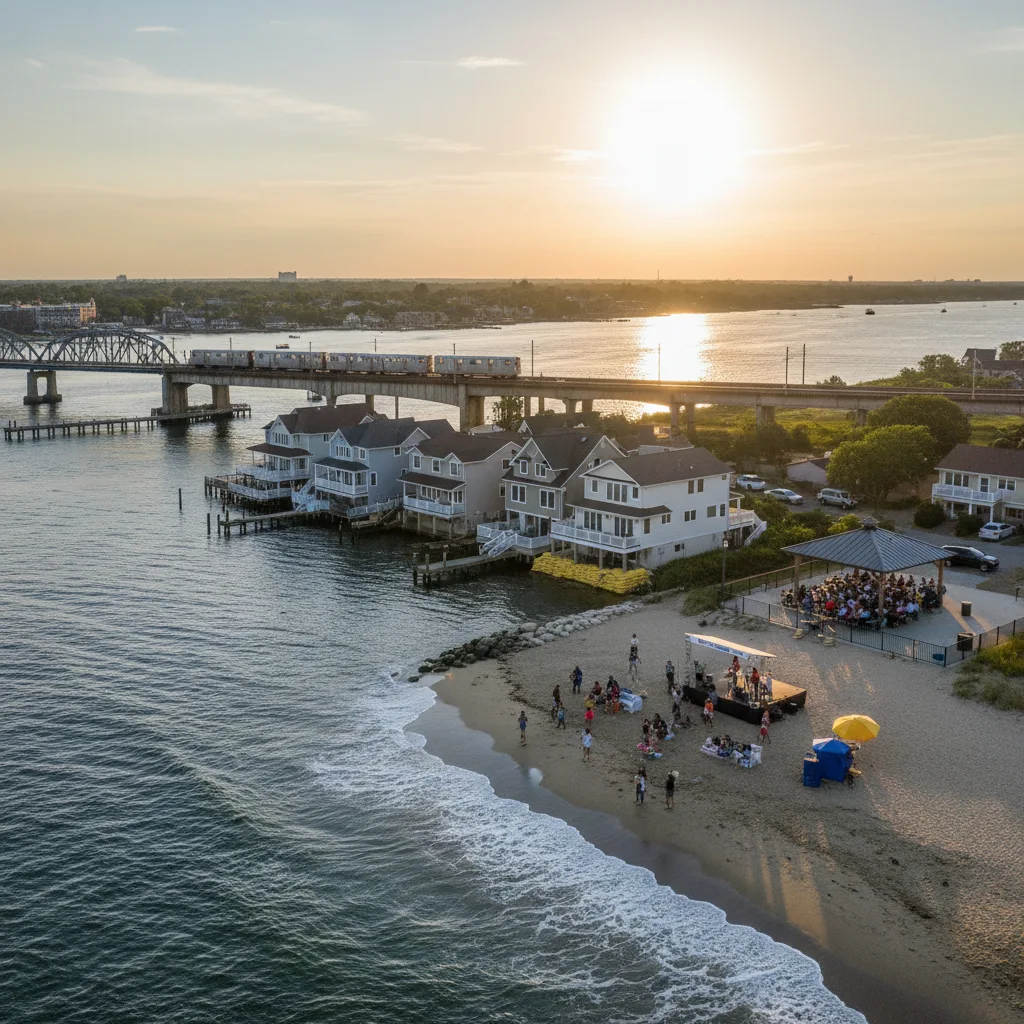
By late afternoon, the tide along Jamaica Bay was gently lapping at the marsh grasses of Broad Channel, where local birdwatchers gathered with binoculars, unaware of the international biosecurity debate. The delicate balance of this protected sanctuary could face severe disruption if foreign predators bypass federal security screens.
International Airport Interception Reveals Shocking Luggage Concealment
Customs officials in Johannesburg discovered the shipment during a routine baggage screening of an outbound passenger. Inspectors found dozens of plastic containers hidden beneath clothing, each housing live scorpions of varying sizes and venom levels.
Environmental enforcement agencies confirmed that the suspect planned to transport the venomous cargo across multiple international borders. Investigators are working to identify the global distribution network that financed this highly specialized smuggling operation.
Global News Confirms South African Smuggling Investigation Details
Federal wildlife inspectors are tracing the origin of the seized arachnids to determine if they were poached from protected wilderness reserves. A comprehensive report on the scorpion seizure in South Africa indicates that international demand for exotic pets drives these high-risk smuggling attempts.
"Illegal wildlife trafficking presents an existential biosecurity threat to our delicate coastal wetlands," said Dan Mangano, a conservation director at the Jamaica Bay Ecological Coalition. Mangano noted that local port authorities must increase surveillance on shipments arriving through nearby maritime terminals.
Port Authority Measures Urged Near Broad Channel Queens Waterways
Local civic leaders are calling on the Port Authority of New York and New Jersey to implement stricter cargo scanning protocols. The proximity of JFK International Airport to the wetlands of Broad Channel makes the region a primary concern for biosecurity advocates.
This call for increased vigilance occurs as local business owners assess economic patterns along major transit corridors. Merchants have already experienced a Cross Bay Boulevard merchant traffic decline due to changing logistical dynamics and infrastructure adjustments.
Customs Protocols Strengthened to Combat Venomous Wildlife Traffic
Federal customs agencies are deploying specialized detection canine teams to intercept illegal wildlife shipments before they reach metropolitan areas. These measures aim to target the primary air routes favored by international exotic pet networks.
Biosecurity patrols near the Joseph P. Addabbo Memorial Bridge have also increased monitoring of discarded cargo containers. Local police precincts are cooperating with federal wildlife marshals to report any unusual biological activity along the waterfront.
Frequently Asked Questions
What are the primary ecological risks of exotic scorpion smuggling to the Broad Channel area?
Exotic scorpions could easily disrupt the delicate predatory balance of the Jamaica Bay Wildlife Refuge if they escape captivity, according to federal wildlife specialists. Non-native species often lack natural predators in Queens, allowing them to multiply and threaten native insect and bird populations.
How do local customs authorities detect hidden wildlife shipments at nearby airports?
Customs and Border Protection officers utilize advanced X-ray imaging, thermal sensors, and highly trained detection dogs at JFK International Airport to locate biological materials. These combined efforts are designed to intercept illegal shipments before exotic specimens can enter the local ecosystem.
Which local organizations can residents contact to report suspicious wildlife sightings?
Residents who observe unusual or exotic species should immediately contact the New York State Department of Environmental Conservation or the Jamaica Bay Wildlife Refuge visitor center. Local volunteer groups also monitor the shoreline to document any ecological changes or unauthorized releases.
Written by
Newstrix
Cross Bay Current
Related Articles
More in Environment →
Cross Bay Boulevard Residents Connect Bangkok Flooding to Local Concerns
Queens residents on Cross Bay Boulevard link Bangkok's flood disaster to their own local concerns about storm drains and neighborhood flood preparedness.

Your Essential Guide to the Rockaway Ocean Club in 2026
Discover what to expect at the Rockaway Ocean Club in 2026, a vibrant beachfront hub in Queens with dining, events, and community activities.

Is Howard Beach in Queens or Brooklyn? A Comprehensive Guide to This Unique NYC Neighborhood
Is Howard Beach in Queens or Brooklyn? Discover the definitive answer: Howard Beach is a vibrant Queens neighborhood with unique coastal charm.

Your Essential Guide to Roy Wilkins Park Events in 2026
Discover the essential guide to Roy Wilkins Park events in 2026, featuring concerts, festivals, sports, and nature programs for South Queens residents.
Is Howard Beach in Queens? An Essential Guide to This Vibrant NYC Neighborhood
Discover if Howard Beach is in Queens, NYC, and explore this vibrant neighborhood's unique geography, community, lifestyle, and local attractions.

Your Guide to Enjoying All Things Go Festival in 2026
Plan your 2026 All Things Go Festival experience from Queens with our comprehensive guide, covering tickets, travel, and what to expect.