


Coastal Resilience Projects Secure $35M for Cross Bay Area

NEW YORK — Over $35 million in combined state and federal funding has been allocated to accelerate coastal resilience projects along Cross Bay Boulevard, directly benefiting vulnerable communities in Howard Beach and Broad Channel. This significant investment, announced by Governor Kathy Hochul's office, underscores a concerted effort to fortify the Queens coastline against future severe weather events, drawing lessons from past impacts like Superstorm Sandy. Officials project that construction on key phases will begin by late summer 2026, protecting an estimated 2,500 homes and businesses.
Federal and State Investments Bolster Defenses
The funding package includes $20 million from the federal Hazard Mitigation Grant Program and an additional $15 million from New York State's Resiliency and Economic Development Initiative (REDI). These funds target critical infrastructure improvements, including marshland restoration, elevation of vulnerable properties, and the construction of new flood barriers. The New York City Department of Environmental Protection (NYCDEP) confirmed that detailed engineering plans are now finalized for three major project sites along the boulevard.
Local residents, particularly those in low-lying areas, have long advocated for these protective measures. The comprehensive plan outlines a multi-layered approach to enhance natural buffers and engineered solutions, providing a robust defense against rising sea levels and storm surges. Broad Channel, which experienced extensive flooding during 2012, stands to gain substantial protection from these accelerated efforts.
Key Project Phases and Timeline
The coastal resilience initiatives are divided into several key phases, with initial work focusing on the most susceptible sections of Cross Bay Boulevard. Phase One, scheduled for groundbreaking in August 2026, will involve the construction of elevated roadways and the installation of floodgates near the Joseph P. Addabbo Memorial Bridge. This phase alone is projected to safeguard approximately 800 properties.
Phase Two, slated for early 2027, will concentrate on restoring 50 acres of salt marsh habitat in Jamaica Bay, directly adjacent to the boulevard. These natural wetlands act as crucial shock absorbers, dissipating wave energy and improving water quality. Community workshops held throughout 2025 gathered vital resident feedback, influencing design modifications to several project components.
Community Engagement and Environmental Benefits
Public involvement has been a cornerstone of the planning process, with numerous meetings held at the Broad Channel American Legion Hall and the Howard Beach Library throughout 2025. Residents expressed concerns about construction impact and long-term maintenance, leading to commitments for transparent communication channels and dedicated project liaisons. The NYCDEP noted that community input was instrumental in shaping the final blueprint.
Beyond flood protection, these projects are expected to yield significant environmental benefits, including enhanced biodiversity and improved ecological health of Jamaica Bay. Restored marshlands will provide critical habitats for migratory birds and marine life, contributing to the overall ecological balance of the region. These efforts align with broader state goals for environmental conservation and sustainable development.
Addressing Long-Term Vulnerabilities
With projections indicating continued climate change impacts, the long-term effectiveness of these resilience projects is paramount. Experts from the New York City Panel on Climate Change (NPCC) have provided extensive data to inform the design, ensuring that infrastructure can withstand anticipated future conditions. The projects are designed with a 50-year lifespan, incorporating adaptive management strategies for potential future adjustments.
The investment represents more than just structural improvements; it's an investment in the peace of mind and economic stability of thousands of Cross Bay Boulevard residents. This proactive approach aims to prevent the catastrophic damages seen in previous decades, securing the future of these vibrant waterfront communities. Understanding local infrastructure is crucial; readers may also be interested in recent reports on Cross Bay Boulevard repaving challenges.
Collaborative Efforts and Future Outlook
The success of these ambitious projects relies heavily on ongoing collaboration between multiple agencies, including NYCDEP, the Governor's Office of Storm Recovery, and local civic associations. Regular inter-agency meetings, scheduled quarterly through 2027, ensure coordinated efforts and timely problem-solving. This collaborative model serves as a benchmark for future large-scale infrastructure projects across New York City.
Looking forward, the city is also exploring further federal grants to expand resilience efforts to other parts of the Rockaways and southern Queens, building on the momentum generated by the Cross Bay Boulevard initiatives. The boulevard itself, a key artery through these areas, will be more robust and safer for residents and commuters alike. Furthermore, residents often follow how local media covers these developments, for instance, via outlets like Cross Bay News.
Frequently Asked Questions about Coastal Resilience
What areas along Cross Bay Boulevard will benefit most? The primary beneficiaries are communities in Howard Beach and Broad Channel, especially those adjacent to Jamaica Bay and historically prone to flooding. Key project sites are located near the Joseph P. Addabbo Memorial Bridge and along the bay-facing portions of the boulevard.
What types of projects are being implemented? Projects include marshland restoration, property elevations, construction of flood barriers, and improvements to drainage systems. These measures are designed to provide both natural and engineered protection against storm surges and rising sea levels.
When is construction expected to begin and end? Groundbreaking for Phase One is anticipated in August 2026, with subsequent phases continuing through 2027. The entire project is expected to be completed by late 2027 or early 2028, depending on weather and logistical factors.
How can residents get more information or voice concerns? Residents can contact the NYC Department of Environmental Protection's community liaison office, attend future public meetings, or visit the official project website. Information is regularly updated through local community boards and civic associations.
What is the long-term impact of these projects? These projects aim to significantly reduce the risk of flood damage, enhance the ecological health of Jamaica Bay, and ensure the long-term sustainability and safety of Cross Bay Boulevard communities for decades to come, protecting homes and livelihoods.
Written by
Newstrix
Cross Bay Current
Related Articles
More in Environment →Cross Bay Boulevard Residents Connect Bangkok Flooding to Local Concerns
Queens residents on Cross Bay Boulevard link Bangkok's flood disaster to their own local concerns about storm drains and neighborhood flood preparedness.
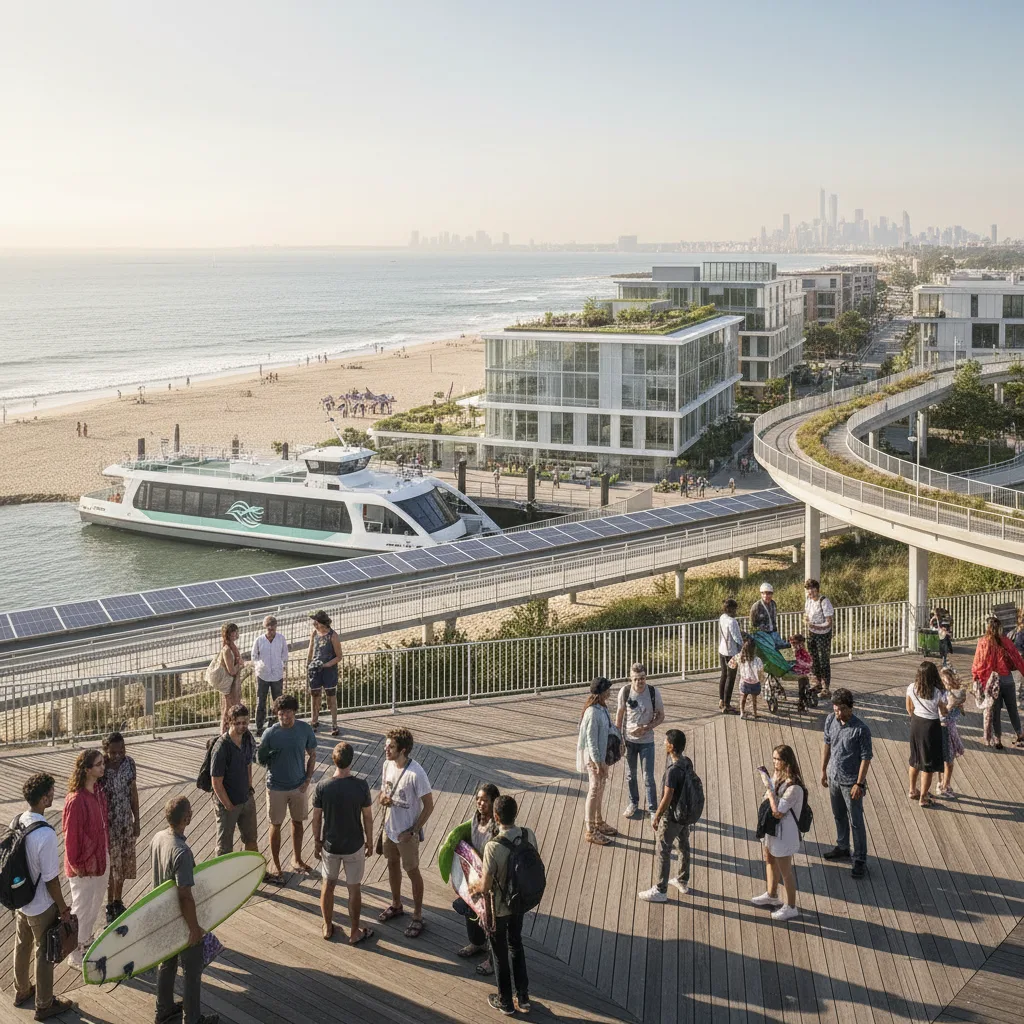
Your Essential Guide to the Rockaway Ocean Club in 2026
Discover what to expect at the Rockaway Ocean Club in 2026, a vibrant beachfront hub in Queens with dining, events, and community activities.
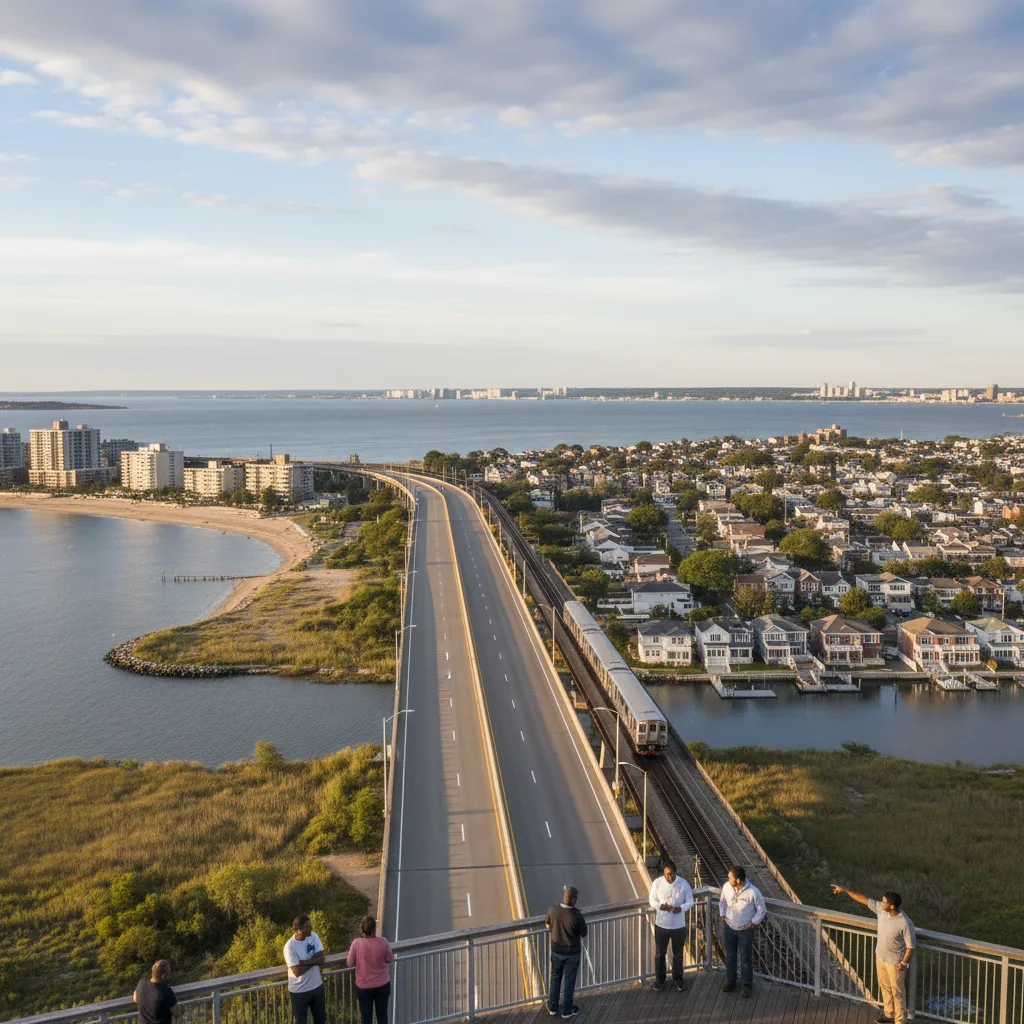
Is Howard Beach in Queens or Brooklyn? A Comprehensive Guide to This Unique NYC Neighborhood
Is Howard Beach in Queens or Brooklyn? Discover the definitive answer: Howard Beach is a vibrant Queens neighborhood with unique coastal charm.
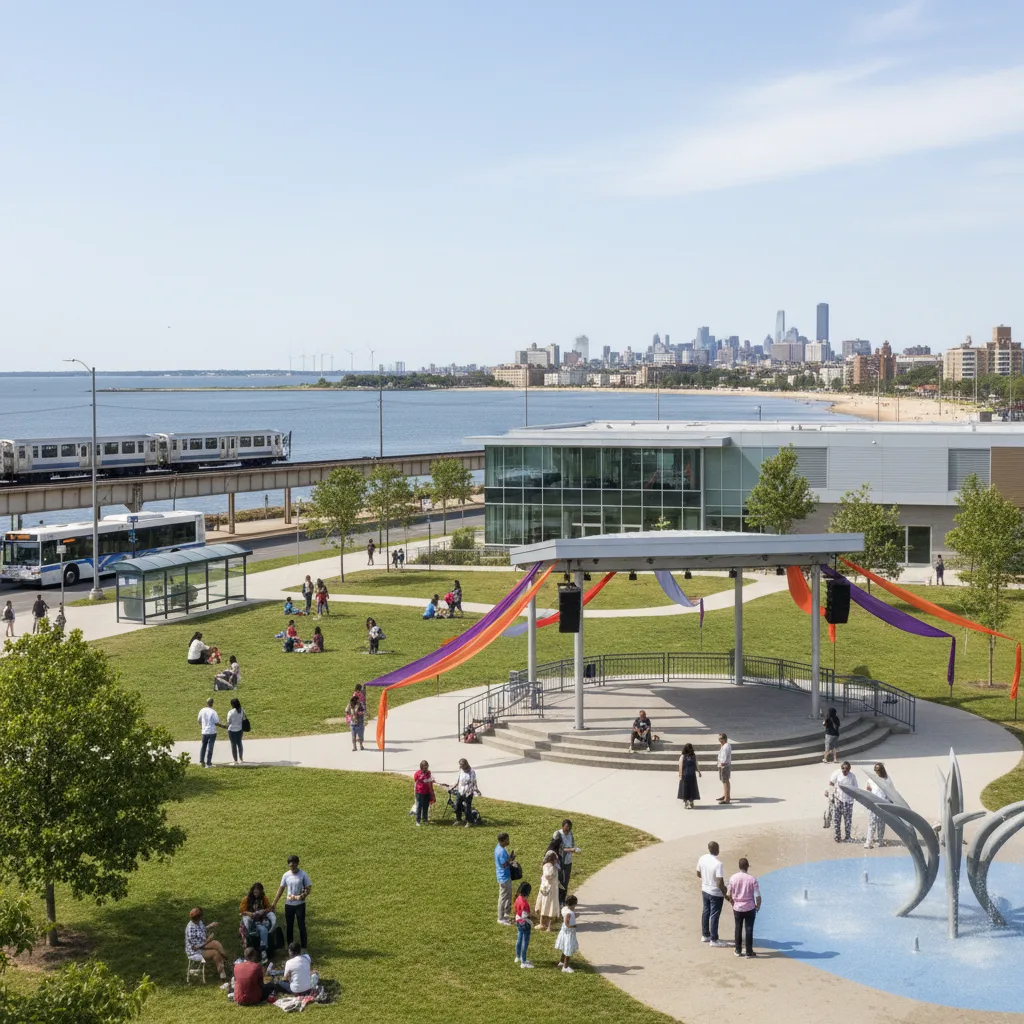
Your Essential Guide to Roy Wilkins Park Events in 2026
Discover the essential guide to Roy Wilkins Park events in 2026, featuring concerts, festivals, sports, and nature programs for South Queens residents.
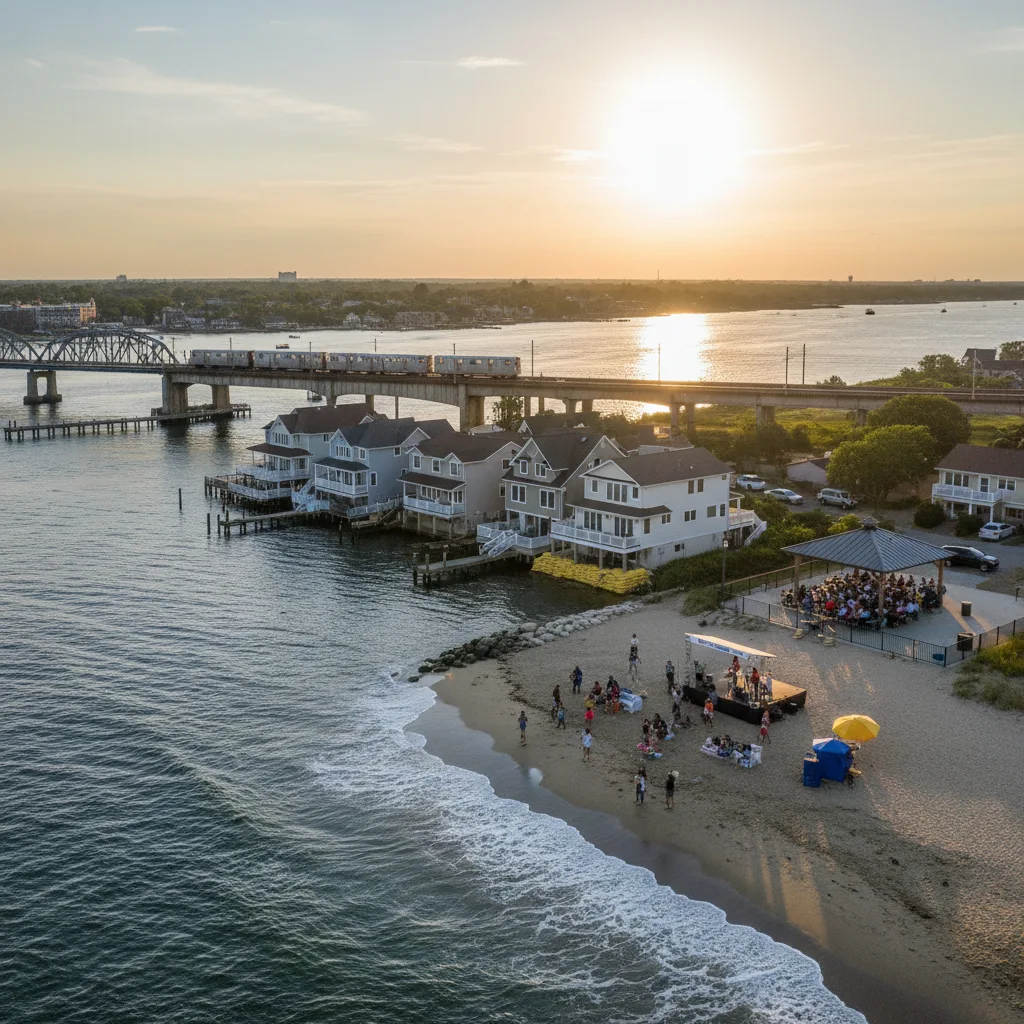
Is Howard Beach in Queens? An Essential Guide to This Vibrant NYC Neighborhood
Discover if Howard Beach is in Queens, NYC, and explore this vibrant neighborhood's unique geography, community, lifestyle, and local attractions.
Your Guide to Enjoying All Things Go Festival in 2026
Plan your 2026 All Things Go Festival experience from Queens with our comprehensive guide, covering tickets, travel, and what to expect.