


Cross Bay Boulevard: City Agencies Accelerate Coastal Resilience Projects for 2026

NEW YORK — City agencies have significantly accelerated coastal resilience projects along Cross Bay Boulevard, responding to increased concerns following severe weather events. The initiative, spearheaded by the Department of Environmental Protection (DEP) and the Parks Department, aims to fortify the vulnerable coastline of Howard Beach and other Jamaica Bay communities.
Commissioner Rohit T. Aggarwala of the New York City Department of Environmental Protection highlighted the urgency of these undertakings. "Protecting our coastal communities from rising sea levels and storm surges is not just an environmental imperative, it's a matter of public safety and economic stability," Aggarwala stated, speaking at a community board meeting in Ozone Park last week. He confirmed the city has allocated an additional $150 million to expedite construction timelines across several key sites.
Enhancing Natural Barriers and Infrastructure
The accelerated projects focus on a multifaceted approach to coastal defense. This includes restoring tidal wetlands, enhancing natural dune systems near the Jamaica Bay Wildlife Refuge, and constructing new sea walls in densely populated residential areas. The primary objective is to create a more robust buffer against extreme weather, particularly for communities that experienced significant damage during Hurricane Sandy.
Engineers from the Army Corps of Engineers are collaborating with city planners, providing critical technical expertise and guidance. Their involvement ensures that designs integrate the latest hydrological models and best practices for flood mitigation. The first phase of enhanced dune construction near the 165th Avenue entrance to the refuge is already 30% complete, according to project managers.
Community Engagement and Local Impact
Residents along Cross Bay Boulevard have long advocated for stronger protections. Local community groups, such as the Howard Beach Civic Association, have been instrumental in pushing for these accelerated timelines. "We've seen too much devastation, too many homes flooded, and we welcome this intensified effort from the city," remarked Maria Thompson, president of the Howard Beach Civic Association, after a public workshop held at the Rockwood Park Jewish Center. She stressed the importance of sustained investment.
Public forums held over the past six months have allowed residents to provide direct input on project designs and priorities. Concerns about ecological impact on Jamaica Bay's diverse ecosystem have been carefully considered. Planners assert that restoration efforts are designed to bolster local wildlife habitats while providing essential flood protection. Further information on ongoing environmental studies is available from Cross Bay Current.
Funding and Future Phases
The current phase of resilience efforts is largely funded through a combination of federal grants and municipal bonds. A significant portion, approximately $75 million, comes from the FEMA Hazard Mitigation Grant Program, secured in late 2025. This funding targets areas identified as high-risk flood zones by the National Flood Insurance Program.
Future phases, scheduled for planning in late 2026, will address long-term strategies for adapting infrastructure to climate change projections. These include elevated roadways and updated drainage systems, particularly along the southern stretches of Cross Bay Boulevard leading to the Broad Channel Bridge. Officials are preparing proposals for additional state and federal appropriations to support these costly, but vital, upgrades.
Challenges and Ongoing Monitoring
Despite the accelerated timeline, challenges remain. Acquisition of necessary easements, particularly in privately owned waterfront parcels, has sometimes slowed progress. Supply chain issues for specialized construction materials, like marine-grade steel, also pose intermittent delays. However, project managers confirm they are working closely with contractors to mitigate these factors and keep work on schedule.
Environmental scientists from the Queens College School of Earth and Environmental Sciences will conduct ongoing monitoring of water quality and ecological health throughout the project lifecycle. Their data will inform adaptive management strategies, ensuring that the resilience efforts are both effective and environmentally sound. Initial reports on local ecosystem health are promising, showing minimal disruption during early construction.
What This Means for Cross Bay Residents
The enhanced coastal resilience measures offer a tangible promise of greater security for thousands of Queens residents. Property owners in areas like Old Howard Beach and Hamilton Beach can anticipate reduced flood risks and potentially lower insurance premiums over time. These projects are a critical investment in the long-term viability and safety of the community.
Frequently Asked Questions About Coastal Resilience
Q: How will these projects impact my daily commute on Cross Bay Boulevard? A: While some localized lane closures or detours may occur during construction, particularly for larger infrastructure components like sea wall foundations, city agencies are coordinating with the Department of Transportation to minimize disruption. Most work is planned to avoid peak travel hours, and clear signage will guide drivers and pedestrians around construction zones. Updates on traffic impacts are regularly posted by local news outlets and the city's DOT website. For broader transportation updates, consider reviewing local Queens transportation initiatives.
Q: Are there opportunities for residents to get involved in monitoring or advocacy? A: Yes, community involvement remains a cornerstone of these efforts. Local civic associations continue to host meetings and provide avenues for resident feedback. Volunteer opportunities for environmental stewardship, such as planting native vegetation in restored wetland areas, are also being organized by the Parks Department and local conservation groups. Residents can contact their local community board or the DEP’s public engagement office for more details on participation. Organizations focused on environmental advocacy for Jamaica Bay frequently seek volunteers to assist with data collection and public outreach.
Written by
Newstrix
Cross Bay Current
Related Articles
More in Environment →Cross Bay Boulevard Residents Connect Bangkok Flooding to Local Concerns
Queens residents on Cross Bay Boulevard link Bangkok's flood disaster to their own local concerns about storm drains and neighborhood flood preparedness.
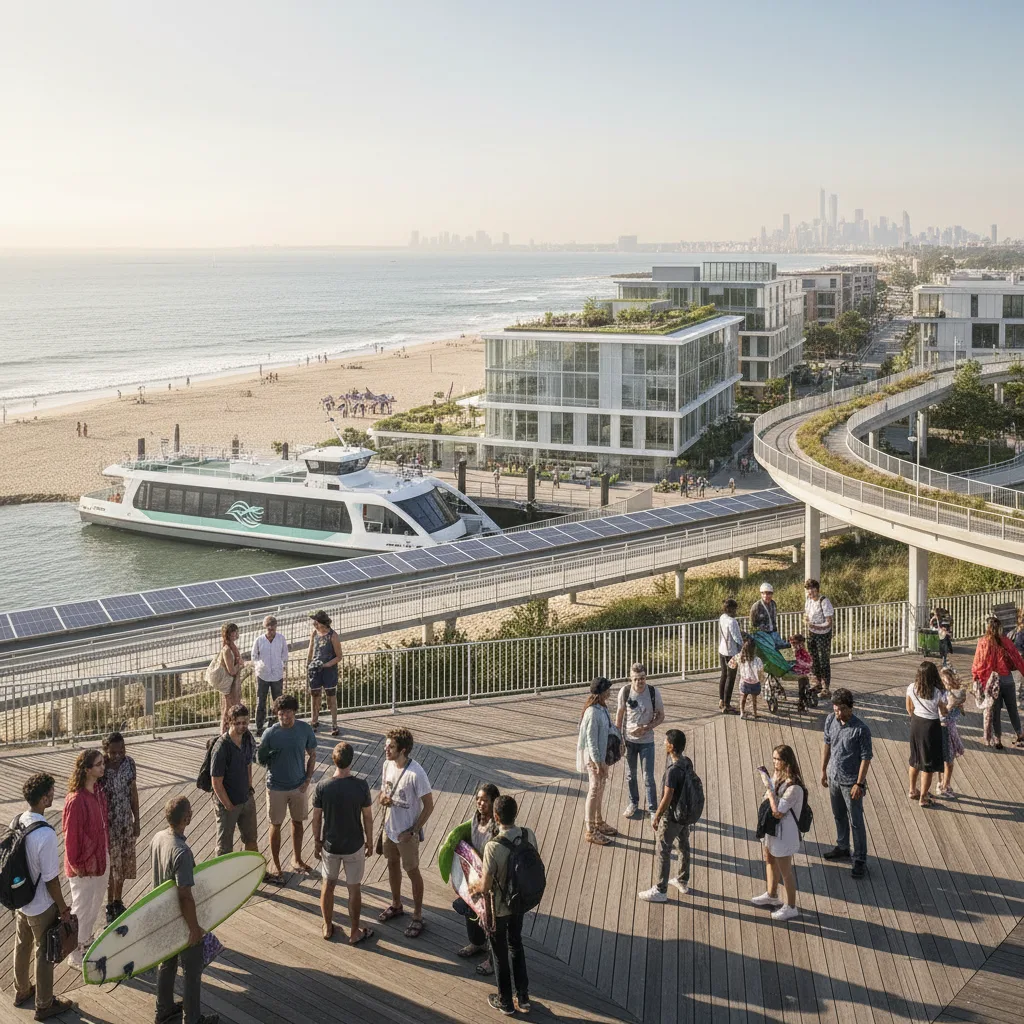
Your Essential Guide to the Rockaway Ocean Club in 2026
Discover what to expect at the Rockaway Ocean Club in 2026, a vibrant beachfront hub in Queens with dining, events, and community activities.
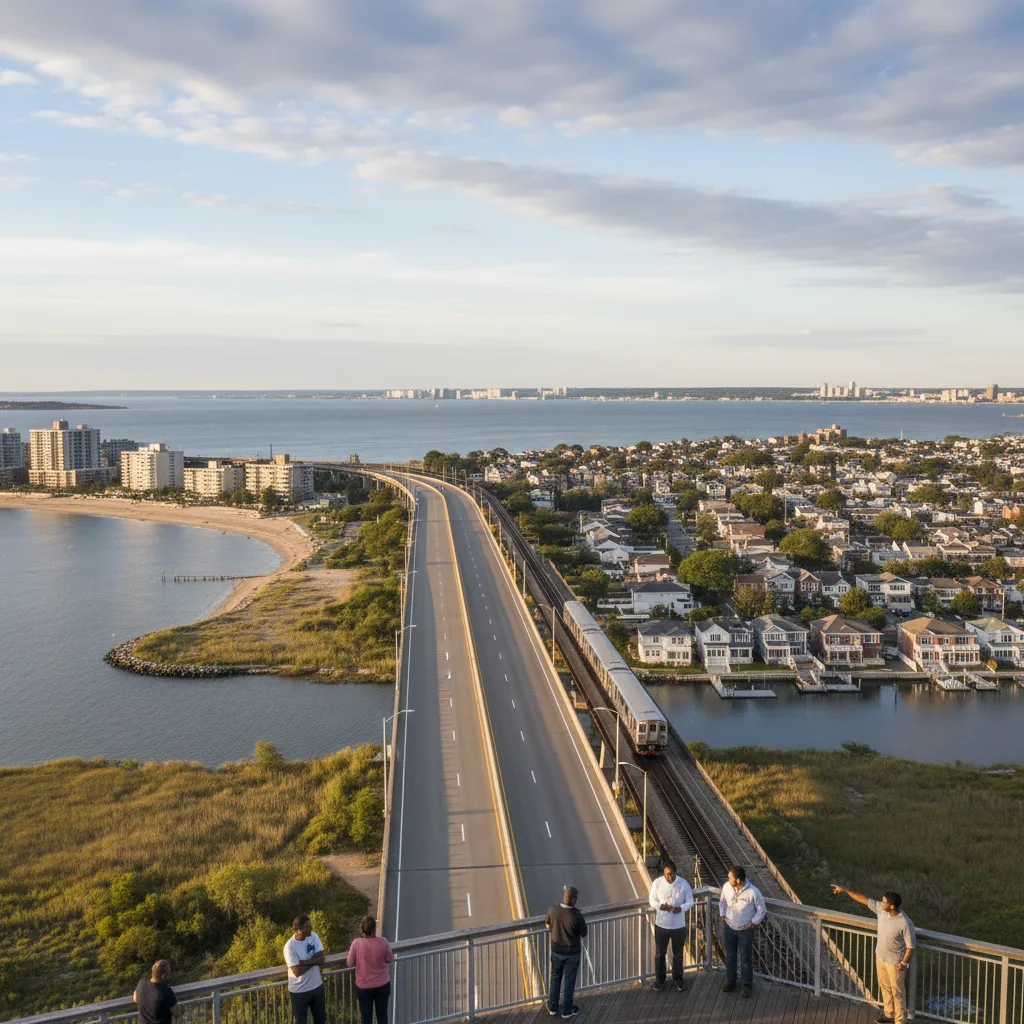
Is Howard Beach in Queens or Brooklyn? A Comprehensive Guide to This Unique NYC Neighborhood
Is Howard Beach in Queens or Brooklyn? Discover the definitive answer: Howard Beach is a vibrant Queens neighborhood with unique coastal charm.
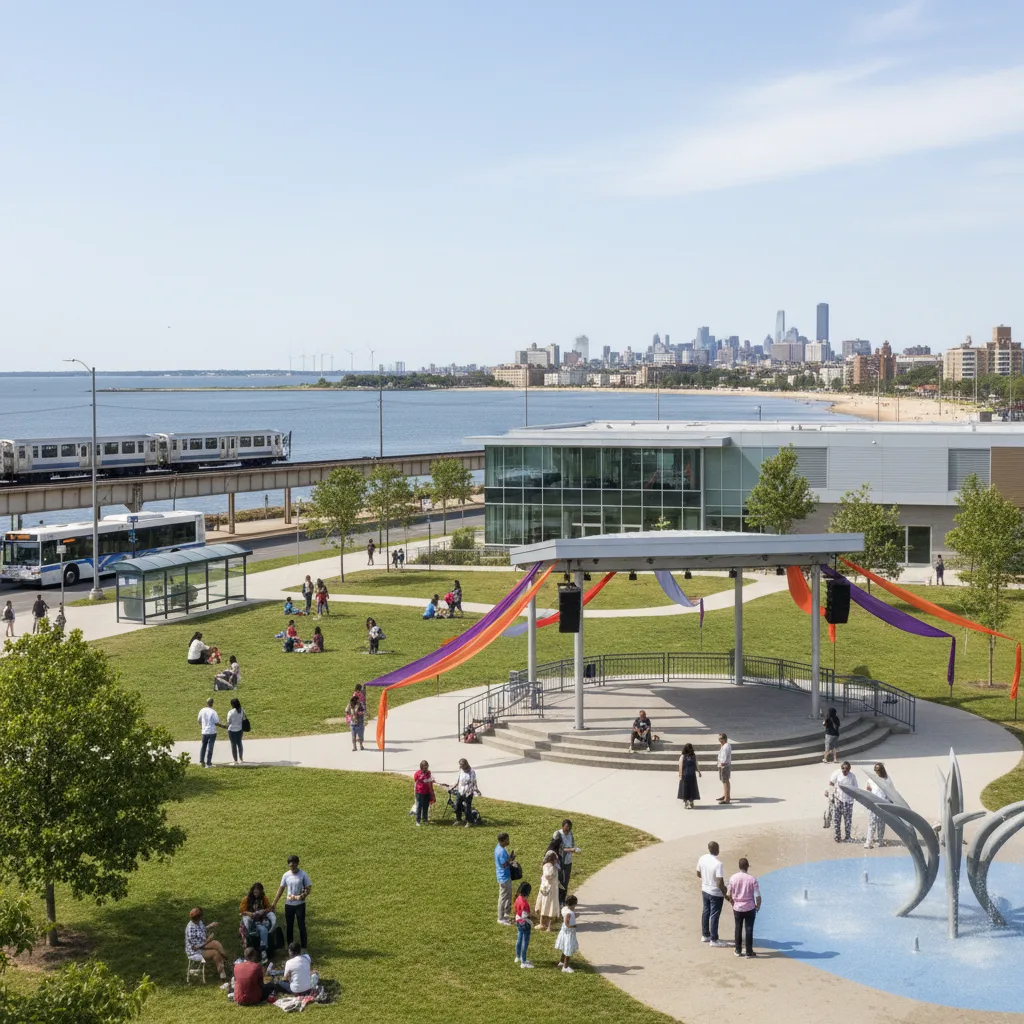
Your Essential Guide to Roy Wilkins Park Events in 2026
Discover the essential guide to Roy Wilkins Park events in 2026, featuring concerts, festivals, sports, and nature programs for South Queens residents.
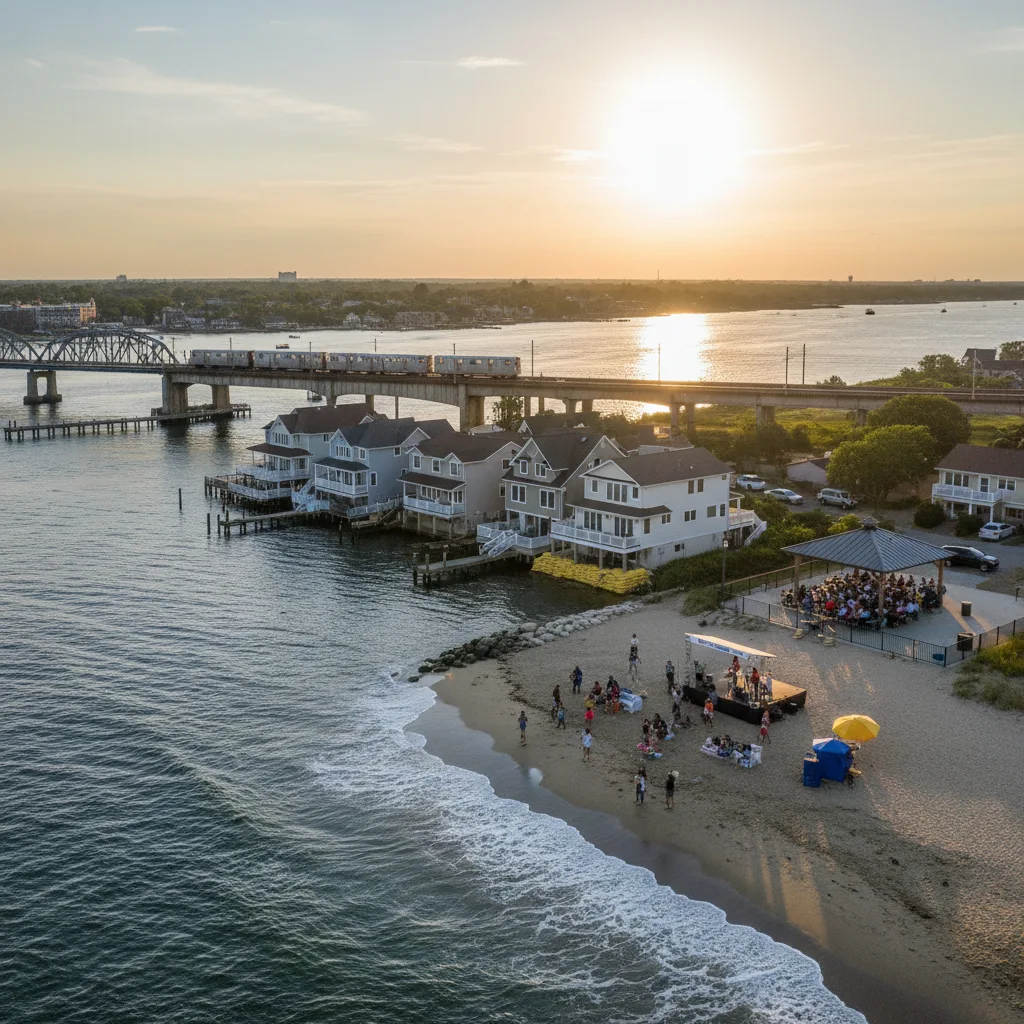
Is Howard Beach in Queens? An Essential Guide to This Vibrant NYC Neighborhood
Discover if Howard Beach is in Queens, NYC, and explore this vibrant neighborhood's unique geography, community, lifestyle, and local attractions.
Your Guide to Enjoying All Things Go Festival in 2026
Plan your 2026 All Things Go Festival experience from Queens with our comprehensive guide, covering tickets, travel, and what to expect.