


Cross Bay Boulevard: City Funds Boost Coastal Resilience Projects

NEW YORK — Communities along Cross Bay Boulevard are witnessing a significant acceleration of coastal resilience projects, following the severe and damaging impacts of recent storm events in 2025. City officials confirm that new funding allocations are speeding up efforts to protect critical infrastructure and residential areas from future climate-related threats, particularly along the Queens waterfront.
Commissioner Emily Chen of the New York City Department of Environmental Protection (DEP) confirmed the expanded scope of work last week. She emphasized the urgency behind these initiatives, citing extensive damage incurred during a series of powerful coastal storms that affected the Rockaways and Broad Channel. The accelerated timeline aims to fortify vulnerable shorelines within the next three years, well ahead of earlier projections.
Project Scope Expands with Increased Funding
The City Council approved an additional $75 million for resilience projects in the latest budget cycle, specifically targeting vulnerable areas in southeastern Queens. This new capital investment brings the total commitment for the region's coastal defenses to over $250 million, according to figures released by the Mayor's Office of Resiliency. The funds will be allocated to various engineering and natural infrastructure solutions.
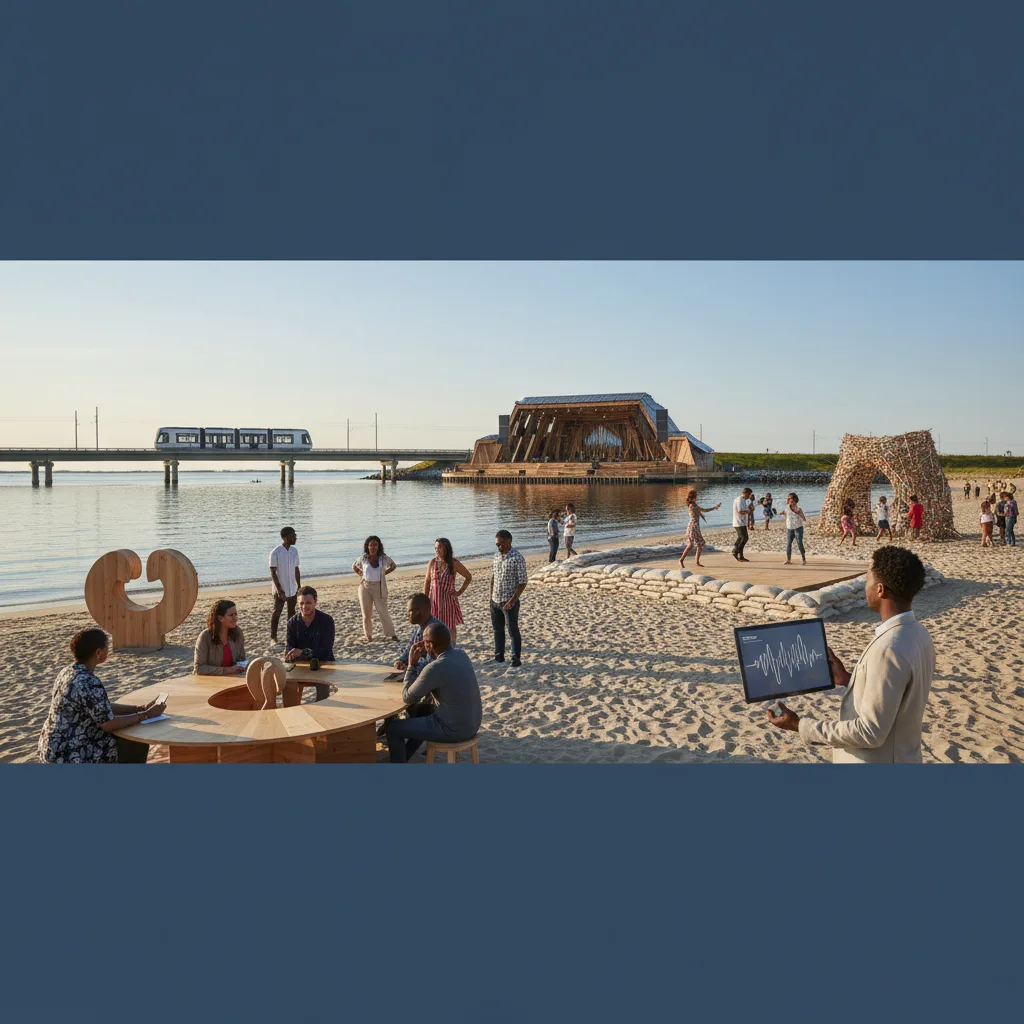
These projects include the construction of new seawalls and bulkheads, particularly around the areas where Cross Bay Boulevard intersects with waterways. Plans also involve the restoration of marshlands, which naturally absorb storm surge and provide ecological benefits. Community workshops held in Howard Beach and Ozone Park earlier this month provided residents an opportunity to review proposed designs and offer feedback on localized concerns.
Protecting Infrastructure and Homes
Cross Bay Boulevard itself, a critical artery connecting mainland Queens to the Rockaway Peninsula, is a central focus of these protective measures. Its elevation and structural integrity are being re-evaluated, with potential plans for strategic raising in certain flood-prone segments. This would safeguard not only commuters but also vital utility lines that run beneath the roadway.
"The resilience of Cross Bay Boulevard is paramount, not just for transportation but for the economic vitality of these communities," stated Council Member Felicia Rodriguez, whose district includes parts of the affected areas. She spoke at a recent press conference held at the Charles Memorial Park. "These investments mean families can sleep soundly, knowing their homes and businesses are better protected."
Community Engagement and Local Impact
Local residents, many of whom experienced significant property damage in the 2025 storms, have been actively involved in the planning process. Their input has been instrumental in tailoring solutions that address specific neighborhood needs, such as improved drainage systems in low-lying areas off the boulevard. Workshops facilitated by the DEP ensured that public concerns were integrated into the evolving project designs.
For example, families living near the southern end of Cross Bay Boulevard in Broad Channel have advocated for enhanced natural barriers. The focus is on integrating living shorelines with engineered solutions, fostering a balanced approach to environmental protection and community safety. Residents voice strong dissatisfaction with Cross Bay Boulevard repaving, highlighting the community's demand for high-quality infrastructure.
Phased Implementation and Future Outlook
The accelerated resilience efforts will be implemented in several phases, with initial work focusing on urgent repairs and temporary protections scheduled for completion by late 2026. Major construction on permanent structures, such as the expanded marshlands near the Jamaica Bay Wildlife Refuge entrance, is expected to commence in early 2027. The city projects that the bulk of these projects will be substantially completed by 2029.
City planners anticipate that these long-term investments will significantly reduce the risk of future storm-related damage, safeguarding billions of dollars in property and infrastructure. The proactive stance reflects a broader city-wide commitment to climate adaptation, setting a precedent for other vulnerable coastal neighborhoods. Discussions around additional grant funding from federal sources are ongoing, aiming to further bolster these critical initiatives.
Ensuring Long-Term Preparedness
Beyond physical infrastructure, the DEP is also launching new public awareness campaigns across Queens, including along Cross Bay Boulevard. These campaigns will educate residents on emergency preparedness protocols and offer guidance on individual property-level flood mitigation strategies. The aim is to build a more resilient community from the ground up, combining both large-scale projects and individual actions.
Officials stress the importance of community participation in these ongoing efforts. Regular updates will be provided through local community boards and online portals, ensuring transparency and continued public engagement. The city's commitment extends beyond construction, focusing on a holistic approach to coastal defense and disaster readiness for generations to come.
Frequently Asked Questions About Coastal Resilience
What are the primary goals of the new coastal resilience projects along Cross Bay Boulevard? The main goals are to protect critical infrastructure, residential areas, and vital transportation routes from future storm surges and sea-level rise. This is achieved through a combination of engineered solutions like seawalls and natural barriers such as restored marshlands, following the severe storms of 2025.
How much funding has been allocated for these projects in Queens? The City Council recently approved an additional $75 million, bringing the total commitment for coastal defenses in southeastern Queens to over $250 million. This significant investment accelerates the project timeline and expands its scope to protect more vulnerable areas.
How can local residents get involved or stay informed about the progress? Residents can participate in community workshops and public hearings organized by the DEP and the Mayor's Office of Resiliency. Information is also shared through local community boards and dedicated online portals, ensuring continuous engagement and transparency throughout the project's phases.
What specific measures are being taken to protect Cross Bay Boulevard itself? The boulevard, a crucial link, is undergoing re-evaluation for potential strategic elevation in flood-prone sections. This measure aims to shield the roadway and underlying utility lines from flood damage, ensuring continuous access and essential services for the Rockaway Peninsula.
When are these coastal resilience projects expected to be completed? Initial urgent repairs and temporary protections are scheduled for late 2026, with major construction on permanent structures beginning in early 2027. The bulk of these comprehensive projects are projected to be substantially completed by 2029, providing long-term protection for the region.
Written by
Newstrix
Cross Bay Current
Related Articles
More in Environment →Cross Bay Boulevard Residents Connect Bangkok Flooding to Local Concerns
Queens residents on Cross Bay Boulevard link Bangkok's flood disaster to their own local concerns about storm drains and neighborhood flood preparedness.
Your Essential Guide to the Rockaway Ocean Club in 2026
Discover what to expect at the Rockaway Ocean Club in 2026, a vibrant beachfront hub in Queens with dining, events, and community activities.
Is Howard Beach in Queens or Brooklyn? A Comprehensive Guide to This Unique NYC Neighborhood
Is Howard Beach in Queens or Brooklyn? Discover the definitive answer: Howard Beach is a vibrant Queens neighborhood with unique coastal charm.
Your Essential Guide to Roy Wilkins Park Events in 2026
Discover the essential guide to Roy Wilkins Park events in 2026, featuring concerts, festivals, sports, and nature programs for South Queens residents.
Is Howard Beach in Queens? An Essential Guide to This Vibrant NYC Neighborhood
Discover if Howard Beach is in Queens, NYC, and explore this vibrant neighborhood's unique geography, community, lifestyle, and local attractions.
Your Guide to Enjoying All Things Go Festival in 2026
Plan your 2026 All Things Go Festival experience from Queens with our comprehensive guide, covering tickets, travel, and what to expect.